A 2021 Film Journey: Day 61

While I wait for the Oscar Nominations to come out in full in two weeks, I’m going to spend much of my time watching films on various short lists in order to leave my Oscar crunch as reasonable as possible. That will end up with me watching films that don’t end up with a nomination but given the inability to watch films in theaters in 2020 I’m more than happy to watch some bonus foreign films.

A Sun (2020, Dir. Chung Mong-Hong)

A Sun film review: grief and violence in slow-burn Golden Horse awards  winner | South China Morning Post

Only one movie again tonight, but this one was two and a half hours long, so I’m not beating my self up over it. A Sun uses its extreme length to explore all manner of family life through its subject, the Chen family. Teenager A-Ho (Wu Chien-ho) begins the film by taking part in an assault and heading to juvenile detention. His older brother A-Hao (Greg Hsu) is the son full of promise who harbors a depressed side. Wen (Chen Yi-wen) and Qin (Samantha Ko) are the two’s parents and make up the majority of the screen time while the two boys are unable to be on screen for their individual reasons.

The family drama verges on some extremely dark topics, yet throughout all the film manages to be deeply funny in a counterbalancing act. Much of this much needed humor comes from Wen the father played miraculously by Chen Yi-wen. The scene that stands out the most from him is when he and his wife are in a room at the detention facility with A-Ho and Xiao-Yu (Apple Wu) so the two of them can be married, and Wen unprompted sticks his arm in an automated blood pressure machine that happens to be in the room with them. Nothing is said about this, it’s just a nervous tick that manifests itself in an absurd way. Small decisions like these prevent the film from becoming a depressing slog.

The more I think about this film, the more I think I may love it. Despite its length, it never felt bloated; every scene contributed to a beautiful whole. It meticulously balanced humor with melodrama and moments of action. This perfect blend of genres elevates the narrative story while still allowing character moments speak for themselves. A Sun is a great example of a film that’s greater than the sum of its parts, but its parts were pretty good on their own as well.

A 2021 Film Journey: Day 60

A 2021 Film Journey: Day 60

Day 60 and the first day of March. I won’t be watching films under a specific theme like I did for Black History month in February, but much of the next month and a half will be spent watching films that receive an Oscar nomination once those come out in two weeks.

Over the Moon (2020, Dir. Glen Keane and John Kahrs)

Chinese Designer Guo Pei on Creating Looks for 'Over the Moon' Goddess -  Variety

While tonight’s film isn’t guaranteed a spot in this year’s list, most predictions have Over the Moon as a pretty dependable prediction for animated feature after two offerings from Pixar and Wolfwalkers make up the sure things. It is clear to me that this film is in a lower tier than the other three though, while not bad per say, Over the Moon is assuredly a mess.

Over the Moon stars Cathy Ang as Fei Fei, a girl dealing with grief over her deceased mother, a bit of a tired cliché in animated kids movies at this point. The film is a musical which is one of the more baffling decisions given the heavier subject matter, and while the first few songs are endearing the absurdity quickly gets the better of the film. An extremely awkward singing ping-pong match left me visibly cringing at the film. A similar tonally dissonant decision is in artistic styles. Much of this film looks like it’s glowing to an excessive amount. Giant glowing aesthetics can work, but they likely weren’t the best decision for a story about a girl learning to let go of the pain in her heart from her mother’s absence.

Watching Over the Moon, it’s clear that Glen Keane and John Kahrs have a great appreciation for Pixar and renaissance Disney films. And while they fumble a little in execution, the love for medium shines through. The overwhelming earnestness of the filmmakers awards it more praise in my book than an equally messy cynical cash grab would earn. I doubt I’ll ever revisit Over the Moon, but I’m not turned off of watching Keane and Kahrs’s next film.

A 2021 Film Journey: Day 59

A second month done and I’m happy that I’ve been able to keep this project going. More than a few days this month watching and writing felt a bit like a chore, but I’m happier for having done it. Despite today’s post likely going up after midnight, it wasn’t one of the difficult ones. I just lost track of time this evening.

Killer of Sheep (1978, Dir. Charles Burnett)

Killer of Sheep – IFC Center

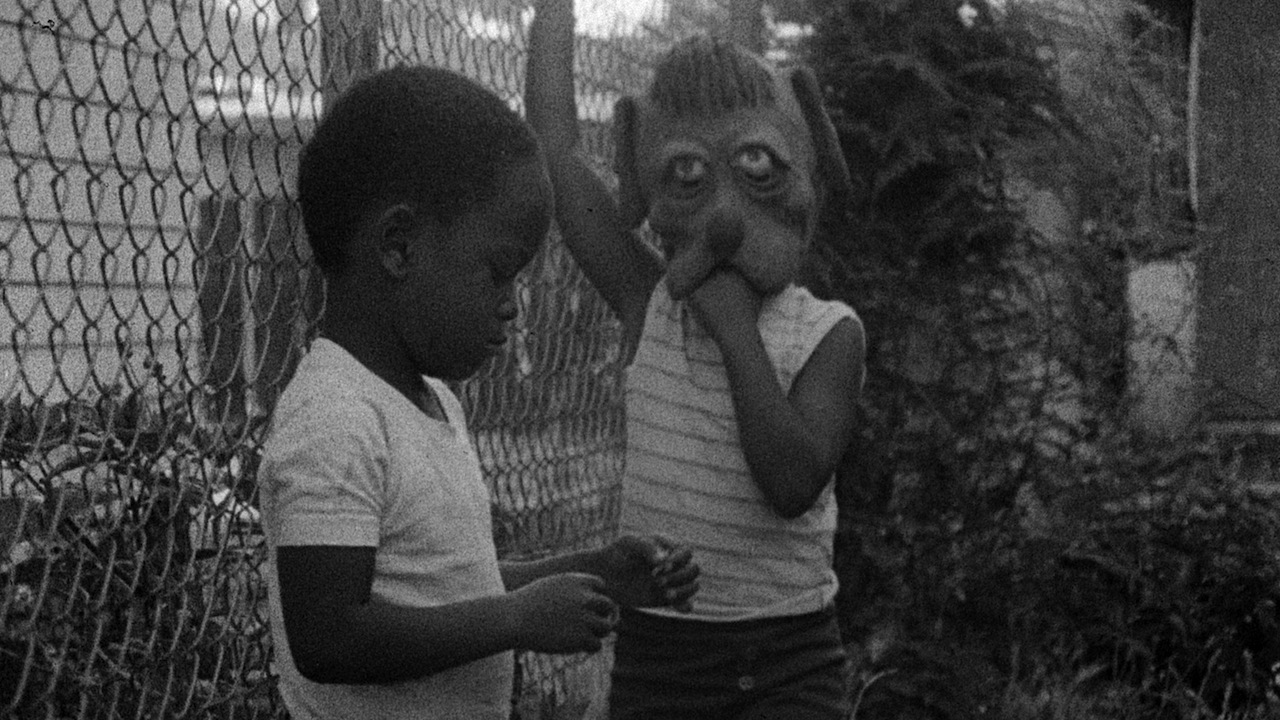
Intentional or not, I feel like I may have ended up saving the best for last as far as my Black History Month views go. For a movie I had never heard of before doing some research for films this month, Killer of Sheep is just a perfect piece of cinéma verité. Despite being made in Los Angeles in the late 70s, Charles Burnett’s masterpiece has more in common with the French New Wave than it does with the Hollywood indie scene of the era. Rather than any plot first epic, the 80-minute film works as a collage depicting the lives of the working class.

If Killer of Sheep has any flaws, it that the acting isn’t the best. Some of the line reads are a bit cringe inducing, but they don’t end up detracting from film. At times, the substandard acting acts as an almost meta enhancement of the film’s depiction. If Hollywood wants to remain overly polished and ignore the lives of the Black working class, it only makes sense that the performances reject the Hollywood shine. Every inconsequential moment of the film builds up to a complete thesis on the working class without overtly doing so. I will not be waiting for next Black History Month before diving into more of Charles Burnett’s work.


Much like I spent the last weekend in January watching films about to leave the Criterion Channel, my second film for the evening was a film that won’t be there come tomorrow.

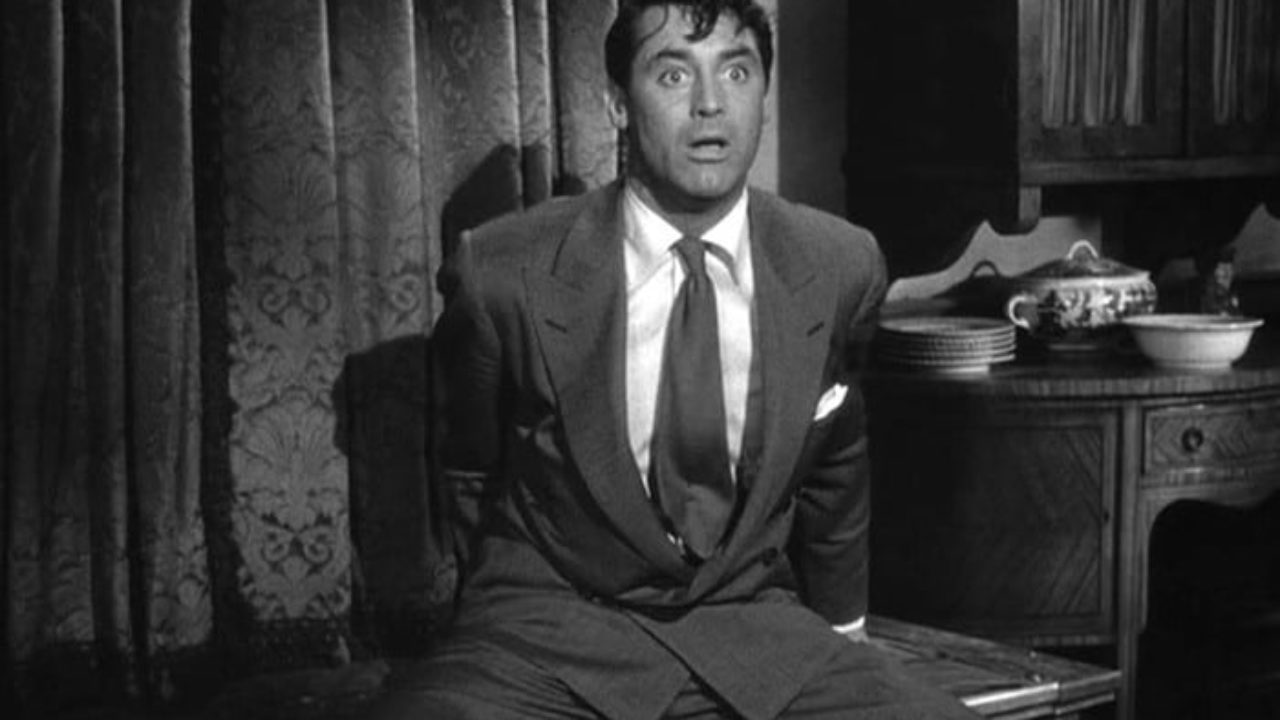
Arsenic and Old Lace (1942, Dir. Wim Wenders)

Arsenic and Old Lace' and the Incomparable Comedic Talents of Cary Grant

My worst film take has always been that I don’t especially care for Cary Grant. And with that sentence I assume I’ve lost 90% of my readership, but for those still with me, allow me to defend myself. The golden age of Hollywood was hallmarked by larger-than-life movie stars who tended to play their over-the-top persona in most films, and Cary Grant was the best at that. I personally find the overly shiny personas to be fake and grating at times. Even in this same post I was praising the cinéma verité of the French New Wave, a genre as far removed from Cary Grant’s persona as possible.

However, all of those misgivings go away for me when it comes to farse; there Cary Grant clicks perfectly for me. Arsenic and Old Lace is such a comedy to unlock Grant for me. Watching his overly self-assured persona grapple with the absurdity of the situation uses the falseness to its advantage. The film delivered one gag after another for Grant to fall for delivering a steady stream of laughs. A wonderfully fun way to end the month.

A 2021 Film Journey: Day 58

The weekends just make everything better. After days of feeling like I needed to sacrifice sleep to keep the project going uninterrupted, today was my first day to just sit and watch films with no other obligations. With a full day to dedicate to watching, it only made sense to start it out by watching the second half of a mini-series I had started before.

When They See Us (2019, Dir. Ava DuVernay)

When They See Us' Watched By More Than 23 Million Netflix Accounts  Worldwide – Deadline

Ava DuVernay’s 5-hour epic about the Central Park Five was among the best films (it’s a mini-series but I’m counting it as a movie) I watched this month. The story of the young men who were wrongfully convicted was well know by the time of the film’s release and was somewhat recently back on people’s mind as the president at the time was extremely outspoken about wanting the death penalty for the boys; this is actually a fact that the filmmakers were well aware of and couldn’t help including reference to (which also happens to be the only thing I could have really done without in the film). Regardless of how well known the case may have been, the film amplifies its message and shows brings the terror to life.

In the first of four episodes, I had a slight hesitation to the series. I was worried that DuVernay was turning the prosecutors into impossibly evil people. The almost cartoonish style could have been a hinderance to the film’s message, but in context it works. Even if the prosecutors weren’t attempting to act as supervillains, what they did was undeniably evil, and so the acting decision works as part of a whole. DuVernay captures the terror and torture that the five young boys were subjected to and how their lives were changed irrevocably because of it.


After finishing the mini-series, I turned my attention to my seemingly unending collection of films that I own but have not yet watched and started a new trilogy. Anticipate the other two features coming in quick succession.

Alice in the Cities (1974, Dir. Wim Wenders)

Alice in the Cities: A Girl's Story | The Current | The Criterion Collection

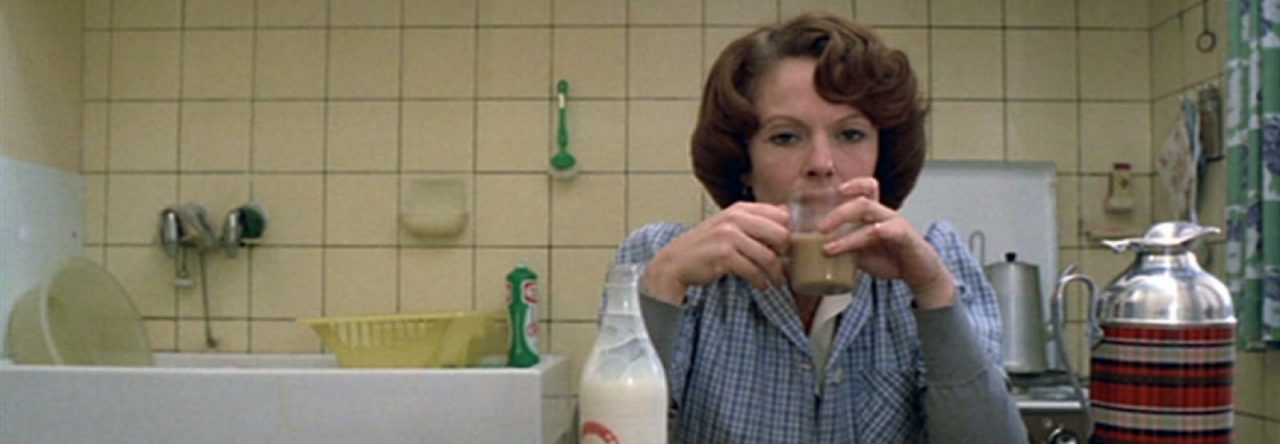
Alice in the Cities is the first film in Wim Wenders The Road Trilogy and is one of the best films I’ve ever seen. That may be slightly hyperbolic, but not by much. I just have a thing for movies about miserable people making their way through the world and maybe becoming a little less miserable. Philip (Rüdiger Vogler) is the miserable protagonist for this film, and it’s when he is saddled with Alice (Yella Rottländer) that he’s given an opportunity to improve.

Alice in the Cities succeeds as a meaningful depiction of this type by its ability to sulk in silence. Philip’s melancholy leaves him sullen in contrast to Alice’s bubblier persona. This means that frequently the film will linger with Philip with no dialogue spoken. Just a static shot of his face with the passing background speaks volumes about his mindset and the human condition. Alice’s young joy act not just as a catalyst for Philip’s change, but as a glimpse into the eye of a child attempting to live in a world that adults only make difficult for them. These contrasting viewpoints work as perfect foil for each other and lend the film depth and complexity. It’s just a perfect film.


Finally for the night, I once again ventured into the Oscar short lists and grabbed another short form documentary from the list to watch in prep of the eventual Oscar nominations

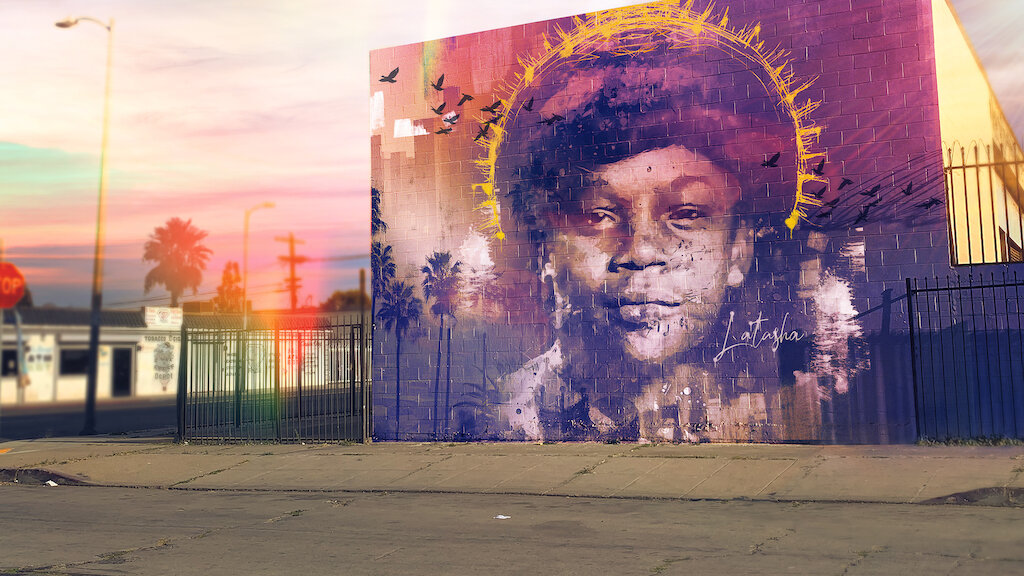
A Love Song for Latasha (2020, Dir. Sophia Nahil Allison)

A Love Song for Latasha | Netflix Official Site

The documentary shorts continue to be some of the most difficult films to talk about. There tends to not be much artistically unique about any of them, but A Love Song for Latasha does stand out in one way. Throughout the runtime, director and editor Sophia Nahil Allison plays with various camera distortions. This distortion comes to a climax with the documentary’s narrative. When the subject matter becomes to dark to imagine, the camera breaks and no longer attempts to recreate what is being discussed. It’s too painful to even comprehend.

A 2021 Film Journey: Day 57

Do you ever decide you need to take a quick nap, so you set an alarm for 40 minutes and then next thing you know four hours have gone by? Well anyway, it’s almost midnight and I’ve only watched one film, so despite my best effort tonight is going to be another short entry. Thankfully tomorrow is the weekend and I have no work obligations, so expect a longer post tomorrow.

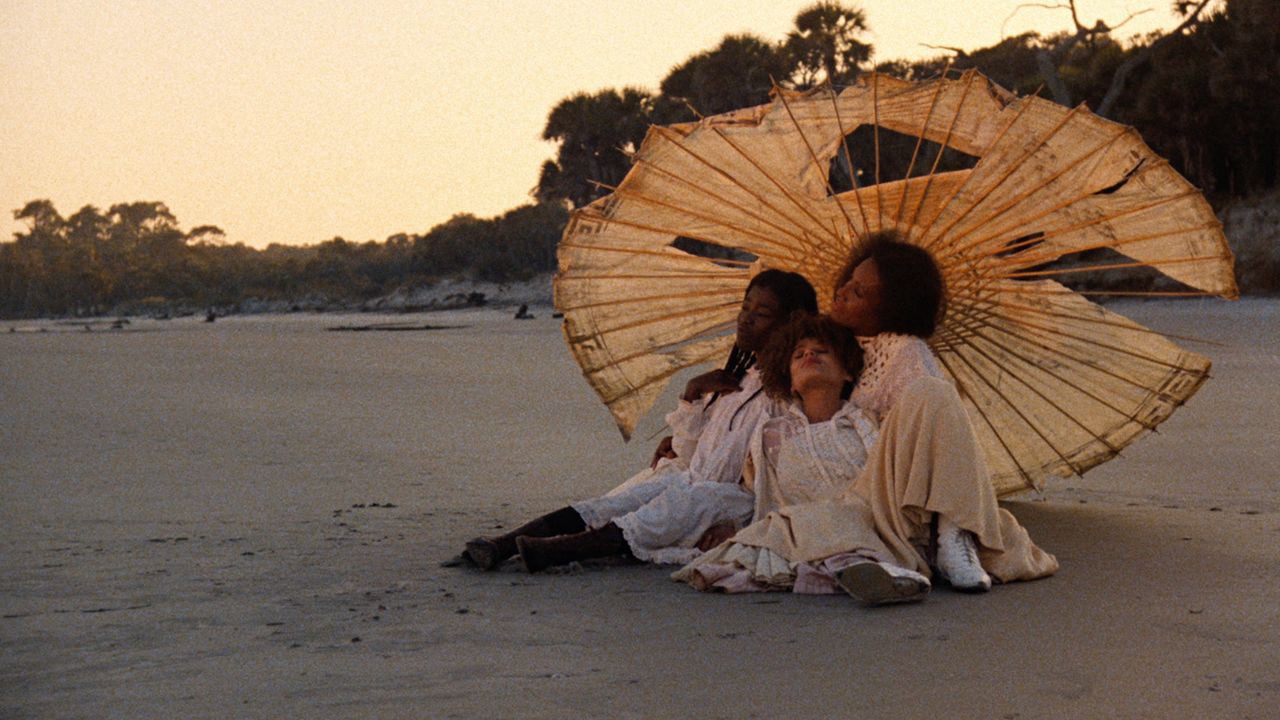
Daughters of the Dust (1991, Dir. Julie Dash)

I Am the First and the Last”: Julie Dash's DAUGHTERS OF THE DUST | by Bryn  Mawr Film Institute | Medium

I worry a little that my brain only being half awake for this film may have hampered some of my enjoyment of the film. Make no mistake, I both liked this film and think it was quite good, but there were some parts that left me a little confused. Much of that is likely due to the scope of the film. It follows many different characters, some of whose plot points are only tangentially related. That combined with the thick creole accent throughout was a lot to ask of my exhausted brain tonight.

While my exhaustion may have gotten prevented me from appreciating Daughters of the Dust as much as I could, I still enjoyed it plenty despite my tired stupor. What stands out the most is the striking beauty of the film. The film has a warm hue that makes each character pop when on screen. The women’s primarily white clothing pops throughout even when the characters are covered in dirt from the work they do on the island. From a thematic standpoint, I really appreciated what director Julie Dash managed to do with the concept of family. Yellow Mary (Barbarao) has been outcast by her family, but she still feels a connection to them. Conversely, the matriarch Nana (Cora Lee Day) is well loved, but prepares to say goodbye to her family as they all leave her behind on the island where they all lived. Every interaction in the film comes back to the family dynamic and how nothing is straightforward or easy.

A 2021 Film Journey: Day 56

Only one movie again today, but that’s partially because I’m working my way through a mini-series that I hope to finish in the next day or two at the same time. While yesterday’s viewings were as old of pictures as possible given this month’s theme, I decided to jump back to the present day today by watching the first feature of one of today’s greatest auteurs.

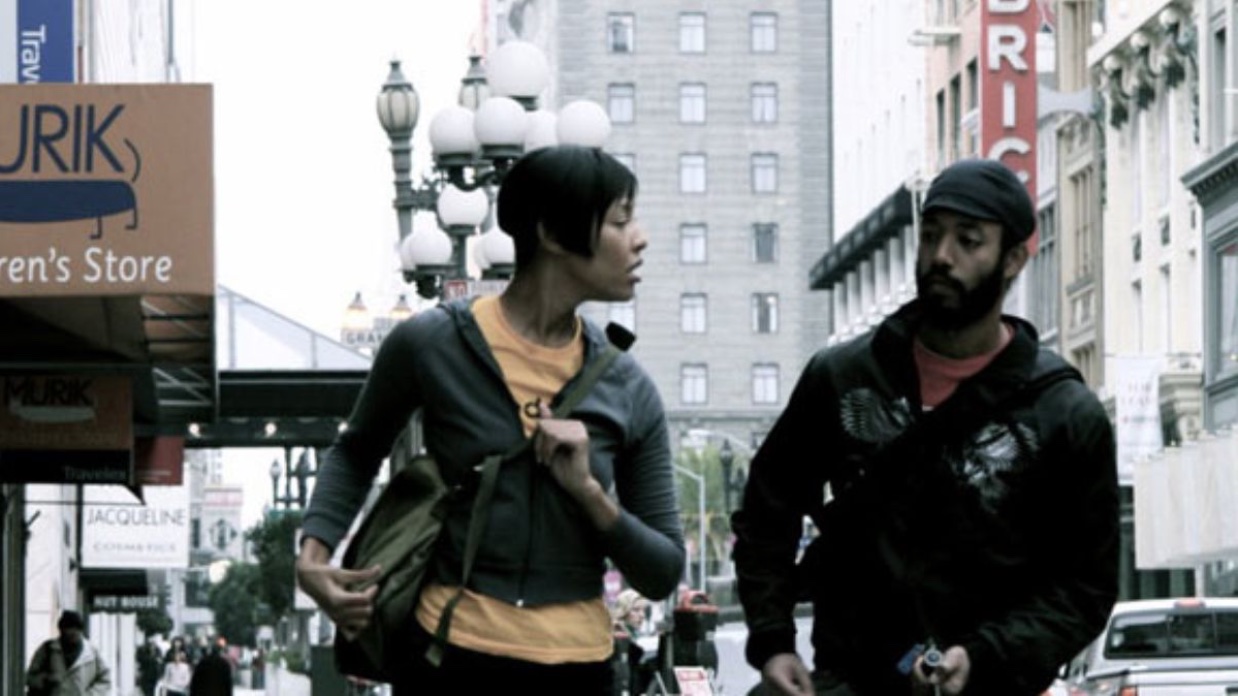
Medicine for Melancholy (2008, Dir. Barry Jenkins)

I Was at a Point in My Life When I Needed to Take a Risk”: Barry Jenkins on  his Debut Feature, Medicine for Melancholy | Filmmaker Magazine

I’m not sure what the origin of the two strangers walking and talking film is, I tend to associate it with Richard Linklater’s Before Sunrise (1995), but no mater who makes the film, I’m always interested in watching them. Good or bad, there’s just something in that style of filmmaking that engrosses me. I’ve always cared for characters and moods more than plot, so the well-trod formula connects with me every time, so a Barry Jenkins, mumblecore-esque two-strangers-walking-and-talking-film was more or less guaranteed to be a hit with me.

All that is to say that It’s no surprise that I enjoyed Medicine for Melancholy, but I acknowledge that much of that is because of my predisposition to the genre. Jenkins attempts to build upon the tried-and-true formula by giving his characters something deeper to ponder while walking, the consequences of gentrification in San Francisco. While that topic is worth discussing, the overt ways that Micah (Wyatt Cenac) and Jo’ (Tracey Heggins) interact on the subject takes away from what makes these movies great, personal moments between characters.

 While that slight variation on the genre didn’t especially work for me, Jenkins still delivered on what this type of film succeeds at. The two leads have wonderful chemistry even if they come from different world, and their conversations are fun and insightful. The highs and the lows of the two’s 24 hours together are felt strongly through the performances and the direction, and the ending avoids the twee cliché that can frequently plague these films. Altogether Medicine for Melancholy is a wonderful first feature.

A 2021 Film Journey: Day 55

Today was the first day in quite a bit that I’ve felt that work was a little more under control. This has meant that while it has been a struggle to even fit one movie in some workdays, today I snuck in two without feeling overly pinched on time, albeit two shorter ones. While so far this month, my Black directed films have all been in within the last 50 years, the Pioneers of African-American Cinema box set from Kino Lorber that I order came in, so today’s films come from another 50 years back.

Within Our Gates (1920, Dir. Oscar Micheaux)

A Rich Tapestry of Black Experience: Close-Up on Oscar Micheaux's "Within  Our Gates" on Notebook | MUBI

If I’m going back in time to watch some early Black cinema, it only makes sense to start with the earliest, existing (Micheaux’s film The Homesteader was made a year prior but is now a lost film) feature film directed by a Black filmmaker. Important to note, that the film wasn’t just created by a Black man and staring a primarily Black cast, but also a decidedly Black story. That’s a bold decision for 1920 but one that treats the film well.

The film is headlined by Evelyn Preer, and it’s no wonder that she was considered one of the premier Black performers of the day. Her persona radiates throughout the picture so much that even through the silent medium her voice is always felt. This singular performance is amplified by a scripting decision that’s slightly less entertaining. The last 20 minutes of the film are an awkwardly placed flashback to Sylvia’s (Preer’s character) tragic backstory. The flashback could have worked earlier in the film, but where it is, it robs the movie of its climax. Still for the time, Within Our Gates is a remarkable piece of film history.

Body and Soul (1925, Dir. Oscar Micheaux)

Body and Soul (1925) A Silent Film Review – Movies Silently

After Within Our Gates, I kept the same Blu-ray in and jumped to another Oscar Micheaux film from five years later: Body and Soul. The first thing that stands out when comparing these two films is that the later doesn’t have Evelyn Preer and is for the worse for it. Julia Theresa Russell does a good job as Isabelle but lacks the instant charisma of Preer. In most other ways though, Micheaux makes good use of the five extra years of experience.

Body and Soul is a much more complex narrative than Within Our Gates, but the extra experience has allowed Micheaux to tell his story more clearly. There’s no third act backstory to obfuscate the climax here. Watching both films, I was extremely impressed by Micheaux’s mature filmmaking skills. The films both made extensive use of parallel editing in ways that I wouldn’t expect from anyone in the early 1920s. Both films may be important pieces of film History, but Body and Soul is the film that stands out.

A 2021 Film Journey: Day 54

Today was another rough one at work, but on the bright side the major project I’ve been breaking my back to get done has been kicked off and I should be done with long days for a bit at least. So while today is going to be another short entry about a single film, I have hope that soon I’ll be back into a more consistent multiple film watching routine.

Ganja & Hess (1973, Dir. Bill Gunn)

What's on TV Sunday: 'Ganja & Hess' and 'Outcry' - The New York Times

The 70s have proven to be a surprisingly fruitful decade for films by Black directors. Granted, most of them were created outside of the studio system, but it’s still been a fun batch to visit even if the money hasn’t always been there. Watching tonight’s film, Ganja & Hess, I can feel the budget constraints, but the film makes up for that by leaning into a more experimental tone to a vampire horror film.

What stood out the most about the film is much of the imagery. The film makes liberal usage of Christian iconography to play on the traditional motif of vampires being averse to a cross. While the vampires in Ganja & Hess don’t burn at the site of these religious objects, the film also uses the imagery of a noose in multiple locations as a more relevant symbol of pain for the Black characters. Gunn relies heavily on vampirism as a metaphor for Blackness. It represents something about Ganja (Marlene Clark) and Hess (Duane Jones) that they can’t control or escape, and others judge them for.

A 2021 Film Journey: Day 53

I swear that weekend was actually only one day not two. How is it possible that it’s Monday again? Complaining aside, Monday means I’m back to working all day so movie watching is going to be limited. That’s especially true today and tomorrow as we attempt to go live with a large project. I once again found myself not logging off until around 9pm, so today’s going to be another quick entry.

MLK/FBI (2020, Dir. Sam Pollard)

MLK/FBI (2020) - Rotten Tomatoes

Tonight’s viewing was one that I wanted to watch last month for MLK day, but Black History Month seems just as appropriate. MLK/FBI is a documentary comprise entirely of archival footage of Martin Luther King and J. Edgar Hoover with expert voice over. The film goes into the devious plot of Hoover’s FBI to expose King as a liar, a communist sympathizer, and an adulterer throughout the last decade of the civil rights leader’s life.

Evaluating the film, it’s always difficult to separate the subject from the film when watching documentaries. For 100 minutes, my attention was fully captured as director Sam Pollard filled in significant details of an aspect of MLK’s life that I only knew broad strokes about. The tension between conservative G-men and the Black leaders creates for an entertaining story, but does it make for a good documentary? If I’m being honest, while my ears were always engaged, there were definitely times where my eyes lingered away from the screen. The archival footage has its charm, but especially as some of the clips repeated, I felt like I could’ve just as easily been listening to a podcast. It leads me to an interesting conclusion where I feel like I full-heartedly recommend watching the film even if I don’t think it makes the best of its medium.

A 2021 Film Journey: Day 52

I can’t seem to get healthy these days. Only one movie today, and I’m honestly surprised I even managed to get through that. I can’t seem to get over my exhaustion and once again find myself with a fever barely able to get out of bed. Sorry this one is going to be quick, but at least yesterday’s post was a longer one to make up for it.

Buck and the Preacher (1972, Dir. Sidney Poitier)

Image result for buck and the preacher

I honestly had no idea before today that Sidney Poitier ever directed, but it turns out that not only has he, Buck and the Preacher is the first of his nine features, the first five of which he also starred. While as an actor, Poitier was exceptional, in his first outing in the director’s chair, he ended up producing a rather by the numbers western film, albeit one with a much Blacker cast than most.

Poitier plays Buck a wagon master who makes a living guiding free slaves through the frontier to a better life in the west. After the group he’s in charge with is robbed by a white town who need the former slaves to work for cheap labor, Buck joins a con-man preacher (Harry Belafonte) to exact revenge on the attackers and take back the group’s seed money. While the story is fine, it’s also unremarkable. Every beat is predictable and would fit well into a weekly western lineup. Likely the only reason the film has stayed relevant through the years is the novelty of a western telling a Black story and the acting pedigree of the director.