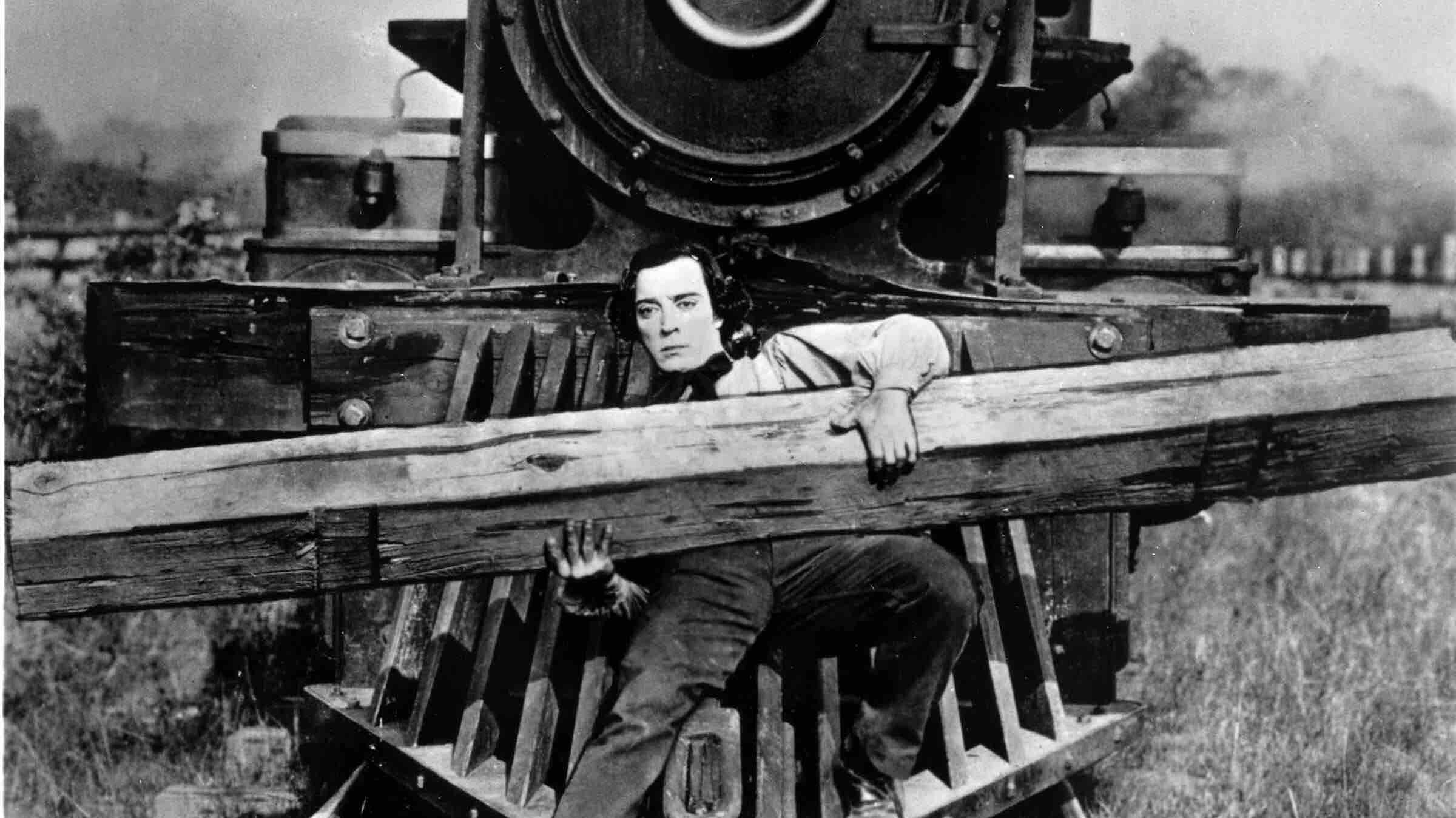
A 2021 Film Journey: Day 15

I’m a simple cinephile, if Criterion put’s their name behind something I’m likely going to give it a shot. So today I decided to dive headfirst into the Afrofuturism collection on the Criterion Channel. With no prior knowledge of any of the films, I let my friend who graciously agreed to watch with me to pick what sounded good based on title and thumbnail. We ended up watching…

Welcome II the Terrordome (1995, Dir. Ngozi Onwurah)

BAM | Welcome II The Terrordome + Short

This movie was a hell of a ride. The film was filled to the brim with odd decision after odd decision, yet it all worked as a whole. The awkward instances of voiceover shouldn’t work, but they do. The whiplash inducing tonal shifts from dystopian schlock to exploitative violence shouldn’t work, but they do. I think what holds the film together, and the reason it feels especially pertinent despite its age is its message.  The film is unabashedly a BLM work despite being created 18 years before movement gained that name, and cumulates with an impassioned monologue spoken over a memorial for a young Black child killed because he was Black.

To compliment this feature, I also watched a few shorts from the same collection.

The Golden Chain (2016, Dir. Adebukola Dodunrin and Ezra Claytan Daniels)

Golden Chain — Adebukola Buki Bodunrin

A completely surreal bit of animation. The science fiction is dense while still being rooted in mythology. The short is striking in its unique use of the animated medium mixing techniques. I’m not all together sure that got the deeper meaning of the film, but it was a beautiful set of images to let wash over me.

T (2019, Dir. Keisha Rae Witherspoon)

Go Down, Death: On Keisha Rae Witherspoon's T - Burnaway

This 14-minute short deeply resonated with me. An exploration of grief through art in honor of those who would appreciate it. T shows an extremely mature understanding of filmmaking from the relative newcomer. The faux documentary style resonates as emotionally highlighted by Koko Zauditu-Selassie as Dimples. This grief is perfectly contrasted with love and joy exhibited by the pieces of art that sick in memory long after the run time.

1968 < 2018 > 2068 (2018, Dir. Keisha Rae Witherspoon)

After how much I loved T, I decided to watch the only other film Keisha Rae Witherspoon, the short 1968 < 2018 > 2068. And uh, I didn’t get it. It felt a little too much like a student film, but I’m not going to let that get in the way of my love for her follow-up.

A 2021 Film Journey: Day 14

Something that I wasn’t overly clear on when I started this two weeks ago (and if I’m being honest, that’s because I didn’t know how I wanted to treat it then anyway) is that the movies I’m talking about, and that I’m forcing myself to watch at least one of a day, are movies that are completely new to me or that I haven’t watched since I started tracking my movies at the end of 2011. All of this is to say that in addition to the movies I’ve talked about, I’ve also re-watched the John Wick trilogy with a friend. With those films on my mind, it finally seemed time to break into the Criterion John Woo films that I picked up a while ago.

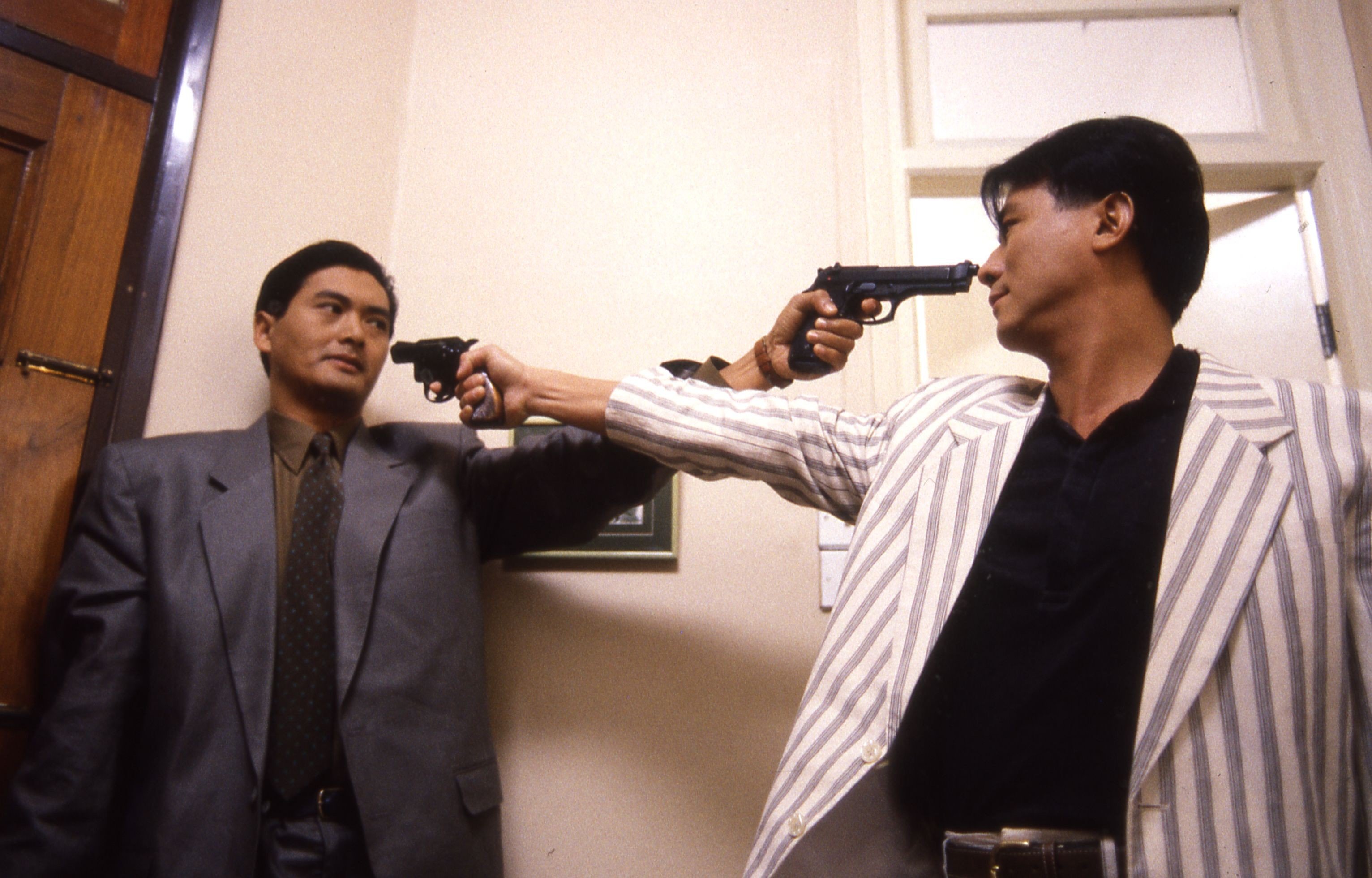
The Killer (1989, Dir. John Woo)

Hyperviolent and homoerotic, John Woo's gangster masterpiece The Killer is  as powerful today as in 1989 | South China Morning Post

Watching so many action flics in so short a time is extremely out of character for me. I only forced my way through the Marvel and Star Wars films out of a sense of obligation. I wanted to know what the average movie goer was talking about, but with rare exception they were just noise to me. All that said, I do still go out of my way to watch some action films, especially those that are highly regarded because a great action film is akin to a dance film in my eyes. The plot may be largely disposable, but brilliant choreography is still a sight to behold.

While the specific choreography in Woo’s The Killer may look a little less tight than films 25 years it’s junior, there’s no denying the film’s modern sensibilities. Condensing the action into heightened set pieces with unending arsenals and guns flying in addition to just bullets becomes a form of poetry. Even the doves that Woo is oft made fun of for I’d argue serve the set pieces. No other part of this film’s action is grounded, and the doves are just another form of reveling in the grandiose.

As much fun as this trip into action films has been, It’s definitely something that wears out is welcome easily for me, so It will be back to a string of dramas for me for a while. That said, I wouldn’t be surprised to see John Woo in another one of these entries before the year is up.

A 2021 Film Journey: Day 13

Like I mentioned yesterday, I’m calling 2020 movie catchup officially over for the time being. I feel comfortable enough with the body of work I watched, and I’ve started the long process of putting together my year end list. Once the Oscar nominations come out, I’ll jump back in to the 2020 back log, but for now it’s time to fill in some older blind spots.

Faces (1968, Dir. John Cassavetes)

Faces (1968)

Cassavetes is a huge blind spot for me. His films have been on my list for years at this point, but it took Jessie Buckley quoting Pauline Kael on Woman Under the Influence (1974) in I’m Thinking of Ending Things (2020 Dir. Charlie Kaufman) to move the American filmmaker to the top of the list. Instead of diving directly into the afore mentioned film, I chose to start with Faces. Just a personal preference of mine to start earlier in a director’s oeuvre so I can watch themes develop as I movie forward.

My initial thoughts upon watching Faces, is that I understand where the early works of Joe Swanberg and Andrew Bujalski are coming from much better now. I’m sure many film purists would decry the comparison, but it’s clear that the mumblecore movement of the aughts took inspiration from this film.  Cassavetes’s characters may be close to middle aged in contrast with the fresh out of college adults in the mumblecore films, but the sense of ennui in the characters is unmistakably the same.

While Faces technically has plot, albeit a short one, the film stretches that lose framework to a rather lengthy 130-minute runtime. It does that by allowing each scene to play out to an uncomfortable length. Parties all cross the threshold from a good time being had by all to it being clear that everyone has overstayed their welcome in seemingly real time. Each character becomes more and more desperate as each scene plays on. Whatever vice starts as a diversion from internal despair can never change the miserable people they are. The main couple end the film smoking cigarettes on the stairs, forced to accept their current reality.

A 2021 Film Journey: Day 12

Fun aside, if you’ve been routinely following my posts these two weeks you may have noticed a slight change today. I took the plunge and bought the domain, so as of today there’s no longer a .wordpress as part of the URL. Anyway, after yesterday’s much needed viewing diversion, I’m back to watching a 2020 film, but after today I’m artificially cutting it off. Tomorrow I’ll start working on my year end list with the hopes of getting it published by week’s end.

Driveways (2020, Dir. Andrew Ahn)

Film Review: Driveways (NZIFF 2020) | The 13th Floor

The last film I decided to watch before finalizing my list was one that wasn’t even on my radar 2 days ago, but critic who’s opinion I respect a lot, Marya Gates, listed it as her favorite film of the year so I had to check it out. I’m really glad that I watched this movie. It’s a small and quite film that I likely would have never known about had it not been for this endorsement. Small personal pieces like this are too often forgotten if an A24 or Annapurna or the like don’t pick it up. While it won’t top my year end list, it will be in definite contention to make the list.

The film itself is slight yet personal. Kathy (Hong Chau) is a single mother. She and her son Cody (Lucas Jaye) are traveling to clean out Kathy’s deceased, hoarder sister’s house. While there, the pair befriend the Korean War vet Del (Brian Dennehy) who lives next door. And that’s what I mean when I say slight. Director Andrew Ahn understands that the film doesn’t need to be aggressively packed with drama. Merely reflecting life is more than enough.

The mother son dynamic between the two leads is what allows the film to work as beautifully as it does. Initially, the relationship between the two is coded in a somewhat negative light. He is on a tablet constantly while she works with her headphones on (she’s a medical transcriptionist so they are required by her work). It quickly becomes clear that their actual relationship is anything but contentious; they are just stuck in a rough situation. The two actors have wonderful chemistry together perfectly playing the mother/son combo who are also best friends. Their time shared on screen is so precise that it allows the otherwise minor film to reach for greatness.

A 2021 Film Journey: Day 11

I still have a handful of 2020 films I want to watch, and I was planning on watching at least one today, but sometimes life changes plans for you. Much of my afternoon instead of watching a new movie, was spent huddled away from screens with a severe panic attack. After a couple hours of crying, I needed a film that would feel more like a hug than anything else.

The Gleaners and I (2000, Dir. Agnès Varda)

SPOTLIGHT: Agnès Varda: The Gleaners and I

Settled on the couch with a bunch of blankets and two cats covering me, though ironically not my cat Varda named for the director, I turned on the largest blind spot I have from one of my all-time favorite directors The Gleaners and I. I have infinite I could say about Agnès Varda, and I’m sure that I will say quite a lot over this year (her complete works is the blu-ray box set I was alluding to in yesterday’s post).

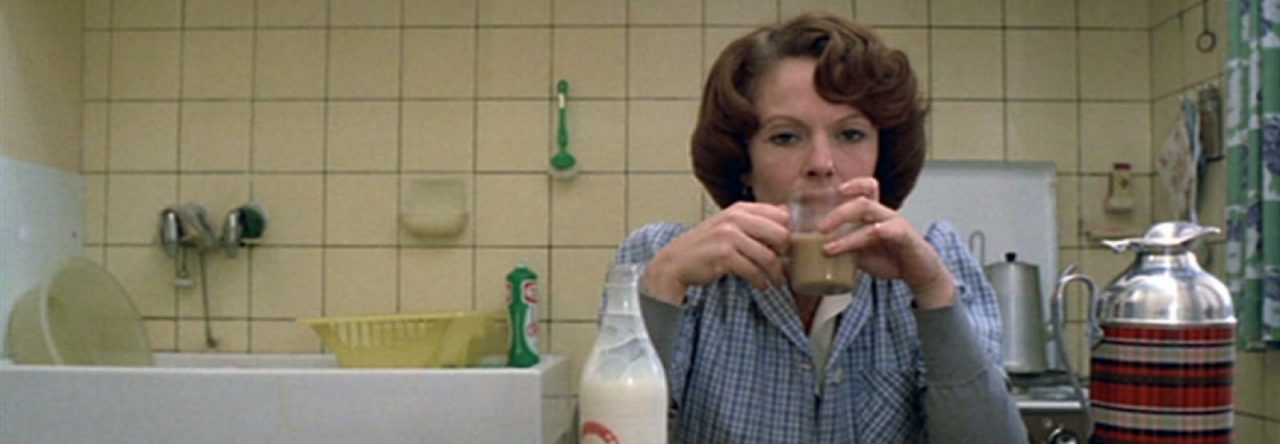
For today between the residuals of the panic attack, and in service of having more to say when I watch future Varda films, I want to just touch on what she does that makes her arguable the greatest documentary filmmaker of all time. When she picks a topic on which to make a film, she doesn’t just tell the story of the topic. Instead, she tells the story of her learning about the topic. By injecting herself into the topic, she prevents a story on food waste from becoming dry or preachy. Her personality and love for other humans is capable of elevating anything. It’s just such a joy to have her behind the camera.

A 2021 Film Journey: Day 10

Today is a continuation of frantically watching the 2020 films I missed during the lost year in hopes of putting a year end list out soon, but on the bright side, I’m getting close to the end of my list. Don’t get me wrong, most of the movies I’ve been watching are good to excellent, but variety is the spice of life and I especially can’t wait to dive into a criterion box set I picked up around the holidays (going to build the suspense on what it is for now). For now though, here are the films still on my list.

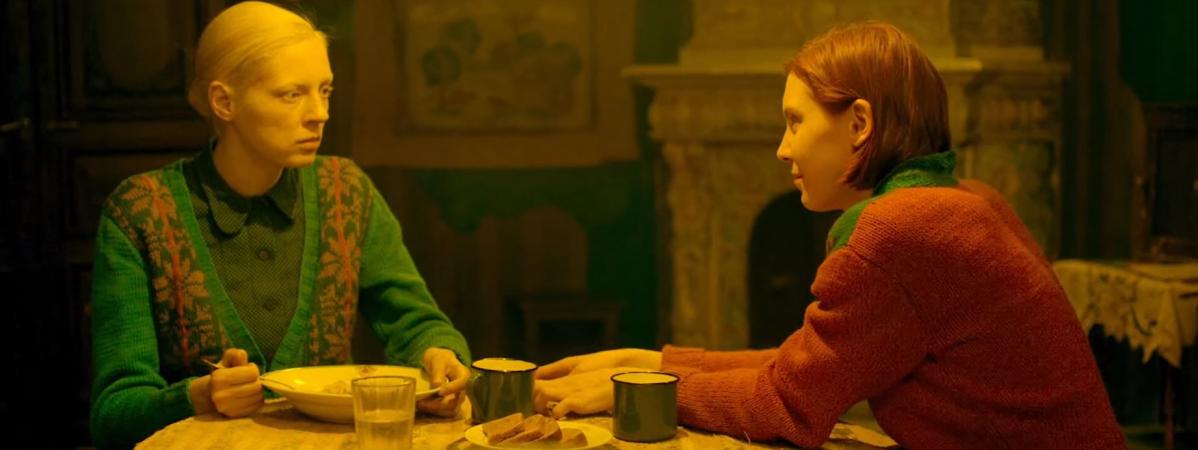
Beanpole (2020, Dir. Kantemir Balagovb)

Review | Beanpole - The Santa Barbara Independent

Something that I’ve always loved about Russian films is how they are able to utilize the cold, harsh climate as a driving force against and contrast to livid characters. While not focusing so much on the treacherous weather as a foil, Beanpole instead uses the backdrop of post war Leningrad to emphasize the hardships of its characters. The two first time actors Viktoria Miroshnichenko as Iya and Vasilisa Perelygina as Masha are perfect fits for the film. They beautifully manage to balance the desperation that their situation warrants with the wants and needs that keep the two of them fighting. Miroshnichenko in particular expresses so much through her non-verbal communication allowing moments of uncomfortableness to linger uninterrupted.

I want to call special attention to the combination of costuming, set direction, and lighting that make Beanpole stand out. Costumes and sets rely heavily on reds and greens. This when combined with the heavily yellow tinted lighting, causing the illusion of everything being light by firelight lit, creates some of the most gorgeous shades of green and warmest reds in the women’s clothes and home. These beautiful hues contrast with the well-worn and dilapidated qualities of the clothing and wallpaper to emphasis the women’s attempts to make the best that they can with the awful situation upon which they’ve been thrust.

As Beanpole was well over two hours, I only watched one more film today, but it was the biggest one on my list.

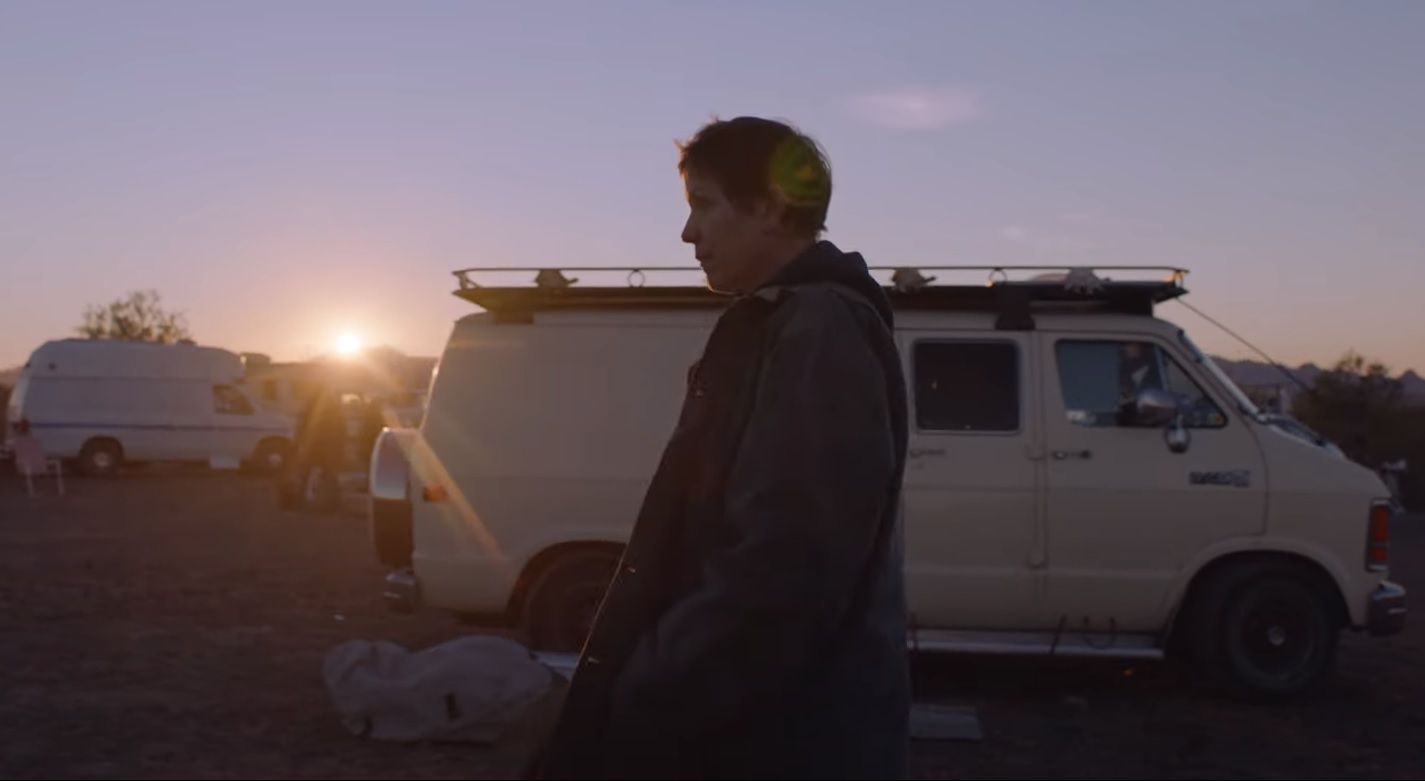
Nomadland (2020, Dir. Chloé Zhao)

TIFF 2020: 'Nomadland' Review – 812filmReviews

I swear I’m someone capable of my own thoughts, but sometimes the consensus is just right, and Nomadland the National Association of Film Critics best picture of 2020 is just that. Frances McDormand gives a career best performance and seems likely to join the elite class of actors with three or more Oscars. I have so much that I want to say about Nomadland, that instead of putting much down here, I want to give it a re-watch and take my time on something longer. What matters is that Chloé Zhao created a perfect film, and watching it was the perfect end to my weekend.

A 2021 Film Journey: Day 9

After a long week, both because of the news and work, I needed today to be a relaxing one. I can’t think of a better way to relax than a movie marathon, so short introduction today while I jump into the movies I watched.

David Byrne’s American Utopia (2020, Dir. Spike Lee)

American Utopia Tickets | New York | TodayTix

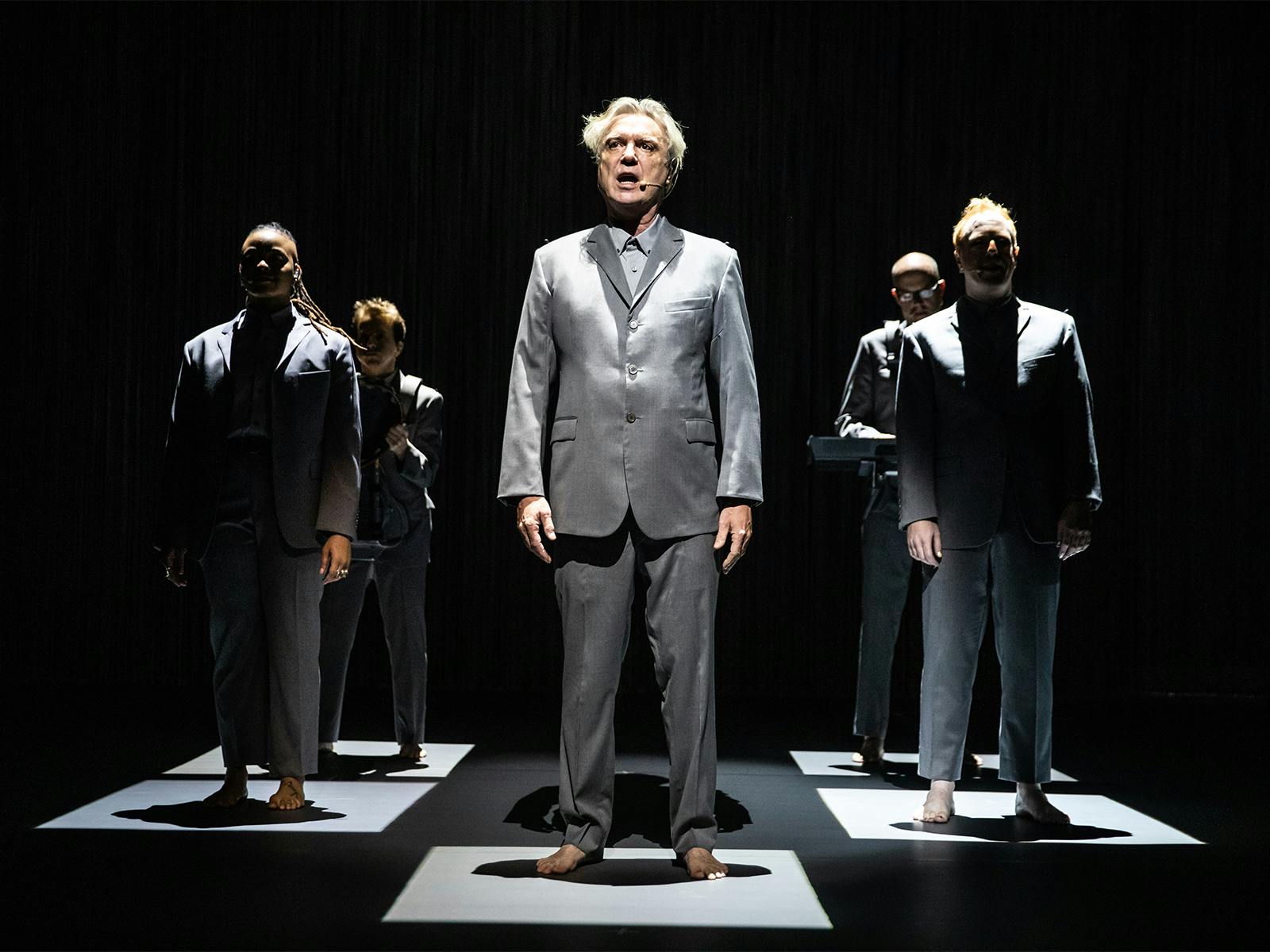
I don’t think I’m being especially controversial when I say that Stop Making Sense (1984, Dir. Jonathan Demme) is the greatest concert film of all time. All this is to say that Spike Lee had a lot to live up to when making a new concert film with Talking Heads’s front man David Byrne. Byrne at 68 is no longer the young man he was in the 80s, but he has learned how to work with that. Instead of capturing a concert, American Utopia is closer to a recorded theater performance. While still mostly music focused, this distinct change allows the film focus more on a narrative and helps differentiate the film from the classic.

15 minutes in the band starts playing the instrumentals for ‘This Must Be the Place’ to the crowd’s excitement, and when Byrne starts singing the audience is instantly transported back to Stop Making Sense performance. 36 years later Byrne is still one of the most enigmatic musical artists, and his unique vision permeates the performance. Throughout the performance, Byrne sprinkles in talking heads classis as though he is conscious of the masterpiece people expect from the now solo Byrne. While these moments do feel like an attempt to regain the glory of the earlier film, they also serve the current film’s goal of creating a perfectly joyous musical experience. While it may not be the greatest concert film of all time, Spike Lee and David Byrne make a film that can stand by Byrne’s earlier masterpiece without any reservations.

After one Spike Lee Joint, it only made sense that my next movie be the other 2020 Spike Lee Joint on my list.

Da 5 Bloods (2020, Dir. Spike Lee)

Spike Lee's Da 5 Bloods is a hard watch, but an easy Netflix recommendation  | Ars Technica

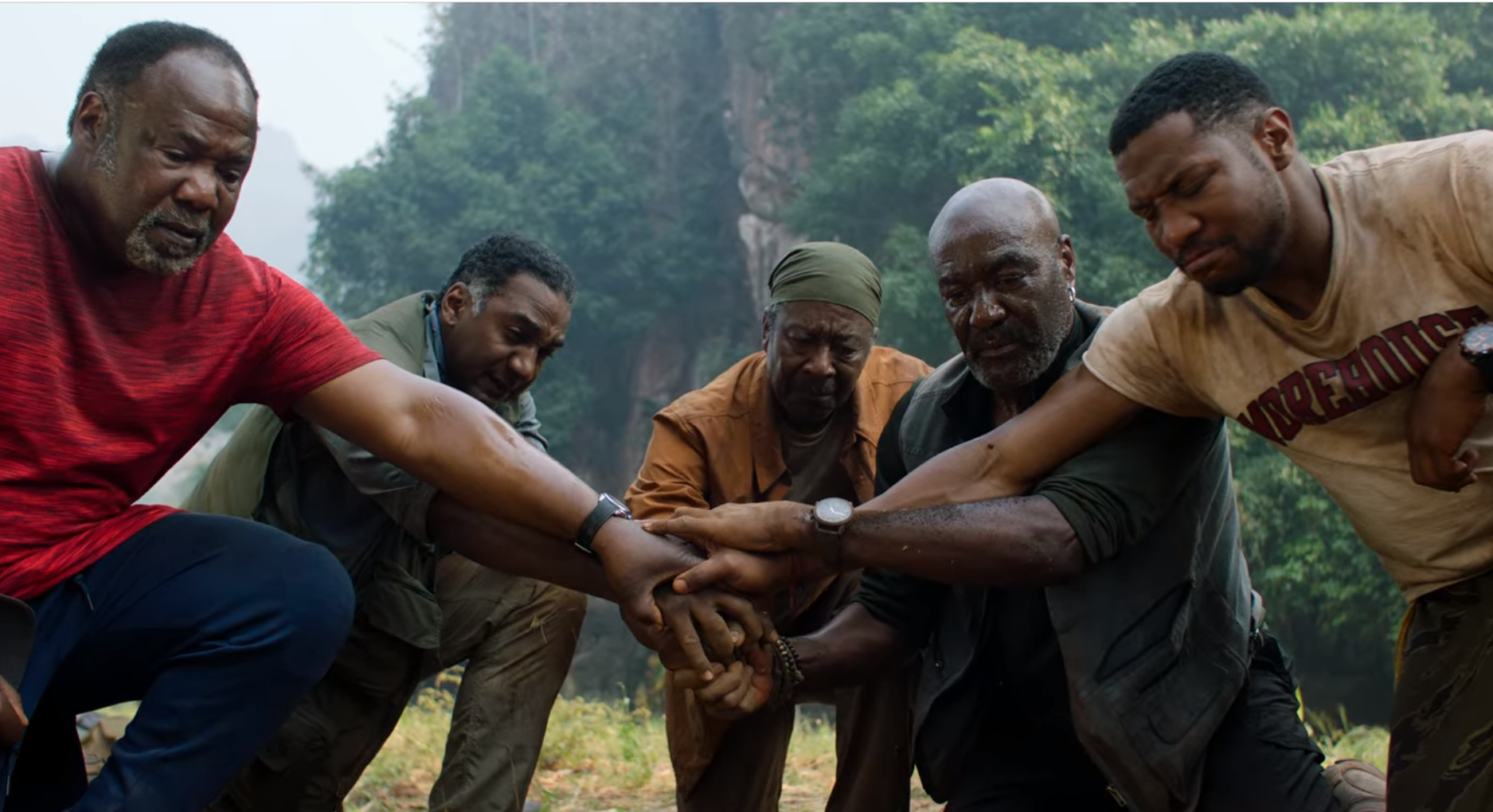
Same director, same year, very different mood. A dark look at the tortures of war and the US government, Da 5 Bloods depicts those horrors through the journey of four black Vietnam War veterans returning to the country years later to find the body of their friend and millions of dollars of gold they left buried. I loved the first half of this movie. Each man had to reconcile the Vietnam of today with that of the 60s, and conversely realize how little their home country changed, with Tr*mp being essentially the same leader as Nixon.

Then at the halfway point, the movie turned into a Treasure of the Sierra Madre (1948, Dir. John Huston) knockoff and it lost me. And when I say it turned into a knockoff, I mean he literally had a character show up and say “We don’t need no stinking badges” type of knockoff. Certainly, a fine movie still, but one that lost its message halfway through.

After the two Spike Lee films, I finished my day’s viewings off with something completely different.

The Other Lamb (2020, Dir. Malgorzata Szumowska)

The Other Lamb movie review & film summary (2020) | Roger Ebert

Another slow burn horror film as has been a staple of my first week of 2021, Polish director Malgorzata Szumowska’s film The Other Lamb stands in a stark contrast to the more flamboyant films I began my day with. With very sparse dialogue, the film relies primarily on stark imagery, much of it extremely graphic, to tell its story. Rare is a movie so precise with its actions and tone that it left me feeling the harsh weather on screen. I twice had to pause the film to put on more layers because of the sympathy chills. A starkly beautiful, yet unpleasant viewing experience, The Other Lamb is a film I would consider purely cinematic in so much as no other medium could capture the film’s essence.

A 2021 Film Journey: Day 8

I was originally going to power my way through two or three movies today. There’s a surprising number of 2020 horror films left on my list and was going to turn it into a marathon like I did for day three. Between an unusually busy workday, and some outright exhaustion from the intensity of the week, I ended up only making it through one movie today.

The Lodge (2020, Dir. Veronika Franz and Severin Fiala)

The Lodge' Review: - Variety

Midway through the film, The Lodge breaks one of the cardinal sins of film making: never show footage of a better movie in your film. Snowed in at the titular lodge, Grace (Riley Keough) is watching The Thing (1982, Dir John Carpenter) with Aiden (Jaeden Martell) and Mia (Lia McHugh) the children of her fiancé. On the surface, this decision feels especially egregious; showing one of the most iconic “trapped in a snowy hell” films only begs comparison to your own “trapped in a snowy hell” film.

And yet, the comparison to the horror classic enhances the film by causing a false idea of the narrative. Forgive me because I’m going to spoil the heck out of this movie. Unlike The Thing’s supernatural element, there is nothing special going on in the world of The Lodge. It’s just two children acting like brats gaslighting a woman because they are children. Grace has known nothing but torture her entire life, and when these two reactive the trauma from her childhood in a cult, they create a monster grounded entirely in the evils of man.

A 2021 Film Journey: Day 7

I made it a week. Even being glued to cable TV for a super important runoff election and for a literal insurrection couldn’t stop me. I will admit, that when I say I didn’t let those things stop me, I mean that only in the most literal sense. 2021 is taking after 2020 in that everything is exhaustingly long. This post is coming out rather late because instead of watching a movie right after work, I needed to take a cortisol induced nap. All that’s to say, tonight’s movie may have ended up on docket because of it’s rather short runtime.

The Vast of Night (2020, Dir. Carlo Mirabella-Davis)

The Vast of Night movie review (2020) | Roger Ebert

The Vast of Night is a poster child for movies that are worse than the some of their parts. I know that makes it sound like I didn’t care for the film, but that’s not the case. The movie had some absolute bangers of bangers of parts, but all-in-all I think it was merely very good.

The obvious standout of the film was the opening act. Filled to the brim with flashy camera work and exciting dialects, the opening sparks with energy that the film never quite finds again. We’re introduced to our two leads Everett Sloan (Jake Horowitz) and Fay Crocker (Sierra McCormick) as separately both make temporary appearances at the high school basketball game before it begins. After an on the fly introduction via interactions with people we will never meet again, the two leave together to go to their separate part time jobs. The two teens work while seemingly the rest of the town is in attendance that the game they’re missing; the game that’s obviously the most important thing going on that night.


One week in, I’m really glad I gave myself this goal. It’s helped me drastically increase my film watching after my down year last year, yet it’s never felt arduous. Obviously I’m only 1/52 through the challenge, and it’s far more likely that I’ll miss a day than keep this up uninterrupted, but what matters right now is that I’m feeling the happy having taken this on.

A 2021 Film Journey: Day 6

Once again, my country proves itself to be completely unhinged. After a few hours of watching the insurrection on the news, I needed some escapism. I unfortunately still feel beholden to my 2020 film list, I really hope that I’ll put together an end of the year list I’m happy with by mid-January, so given those self-imposed parameters for finding some escapism, I landed on…

Swallow (2020, Dir. Carlo Mirabella-Davis)

Trailer: Carlo Mirabella-Davis's Swallow, With Haley Bennett

Maybe not the type of movie most people would flock to in search of an escape, but it lands in a perfect spot for me. The “woman with psychosis” is an extremely overplayed trope, but when used aptly it can shed light on the patriarchal system in which we live. Swallow does not mince around with its metaphor, Hunter (Haley Bennett) begins swallowing items in protest of her circumstance. Rushed into marriage and pregnancy, she finds that her every decision is being dictated by her husband and his family. Everything else predetermined for her, she finds a modicum of power in her eating disorder. Much like in the real world, when one rebels ever so slightly against the oppressive hierarchy, the ones in charge push back in force less the regressive system lose its grasp. For Hunter, this takes place through unethical doctors and constant surveillance keeping her in check. A wonderfully dark psychodrama with just a pinch of body horror for some spice.

After watching this, I still didn’t want to return to the news, so I joined a group to which I belong’s movie night, and we watched…

A Knight’s Tale (2001, Dir. Brian Helgeland)

A Love Letter to... A Knight's Tale - One Room With A View

I don’t honestly have a lot to say about this one. It was fine, but not the kind of movie I would ever seek out on my own. Heath Ledger was a great actor who we lost too soon, and he was easily the bright spot of this film. And while I was largely ambivalent to the rest of the film outside of Ledger’s performance, instead of harping on what I did or didn’t like, I instead want to mention how wonderful it was to watch a movie with people today. Film is my passion. I would have spent the afternoon watching movies for comfort regardless, but sharing what I love with others, even if not what I would choose to watch, makes the world a little less dark and lonely even on days like today.