Much of my movie viewing this year had been building up to tonight’s Academy Awards. I posted my personal predications and picks earlier this afternoon and then prepared myself for the film industry’s biggest night. The three-and-a-half-hour ceremony took the place of my movie watching for the evening.
The 93rd Academy Awards
Where to begin? I guess first and foremost, I will address the winners. They were fine to good. My Octopus Teacher winning for documentary is my biggest gripe, but all in all the Oscars went to good choices if not what I would consider the best choice. Seeing Chloé Zhao become only the second woman to win best director and be the second woman helmed film to win best picture (both were previously done by Kathryn Bigelow’s The Hurt Locker) was heartwarming. My personal favorite actress Carey Mulligan once again failed to win, but I cannot begrudge the academy for choosing Frances McDormand. If all I did was read the winners the next morning, I would have little to say.
The ceremony itself was a mess. The Academy’s continued decision to go without a host after the Kevin Hart controversy reached its pinnacle this year as the ceremony was completely without guidance. While the bad jokes can get tiresome after some time, surely there must be a middle ground between too many bad jokes and a ceremony that is nothing but presentations. When there was finally a reprieve with a name the tune segment three quarters of the way through the film, it was a welcome reprieve, but one that came much too late.
And then there was the giant unforced error of the final three awards. The producers not knowing the results took a huge gamble and put the acting awards after best picture. They likely did so in the assumption that Chadwick Boseman would win posthumously, and they could end the ceremony on an uplifting moment for him. When that did not happen, the result was the most anticlimactic ending in Oscar history as Anthony Hopkins was neither present nor had a proxy to accept the award for him and the ceremony went unceremoniously to closing credits. Chloé Zhao’s accomplishments winning best picture were overshadowed by the mess that followed, and Hopkins who gave arguably the greatest performance of his life will forever be unjustifiably remembered as the man who stole Chadwick Boseman’s Oscar.
I love the Oscars. For the past few years, I have made it my goal to watch every single film nominated for an Oscar, and this year I finished with weeks to spare. In time for tonight’s ceremony, here are my predictions and my personal picks for this year’s event
Visual Effects
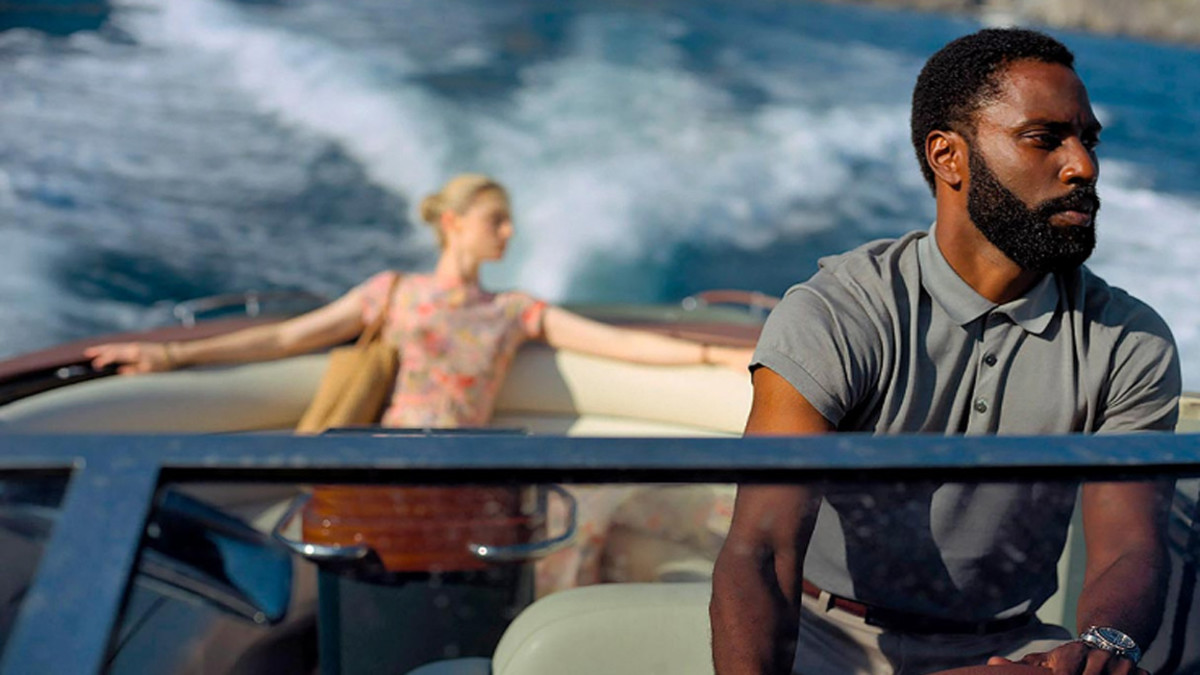
My Prediction: Tenet My Pick: Tenet; Would I pick a non-nominated film? No
Visual effects is likely the category most impacted by the COVID epidemic. With many summer blockbusters being delayed until they can open in theaters, it left Tenet as the presumptive winner.
Costume
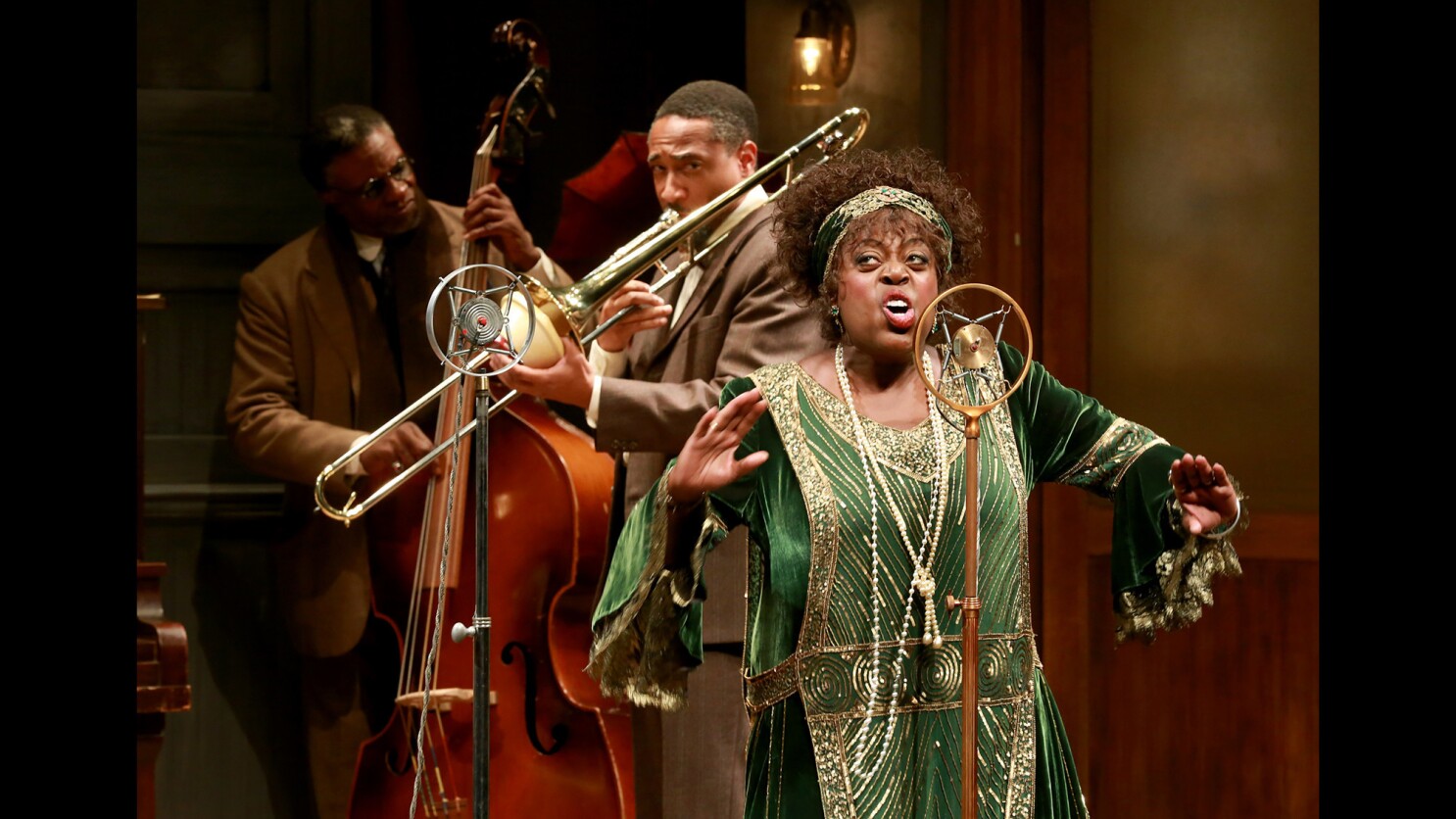
My Prediction: Ma Rainey’s Black Bottom My Pick: Ma Rainey’s Black Bottom; Would I pick a non-nominated film? No
I love the costumes in Emma, but while those are all pristine, what elevates Ma Rainey’s Black Bottom’s costuming is the slight layer of grime that covers them. They help build the world of the session musicians through their purposeful imperfections.
Makeup and Hairstyling
My Prediction: Ma Rainey’s Black Bottom My Pick: Ma Rainey’s Black Bottom; Would I pick a non-nominated film? No
Makeup and Hairstyling should go to Ma Rainey’s Black Bottom for similar reasons as to why costuming should. The craft works in storytelling rather than simply looking great.
Production Design
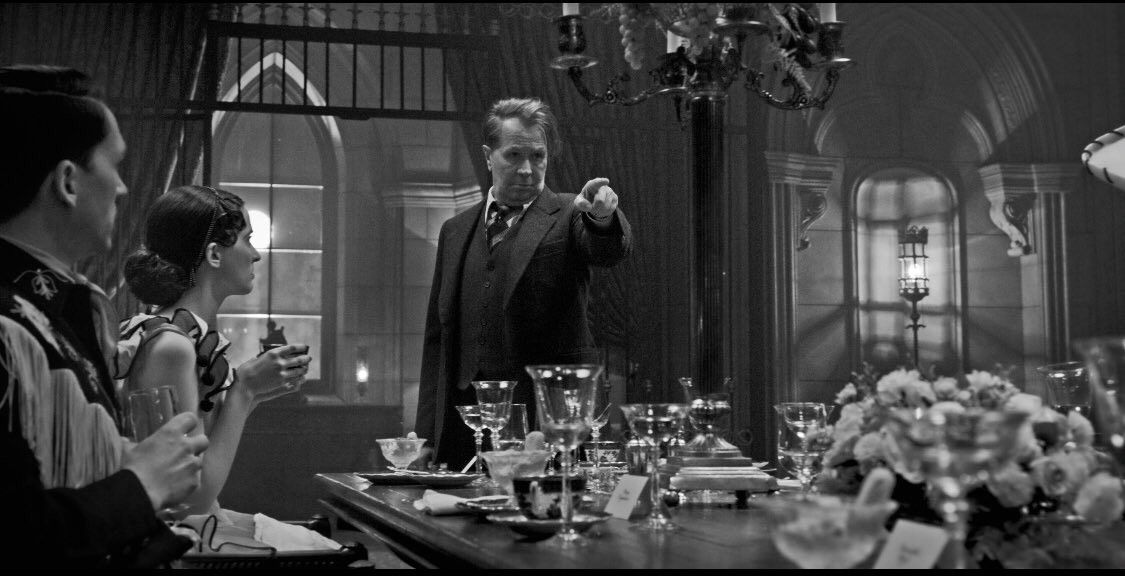
My Prediction: Mank My Pick: Mank; Would I pick a non-nominated film? No
The recreation of classic Hollywood in David Fincher’s Mank is as beautiful as it is meticulous.
Sound
My Prediction: Sound of Metal My Pick: Sound of Metal; Would I pick a non-nominated film? No
New this year is the combining of sound editing and sound mixing, and there is potentially no more obvious a choice in this year’s ceremony than the Sound of Metal for the new category. The way the film intercuts the noise from the camera’s perspective with that of the quickly deafening protagonist is the most interesting sound design of the year.
Original Song
My Prediction: Speak Now (One Night in Miami…) My Pick: Speak Now (One Night in Miami…); Would I pick a non-nominated film? Yes – The 11-minute rendition of Silly Games from Small Axe: Lovers Rock
And now the one category that I always feel the most uncomfortable picking. My passion is in film, not music. Regardless, predicting Leslie Odom Jr. to become an Emmy away from an EGOT seems the obvious choice. My non-nominated choice was not eligible for multiple reasons, but I needed to call out how perfect this rendition of the reggae classic is in context of the film.
Original Score
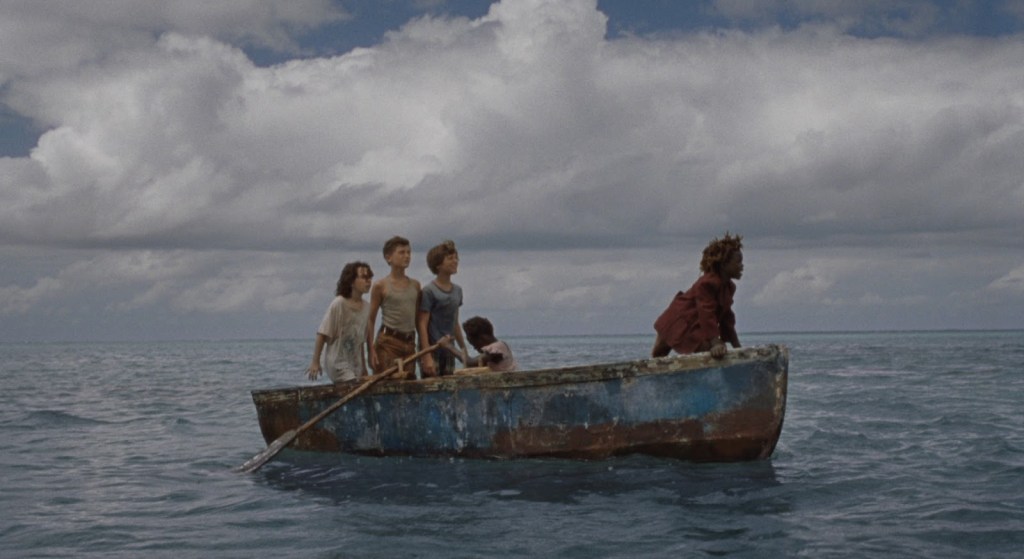
My Prediction: Soul My Pick: Soul; Would I pick a non-nominated film? Yes – Wendy (Dan Romer and Benh Zeitlin)
Soul is going to win this without much competion, so in lieu of talking about that I want to shout out the amazing score to the not as amazing Wendy. Benh Zeitlin again teamed up with Dan Romer to create the score to his follow up to Beasts of the Southern Wild (2012) and the music to Wendy has just as much magic and mystery as the prior score.
Editing
My Prediction: The Trial of the Chicago 7 My Pick: The Father; Would I pick a non-nominated film? No
The Trial of the Chicago 7 will likely walk away with this as its lone Oscar, but all of the editing the film does to intercut different times is done even more masterfully by The Father where the editing is used to blur time and characters to express the impact of dementia.
Cinematography
My Prediction: Nomadland My Pick: Nomadland; Would I pick a non-nominated film? Yes – Gunda
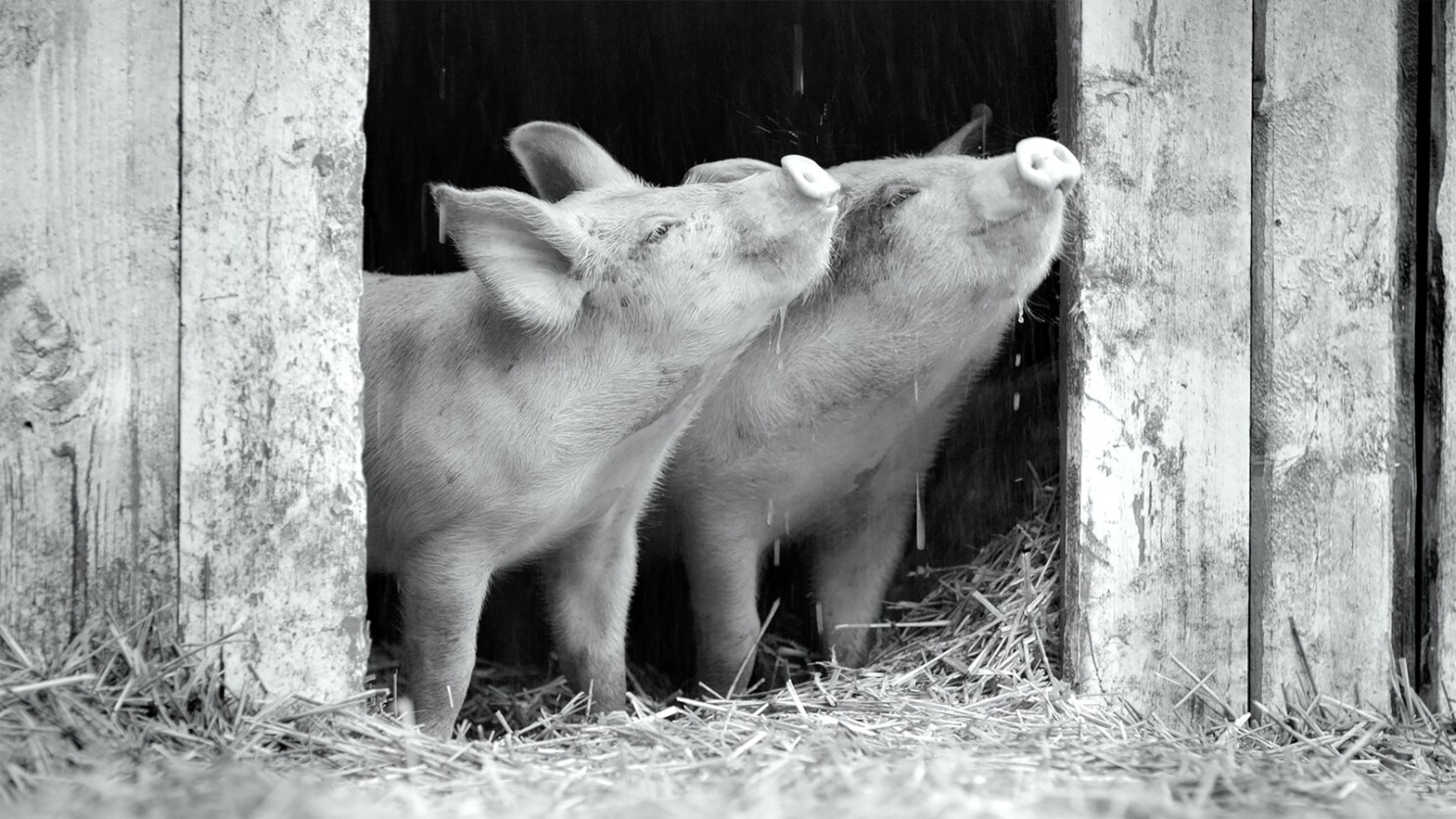
Joshua James Richards sweeping photography of the various landscapes Fern calls her temporary home are breathtaking and should guarantee an Oscar for Nomadland. However, if the academy had looked beyond the traditional fare to Gunda, the experimental documentary about a mother pig, they would have found some of the best black and white cinematography in years.
Short Film, Live Action
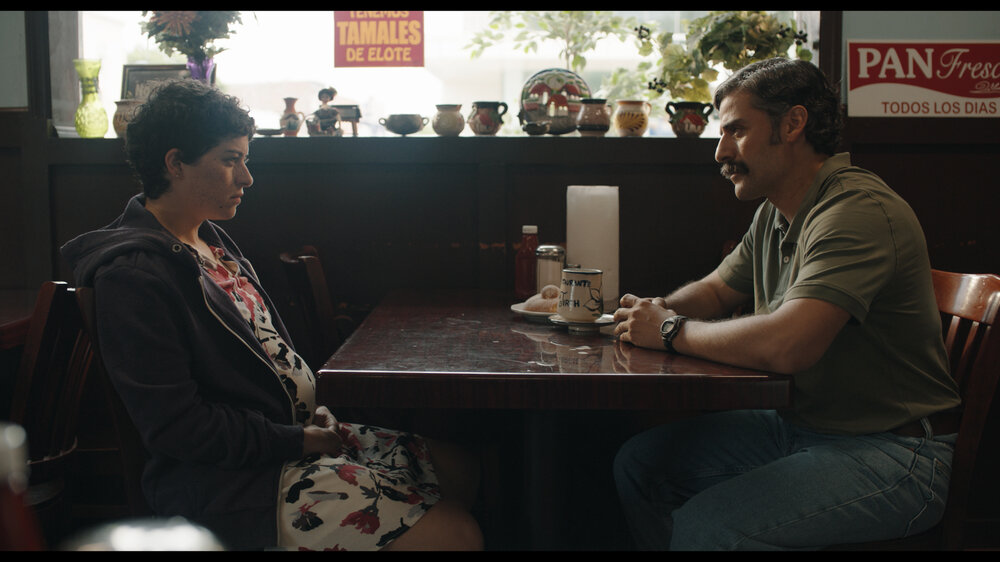
My Prediction: The Letter Room My Pick: The Letter Room; Would I pick a non-nominated film? No
It almost seems a little unfair of this category to be won by a short with big name actors (Oscar Isaac and Alia Shawkat), but The Letter Room is the obvious best of the bunch.
Short Film, Animated
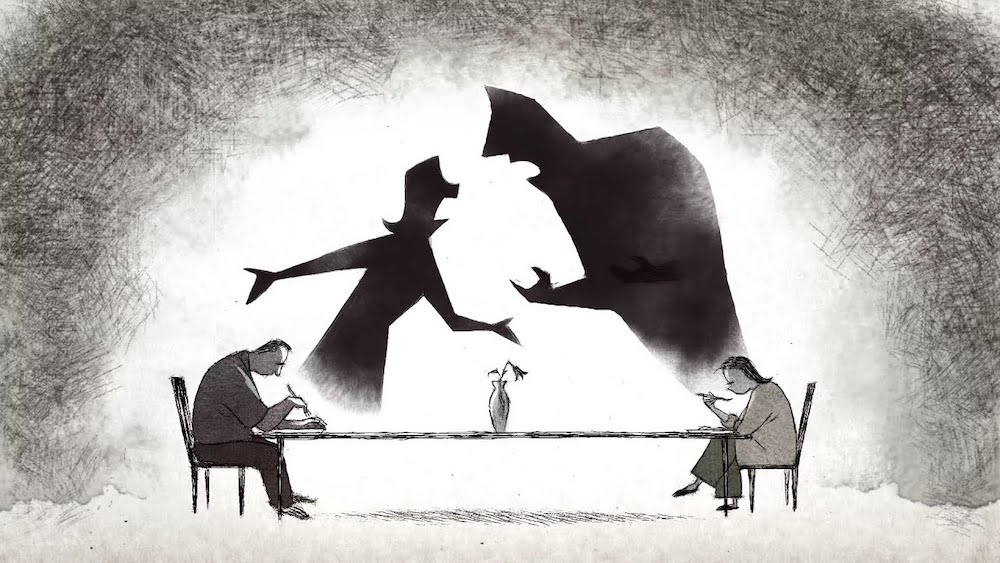
My Prediction: If Anything Happens I Love You My Pick: If Anything Happens I Love You; Would I pick a non-nominated film? No
If Anything Happens I Love you is the best short film which is animated, which is what this category is really a measure of. I would still like to call out Opera for being the best-animated short film, even if it lacks the emotional connection to win.
Short Film, Documentary
My Prediction: Do Not Split My Pick: Do Not Split; Would I pick a non-nominated film? Yes – Hysterical Girl
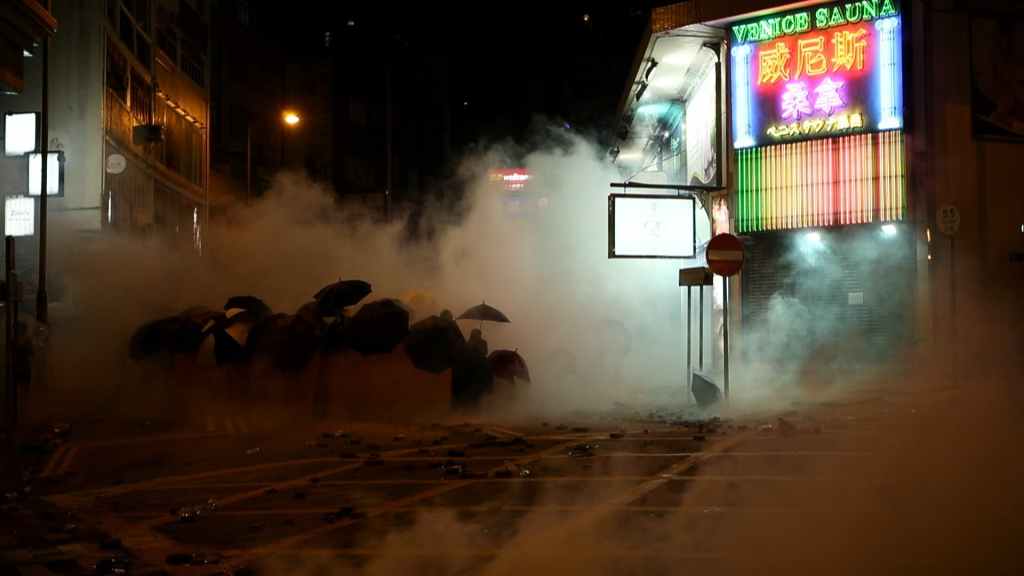
Do Not Split is an amazing piece of cinema verité about the Hong Kong protests which should win of the nominated films, but the shortlisted but not Nominated Hysterical Girl was easily my favorite of the year.
Documentary Feature
My Prediction: My Octopus Teacher My Pick: Time; Would I pick a non-nominated film? Yes – Dick Johnson is Dead or Gunda
It turns out that I have a lot to say about this category. My Octopus Teacher is emotionally exploitative in the way that should win over much of the Academy warranted or not. Of the other nominated films, Time was in my opinion the best and the most important for our time. The Academy failed to nominate the two best documentaries of the year though. Dick Johnson is Dead was as entertaining in the increasingly outrageous death sequences as it was moving as Kirsten Johnson prepped for the inevitable. Gunda was on the opposite end of the spectrum but equally impressive. The experimental documentary consisting of nothing but gorgeous close up photography of a litter of pigs created untold emotion through its simplicity.
Animated Feature
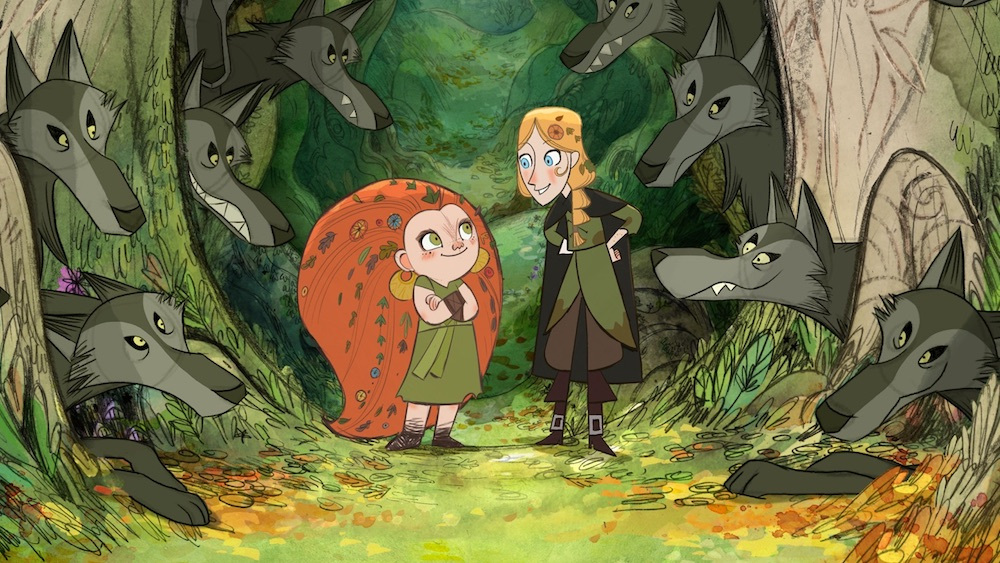
My Prediction: Soul My Pick: Wolfwalkers; Would I pick a non-nominated film? No
This category becomes increasingly aggravating. Disney and Pixar create many great films, but when they release middling work for them (still very good, just not what they can do) the Academy needs to watch the other nominated films and recognize the superior film even if it is not from one of the brand name studios.
International Film
My Prediction: Another Round My Pick: Another Round; Would I pick a non-nominated film? No
I have watched the last scene from Another Round dozens of times at this point as it is one of the greatest scenes of the year. While I have shown this scene preferential treatment, the entire film is a must watch and should win this with ease.
Adapted Screenplay
My Prediction: The Father My Pick: The Father; Would I pick a non-nominated film? No
The way that The Father blends time and realities to replicate the confusion of Anthony as dementia sets in is an achievement in writing more than worthy of this Oscar
Original Screenplay
My Prediction: Promising Young Woman My Pick: Promising Young Woman; Would I pick a non-nominated film? No
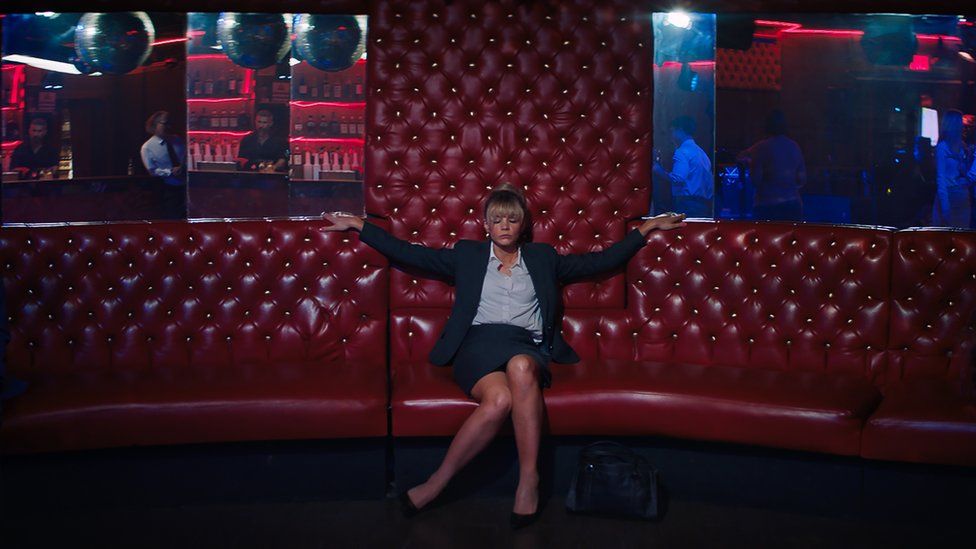
Emerald Fennell’s sobering take on the rape revenge thriller imparts a sense of reality to the genre while also welcoming those who would be otherwise turned off from it.
Supporting Actor
My Prediction: Daniel Kaluuya (Judas and the Black Messiah) My Pick: Daniel Kaluuya (Judas and the Black Messiah); Would I pick a non-nominated film? No
While he is for some reason competing against LaKeith Stanfield the lead in the same movie, Kaluuya as the charismatic Black Panther leader Fred Hampton should be an easy choice for the Supporting Actor award.
Supporting Actress
My Prediction: Yuh-jung Youn (Minari) My Pick: Yuh-jung Youn (Minari); Would I pick a non-nominated film? No
The long time Korean actress’s first foray into American film put in an exquisite performance as the grandmother moving in to help watch the children in Minari.
Lead Actor
My Prediction: Chadwick Boseman (Ma Rainey’s Black Bottom) My Pick: Chadwick Boseman (Ma Rainey’s Black Bottom); Would I pick a non-nominated film? Yes – John Magaro (First Cow)
While this may have been a closer race in different circumstances, Chadwick Boseman should be a shoo in to win the award posthumously. From the completely snubbed First Cow, John Magaro as the sensitive Cookie living his baking dream in the untamed west would get my vote if nominated.
Lead Actress
My Prediction: Viola Davis (Ma Rainey’s Black Bottom) My Pick: Carey Mulligan (Promising Young Woman); Would I pick a non-nominated film? Yes – Sidney Flanigan (Never Rarely Sometimes Always)
Most of the season, it has seemed like Carey Mulligan was going to win her first Oscar over Frances McDormand getting her third, but while I would not vote for her, Viola Davis in Ma Rainey’s Black Bottom seems to have the momentum going into tonight’s ceremony. Of the non-nominated performances, Sidney Flanigan was so perfect in Never Rarely Sometimes Always that the film’s complete Oscar sub is frustrating.
Director
My Prediction: Chloé Zhao (Nomadland) My Pick: Chloé Zhao (Nomadland); Would I pick a non-nominated film? No
Chloé Zhao has an incredible auteurist voice which is front and center in Nomadland. She works at a deliberate pace and allows Frances McDormand to express every feeling that Fern experience. Without Zhao’s incredible control, Nomadland would not be the masterpiece that it is.
Picture
My Prediction: Nomadland My Pick: Nomadland; Would I pick a non-nominated film? Yes – Never Rarely Sometimes Always
Everything that I said for Director holds for best picture. Nomadland is a masterpiece, and I will be happy to see best picture go to a woman director for only the second time (Kathryn Bigelow won in 2010 for The Hurt Locker). And while I had Nomadland as my favorite film of the year when I put together my list in January, Never Rarely Sometimes Always has supplanted it in my mind. It is the most emotionally moving film of the year and what I would have wanted to see win had it been nominated.
After a rough week I’m already feeling a bit better from having time away from work. I only made it through one movie again today, but that was more because of catching up on writing than any movie watching motivation. Tomorrow will likewise be filled with finishing my Oscar pick and prediction post, but even if I make it through minimal movies this weekend I’ll be feeling much better regardless.
Black Sunday (1960, Dir. Mario Bava)
After enjoying last night’s viewing of Blood and Black Lace, it felt only natural to double down another Mario Bava feature. This time I chose to put on his critically acclaimed debut film Black Sunday. While I intrinsically associate Bava with the Italian giallo genre, Black Sunday instead draws upon European gothic horror reminiscent of the Universal monster movies from decades prior.
Despite being made only four years prior to last night’s feature. Black Sunday felt like a film from a much earlier era than Blood and Black Lace. The style and tone shift between the two films jarring and have impacted my opinion on the two. Black Sunday is a strong debut. Bava shows a strong aptitude for filmmaking in his take on the vampire mythos. However, for as strong a debut as the film may be, it is first and foremost mimicry of the classic horror films that preceded it. The bombastic tone and visual flare that accompany the giallo films he would later be credited as a forefather of are more striking and unique. Black Sunday is a perfectly solid gothic horror film, but that is not why I chose to watch another of Bava’s films.
In Son of Monarchs, Mexican director Alexis Gambis heavily utilizes the butterfly imagery from its lead character’s childhood and profession for its metamorphosis symbolism. While the thematic imagery may be on the nose, the accompanying film is filled with the appropriate complexity and nuance to play off the obvious imagery.
Mendel (Tenoch Huerta) is a Mexican man living in New York where he is working on mapping the genome of the monarch butterfly. This passion of his came from his childhood living in the butterfly forests of Michoacán. Son of Monarchs focuses on Mendel as he travels back and forth between his two homes and attempts to process trauma from his childhood while coming into his own. Every piece of information he discovers from altering the genes of his butterflies, corresponds to a new repressed moment from his childhood making itself aware.
Son of Monarchs greatest strength is how it blends the surface level metaphors with haunting imagery and complex themes. The butterfly is one of the most recognizable symbols for a period of change or transition. While such heavy reliance on obvious symbolism could lead to a movie feeling like something straight out of film school, Gambis avoids this pitfall in two ways. First is to give butterflies a narrative purpose in the story beyond that of pure symbolism. Mendel’s home is known for the presence of monarch butterflies that turn the forest orange, so his memories of and adult interest in them gives the symbol more credence. The other technique implemented in film is to use the symbol for a more complex situation than a surface level transition. Mendel’s transition is not from childhood to adulthood as would be the simple metaphor, but instead is a transition from repression to acceptance. The juxtaposition between simplistic symbolism and complex themes creates an accessible intelligent whole.
Son of Monarchs tells a complex story rich with beautiful imagery and mature themes. The imagery of the butterflies both in the wild and under a microscope create a haunting dichotomy, and perfectly fit into the film’s themes and message.
I am late with yesterday’s post again. As I mentioned most of the week, the fatigue has been hitting me exceptionally hard lately. I am taking some time off next week, so hopefully I will be able to recharge and get back on track with getting these out in a timelier manner. And while I yesterdays post is going up a bit late, I did watch this film yesterday, so it counts.
Blood and Black Lace (1964, Dir. Mario Bava)
As I think I mentioned earlier in the year when I watched some of Dario Argento’s films, the Giallo genre continues to be a giant blind spot of mine. Blood and Black Lace was actually my first Mario Bava film, and while I do not believe it is his most well-known film, it popped up on my Amazon Prime so I decided why not.
While I am may still be a Giallo neophyte, the trademarks of the Italian filmmaking style have become less reflexively off-putting. While the constant redubbing is awkward as always, upon getting used to it, it provides a level of cheesy charm. When combined with the oversaturated colors and gratuitous gore and hints at nudity create a wonderfully sleazy whole.
Blood and Black Lace’s setting of a fashion house worked perfectly for the style. The couture dresses and set designing popped in the film’s Technicolor wonder. Each murder used the setting and actors to create a memorable death sequence repeatedly building on the other. Even if the mystery was obvious, the red herrings we too obvious to believe, the film succeeds in spectacle alone.
Oops, I fell asleep while writing this last night. Getting it up now.
Today was another rough one for me. I have been feeling exhausted all week and engaging in much of anything has been difficult. So today is going to be a quick post and I am going to hope that once the weekend hits, I will be able to catch up on my promised posts as well as write something longer in these entries.
The Juniper Tree (1990, Dir. Nietzchka Keene)
10 years before her Cannes winning performance in Dancer in the Dark (2000, Dir. Lars von Trier) Björk starred in The Juniper Tree in the time between singing for The Sugarcubes and beginning her solo career. In the film, a 24-year-old Björk proves that she has always embodied the otherworldly charisma that is her trademark now. Björk’s ethereal quality meshes perfectly with the grim fairy tale in her debut film appearance.
While Björk is the highlight and selling point for the Icelandic feature, Nietzchka Keene as writer, director, and editor did a fantastic job at creating an eerie fantastical environment. Her deft hand with tone shows though wonderfully creating an enchanting film to compliment her lead actress. Regrettably, The Juniper Tree was the only film she was able to complete before passing away from pancreatic cancer. Her voice was so strong in this debut feature, it would have wonderful to watch more of her films.
I am sorry there was no post yesterday. I am not entirely sure what happened to me, but afterwork yesterday I just turned off for lack of a better word. I think that the pace of watching and writing from the film festival left me exhausted and the anxiety of yesterday’s jury verdict pushed me a little over the edge. Even today I was too exhausted to finish both of my outstanding SIFF reviews or watch a second film to make up for yesterday. Regardless, I am not going to beat myself up about this, I just felt like I ought to explain yesterday’s absence before jumping into today’s movie.
35 Shots of Rum (2008, Dir. Claire Denis)
35 Shots of Rum is an extremely intimate viewing experience. The father daughter relationship portrayed by Alex Descas and Mati Diop as Lionel and Joséphine is revelatory in its specificity. After Joséphine’s mother passed, she and her father became inseparable. The film follows the pair and their makeshift family from their apartment building as Lionel accepts that eventually and soon Joséphine will need to go out on her own.
From the minimalist score in the opening credits, the somber tone and personal storytelling are telegraphed perfectly. Claire Denis wields her tools as a director subtly yet sufficiently. Each scene builds upon the last creating a perfect crescendo of emotions through the very final shot.
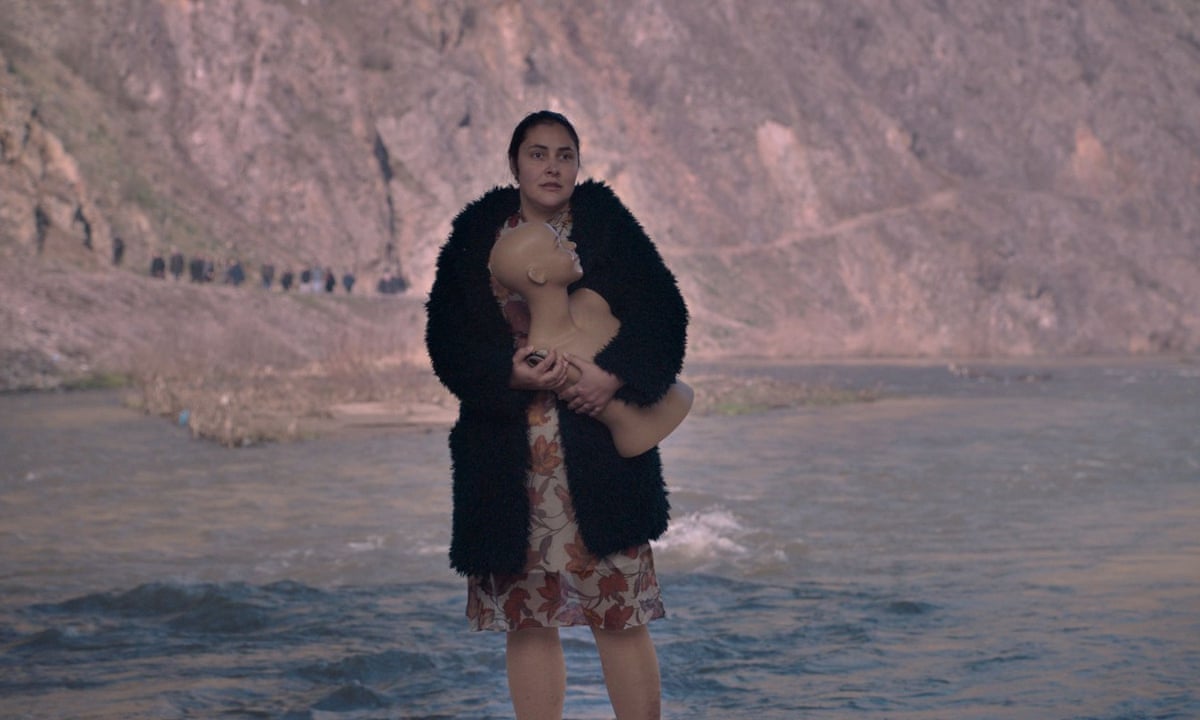
In her newest film God Exists, Her Name is Petrunya, Macedonian filmmaker Teona Strugar Mitevska sets lofty topic goals on which to comment. As the title hints at, the film explores the relationship between religious orthodoxy and women, but Mitevska also comments on the ever-decreasing job market and how it exacerbates the generational gap.
Zorica Nusheva plays Petrunya, an unemployed woman in her mid-thirties who finds her college degree in History to be more of a hindrance than a boon when job seeking. After a humiliating job interview set up by her aunt goes nowhere, she walks home past an ongoing religious ceremony where a priest throws a cross into a river and men jump of a bridge in competition to retrieve it. Despondent from another failure, Petrunya becomes impulsive and jumps into the water with the men and comes away with the cross and the scorn/ legal ire of the crowd.
For a film that attempted to touch on as many topics as God Exists, Her Name is Petrunya did, it ran out of things to say shockingly quick. The second half of the film takes place in a police station where Petrunya is being held despite not being under arrest. The purpose of the set is for the police to act as a narrative catalyst between Petrunya and the people who think she wronged them as well as the people who let her down. While reasonable in theory, the film becomes repetitive to the point of monotony as the same scene happens over and over again with a different secondary character and slightly different topic being the only variation. While the argument may be that each topic Petrunya is addressing stems from the same hole, that does not justify the staleness in direction. The argument can be made in a more engaging manner. Instead, the film just felt lazy.
God Exists, Her Name is Petrunya is a film that wanted to say a lot, but in attempting to it ended up saying little. Parallelisms can be drawn in cinema through a multitude of editing and plotting techniques, but the film utilizes an extremely flat repetition which stops the film in its tracks at the halfway mark and ceases to produce anything of interest. The film’s goals weren’t flawed, but its execution was.
It feels weird to be going back to one post a day after the breakneck speed at which I was writing for SIFF. Though to be fair I am still finishing up with the last couple of SIFF posts, so I have a few more multi-post days to go. My major takeaway from the Festival, at least as far as writing goes, is that I can be doing much more than just these daily posts. I enjoy the personal nature that these posts take as opposed to the more formal reviews that I did for SIFF, but there is room in me for both. While I was writing a ton all last week, I am going to start expanding slowly to make sure everything stays sustainable. My plan as of right now is to post at least one bonus item each weekend. This weekend will be my Oscar picks and predictions, but I will be playing with the format from there. Anyway, here’s today’s movie.
Gunda (2020, Dir. Viktor Kosakovskiy)
My film festival may be over, but that does not mean I’m going to stop watching pretentious and artsy movies. Gunda had been on my radar for a while now. It had occupied one of the top slots on Metacritic for most of the film starved 2020, but after it was denied an Oscar nomination it took me a while to get around to it. I am glad that I finally did get around to the film though, because this was a glorious piece of experimental film making.
Devoid of any plot, message, or even dialogue, Gunda is a series of untampered scenes of animals on a farmyard. The titular Gunda is a pig who begins the film by giving birth to a little of piglets. These animals headline the film with extended shots of the piglets exploring or nursing. While the film spends some time focusing on the farm’s cows and chickens – including a loveable one-legged rooster – the piglets are effectively first billing.
If this explanation makes the film seem protracted, that is because it is, but the deliberateness is intentional. Gunda asks its audience to slow down and appreciate the miniscule realities of life along with curious piglets. For those who require another selling point, the black and white cinematography by Viktor Kosakovskiy and Egil Håskjold Larsen is beyond breathtaking. The camera is always at eyelevel with the animal subjects providing the fullest image of each animal. This combined with some of the crispest high definition I have seen had me constantly questioning if I had upgraded to 4k and forgot. It may be a movie where nothing happens, but that did not stop me from being transfixed the entire time.
One extremely minor caution with the film is that there is no non-diegetic noise, and at times the animal noises can be extremely loud. What I am trying to get at is that the first scene with the minutes old baby piglets was filled with enough baby pig noises that it slightly upset one of my cats.
In 2012, Haifaa Al-Mansour made history as the first female filmmaker in Saudi Arabia. Her film Wadjda blended the personal with the cultural by telling a girl’s story in the extremely patriarchal country. Almost a decade later, Al-Mansour continues to tell stories focusing on this blend, but rather than the school age Wadjda, her new film The Perfect Candidate focuses on a young professional woman’s struggle in a country slowly progressing with women’s rights.
Dr. Maryam Alsafan (Mila Al Zahrani) is the attending physician at her local clinic. She receives some resistance to her care from the more religiously orthodox members of her community, but she is largely appreciated as a local medical alternative to the hospital in the city miles away. When an issue with her travel permit prevents her from attending a medical conference, she is inadvertently thrust into a city council political campaign that tests how much her community truly respects her rather than simply placates her.
Maryam’s political campaign is a captivating subject for a film. While it was never her intention to run, once thrust into it she takes to the challenge immediately. She and her sisters put together political commercials, and she immediately identifies paving over the flooded dirt road in front of her clinic as her highest priority. This priority comes in contrast to what the men assume her campaign would focus on. The men see only her gender and assume she must be running on a platform of more progressive women’s issues. In this assumption, they betray their own understandings of the treatment they offer her and all women. This interplay is the film’s strength. It creates a nuanced and complex story about the needs of women living in Saudi Arabia and how men see the women around them.
The Perfect Candidate is a narrative that appears simple upon first blush, but it has layered cultural underpinnings providing significant depth. Haifaa Al-Mansour is already a proven name in world cinema, and her newest film proves she belongs in the modern canon.















![Son of Monarchs: A Biologist Looks For Tranquillity In His Work [Review]](https://theplaylist.net/wp-content/uploads/2021/01/SonsofMonarchs.jpg)

![björk guðmundsdóttir: Björk - The Juniper Tree - A Dark Tale Of Witchcraft & Mysticism (1986) - [AAC-M4A]](https://womanwithamovieblog.com/wp-content/uploads/2021/04/5ffe7-bjork-the-juniper-tree-1986-13.jpg)


 Woman With A Movie Blog