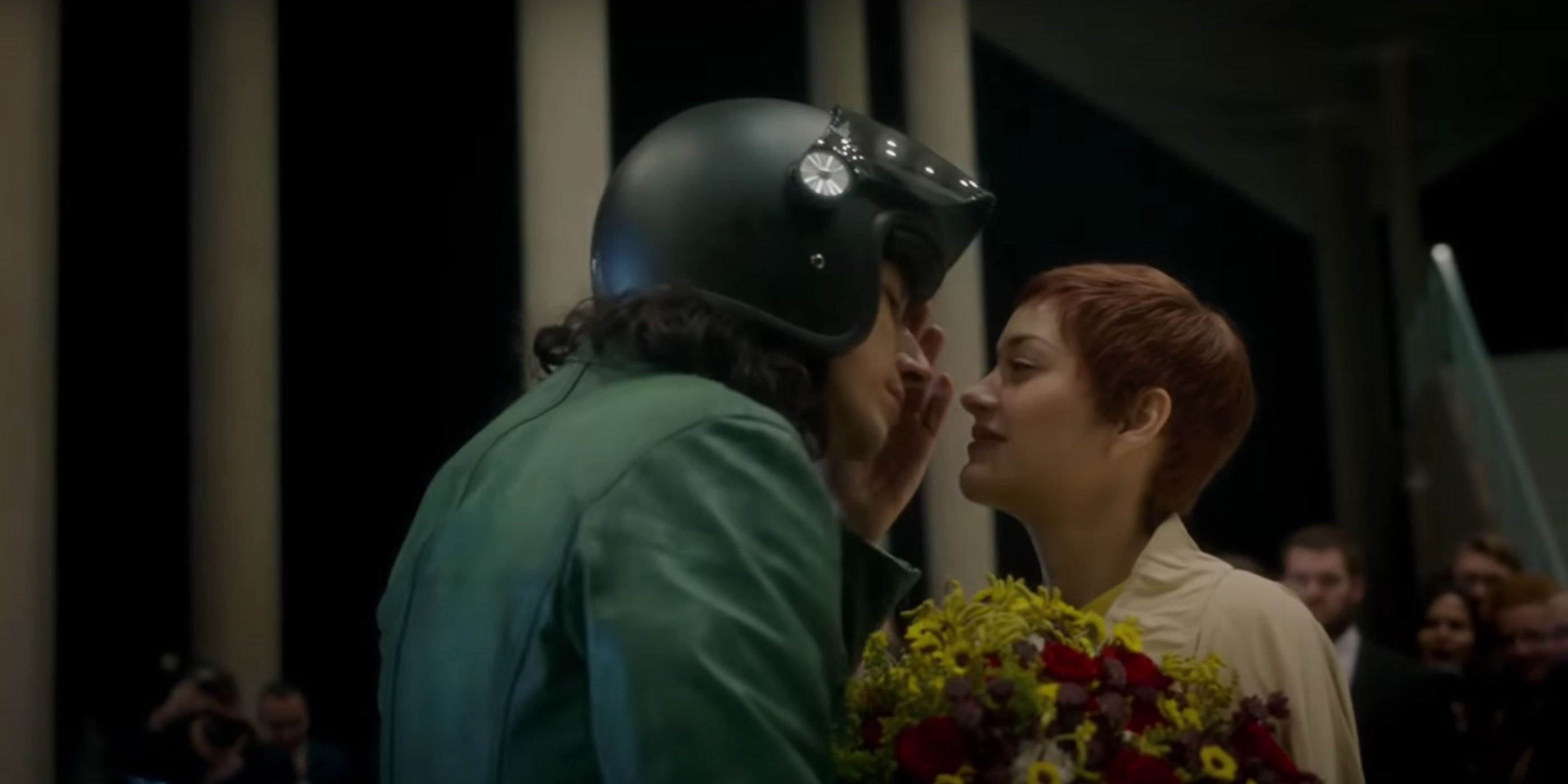
New Release Monday – Civil War

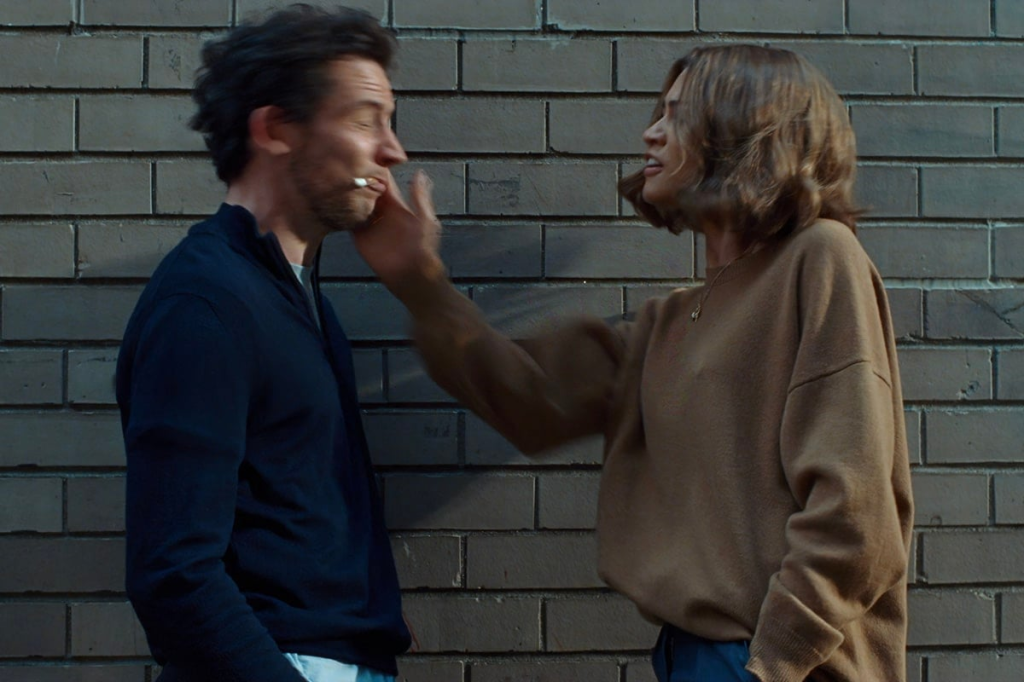
Known for making some of the best science fiction films of the past decade (Ex Machina (2015) and Annihilation (2018)), Alex Garland set his sights to an alternate present rather than future with his newest film Civil War. Setting a film called Civil War in the US during the current political unrest is a dangerous endevor in which to partake, but by eliminating specific politics (so much so that California and Texas share a side), Garland gets his message across with out alienating, or worse enraging, half the nation.

Kirsten Dunst plays Lee a famous war photographer, who along with her coworker Joel (Wagner Moura) has her sight on the biggest photograph of her career, an exclusive photo of the president before the Western Forces (Texas and California) can breach Washington DC and execute him. They are joined by longtime friend and fellow press member Sammy (Stephen McKinley Henderson) and Jessie (Cailee Spaeny) a young aspiring war photographer who looks up to Lee. Once they depart, the film structure becomes that of many vignettes as their van stops or is stopped for various reasons.

The vignette style is used to provide the viewer with snapshots of what the US would look like with the country torn apart. It focuses on the dehumanization that Americans would suddenly see for their brethren as soon as the government labels a subset of them enemies. From gleeful lynchings to depraved mass graves, without the connection of country, Garland shows how Americans would resort to their basest of instincts and inflict violence on the people they no longer consider one of their own.

Assigning multiple characters as photographers, one would hope that Civil War would have some beautiful cinematography, and director of photography Rob Hardy delivers with some stunning camera work. The video is accompanied by still photos representing what Lee or Jessie shoot, and especially the black and white photos by Jessie are stunning.

Civil War is definitely a political film, but the politics are not what one would expect given the premise. There is no right and left, conservative and progressive, only people A and people B. By refusing to take a stance on the hot button issues of today, Garland instead peaks deeper at the soul of an American, and at the price of war.

Garland displays a rather bleak view of Americans. He portrays a country that is so caught up in loyalty, that even if the cause of the split is unspoken, the people will immediately align with their “side” and otherize/ dehumanize the other people. Civil War has an extremely misanthropic view of Americans, and given the partisanship expressed in reality, it is not hard to see why.

The other hidden politics of Civil War is to help Americans to see the terror of war. America is constantly fighting or funding wars, and the images on TVs do little to express how ugly wars are to the places where they take place. By setting the bloodshed in American streets it helps to awaken the viewer to the atrocities that are committed in the name of war, and how awful it must be to experience it.

A strong, complex message combined stunning photography and brilliant acting (Kiki delivers another perfect performance) make Civil War one of the best films in this still young year.

SIFF 2023

After taking 2022 off for personal reasons, I have purchased my first (non-digital only) full series pass to my local film festival, SIFF2023. Over the 2 ½ week runtime of the festival, I watched 33 features and 1 short in person along with another 11 features and 5 shorts online as part of the virtual fest. In lieu of full reviews for all films (which would take me months), I wanted to share my quick thoughts on everything that I saw.

Past Lives (Dir. Celine Song)

As beautiful as it is made out to be, Past Lives explores the space between platonic and romantic relations. It ponders what could have been and romanticizes the past while accepting that the present reality can also be beautiful. For her first time behind the camera, Celine Song possesses a preternatural instinct for creating an emotionally devastating piece of cinema. The closing seconds of the film were some of the most tear-jerking seconds of cinema in recent memory. I left the theater ugly crying all the way to the after party.

★★★★★

Retreat (Dir. Leon Schwitter)

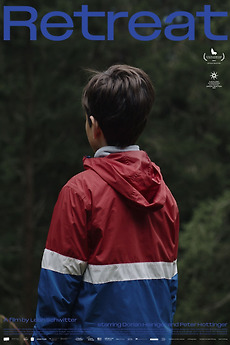
An inauspicious start to the first proper day of the film festival, Retreat was beautifully shot but lacking substance. A little character motivation from the father besides, “things are bad” would have gone a long way. The ending was significantly darker than I was expecting and left a bit of a bad taste in my mouth.

★½

Angry Annie (Dir. Blandine Lenoir)

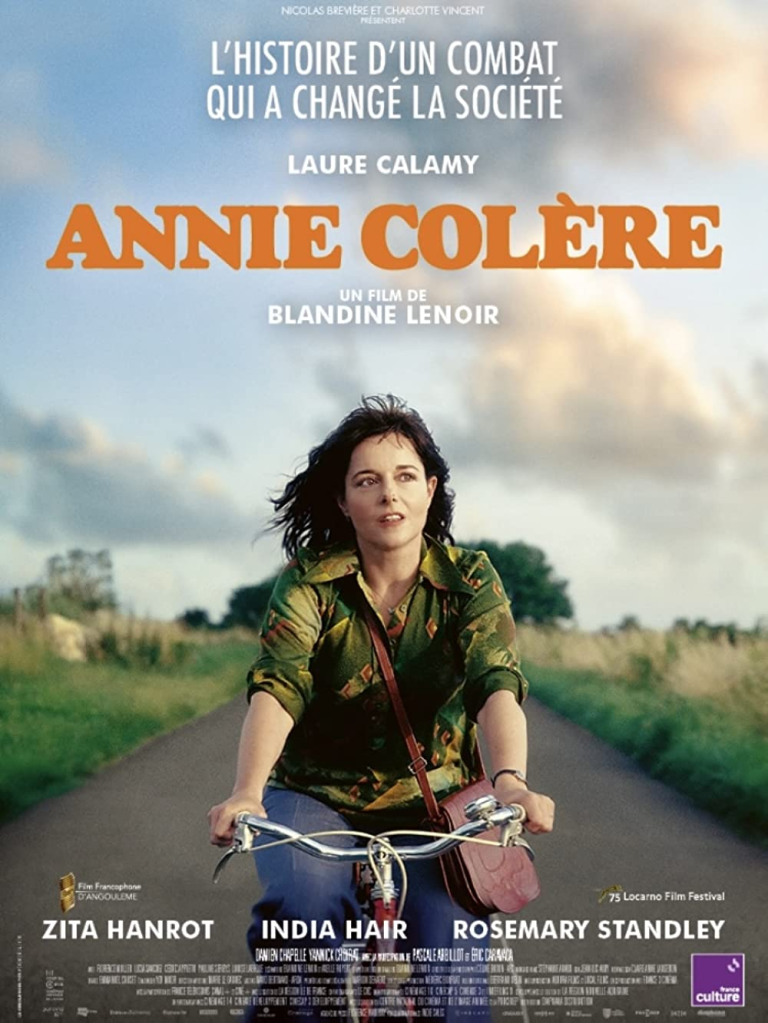
In the wake of the overturning of Roe, a slew of abortion related historical dramas have come out. Angry Annie is a solid outing in that undertaking with a stellar performance by Laure Calamy as the titular woman. And while it falls a little to trap of telling over showing in its later moments, it’s still a wonderful timely telling of a story that needs to be told at this point in time.

★★★

King Coal (Dir. Elaine McMillion Sheldon)

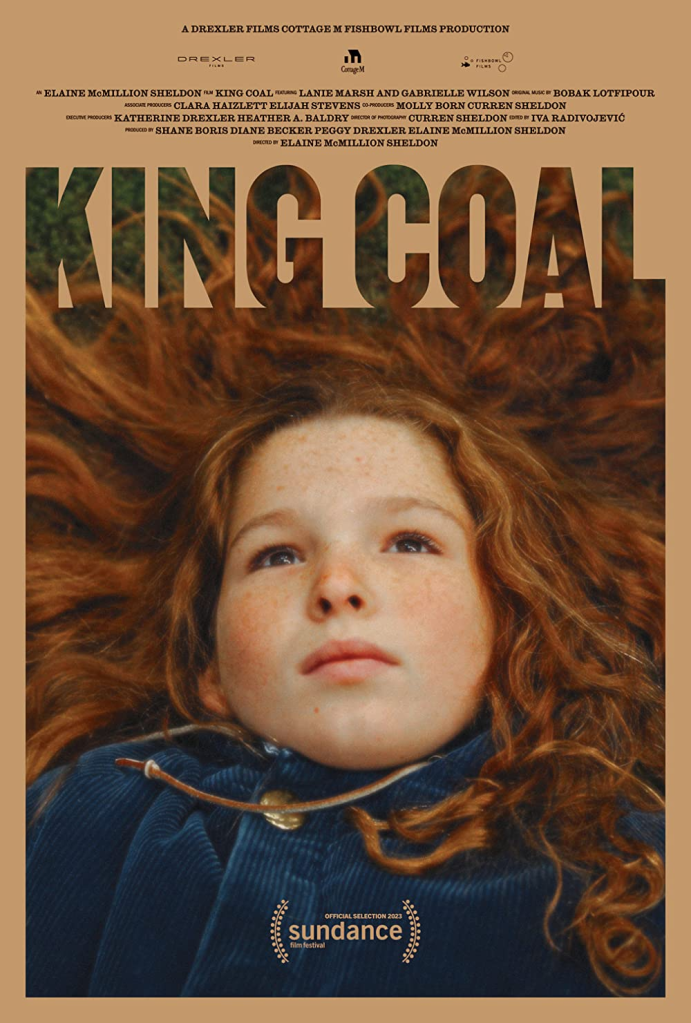
A documentary on the cultural significance of coal to the Appalachia region, and the hole that the decreased reliance on the fossil fuel has on the people who live and work there. By focusing on a pair of young girls who are seeing the world around them change as quickly as they are, King Coal stays grounded in a unique perspective.

★★★½

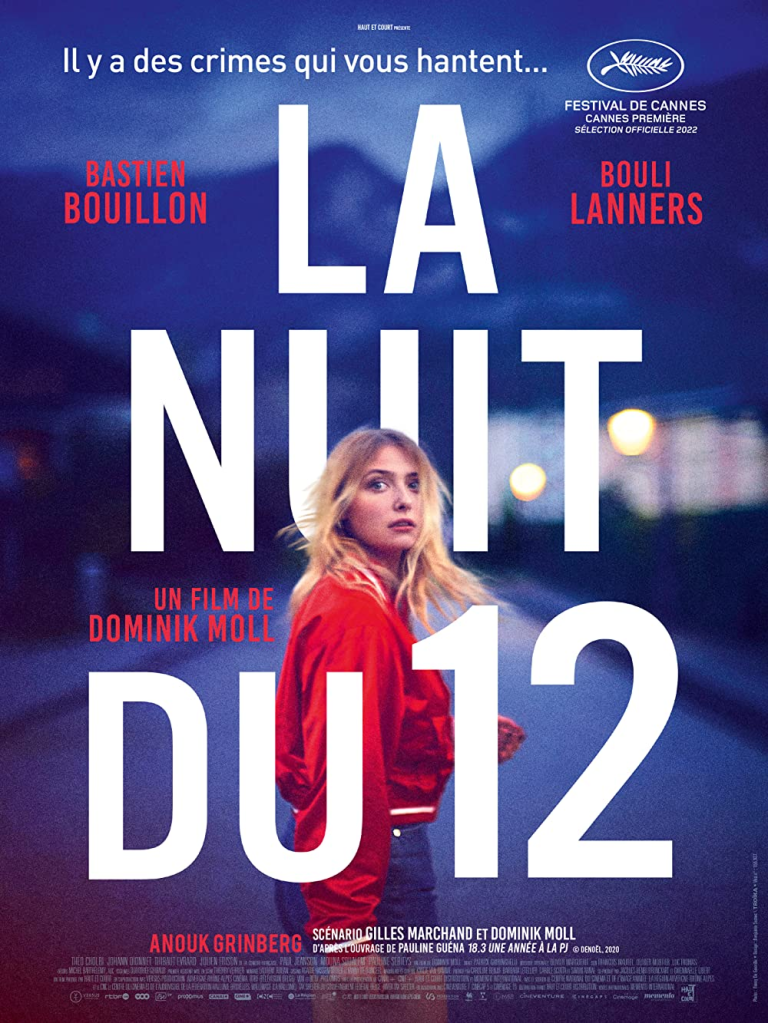
The Night of the 12th (Dir. Dominik Moll)

The multiple César winning The Night of the 12th is an intriguing police procedural about an enigma of a real-life case. The film is well acted and keeps viewers on the edge of their seat as each additional ex-boyfriend appears more guilty than the last. While the film was very good, I don’t believe it lives up to the award winning hype.

★★★

The Eight Mountains (Dir. Felix van Groeningen)

The beautiful Cannes winner tells the story of two male friends who’s destiney is tied together in the mountains around where they met as children. The film had the best cinematography of the festival, but its two-and-a-half-hour runtime was longer than necessary and the film declined to end at many natural concluding spots.

★★½

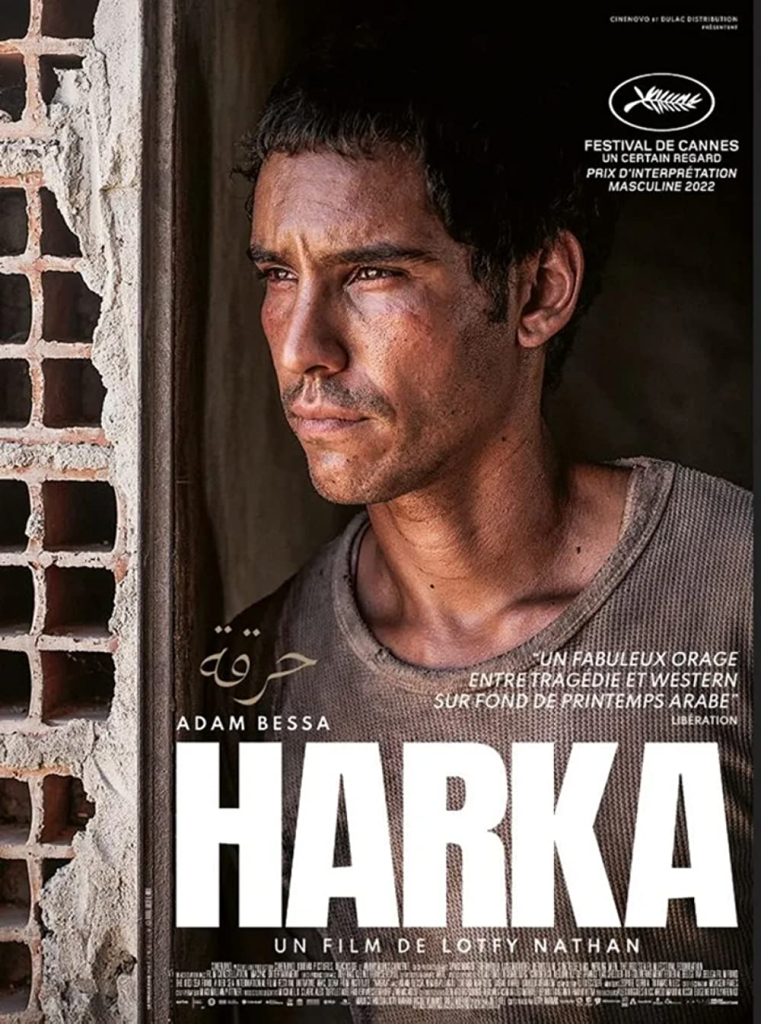
Harka (Dir. Lotfy Nathan)

Harka was a very dark portrayal of poverty in Tunisia. Really strong design decisions stood out in this dirty drama. The filthiness of Ali’s (Adam Bessa) single shirt and construction zone turned one room home created the depressing tone for the film. The ending was exactly what it had to be, but the added surrealism to the moment sells the film.

★★★

Falcon Lake (Dir. Charlotte Le Bon)

Falcon Lake presents its traditional coming of age story as if it were a horror film. Editing and score decisions amplify this decision, and the horror aesthetic works well for the adolescent story as that time can feel like a horror movie at the time. The young Joseph Engel and Sara Montpetit put in solid performances and sell the mysteries of adolescence.

★★★★

Year of the Fox (Dir. Megan Griffiths)

A rough first outing with a really stilted screenplay and dialogue left this coming-of-age film feeling hollow. The voice over from Ivy (Sarah Jeffery) was exceptionally detrimental to the film. I unfortunately have very little positive to say about the film, but I know others enjoyed it so take that as you will.

Filip (Dir. Michal Kwiecinski)

With a stellar lead performance by Erk Kulm as the titular Filip at the center of it, Filip was a great WWII drama that focused on the life of a Jewish Pole living undercover in a Nazi occupied hotel. The film takes a unique look at WWI by focusing on the life of people livening under occupation but not in the camps.

★★★

And the King Said, What a Fantastic Machine (Dir. Axel Danielson)

A documentary about the power of cameras and media. And the King Said, What a Fantastic Machine is filled with intriguing imagery, though the message of the film gets a little blurred. The film becomes less about the power of the camera and more about the power of televised fascism.

★★½

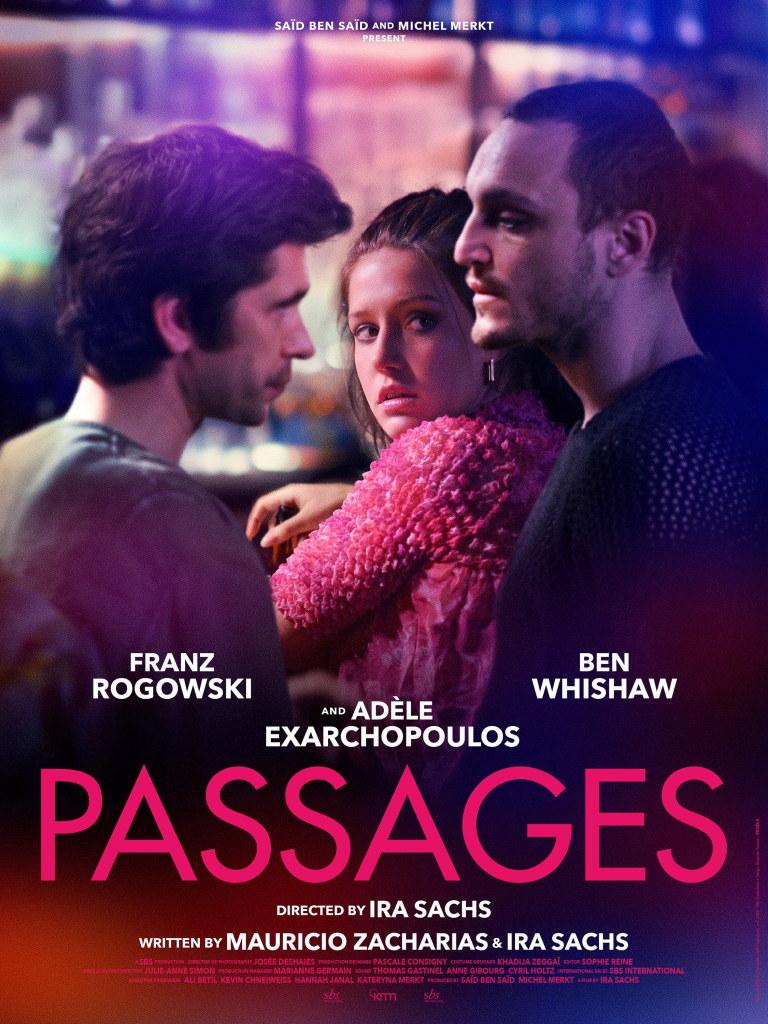
Passages (Dir. Ira Sachs)

Ira Sachs continues to be an enigma to me. I have wanted to like all his films, and I have never disliked any of them, but I have also yet to feel a real connection to one. Passages was no different, as the sex filled, love triangle drama was intriguing if not engrossing. The complexities of being a bisexual man exploring sex with women for the first time in years makes for a solid story; it just didn’t resonate with me.

★★½

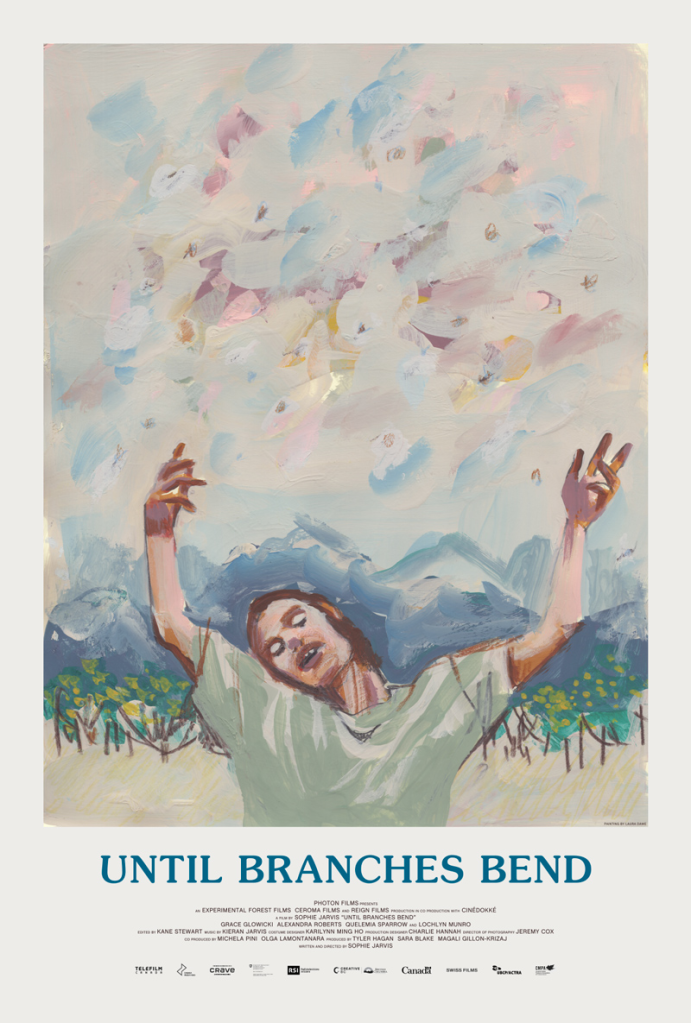
Until Branches Bend (Dir. Sophie Jarvis)

This Erin Brockovich story lives entirely on the lead performance of Grace Glowicki as Robin, a woman who finds a beetle inside a peach and creates an uproar over it. Glowicki is wonderful in the film, and she manages to encapsulate the uncertainty of the reality she lives in when the tow around her starts to gaslight her on what she saw.

★★★

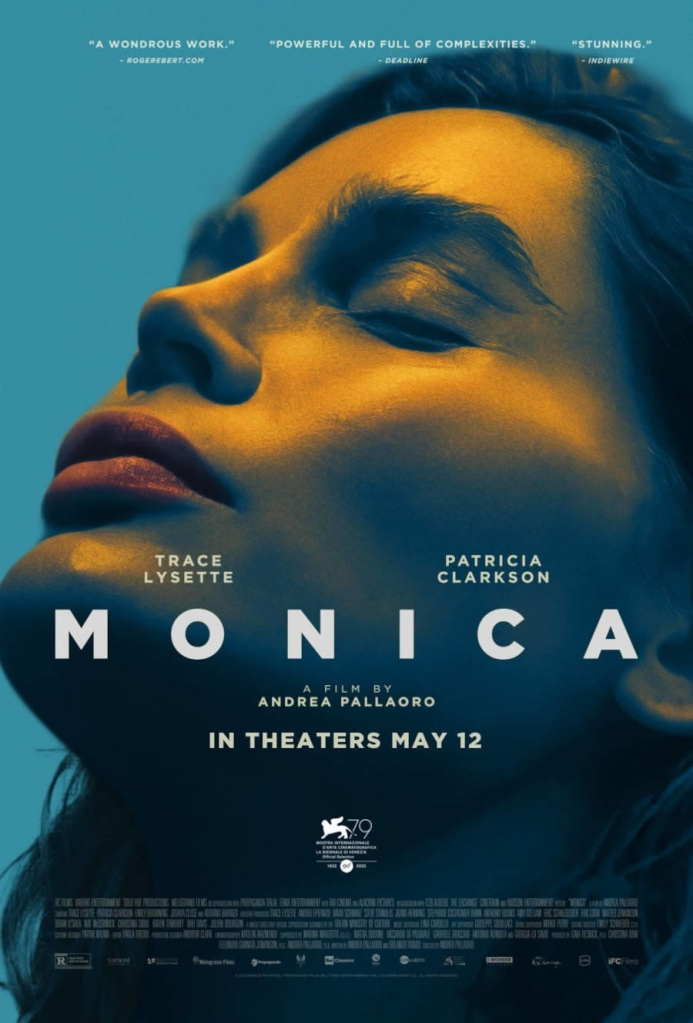
Monica (Dir. Andrea Pallaoro)

The first of three trans related films I went out of my way to see explores a trans woman’s connection to her mother even years after abandonment. By staying hidden throughout her visit Monica (Trace Lysette) is allowed a small amount of closure, but the distance never closes in a way that hits close to home.

★★★½

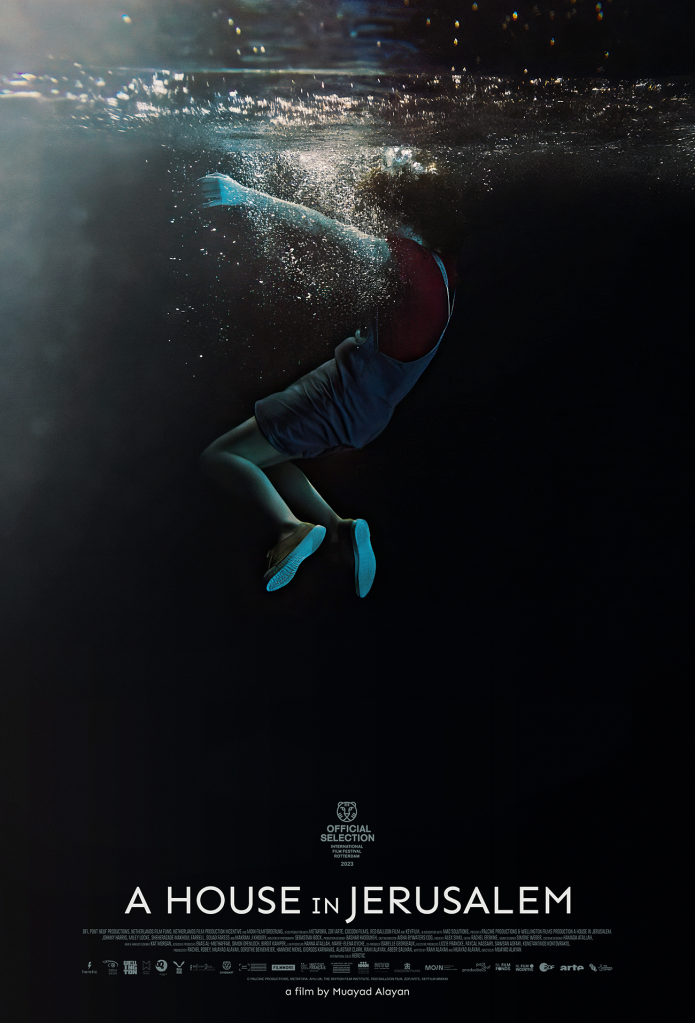
A House in Jerusalem (Dir. Muayad Alayan)

A ghost story that isn’t scary and a pro-Palestine narrative that is completely buried, A House in Jerusalem misses the mark on most axes.

★½

Matria (Dir. Álvaro Gago Díaz)

Matria reminded me of a Dardenne Brothers film. A story of a working-class woman forced to endure extreme circumstances but still finds a way to preserver. The moments of joy she allows herself while the world around her crashes is the highlight of the film.

★★★½

Motherland (Dir. Hanna Badziaka and Alexander Mihalkovich)

Two very different documentaries combined into one messy one, Motherland firstly tries to tell the story of bullying in the Belarusian army, but through lack of access to any of the violent acts resorts to additionally focusing on a group of boys partying after being enlisted but before entering the army. The two stories don’t mesh and make for a confusing 90 minutes.

★★

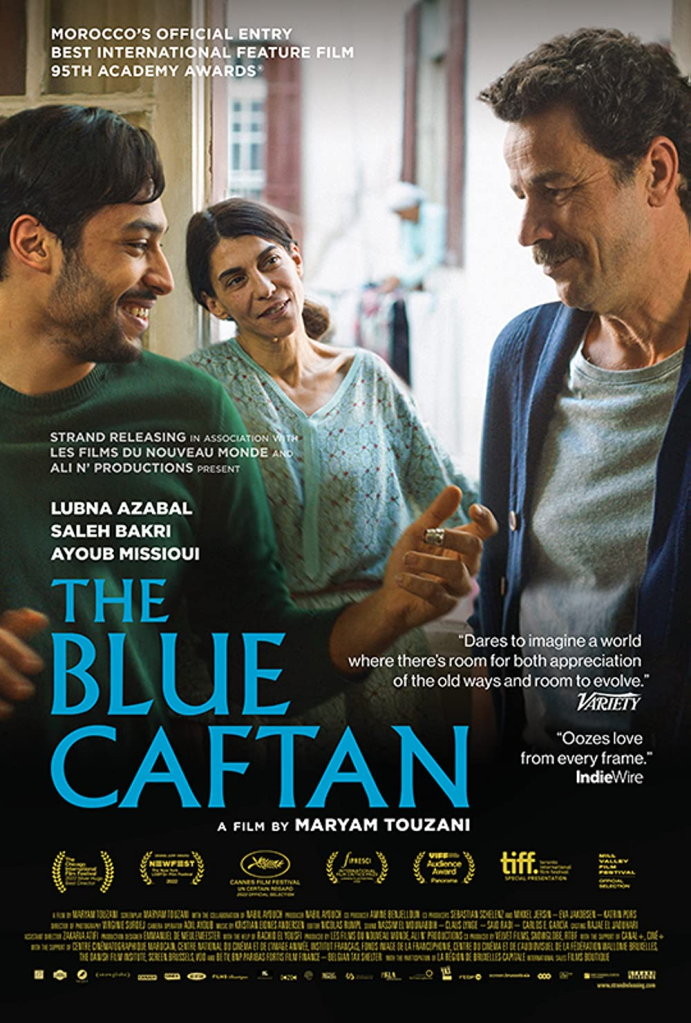
The Blue Caftan (Dir. Maryam Touzani)

Breathtakingly beautiful, The Blue Caftan lives in closeups in soft focus of the three lead actors Lubna Azabal, Saleh Bakri, and Ayoub Missioui along with longing shots of the gorgeous fabrics and threads used to make the handmade caftans. What is obsessively a love triangle story is filled with love and adoration between all three characters. The Blue Caftan is destined to go down as one of the year’s finest films.

★★★★½

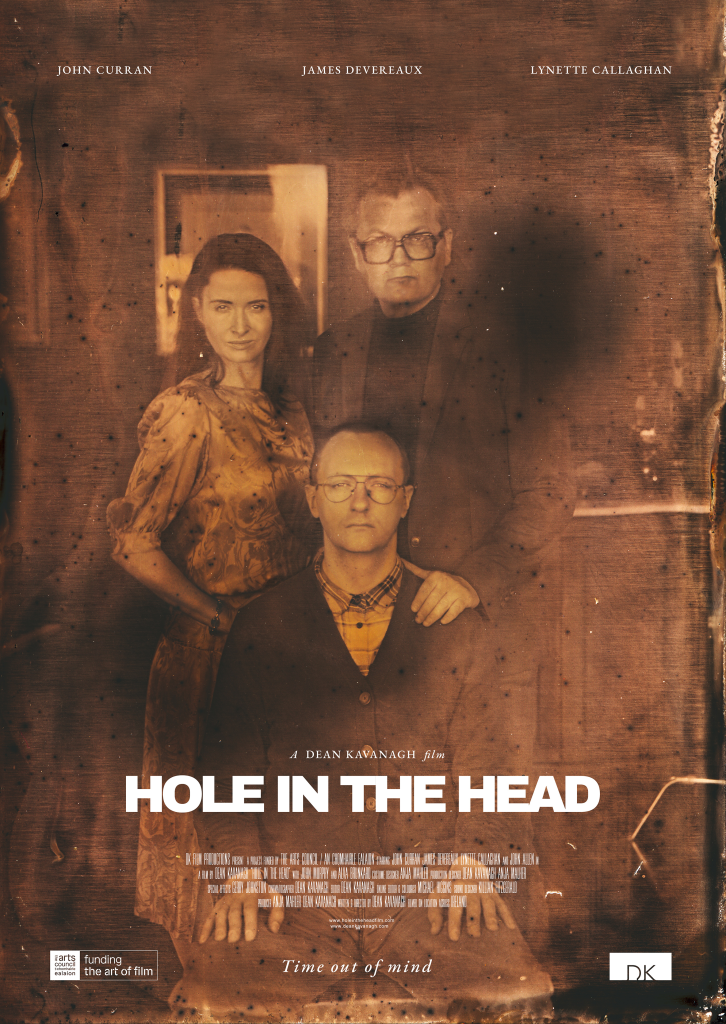
Hole in the Head (Dir. Dean Kavanagh)

My one walk out of the festival, Hole in the Head attempted to be Dean Kavanagh’s version of My Winnipeg, but without the style and skill of a Guy Maddin, the film rends itself unwatchable.

½

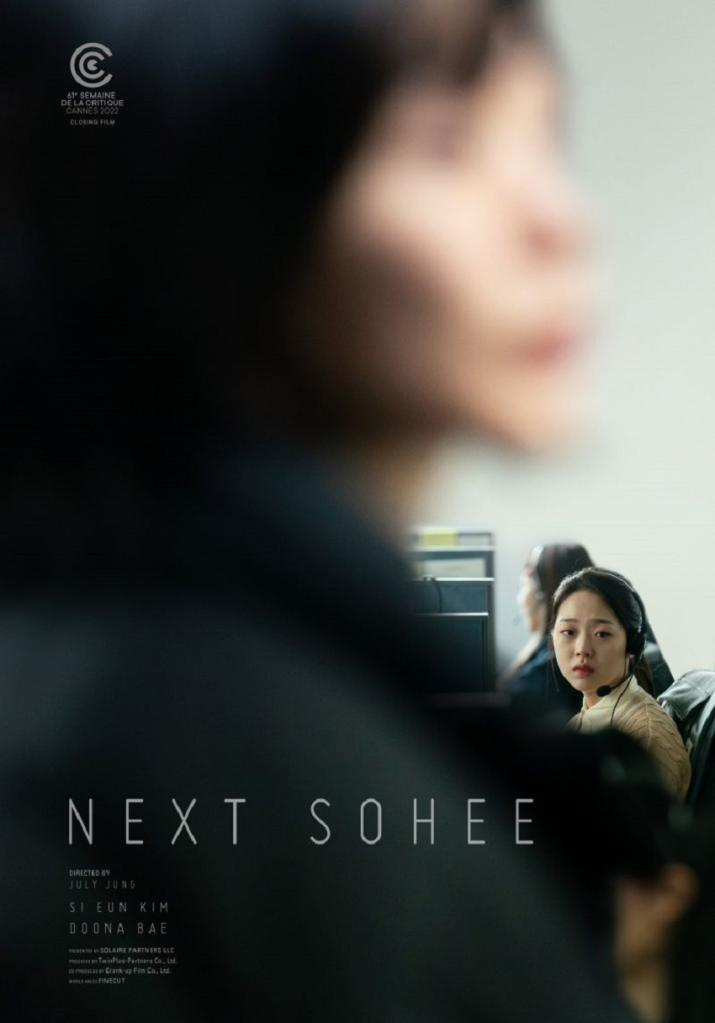
Next Sohee (Dir. July Jung)

The story of a young, South Korean woman who kills herself under the pressure of an externship at a call center and the woman detective who follows her case, Next Sohee plays out as two separate stories stapled together. While each are excellent on their own, the combining of the two was a little inelegant.

★★★

Confessions of a Good Samaritan (Dir. Penny Lane)

Penny Lane’s documentaries are always an enjoyable, highly stylized bit of fun and Confessions is no different. Her most personal film to date perfectly captures her neurosis as she goes through the process of donating a kidney to a stranger. Funny and well edited Lane continues to be a director to seek out.

★★★½

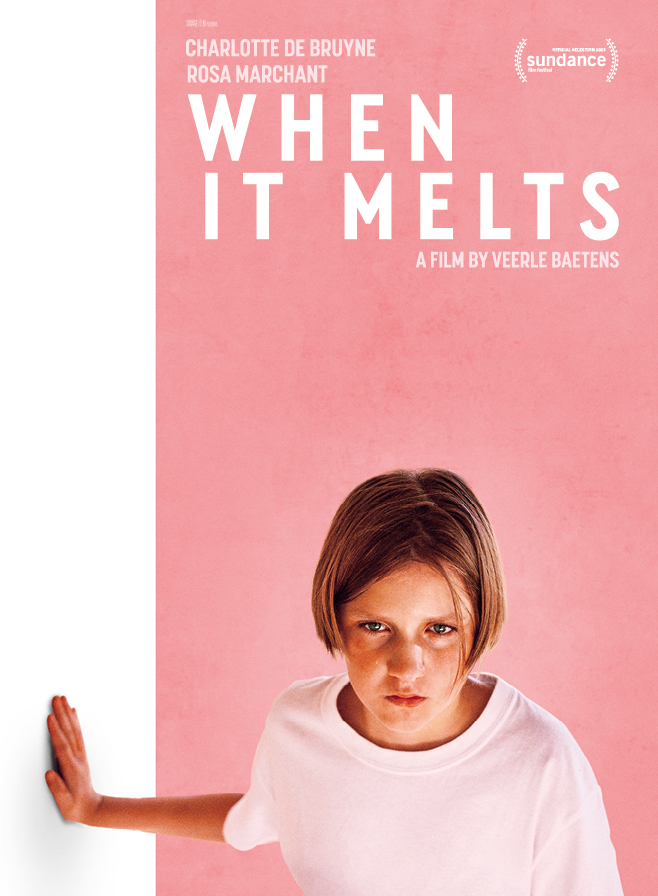
When it Melts (Dir. Veerle Baetens)

The darkest film of the festival, When it Melts explores the long-lasting effects of childhood trauma. By cutting back and forth between Eva as an adult (Charlotte De Bruyne) and a child (Rosa Marchant) Veerle Baetens tells a twisted story that can only end in one way and that way is devastating.

★★★

Other People’s Children (Dir. Rebecca Zlotowski)

A loving tale of a woman who becomes attached to her boyfriend’s young daughter; Other People’s Children is heartwarming. Virginie Efirais excellent asRachel the women in question, and her connection not just to the young Leila, but all the young people in her life make her the ideal mother just without a child of her own. My only complaint is that the film could have used another round of editing, the epilogue in particular either needed to be cut or more flushed out beforehand.

★★★½

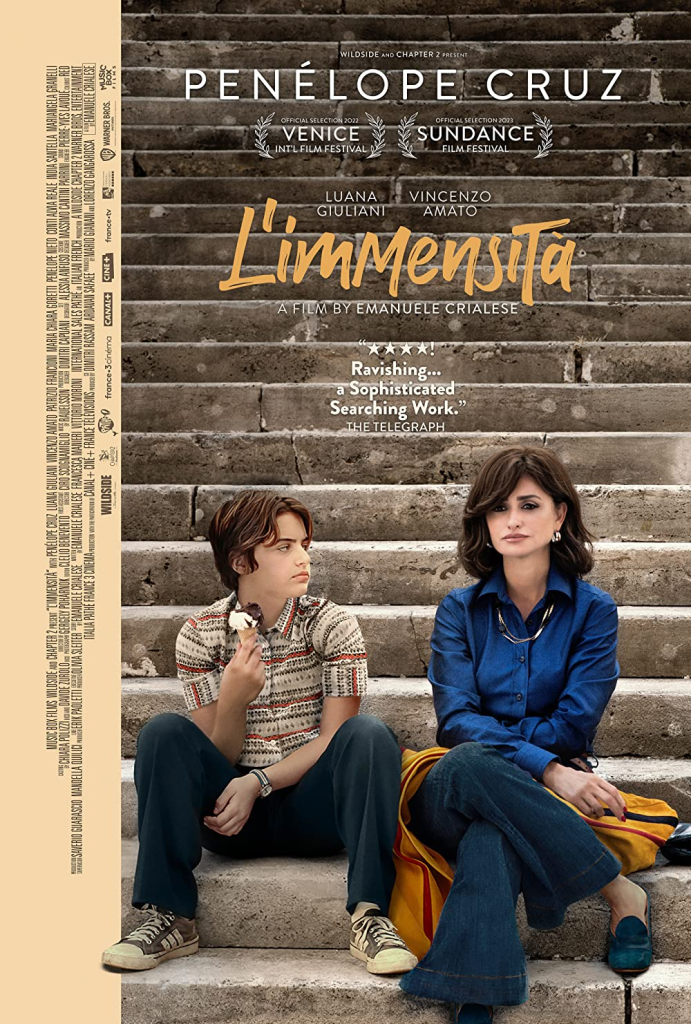
L’ immensità (Dir. Emanuele Crialese)

Penélope Cruz as the mother of a trans boy, what’s not to love? Unfortunately quite a lot as L’ immensità just didn’t quite hit. With three out of nowhere musical numbers, and an occasional glimpse into fantasy, this film didn’t know what it wanted to be and failed for that.

★½

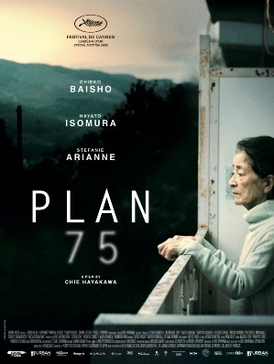
Plan 75 (Dir. Chie Hayakawa)

Set in near future Japan, Plan 75 proposes a world where the elderly can choose to be euthanized to help remedy a society that has aged. Given that premise, the film explores it from three viewpoints, Michi (Chieko Baishô) a woman considering signing up for the program, Hiromu (Hayato Isomura) a man signing people up for the program, and Maria (Stefanie Arianne) a woman working at a facility. The film plays with the moral implications of the program in a way that doesn’t judge but makes you think.

★★★★

20,000 Species of Bees (Dir. Estibaliz Urresola Solaguren)

It may have taken me a few days to realize it, but 20,000 Species of Bees was my favorite film of the festival. Whether or not it is the best film of the festival may be up for debate, but nothing hit me personally. Estibaliz Urresola Solaguren manages to perfectly capture the mix of confusion and gender bliss that a young trans person experiences while figuring out who they are. Sofía Otero plays the 8-year-old Lucía beautifully. I’m starting to tear up just thinking about the film I love it so much.

★★★★½

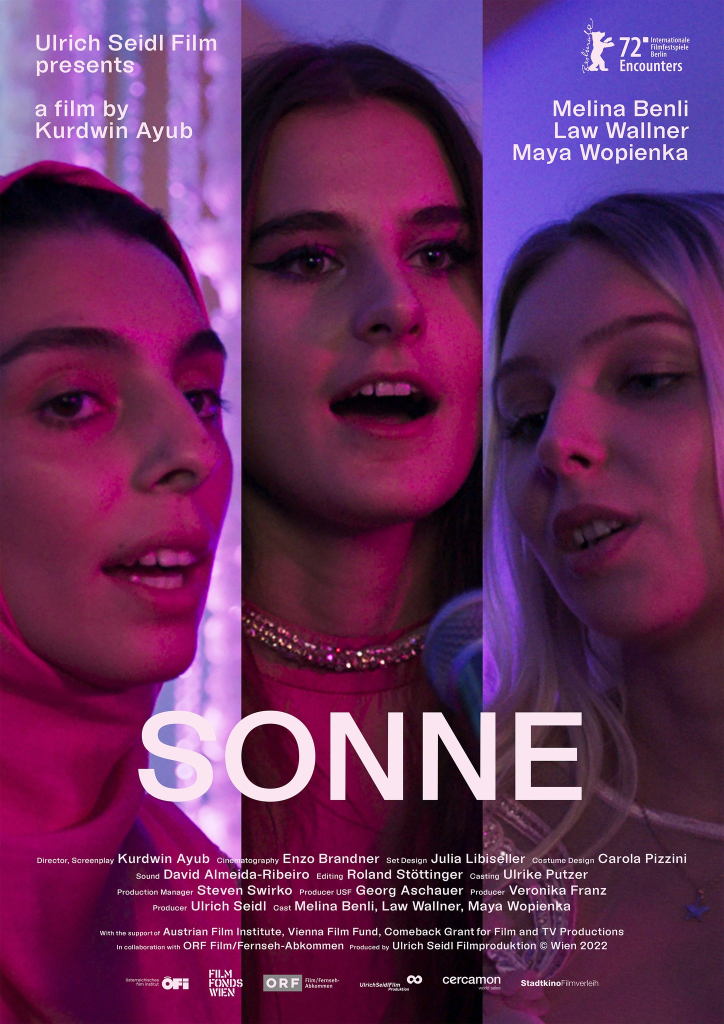
Sonne (Dir. Kurdwin Ayub)

This film baffled me. It centered around an Iraqi teen Yesmin (Melina Benli) living in Austira. She and her friends do teen like things include making a viral video of them singing Losing My Religion by R.E.M.. Weirdly though the film introduces plot points throughout the film without ever following up on them. Near the end I finally started getting on board with the all vibes no plot follow through but it ended before I could entirely get it.

★★

Ernest and Celestine: A Trip to Gibberitia (Dir. Julien Chheng and Jean-Christophe Roger)

An absolute delight, the sequel to 2012’s Ernest and Celestine has just as much if not more heart. The bear and mouse pair get into more adventures in Ernest’s hometown of Gibberitia where music has been banned, and obviously that means the score and diegetic music are the highlights of the film.

★★★★

Let the River Flow (Dir. Ole Giæver)

Let the River flow is the tale of Ester (Ella Marie Hætta Isaksen), a Norwegian passing Sámi woman who embraces her indigenous identity to join a resistance against a dam that threatens Sámi land. A moving tale against colonialism and about finding power in who you are.

★★★½

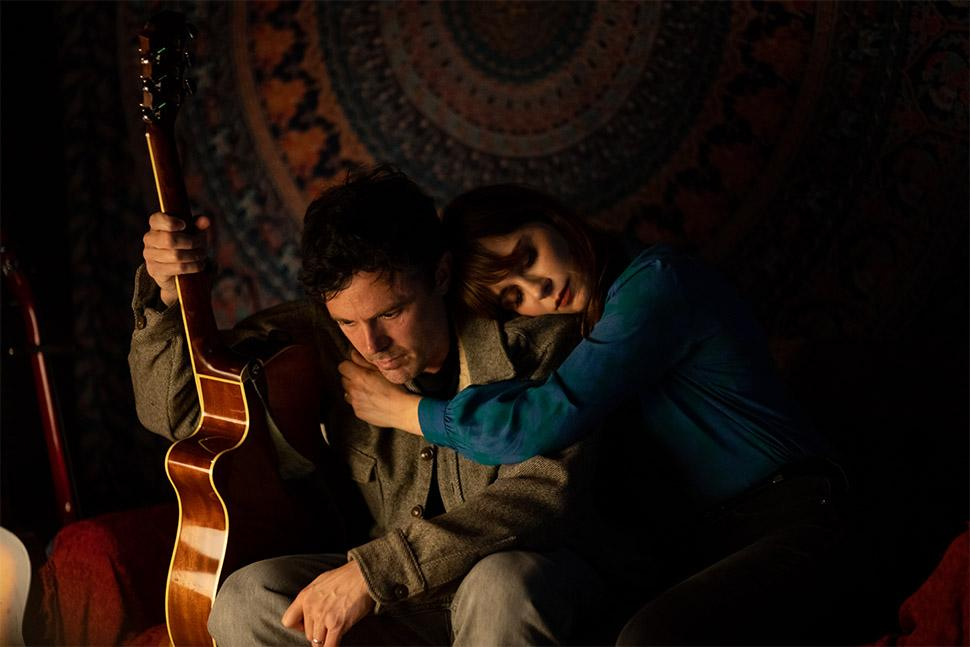
Dreamin’ Wild (Dir. Bill Pohlad)

Bill Pohlad, the Love & Mercy director returns for another music biopic, this time about the Emerson Brothers. Headlined by Casey Affleck who is as sure a bet for a great performance as there is in Hollywood today, the film captures the unbelievable story of the two brothers as they learn their 30-year-old album has become one of the hottest tickets in the music industry.

★★★½

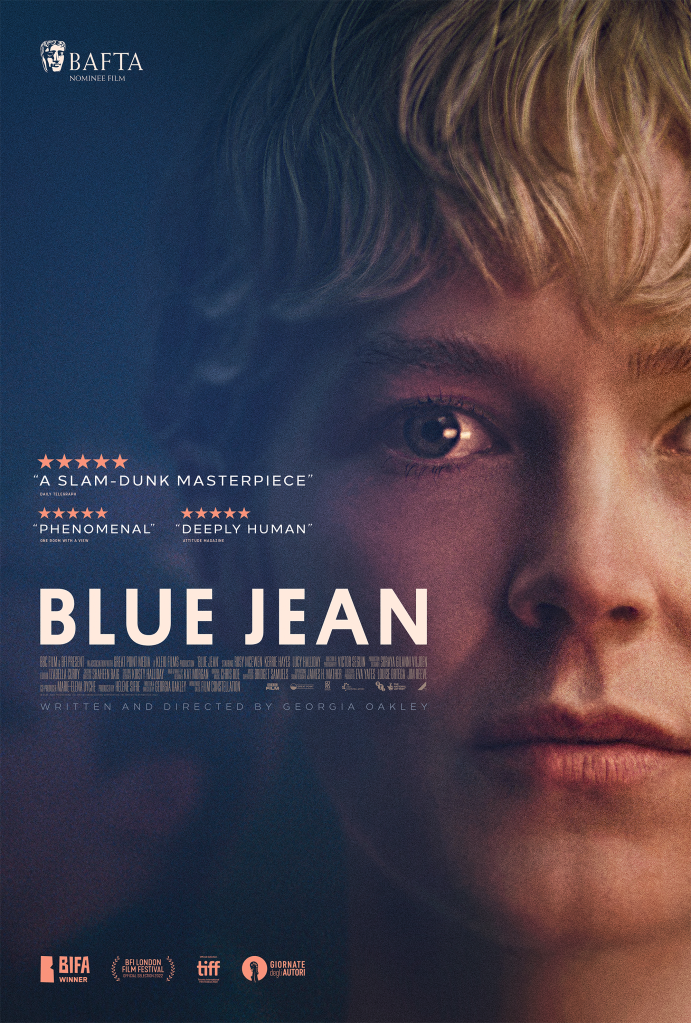
Blue Jean (Dir. Georgia Oakley)

Lesbianism in the era of Margaret Thatcher, Blue Jean tells the story of a gay gym teacher who while in a loving relationship finds the need to keep things hidden to keep her job. When she sees one of her students at the gay bar with her, she needs to balance being a good gay role model with protecting herself. This dichotomy is perfectly realized in the excellent film by Georgia Oakley.

★★★½

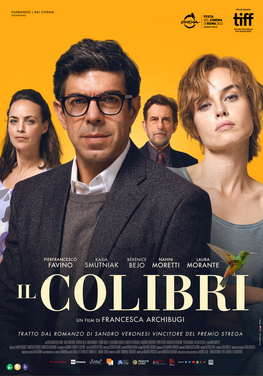
The Hummingbird (Dir. Francesca Archibugi)

The first half of The Hummingbird showed great promise from director Francesca Archibugi. The editing between timelines was seamless and orchestrated wonderfully to create a coherent story despite taking place in half a dozen eras. Unfortunately, the second half introduced more plotlines that were not as interesting, and the tight editing fell away.

★★½

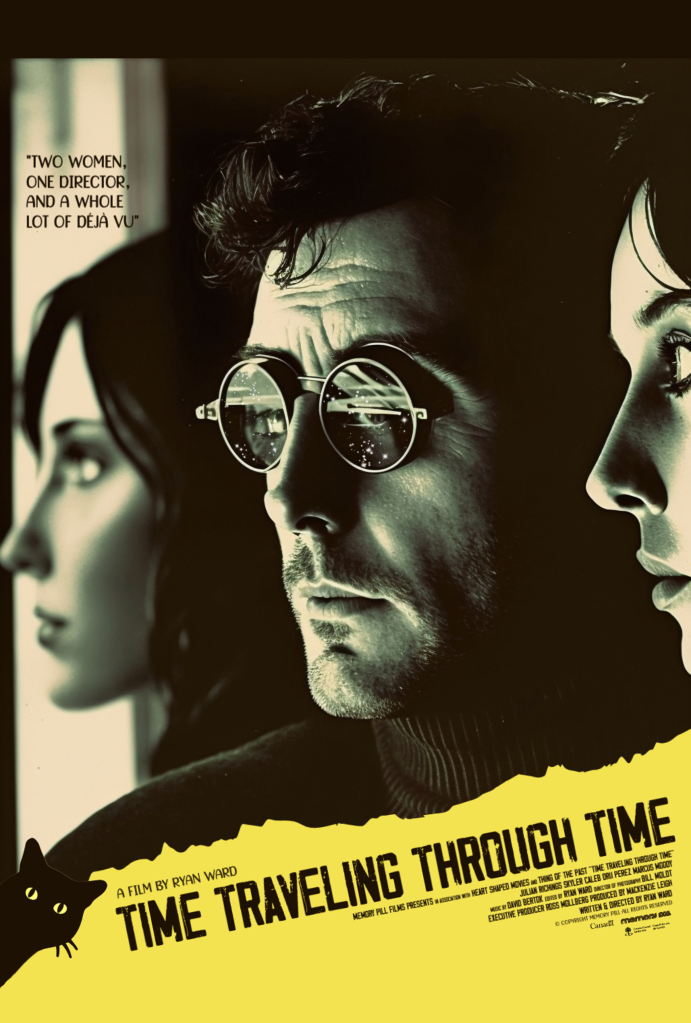
Time Traveling Through Time (Dir. Ryan Ward)

A comedic, short homage to Chris Marker’s La Jetée is more interesting in premise than in practice.

★½

LOLA (Dir. Andrew Legge)

My final in person film of the festival was a packed house to see this black and white science fiction. The women lead super geniuses who invent a form of time travel and use it to change the outcome of WWII was unique and a great while not the absolute best film of the festival was a fun way to close it out.

★★★

26.2 to Life (Dir. Christine Yoo)

Rehabilitiation stories are something I’m always open to receiving, and 26.2 to Life does a great job of humanizing the inmates at San Quentin State Prison. Christine Yoo uses the running program as a gateway to investigate the lives of the men who use it as an escape and a way to stay connected to life.

★★½

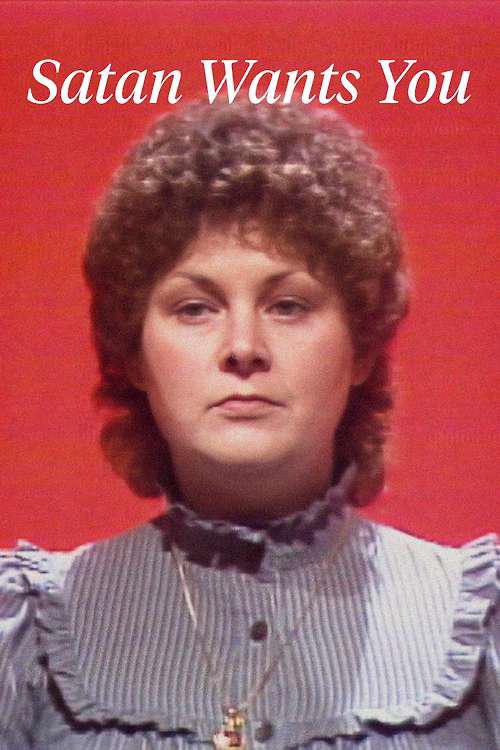
Satan Wants You (Dir. Steve J. Adams)

An intriguing documentary on the satanic panic scare and its source – The 1980 memoir Michelle Remembers, Satan Wants You as a rather cut and dry talking head documentary, but the subject matter is what draws you in.

★★½

Inglorious Liaisons (Dir. Chloé Alliez)

A unique depiction of teenagers (all portrayed by painted electric plugs and on/off switches). The short portrays what it’s like to be a closeted lesbian when everyone around you pushes you to get together with the cute boy.

★★★

Now I’m in the Kitchen (Dir. Yana Pan)

A very short sketchy animation about a woman remembering the impact her mother had on her through the catalyst of the kitchen.

★★★

The Voice in the Hollow (Dir. Miguel Ortega)

Very interesting art style, but a pretty bland story.

★½

Europe by Bidon (Dir. Samuel Albaric and Thomas Trichet)

A rather boring animated short of a man trying to immigrate to Europe.

★½

Pipes (Dir. Kilian Feusi, Jessica Meier, and Sujanth Ravichandran)

A very short, animated film of a bear fixing pipes in an underground gay club. Funny and sex positive.

★★½

Egghead & Twinkie (Dir. Sarah Kambe Holland)

Zoomer Scott Pilgrim but make it gay. I enjoyed Egghead & Twinkie substantially more than I thought I would. Not all the sequences worked as well as others, but it was still a fun coming of age story with a lot of style and a lot of heart. A great promise at what Zoomer cinema will look like.

★★★

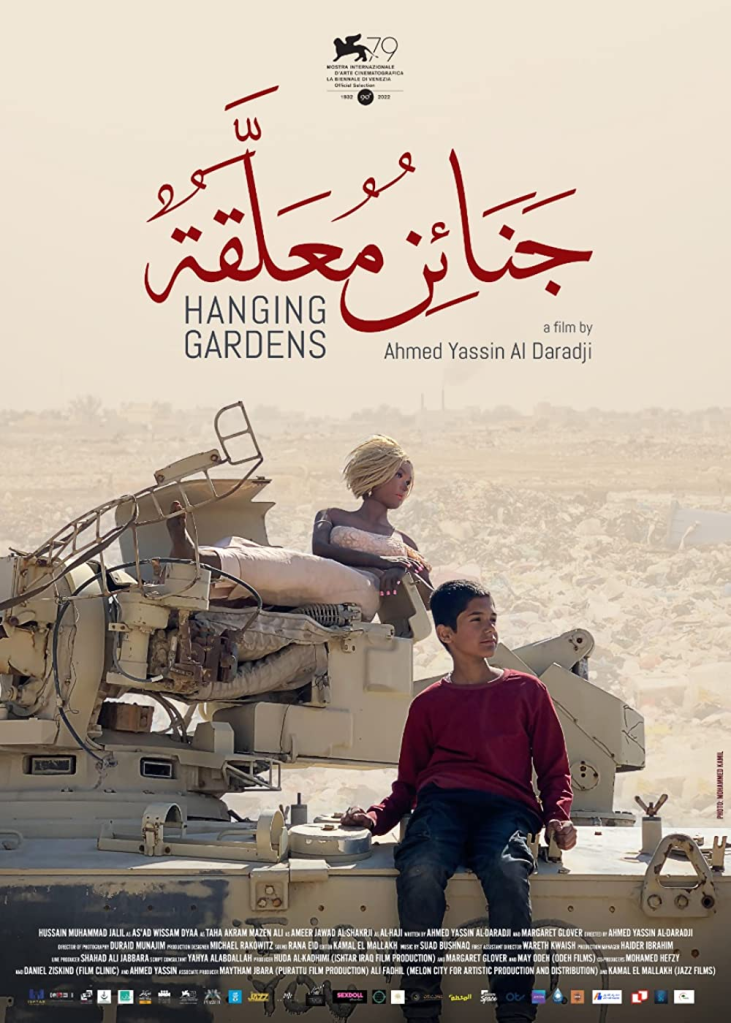
Hanging Gardens (Dir. Ahmed Yassin Aldaradji)

What if Lars and the Real Girl, were about a very young Iraqi boy. That’s essentially the premise of Hanging Gardens where the young As’ad finds a sex doll and sells the use of it for money while slowly becoming over protective of his findings.

★★★

Bad Press (Dir. Rebecca Landsberry-Baker and Joe Peeler)

An eye-opening documentary about something I knew nothing about (the lack of freedom of press in most Native American territories). The film follows a story of one papers struggle after their nation repealed the freedom of press act.

★★★

Adolfo ( Dir. Sofía Auza)

Everyone wants to make the next Before Sunrise, and few people succeed. Adolfo is an overly quirky version of the trope does not end up as one of the better ones.

★½

A Letter from Helga (Dir. Ása Helga Hjörleifsdóttir)

A Letter from Helga is a very slow film, and while that’s not a death knell for me – many of my favorite films would qualify as slow cinema – If you can’t create the right mood the slowness becomes boring. Unfortunately, Ása Helga Hjörleifsdóttir’s latest outing falls into the boring camp.

★★½

Le Coyote (Dir. Katherine Jerkovic)

A man agrees to take on the son of his heroin addicted, estranged daughter while she goes to rehab in this quiet, understated film. Very slow and very quiet to the point of it being distracting watching at home as pat of SIFF’s virtual festival.

★★

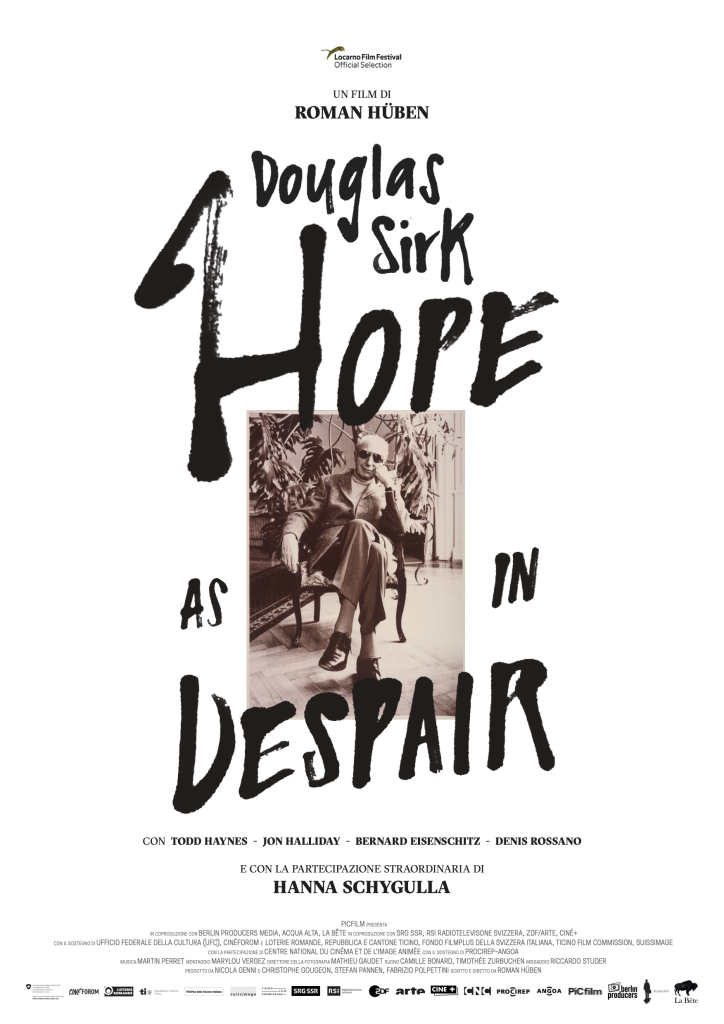
Douglas Sirk – Hope as in Despair (Dir. Roman Huben)

An extremely dry documentary about the renowned melodrama filmmaker, Douglas Sirk. I love Sirk and am interested in learning more about him, but even with that I struggled to pay attention to the film it was so barren of style.

★½

Snow and the Bear (Dir. Selcen Ergun)

In a part of Turkey where winter never seems to end a nurse Aslı (Merve Dizdar) arrives in a small town where the local doctor is unable to reach and begins her compulsory service. The film is a perfect watch on a scorching hot summer day as director Selcen Ergun captures the cold in a way that will chill anyone to the bone.

★★★

20 Days in Mariupol (Dir. Mstyslav Chernov)

Horrific and gruesome, 20 Days in Mariupol uses its unprecedented access to war torn Ukraine to create a moving documentary. That said, outside of proximity, the documentary doesn’t bring anything new to the medium. Still a miraculous story to tell.

★★★
Watched in 2022 – Week 2

Week two of the new year was much like week one for my film watching. I placed a heavy priority on making a dent in my personal Criterion collection that I have not yet watched. This will undoubtedly be an ongoing project as I have fallen quite behind on my watching. Additionally, with the final best of 2021 lists hitting this week, I spent supplemented my Criterion diet with a steady stream of 2021 films that the critics I follow suggested.

Hiroshima Mon Amour (1959, Dir. Alain Resnais)

Review: 'Hiroshima Mon Amour' - Chicago Tribune

Alain Resnais’s French New Wave feature is an exploration of the things in which all is fair: love and war. Emmanuelle Riva plays an unnamed French woman in Hiroshima to act in a movie that is using the location to tell a story of piece. In the last days of her shoot she meets a Japanese man – played by Eiji Okada – and the two fall instantly in love. From that set up, the film follows the two around the city for 24 hours as they discuss what Hiroshima, and the bomb, means to them along with their experiences in love and their longing to stay together. The film relies heavily on passion, not just between the characters but the passion that each actor is able to impart upon the role. The “will they won’t they” push and pull between the two creates stellar drama and is only capable of doing so because the film is so well acted.

Wings of Desire (1987, Dir. Wim Wenders)

Five visual themes in Wings of Desire – Wim Wenders' immortal film about  watching | BFI

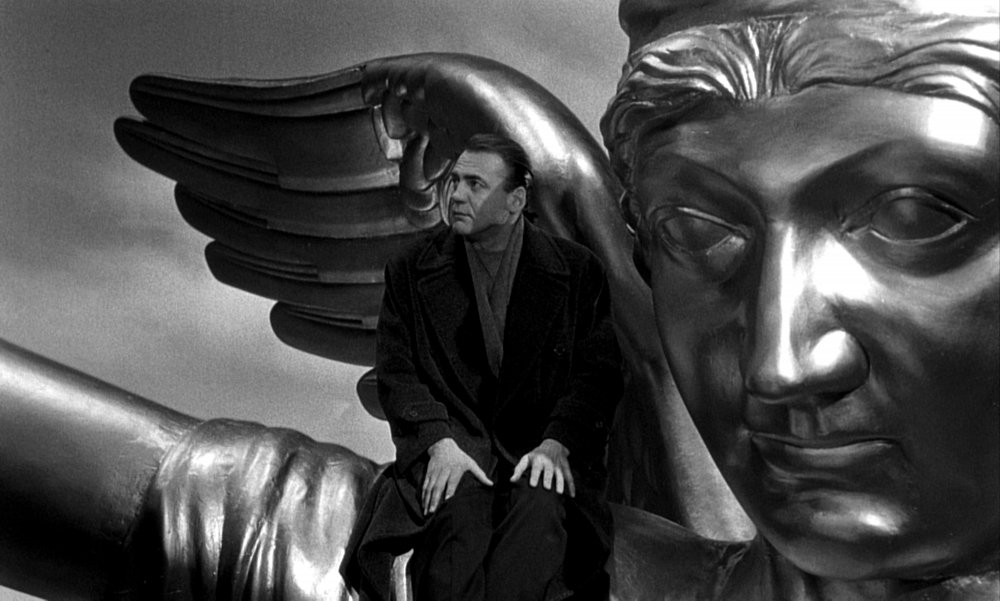
Wings of Desire is a wonderful meditation on humanity from German auteur Wim Wenders. The story of an angel Damiel (Bruno Ganz) who so loves the humans that he observes as part of his angelic purpose that he choses to forfeit his immortality and live as one of them. The fallen angel story may be what the film ultimately builds to, but it makes up relatively little of the actual runtime. Instead Wenders spends the first three quarters of the film in Damiel’s angelic shoes watching humans and hearing their inner thoughts through voice over. This cinematic decision to spend so much time from a voyeuristic works perfectly for the medium of film and can even be seen as a loving tribute to the cinematic experience.

Bitter Rice (1949, Dir. Giuseppe De Santis)

Bitter Rice (1949) | The Criterion Collection

Giuseppe De Santis made an Italian film that felt at home with the output of Hollywood in his 1949 feature Bitter Rice. Leaning heavily on the noir sensibilities that were prominent at the time the film tells the story of Francesca (Doris Dowling) a woman who upon committing a burglary with her partner Walter (Vittorio Gassman) finds cover by joining the annual rice harvest done exclusively by women. It is there that she meets Silvana (Silvana Mangano) and the three of their futures become entangled. The setting of a women only provides a uniqueness to the crime story. It centers the story around female friendships and is the better for it.

The World to Come (2021, Dir. Mona Fastvold)

The World to Come' Review - Variety

The lesbian period drama is undeniably cliched by this point, but when they are done well, they can still be moving. The World to Come is a lesbian period drama done well. Much of that is due to the aft directorial hands of Mona Fastvold.  She focuses on the intense longing between Abigail (Katherine Waterston) and Tallie (Vanessa Kirby) rather than any of the physicality they experience. This results in a passionate forbidden love story that titillates the senses without exposing a single breast. The World to Come is one of the most emotionally riveting films of the last year.

Swan Song (2021, Dir. Todd Stephens)

Movie legend Udo Kier is a hairdresser on a quest in the trailer for Swan  Song | EW.com

Watching Udo Kier dance to Robyn’s “Dancing on My Own” is one of the most fun moments cinema in 2021 had to offer. In Swan Song, he plays Pat and aging, gay, retired hairdresser who is propositioned to come out of retirement for one last job doing a deceased woman’s hair for her funeral. This excuse to leave his nursing home sets Pat on a trip down memory lane as he regains his sense of self. Kier makes this movie as special as it is. In story and direction, the film may be unremarkable, but Kier’s performance elevates the film with his wonderful camp and charisma.

The Worst Person in the World (2021, Dir. Joachim Trier)

The Worst Person in the World

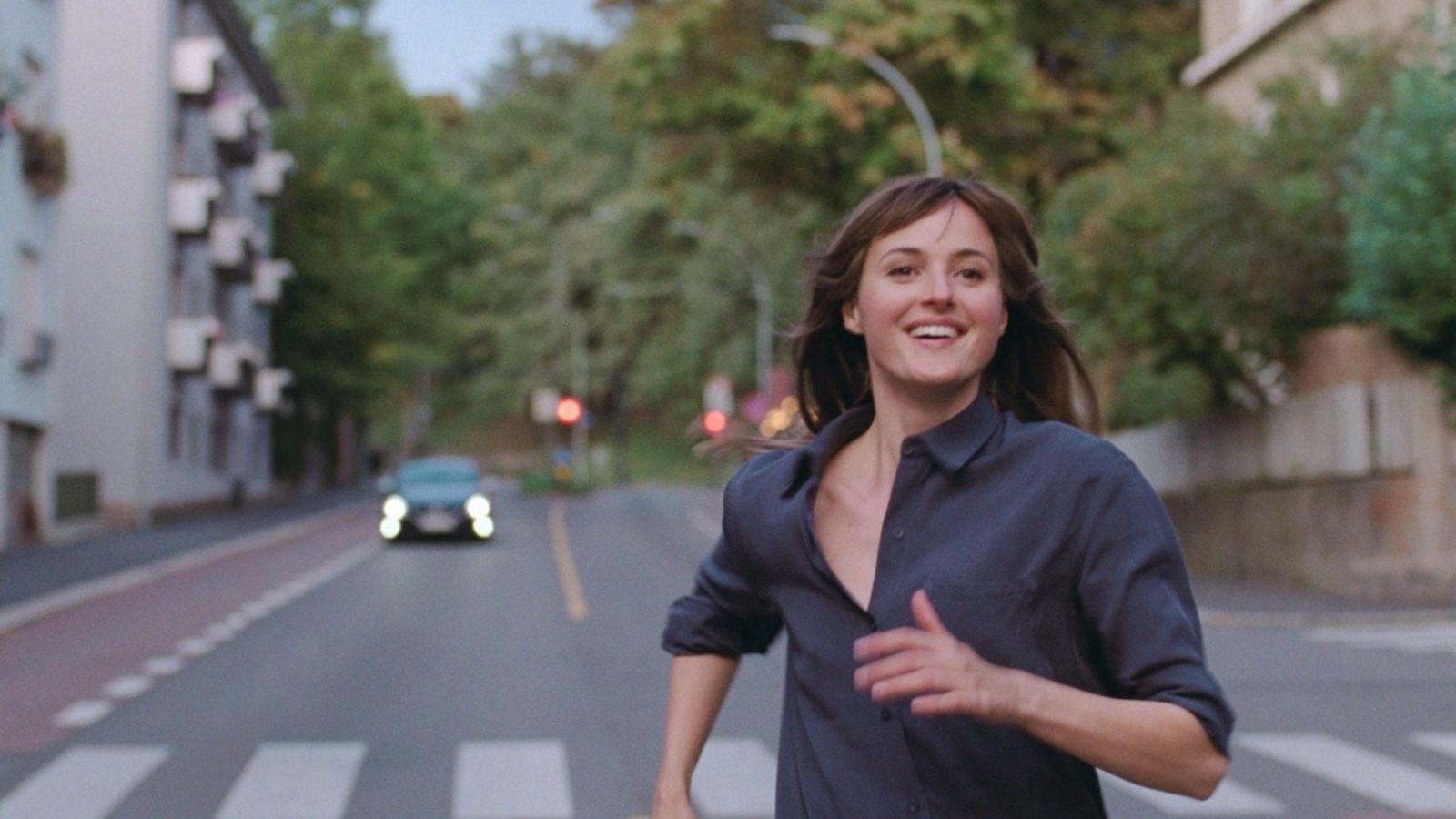
Julie – played miraculously by Renate Reinsve – is not the worst person in the world; in fact, she is no different than many 30-year-old millennials. She speaks out a little more than the older generations find comfortable, and she makes some questionable decisions. They just all come along with the uncertainty in life that this generation feels. Director Joachim Trier captures the listlessness of the quarterlife crises that has extended well past its appropriate end date. As the film progresses, it leans heavier on Reinsve. The emotions become stronger as her life becomes more complicated and Reinsve delivers at every moment.

All Light, Everywhere (2021, Dir. Theo Anthony)

All Light, Everywhere movie review (2021) | Roger Ebert

All Light, Everywhere is the new documentary by Theo Anthony examining human bias and blind spots specifically through the lens of police body cameras. The imperfections of the police body cameras are clearly stated by the film: the cameras are “watching what happened to them [the police officers] but not what they did”. This imperfection in the visual prophet obscures facts about events in ways that stack the deck for the police officers. The film waxes on philosophically about the nature of vision and captured image in between the moments more directly related to police observation, but the connection is at times nebulous, and the film comes across as rather naval gazey.

A Woman Under the Influence (1974, Dir. John Cassavetes)

Find Cassavetes Confusing? Start Here - The New York Times

Mable (Gena Rowlands) is under many influences. These start superficially with her drunken escapades, but eventually the influences become more nebulous. Her roles as a mother and wife weigh down on her as does some good old fashioned mental illness. Rowlands plays this overwhelming break on her psyche over the top, but the performance never feels of camp. Instead, her performance feels like the only appropriate way to play her character’s ailment. It comes across as both exaggerated and grounded at the same time. The actions she is making may be extreme, but the emotion and fear behind them strike as true.

Mon Oncle (1958, Dir. Jacques Tati)

Mon Oncle (1958) directed by Jacques Tati • Reviews, film + cast •  Letterboxd

I am going to be honest, I do not really get the Monsieur Hulot films. They have their moments, and Mon Oncle is no different, but they just feel like low energy Charlie Chaplin films. Hulot as a protagonist is so passive that when funny things happen around him, they are often shrugged off with out really playing into the absurdity. This leads to a film that surely arouses some chuckles but never any uproarious laughter.

The Last Duel (2021, Dir. Ridley Scott)

The Last Duel' Ending, Explained - Was Marguerite Telling The Truth? | DMT

The first of two Ridley Scott films in 2021 tells the graphic story of two friends turned enemies who are set on a course to battle each other to the death in 14th century France. The film is told through the Rashômon trope of telling the same story through different viewpoints. That being of the two rivals, Sir Jean de Carrouges (Matt Damon) and Jacques Le Gris (Adam Driver) and Carrouges’s wife Marguerite (Jodie Comer). The Rashômon style adds a flare that the otherwise cut and dry period drama would be lacking and keeps the film’s pace up despite the two and a half hour runtime. It’s always a risk to directly compare your film to a classic, but it worked well for Scott in The Last Duel.

Watched in 2022 – Week 1

While in 2021 I attempted to, and succeeded in for half a year, watch and write about one film a day, I know that I’m not quite in the place to do that this year, so instead I’m going to attempt to watch one film a day but just write up a weekly report on what I watched. After a mad dash to watch as many 2021 films as I could in December, I decided that January would be something very different. There are dozens of Criterion films that I own but have not watched, and this month I am going to make a dent in that number. Though, while my 2021 movie binge for my year end list may be over, I make it a priority each year to see every film nominated for an Oscar, so I will be sneaking some newish releases in with my Criterion binge.

Léon Morin, Priest (1961, Dir. Jean-Pierre Melville)

Léon Morin, Priest (1961) | MUBI

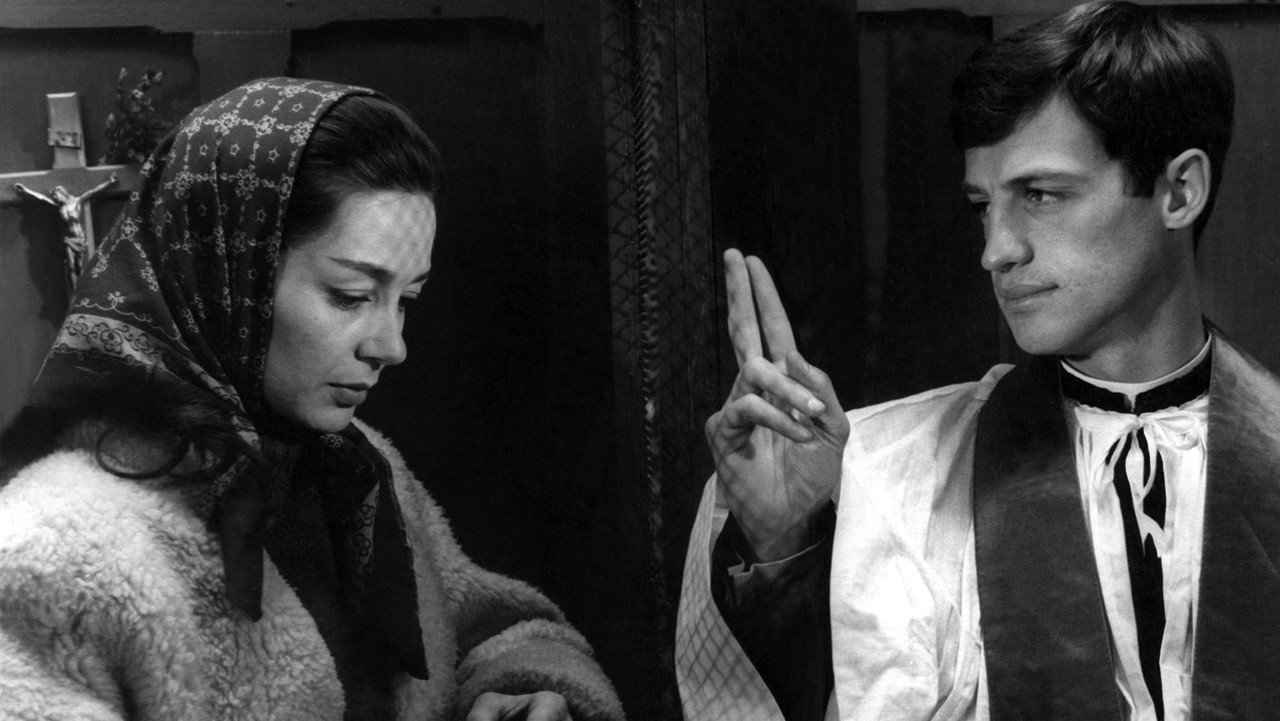
Set in WWII occupied France, Léon Morin, Priest stars Emmanuelle Riva as Barny, an atheist woman who becomes ennamored with the local Catholic priest Léon Morin played by Jean-Paul Belmondo. The film includes some light slice of life moments for Barny as she works and raises her daughter, but once she meets Morin the film focuses almost entirely on the evening meetups between the two and the transformative effect it has on Barny. While religion plays a major role in the film and Morin quotes scripture at time, Léon Morin, Priest never feels preachy towards its audience. Rather than attempt to spread the gospel outwards, director Jean-Pierre Melville focuses on the relationship between the two leads.

Rosetta (1999, Dir. Jean-Pierre and Luc Dardenne)

Rosetta (1999) - IMDb

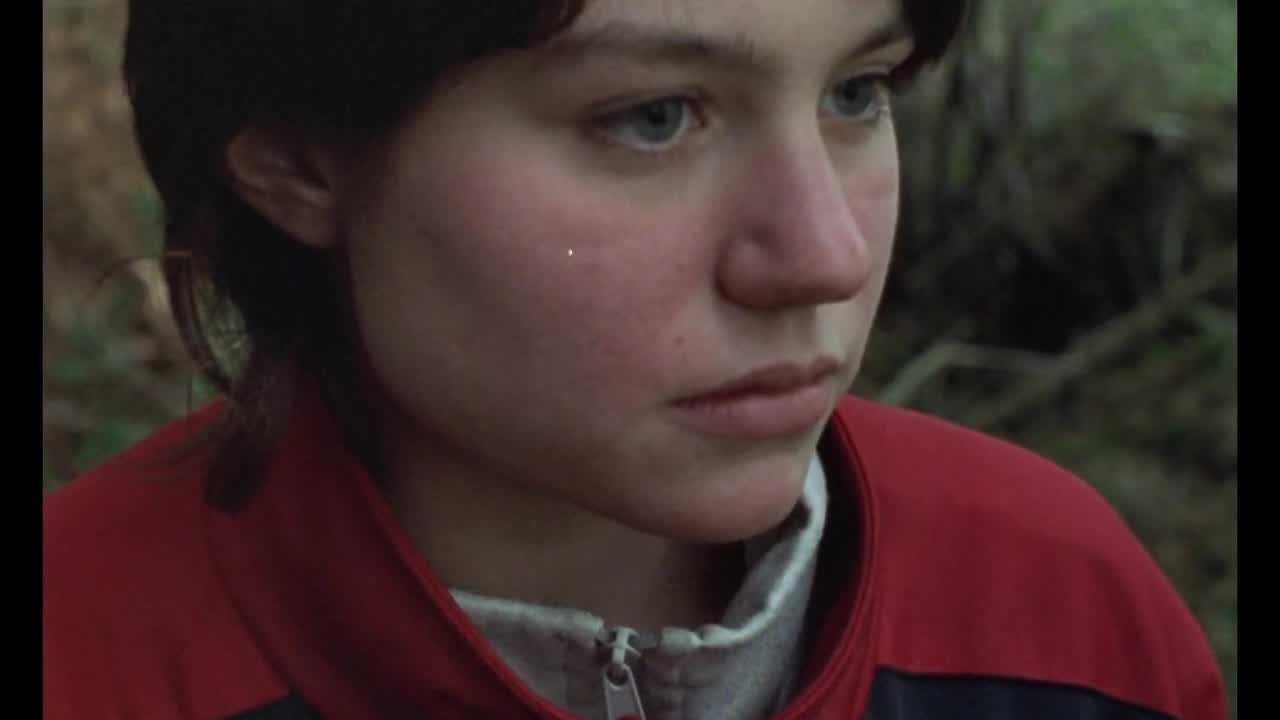
The Palme winning Rosetta from brother directors Jean-Pierre and Luc Dardenne is a masterclass in narrative cinéma vérité. The film follows Rosetta portrayed masterfully by Émilie Dequenne as she jumps from working class job to job in search of one that will keep her. Shot entirely handheld, the camera spends the entire runtime fixated on Rosetta. This shaky style imparts a level of urgency on the story as Rosetta struggles to find a lasting job to secure her housing. The Dardenne’s frequently focus their films on the trials of the working class, and their depiction of it has never seemed as desperate as it does in Rosetta.

Jane B. by Agnès V. (1988, Dir. Agnès Varda)

Jane B. par Agnes V.': Film Review – The Hollywood Reporter

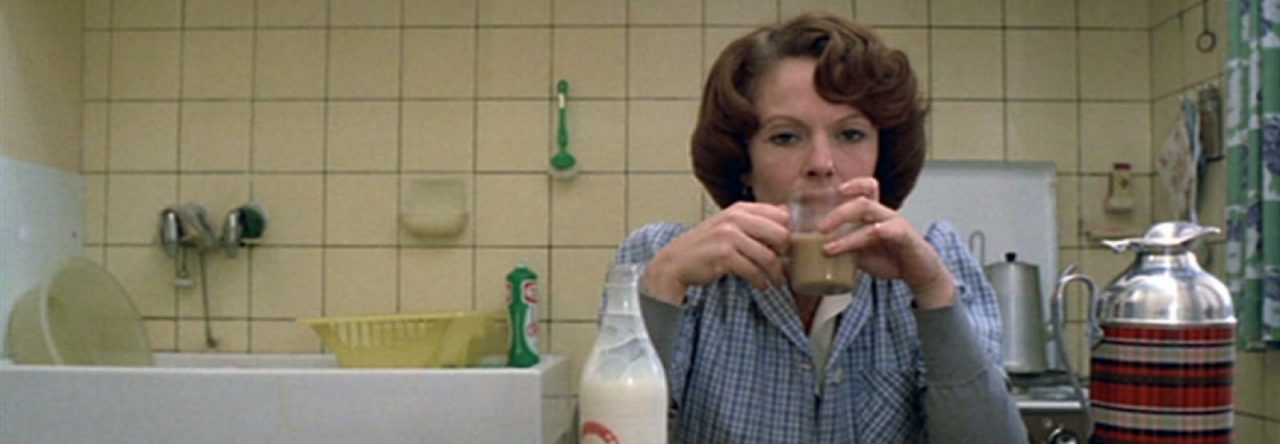
Agnès Varda was one of the most unique documentarians to ever touch the medium and in Jane B. by Agnès V. she tackled the cinematic portrait for actress Jane Birkin. While most cinematic portraits are created largely in the editing room by borrowing from previous interviews and cinematic works, Varda decided to shoot everything new. This meant not only new interviews but shooting scenes from fake movies to fill the time. This distinctive choice blends well with the trademark of Varda’s documentaries: how she inserts herself as a character. In all her documentaries, Varda plays the audience surrogate seeking out knew knowledge with an eager disposition. This self-insertion would become more pronounced in her later documentaries, but it still shines through her.

All About Eve (1950, Dir. Joseph L. Mankiewicz)

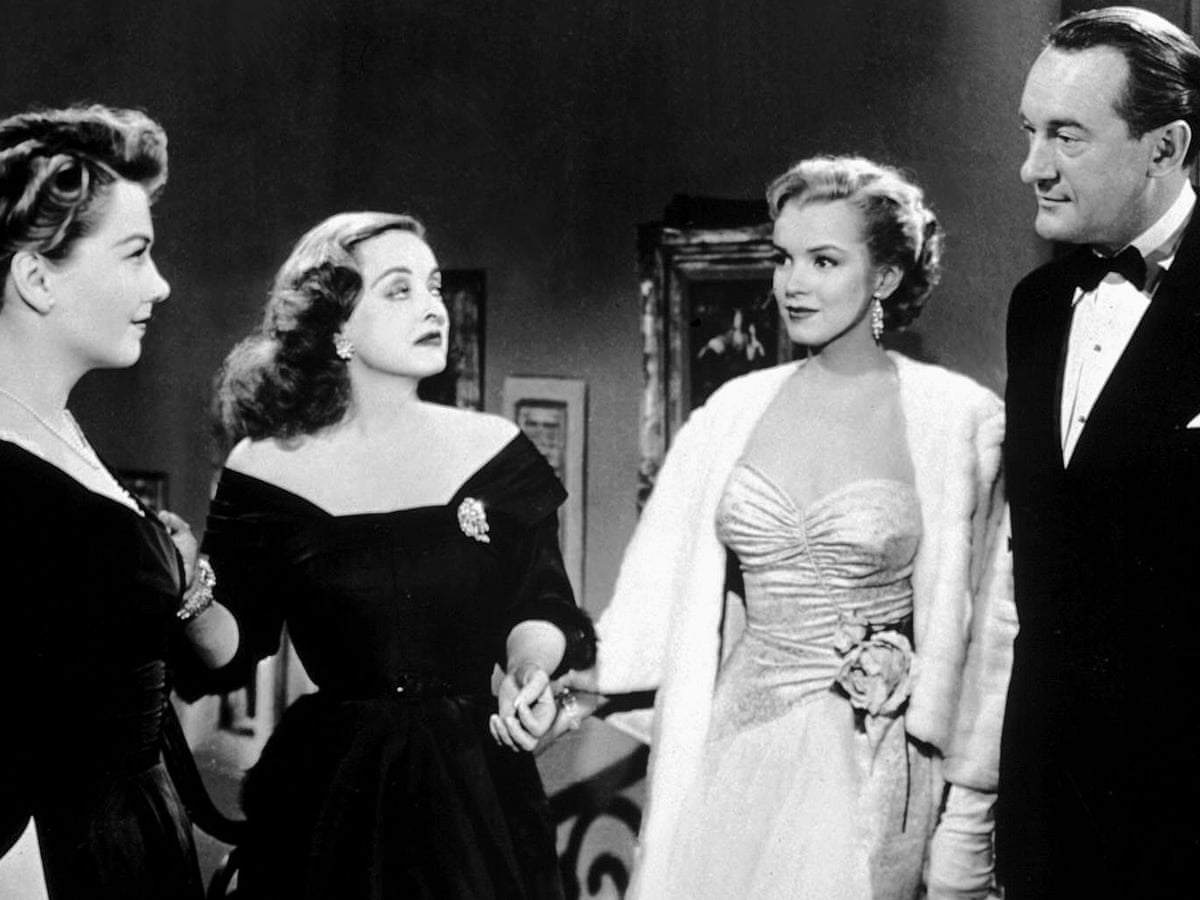
All About Eve is a perfect feminist film – how did the play get it so  wrong? | Drama films | The Guardian

The best picture winner at the 1951 Academy Awards, All About Eve is filled with amazing performances – it received five acting Oscar nominations – but it is the man behind the scenes who deserves most of the credit. Joseph L. Mankiewicz penned one of the all-time great screenplays in addition to directing it masterfully. The character of Eve (Anne Baxter) is wonderfully duplicitous as she connives her way to fame all with a demure smile upon her face, and while Baxter does an amazing job, it’s Mankiewicz’s prose that truly elevates the film. All About Eve is a wonderful piece of classic Hollywood delivered by one of the most renowned writers.

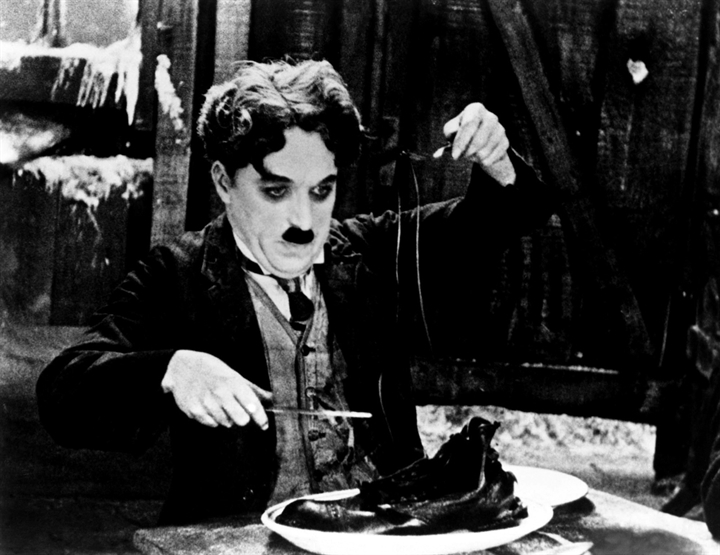
The Gold Rush (1925, Dir. Charles Chaplin)

On This Day | The Jethro Tull Forum

One of the classic Charlie Chaplin films, The Gold Rush delivers some of the best physical comedy that the acclaimed actor director would ever produce.While not the most culturally relevant film Chaplin would make The Gold Rush is arguably one of the funniest films that he would. Moments like Chaplin and Big Jim McKay (Mack Swain) eating away at Chaplin’s shoe (and Chaplin’s character going without a right shoe the rest of the film because of it) or the two of them trying desperately not to fall out of the house which has found itself precariously perched over a mountain bring plenty of laughs.

Veronika Voss (1982, Dir. Rainer Werner Fassbinder)

Veronika Voss in Vancouver | Current | The Criterion Collection

Part of Rainer Werner Fassbinder’s BRD Trilogy exploring post war Germany, Veronika Voss does so more by allegory than anything direct. Rosel Zech plays the titular Veronika, a movie star who had a thriving career during the war years but has since fallen on hard times. Fassbinder’s direction compares Voss’s struggles to that of the German people. Her struggles with addiction as Dr Katz (Annemarie Düringer) takes advantage of her reflects how the German people who were not guilty of war crimes must have felt during that period. Outside of the Allegory, Veronika Voss works as an effective noir film with Robert (Hilmar Thate) as sports journalist playing the detective role. The mystery of Voss’s predicament and the way in which it quickly accelerates makes for riveting filmmaking.

Being the Ricardos (2021, Dir. Aaron Sorkin)

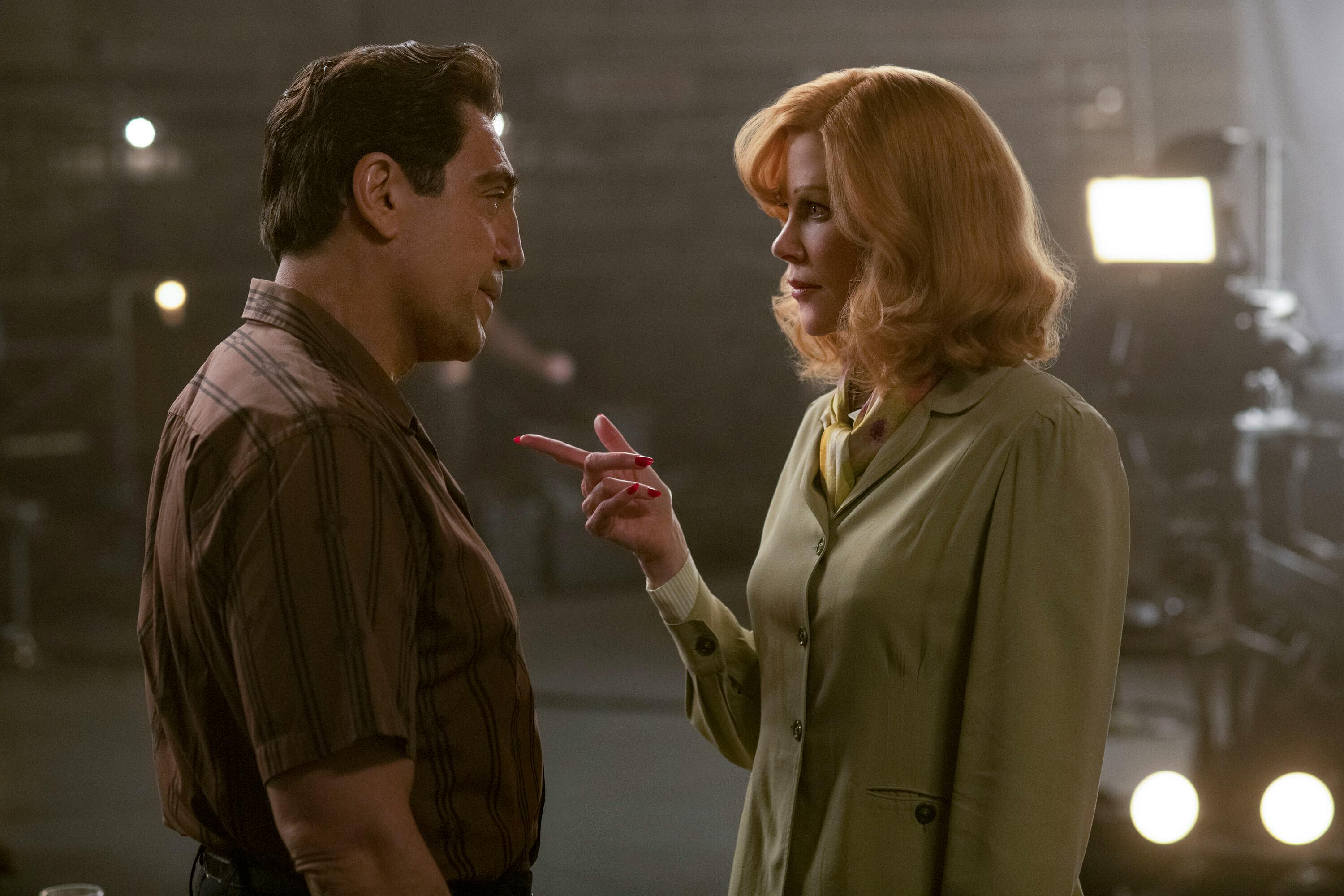
Being the Ricardos' examines why we love Lucille Ball (and Nicole Kidman) |  Star Tribune

In the new offering by Aaron Sorkin, he uses the week of I Love Lucy rehearsals after Lucille Ball was interviewed under suspicion of being a communist to tell the story of the acclaimed actor’s life. Nicole Kidman plays Ball in a performance that is the clear highlight of the film. Kidman is transformative in her portrayal of the 50s icon. This acting performance is held back by a rare weak screenplay from the Oscar winner. The non-linear aspects to the story and the intercuts to older versions of characters explaining what the film just or would show causes the flow of the film to come to an abrupt halt at multiple times.

Eternals: Quiet in a Loud Genre

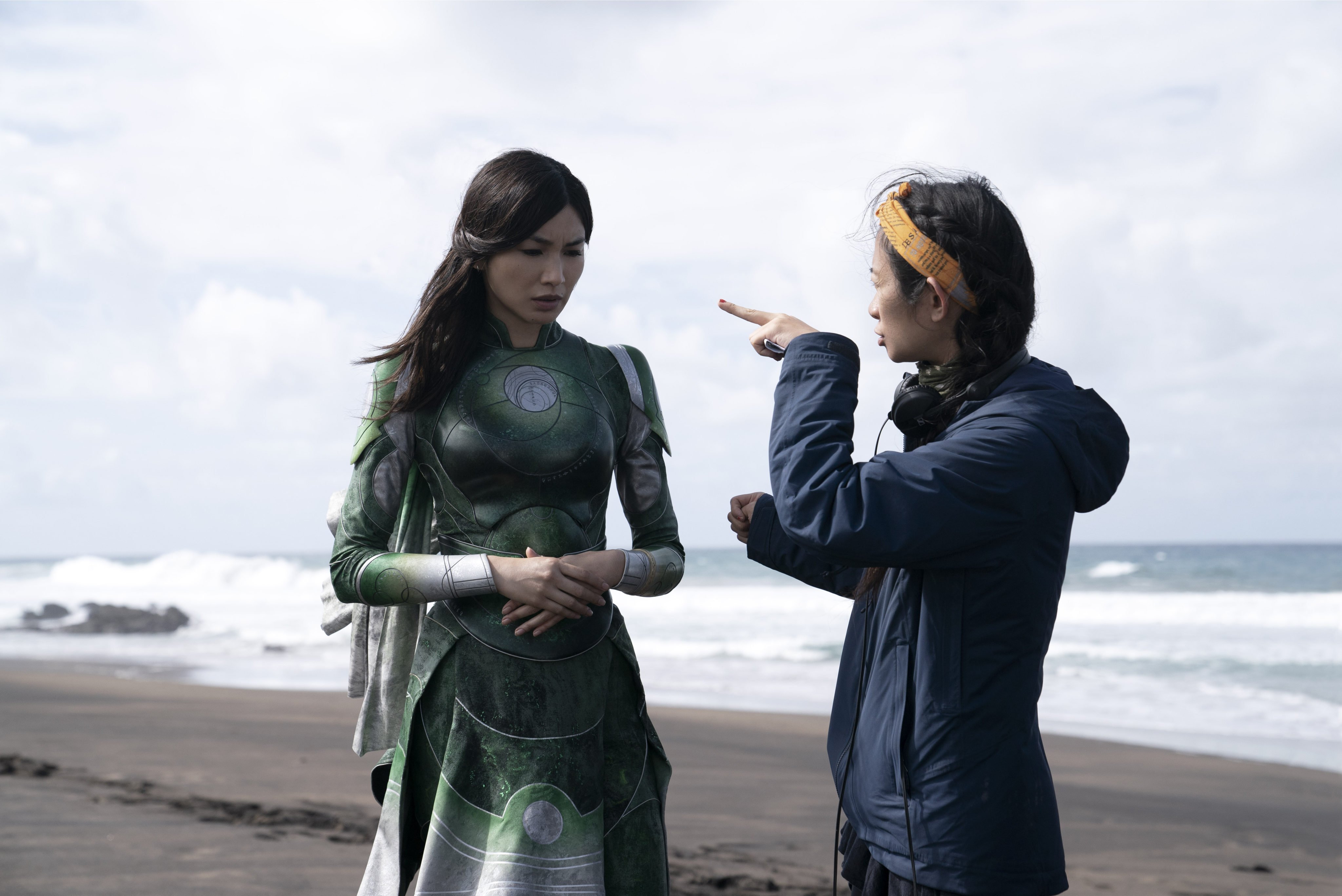
Where Chloé Zhao filmed Marvel's Eternals: the locations that stood in for  the Amazon rainforest, Alaska and ancient Babylon | South China Morning Post

Eternals, the most recent film in the Marvel Cinematic Universe, is proving to be one of the most divisive in the series. Much of the divide amongst both critics and audience alike can be attributable to Academy Award Winning director Chloé Zhao’s quieter sensibilities. Her penchant for tone poems may have made her a peculiar choice for the action heavy genre, but her more subdued style is a welcome breath of air for a genre that can be frantic at times.

While the film is inherently plot driven, with countless action scenes as Marvel requires in all their films, Chloé Zhao keeps an emotional arch at the center of her film.  By the start of the movie, Sersi (Gemma Chan), Ikaris (Richard Madden) and the rest of the Eternals have lived for millennia. In that time, they have experienced countless lifetimes of emotion; they’ve experienced both endless joy and heartbreak. Sersi and Ikaris have spent eons in a loving relationship, and just as much time hurtfully apart. This baggage weighs heavily on Sersi as she begins a new emotional journey with a mortal, Dane (Kit Harington). When the deviants, the creatures the Eternals were sent on Earth to destroy, return, Ikaris and Sersi are thrust back together forcing Sersi to process her emotional baggage so she can fully commit to a relationship with Dane. This is the emotional core that Zhao relies upon to bring something personal and relatable to the loud franchise.

The strongest parts of the film for building these characters are the extensive flashbacks. In these, each of the Eternals in turn experiences a defining moment of their long lives. These often don’t come in battle, but in helping the humans progress and live fuller lives. For example, sitting down with a mortal cooking a simple dinner imbues Sirsi with empathy that guides her life for the centuries to come. These moments are where Zhao’s voice comes through the loudest. She enables her characters to evolve on their own without plot dictating what they should become. While it is still much more restrained version of Zhao’s other work, her auteurial signature pushes through, nonetheless.

Where Zhao’s influence is felt the least is unfortunately in the entire third act during which all character nuance is disregarded so that an overblown fight can take place. This fight sequence could fit in just fine with any other film in the Marvel library, but Zhao was building to something more. Her film deserved a more emotionally driven climax as part of the action. Instead, the film falls prey to the same soulless fight sequences that fans of Marvel fans have seen dozens of times before.

Eternals more than any other Marvel film allowed the distinct voice of its director to shine through the standard formula. Her use of flashbacks allowed her the slower pacing she uses so well to ensure that her characters develop organically. However, a completely disconnected third act leaves the film feeling like two separate entities. Zhao’s influence comes back for the film’s resolution and is strong enough throughout to warrant a recommendation. It would just be nice to see Marvel trust their directors with complete control of a film rather than micromanage all the action sequences.

Bergman Island

Bergman Island' Movie Streaming Review: Stream It or Skip It?

Perennial festival darling Mia Hansen-Løve returns for another film that is destined to receive plenty of critical acclaim if not much commercia success. Bergman Island like all Hansen-Løve films focuses on mastering the intimate to tell a story that is both incredibly specific and eminently relatable at the same time.

Bergman Island tells the story of Chris (Vicky Krieps) who follows her husband Tony (Tim Roth) to the titular Bergman Island to work on her next film while her husband teaches a series of masterclasses. After a prolonged bout with writer’s block, she takes inspiration from her surroundings and writes most of her next project. The second half of the movie cuts between the movie’s reality and the Chris’s eventual film within the film starring Mia Wasikowska as Amy and Anders Danielsen Lie as Joseph.

Set on the isle of Fårö, Bergman Island leans heavily on the rich cinematic history of its setting. Hansen-Løve fills her camera with iconic imagery whenever possible but does not let the film turn into a simple travel brochure. Everything is in subservience of her characters. Chris, Tony, and Amy are all filmmakers, so their connection to the island and its famous locations provides a reason for the shots of Bergman’s legacy. The balance of utilizing her setting and but not letting the setting use her is a real strength Hansen-Løve shows throughout the film.

The film’s genius shines through the most in the second half when telling of Chris’s in progress movie leads to a blend of reality. Amy and Joseph while creations of Chris’s work also serve as proxies for the married couple. Hansen-Løve is a master of character work, and these doppelgangers allow her to flex those muscles. Chris and Tony’s relationship and life circumstances are dissimilar from that of Amy and Joseph and yet Hansen-Løve finds the through lines and creates a rich tapestry of human emotions and relations for the viewer to sample.

In her latest outing, director Mia Hansen-Løve delivers another superb picture featuring her strength of capturing interpersonal relationships. Her lead characters that the complexities of their emotions are front and center to the story. The stunt location decision feeds into her story seamlessly without becoming a distraction, and the decision to utilize a film within a film builds wonderful character depth. Bergman Island is a wonderful specimen of quiet yet deeply personal storytelling.

A 2021 Film Journey: Day 270

I don’t know what to say, but mental health is really hard. The way that my depression shows itself is by making me unable to participate in the things that I love. And I love film. Today I set out to start getting back in the habit by sitting down and forcing myself to watch something. It felt like more of a chore than I would have liked but getting back in the habit is worth it.

The Night of the Hunter (1955, Dir. Charles Laughton)

The Night of the Hunter | The Film Noir Report

I return to this project by checking off a huge blind spot. While The Night of the Hunter may not have been released to immediate critical acclaim – the film received zero Oscar nominations – in the 65 years that have followed Charles Laughton’s only directorial outing has become revered as one of cinema’s all-time greats. The morbid story of two children whose parents are both killed over a large sum of money and the crazed priest who stocks had a lasting impact. The tension that was built is all encompassing.

Much of that tension comes from the performance of Robert Mitchum as the priest and former convict Harry Powell. He builds a convincing argument as a stable preacher who can be trusted with the raising of two children. The second he is alone with the kids he turns his performance into a man to be feared. This dual faced performance is the clear highlight of the film, and his hymnal singing in the middle of the night is a lasting, haunting moment.

A 2021 Film Journey: Day 245

It was difficult to choose a film to watch today that would work with the soundtrack from yesterday’s film still ringing in my ears. While I couldn’t think of anything to watch that would match the eccentricity of Annette, one film did stick out in my mind as an apt follow up for different reasons. After two and a half hours highlighted by some of Marion Cotillard’s singing, I decided to visit the acting, and singing, performance for which she has her Oscar.

La Vie En Rose (2007, Dir. Olivier Dahan)

La Vie en Rose (2007) directed by Olivier Dahan • Reviews, film + cast •  Letterboxd

I am going to be honest; I do not have much to say about this movie. I have spent many of these daily entries talking about the pitfalls of the standard Biopic. La Vie En Rose falls for each and every one of them. By attempting to tell the entire life story of Édith Piaf, the film is an unwieldy 140 minutes, yet no part of the signer’s life is given adequate screen time. The film is left feeling both bloated and slight at the same time. Jumping back and forth between eras doesn’t do the film any benefits and leads to more confusion. This is a technique that can work well for Biopics that choose to focus on exactly two times in the character’s life, but since La Vien En Rose is all encompassing, this technique just muddles plot points, especially as the age difference between Ediths diminishes.

For all my misgivings about La Vie En Rose, I can not begrudge it the Oscars that it won. Marion Cotillard is brilliant in the lead performance, and her voice carries the film through its many musical moments. Similarly, the makeup department winning makes a lot of sense. Cotillard plays Piaf from the young age of 19 (Cotillard was 32 at the time) to age 47 where Piaf suffering from serious liver damage looked twice as old. The makeup department was responsible for this range to be possible.

A 2021 Film Journey: Day 244

Sorry for missing a few days again. I had to deal with a personal emergency of which the details I will keep to myself. I’m doing my best to distract myself by returning to normal with these reviews, but I may miss a day or two when the pain is stronger. Sad news aside, today I returned to 2021 releases for one of the films that I’ve been looking forward to the most.

Annette (2021, Dir. Leos Carax)

Annette: New Trailer Reveals Release Date for Upcoming Musical

9 years after creating the masterpiece Holy Motors, Leos Carax returns to the world of cinema to create Annette, a similarly ambitious film that’s slightly more grounded in plot with significantly more singing. Carax once again leans much more into spectacle than substance, and while that made for a masterpiece in his prior film, the slightly more conventional Annette gets occasionally lost in the outrageous style.

Adam Driver and Marion Cotillard star as Henry and Ann two highly successful artists working in very different mediums – Henry a comedian and Ann an opera singer – who are in love. They eventually marry and give birth to Annette, a very peculiar child. Not long after, disaster strikes, and Annette is bestowed a gift/curse. The plot of Annette is rather basic and not deserving of the 140-minute runtime, but the plot is not really the point. Annette lives and dies by its near constant musical pieces written by the Sparks brothers. These pieces fill in the holes in the film’s plot and create a cohesive whole worthy of the extended length.

It is easy to get lost in the simplicity of the story being told in Annette but doing so would be a disservice to the film. The Sparks brothers’ musical talents are on full display throughout the film starting with ‘So May We Start’ the opening song which also happens to be the film’s catchiest. While no other song lives up to that first number, the music is appropriate considering the rest of the film and still appealing enough to put the soundtrack on repeat for this reviewer.

In addition to the musical elements, Carax creates a unique viewing experience through creative editing, heightened production design, and uncompromised vision. The film has an almost enchanting quality to it as one is easily sucked up into the world that Carax is spinning. It leaves a viewer with a haunting afterglow that lasts well into the next day.

A 2021 Film Journey: Day 240

In continuance of my Spencer hype, today I watched another recent Kristen Stewart vehicle. I never really need an excuse to visit her filmography – something which many of my friends who only know her for the Twilight films find baffling – but having the reason allows me to visit some of her less critically acclaimed films.

Underwater (2020, Dir. William Eubank)

Underwater (2020) - IMDb

Underwater is another in a long line of films paying heavy homage – some might say ripping off – Ridley Scott’s masterpiece Alien (1979). It is a tried-and-true formula for a reason as the dimly lit corridors combined with terrifying monster design preys heavily on the psyche of viewers. Even as the archetype is copied into the ground, a strong execution of the Alien setup will deliver a satisfactory horror film and Underwater is just that.

Set miles below the surface, Underwater stars Kristen Stewart as a mechanical engineer working on a deep-sea drilling rig. When the drilling results in an earthquake critically damaging the rig and forcing a small group of survivors to make the trek via ocean floor to another facility with working rescue pods. Unfortunately, the earthquake brought something up from the depths which gets in their way.

Underwater is a fully adequate Alien clone with a great lead performance at its center. The film does very little special but still delivers an effective albeit conventional horror film. The monsters are horrific, and the film knows to keep them mostly hidden for greatest effect. Keeping Kristen Stewart front and center always helps the film succeed as she elevates the Ripley proxy into similarly captivating protagonist. While the film does not live up to the more experimental takes on the horror genre that A24 has been putting out in recent years, Underwater is still a solid watch for the horror connoisseur.