A 2021 Film Journey: Day 76

Today marks easily the earlies that I’ve watched all of the international Oscar nominated films (with respect to the date of the ceremony). Much of that is because of this project increasing the raw number of films I’ve seen since shortlists came out. That combined with the continued pandemic keeping me from seeing anything in the theaters made accomplishing the goal much easier this year.

The Man Who Sold His Skin (2021, Dir. Kaouther Ben Hania)

The Man Who Sold His Skin – trigon-film.org

This was a bit of an odd one. The Man Who Sold His Skin is an extremely literal title. The film is about a Syrian refugee Sam (Yahya Mahayni) who sells his back as a canvas to a famous painter in exchange for a new life in Europe. Upon signing a contract, he is given a full back tattoo and is required to sit silently in museums and private shows for hours on end.

The extreme literalness of the title betrays the flaw in The Man Who Sold His Skin. The film feels the need to spoon feed it’s metaphors to the audience. Sam selling his body to find a life away from the country that would see him killed is not subtle. The themes of exploitation are hard to miss. Despite this the film took a three scene break to add a subplot of a group of philanthropists who want to save Sam from exploitation. The subplot only shows up to hammer in the already apparent themes and is then quickly forgotten with nothing coming from the subplot in terms of story.

Bluntness aside, The Man Who Sold His Skin is still an effective film. The themes while overly explained are effective and explore a worthwhile topic. Similarly, director Kaouther Ben Hania is not without talent. The film is filled with complex shot compositions filled with mirrors. I would just have appreciated a film that trusted it’s audience more.

A 2021 Film Journey: Day 75

The time change from Sunday continues to plague me, but unlike yesterday where it resulted in me following up my evening film with a short, today I’m just exhausted. I did make it through a movie tonight, so I’m not backing down from goal, I’m just going to likely cut the write up a bit short so I can retreat to my bed. Anyway, today’s Oscar nomination watching was one of the two best picture contenders that I haven’t yet watched.

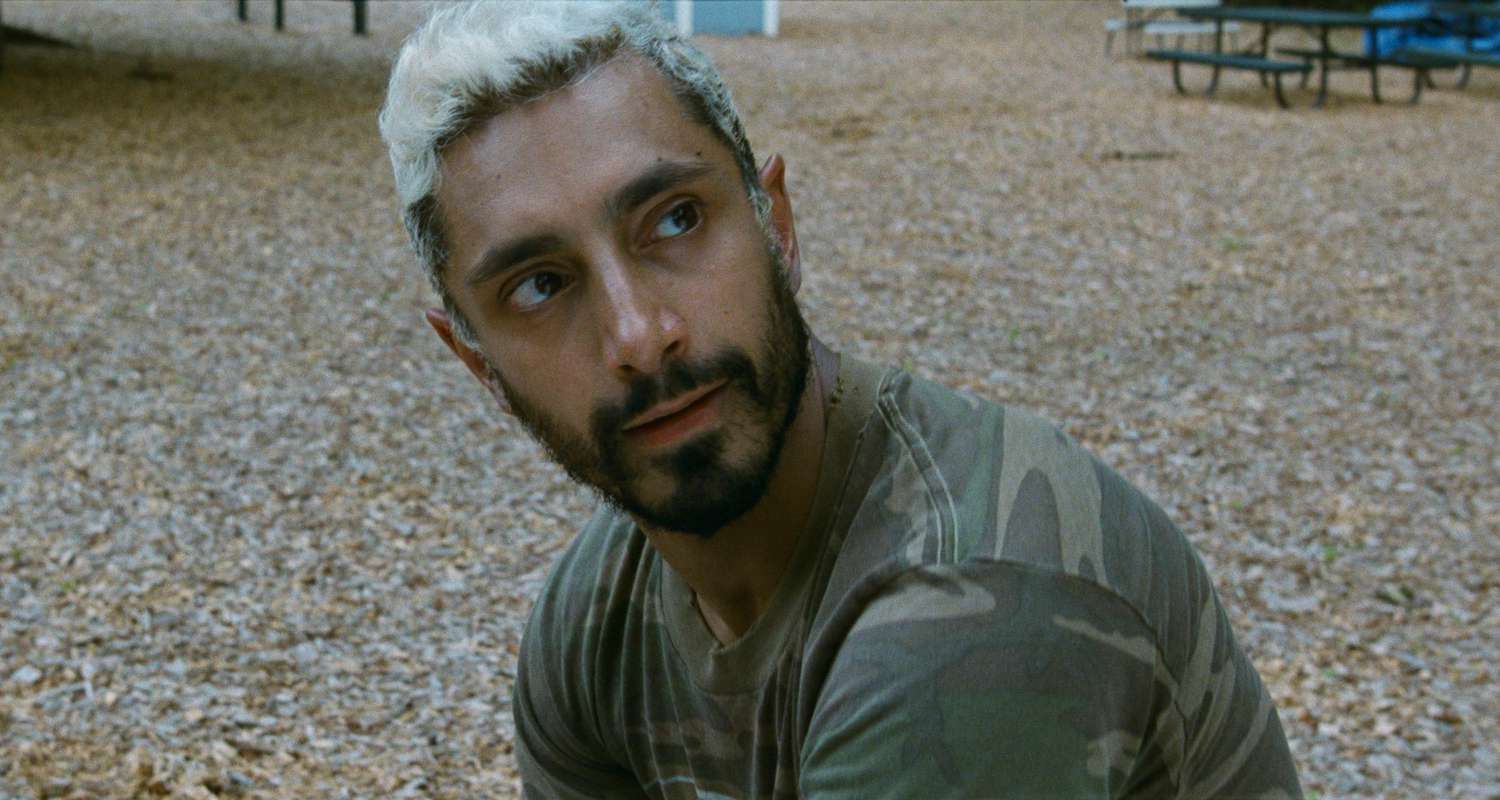
Sound of Metal (2020, Dir. Darius Marder)

Sound of Metal review: Riz Ahmed tracks a deaf drummer's journey in  standout indie | EW.com

Looking at the best picture contenders for the year, a consequence of the pandemic is that the major studios of the most part took a break from shoveling out Oscar bait at years end. This resulted in an extremely diverse lineup in all the major categories and a film like Sound of Metal being one of the most nominated films of the year when in a fuller year it may have been forgotten entirely. I say this not to disparage Sound of Metal, but just to comment on how happy I am that a film a good as it isn’t lost in a sea of mediocre period dramas.

Sounds is one on the fundamental building blocks of cinema, so Sound of Metal’s extensive use of empty auditory space was risky. Early in Ruben’s (Riz Ahmed) deaf journey, the moments of silence are unsettling and harsh. This uncomfortable sound design is purposefully. By being subjected to the subtitle free sign language with uncomfortable sound muffling, the audience is asked to share in Ruben’s misery. Once he has learned to be deaf, the sound takes a more welcoming tone. The film still has large periods of silence or muffled approximation of what Ruben hears, but the mix is less harsh reflecting Ruben’s familiarity with his condition. These subtle but distinct sound decisions perfectly enhance the film all about sound or the lack there of.

A 2021 Film Journey: Day 74

Happy Oscar nomination day. I post my initial reaction on the nominees earlier today here. With the list officially out, I can start planning my next month plus of viewings, and I’m in great shape to finish everything before the ceremony. In fact, coming in to today I only have 31 films to watch including both feature length and shorts. Even with a break for the Seattle International Film Festival in April this should be one of the easier Oscar binges I’ve ever gone through. Now to jump into this year’s nominations.

Crip Camp (2020, Dir. James Lebrecht and Nicole Newnham)

Crip Camp' is the Inspiring Netflix Documentary You Haven't Watched Yet |  Femestella

I’m going to try really hard not to judge Crip Camp for the sins of the Academy. It’s not this film’s fault that it received an Oscar nomination over Dick Johnson Is Dead (2020, Dir Kirsten Johnson), but comparing the two may help to explain my personal thoughts when it comes to documentary films.

Crip Camp was a fascinating watch. The subject matter was engrossing, and an alternate side of the civil rights movement is helpful in broadening understanding of a political movement. Especially in a year filled with films about other aspects of the 60s protests and movements, Crip Camp offering a similar yet unique perspective on the subject is a welcome addition.

The premise of the film is infinitely more than in Johnson’s story about preparing for the eventuality of her father’s passing, and yet I still would have much rather Dick Johnson is Dead be nominated if it had to be one or the other. What makes up the difference is the use of the medium. Crip Camp is made primarily of a mixture of home video and archival footage with talking head interviews. This is the same style that documentaries have been using since cinemas inception. I can’t really fault a film for using the tried-and-true method, but I’m looking for something more artistically unique in the crème de la crème of the medium. Crip Camp was good to great but didn’t have the artistic ambition to elevate it beyond that.


It’s late, but my internal clock is messed up from daylight savings so time to watch a short.

Opera (2020, Dir. Erick Oh)

This was a trip. Opera is a film with no narrative, but rather pure artistry. Reminiscent of painter Pieter Bruegel’s The Tower of Babel, Opera is nothing but a single see-through structure with extreme detail. Despite a mostly static shot, the 8-minute run time felt almost insufficient to appreciate every moving detail on frame. While more of an avant-garde than a narrative film, Opera is a fascinating artistic endeavor.

A 2021 Film Journey: Day 73

Tomorrow the Oscar nominations go live at an ungodly early time. In years past, I’ve attempted to wake up and live tweet them, but mornings have been difficult lately and that combined with today being the first day of daylight savings means I’m not even going to attempt it. Instead, I plan on writing up my thoughts as a bonus post tomorrow. Anyway, instead of continuing my Oscar shortlist binge, I chose to take a one-day break to watch a film I’ve been wanting to see for a while now before returning to nomination viewings.

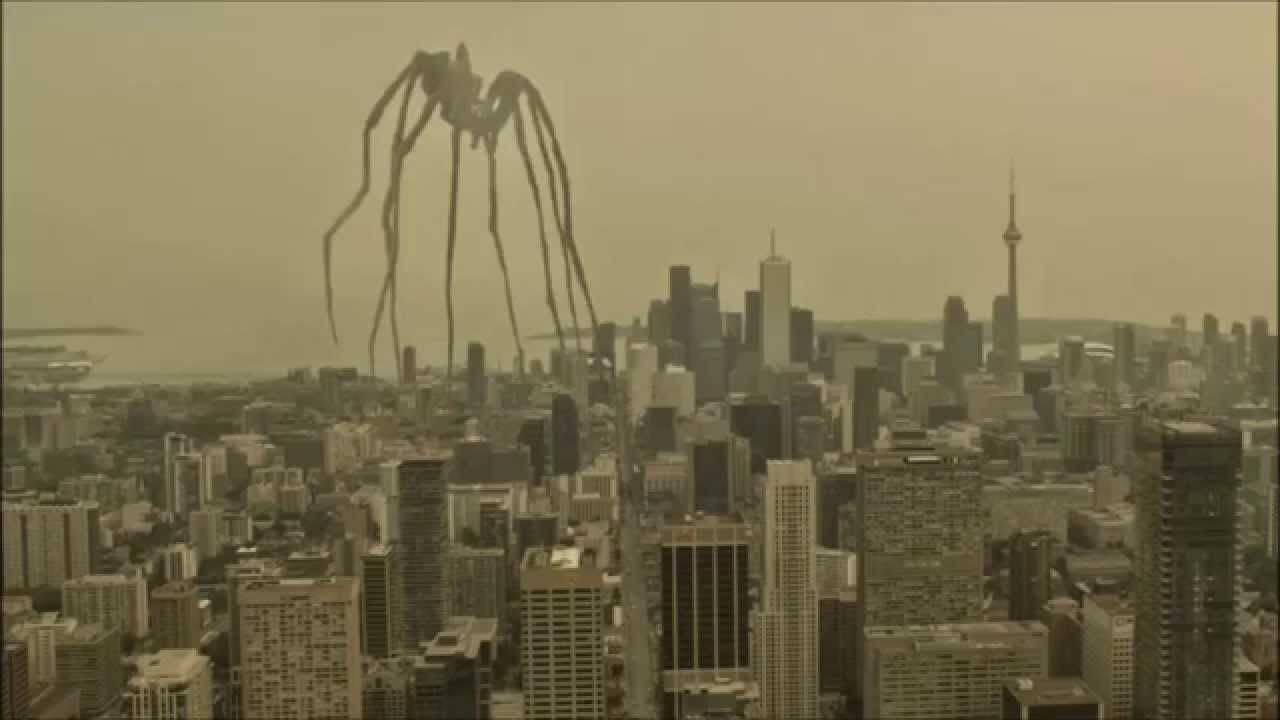
Enemy (2014, Dir. Denis Villeneuve)

An Enemy Movie Review, Discussion and Maybe an Explanation - Taylor Holmes  inc.

Denis Villeneuve is undoubtedly one of my favorite directors working today. In an era where loud and obtuse cinema occupies an ever-increasing market share, it’s nice to have some filmmakers who routinely create methodically paced complex narrative. His style lends itself perfectly for the low concept science fiction films that have brought him the bulk of his fame, Arrival (2016) and Blade Runner 2049 (2017). His earlier film Enemy proves that his style works perfectly for Lynchian psychological thrillers.

More than just the methodical pace, every artistic decision in Enemy builds to a perfect whole. The entire film is dosed in a heavy yellow tint. This combined with purposefully unflattering establishing shots of unappealing architecture lends the film a level of grime which enhances the unease in watching the film. Jake Gyllenhaal also was the perfect cast for the dual lead. His persona can easily be construed as unsettling, and in Enemy this aggressive awkwardness takes front stage. Everything in the film combines to create an edge of the seat experience without resorting to over-the-top action and explosions.

A 2021 Film Journey: Day 72

Despite it being the weekend, today is another one movie day for me. I spent much of the day relaxing after a long week and relied more on comfort media choices to fill my day. Still, I spent some time this evening crossing another film off of the Oscar shortlist. While much of the last week I’ve been focusing on the international films, today I returned to the documentary wing.

Boys State (2020, Dir. Amanda McBaine and Jesse Moss)

Boys State' Review: Give Me a Teen and I'll Show You a Politician - The New  York Times

Boys State is a documentary capturing a mock government event ran by more than a thousand Texan, high school boys. The film spends its runtime documenting a single year’s event by following four students. Two of the students run the respective fake parties, the Federalists and the unfortunately named Nationalists. The other two are running to be the gubernatorial nominee for the Nationalist party.

The politics of the students on screen are predictably largely conservative given their residence. This combined with the lack of nuance exhibited by most teenagers leads to some uncomfortable moments. Much of the political discourse debated in the mock congress is heavily influenced by the edgelord nature of young men. The topic of secession is frequently brought up, and that combined with the extreme jingoism expressed in speeches hints at fascism.

These uncomfortable moments bring about my main objection to the film. The film lacks a distinct directorial voice. Everything is merely captured on camera and distilled into little more than video blog from the boys present. The extremist fervor evokes no response from the directors, as if they are going out of their way to have no political voice. A too biased director can ruin a film, but Boys State proves that it’s possible to go too far the other way. While non-fiction, a documentary isn’t just a list of facts. Vision and messages are required to bring a topic to the larger world.

A 2021 Film Journey: Day 71

Another quick one tonight. Even with it being a Friday night, I’m too exhausted after a long work week to make it through more than one film tonight. Even with only one film watched, tonight I pass the halfway point for watching the Oscar best international film shortlist (8 of 15). I won’t be able to quite finish them this weekend, so any I miss that don’t end up with a nomination may fall off my radar, but I’m happy with the large chunk I’ve made it through thus far.

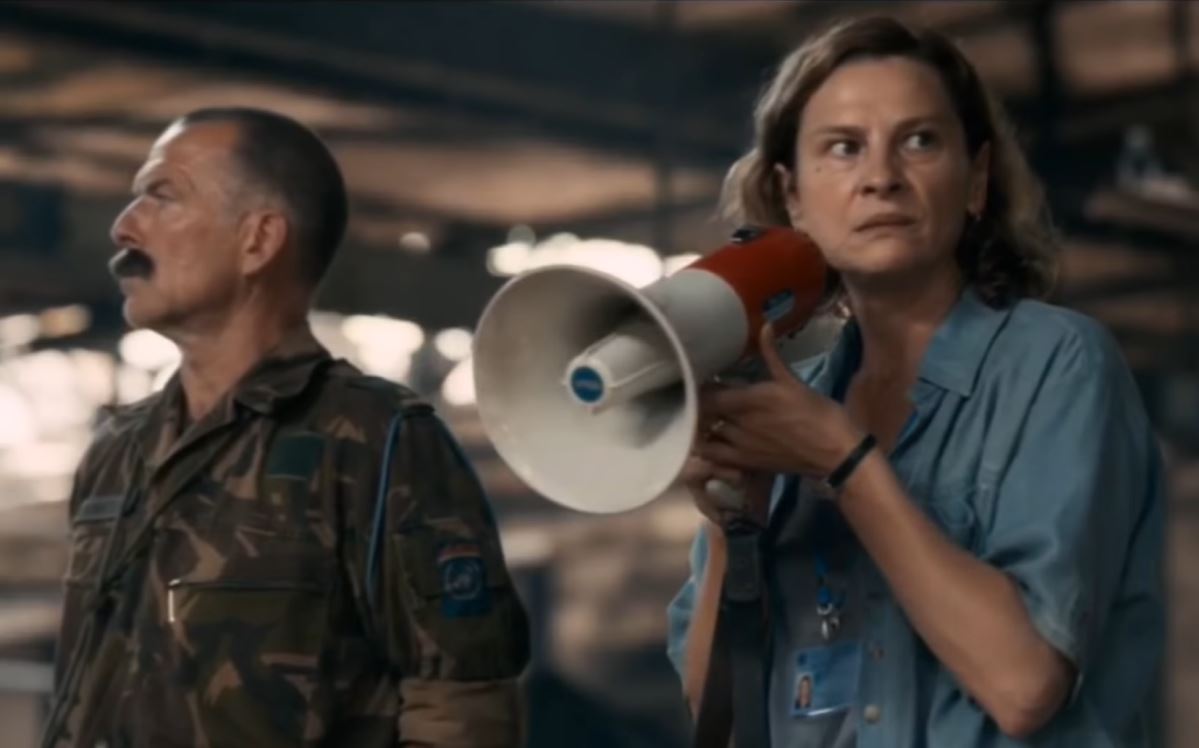
Quo vadis, Aida? (2021, Dir. Jasmila Žbanić)

Quo vadis, Aida? / Italia / aree / Home - Osservatorio Balcani e Caucaso  Transeuropa

That was a downer of a way to end a week. Quo vadis, Aida? chronicles the moments leading up to the Srebrenica massacre from the eyes of a UN translator and native Bosniak Aida (Jasna Đuričić). When the Serbian army shows up to the UN compound, Aida must balance her obligations to her job cordially translating for those who would bring her people harm with her dedication to her husband and sons. What starts as a dry war drama quickly devolves into a devastating depiction of the extremes of a mother’s love.

While not exclusively told from her point of view Aida’s presence is felt in every moment of the film. Đuričić makes the most of the extensive camera time. As the inevitability of the impeding genocide becomes more apparent, she loses her professional demeanor and becomes frantic in her body language. This performance is punctuated by the mostly dialogue free coda. The film drops the intensity and instead becomes hauntingly calm. Đuričić depicts Aida a stone faced and broken while forced to move on in life while being completely unable to in practice.

A 2021 Film Journey: Day 70

These opening sentences are getting a little redundant. Today I’m once again treating myself to a film from the international feature Oscar shortlist. The only thing that separates today from yesterday is that I did find time today to watch a documentary short from that shortlist after. Regardless, I’m going to keep writing these introductory paragraphs for now, but I will be allowing them to get shorter if there’s not much to say.

Charlatan (2020, Dir. Agnieszka Holland)

Charlatan' Review | Hollywood Reporter

I don’t feel like I have a good grasp on how to access Charlatan from a narrative standpoint. The story of Jan Mikolásek feels like it should be told fantastical. A man with a supernatural heeling power who can diagnose any patient through their urine should be larger than life, but the film is aggressively grounded by its nature as a biopic. Given the grounded tone of the film, I feel the film must play better to a demographic of people who know of Mikolásek going into the film.

From a filmmaking standpoint, Charlatan succumbs to the standard biopic pitfall. In trying to tell Mikolásek’s entire life in two hours, the film becomes little more than an episodic collection of scenes from a man’s life. The framing device of him explaining it to his lawyer while incarcerated does little to tie each individual scene together. The film adequately tells the life story of a man but has no cohesive artistic message. It’s not a bad movie; it just lacks anything special and plays out like any other biopic.

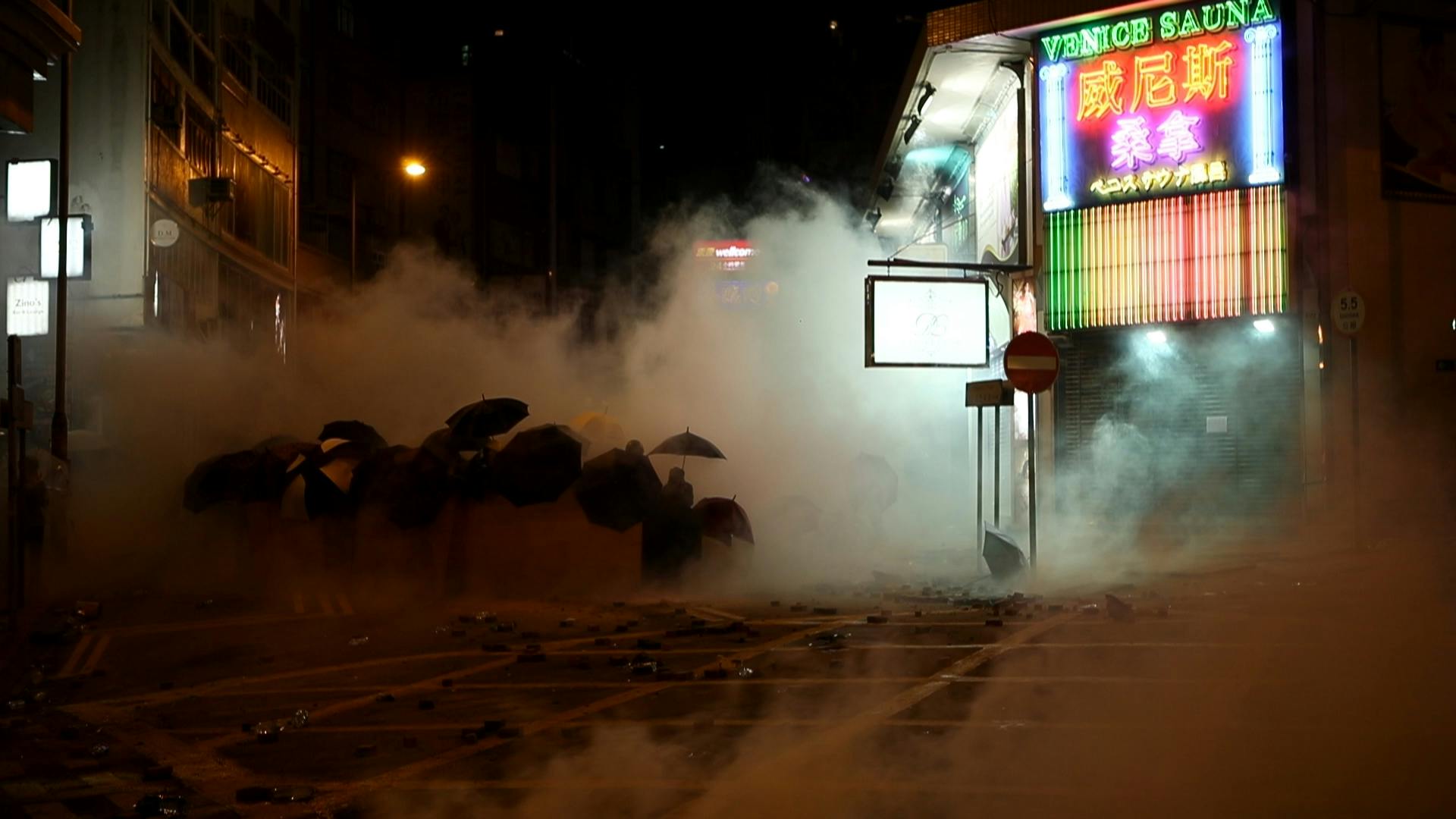
Do Not Split (2020, Dir. Anders Hammer)

Do Not Split

Tonight’s documentary short stands in stark contrast to the film that preceded it. Do Not Split was a film with a very distinct style and thematic message. The film captures the Hong Kong protests from late 2019 from a filmmaker on the front line with the protesters. The film is brutally honest in its portrayal and creation. Any interviews are taken on the streets and oft interrupted rather than staged far away from the topic. If I’m being honest, this film meshes with me politically in a way that makes it difficult to be completely objective about it. I can acknowledge that the score was a bit over the top melodrama but having spent much of last summer at police protests of my own I got overly invested in the protesters on screen.

A 2021 Film Journey: Day 69

Time completely escaped me today. Work was busy and after running multiple long meetings my body just turned off for a while. Thankfully, I awoke from my stupor in time to fit another Oscar shortlisted international film in.

Two of Us (2021, Dir. Filippo Meneghetti)

Two of Us movie review & film summary (2021) | Roger Ebert

This movie was much bleaker than I anticipated from the initial setup. Two of Us introduces itself as a fun story of a senior lesbian couple preparing to sell their separate apartments and move together to Rome. All that remains before selling everything and moving away is for Madeleine (Martine Chevallier) to come out to her children. This premise is tailor fit for a sincere, heart-warming romantic comedy. Instead, Madeleine has a stroke leaving her in a partial vegetative state and any semblance of joy evaporates from the film.

With Madeleine rendered speechless for the rest of the film, Nina (Barbara Sukowa) is forced to navigate Madeleine’s family who think of her as nothing more than a neighbor and friend if she is to stay with the woman she loves. Separated from her partner, Nina becomes increasingly desperate in her attempts to stay connected to the point at which it ruins her life. Sukowa captures this spiral brilliantly. Her body language reflects this deterioration by mimicking a woman who hasn’t slept for increasing periods of time.

If Sukowa’s performance is showy in its deterioration, Chevallier gives an equally compelling but completely different performance. Her character being in a post stroke state, every action that Chevallier performs is incredibly subtle yet undeniably there. The slightest cracked smile when in the presence of Nina means everything to her lover looking for any sign that Madeleine is still there. The two contrasting performance sell this depressing romance.

A 2021 Film Journey: Day 68

As promised, I’m back on my Oscar prep regimen. The actual nominations come out in less than a week, at which point I can plan out my viewings in earnest (with a necessary break for the Seattle International Film Festival April 8 – 18). Regardless I’m going to continue focusing on the short lists in the meantime even if some of them don’t have their name called on Monday. Anyway, tonight’s viewing got a late start, so it’s going to be another short entry today.

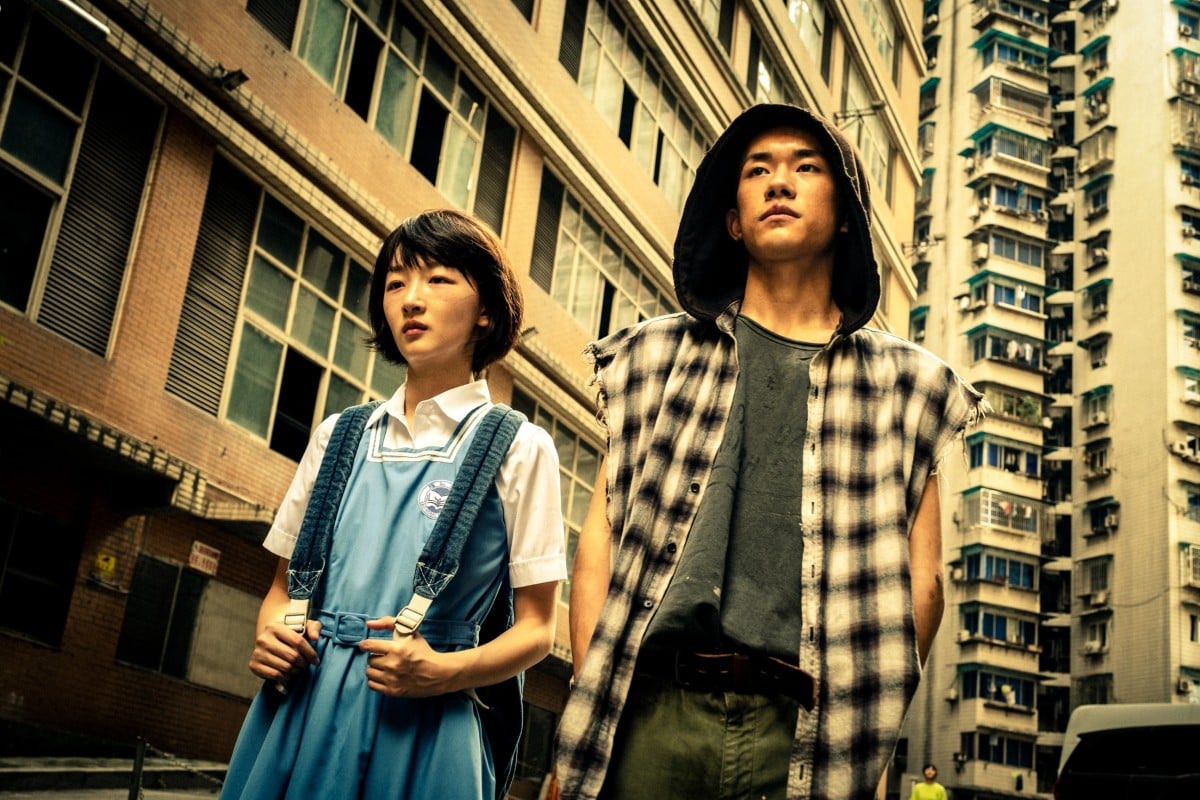
Better Days (2019, Dir. Derek Tsang)

Better Days film review: Zhou Dongyu is riveting in Derek Tsang's deeply  poignant bullying drama | South China Morning Post

Everywhere I look, this film is listed as a 2019 film, but it’s on the short list for this year, so here we are. Better Days is an exceptionally dark look at the worldwide bullying epidemic. The film opens with the most drastic repercussions of bullying as a young woman, Hu Xiaodie (Yifan Zhang) commits suicide by jumping off her high school building. Chen Nian (Dongyu Zhou) is the only one who approaches Hu Xiaodie’s body to offer her some dignity. This action symbolizes the passing of the bullied torch to Chen Nian. By chance, she runs into a young man named who goes by Xiao Bei (Liu Beishan) who ends up agreeing to act as her protection creating a circle of bullying.

Good intentions aside, the film is a bit of a mess. Early on, Better Days while decisively a drama took on a horror tone to depict the bullying. With a combination of long tension building shorts and rapid intense cuts, the film could fit perfectly with modern horror films. While this decision worked well for a while, eventually the film pushed this element too far with comical horror sound effects only to completely drop the direction decision for the second half of the film. Pacing was another issue that holds the film back. Around the one hour mark it felt on pace to be a standard three act structure for a 90 film. The rising action had concluded, and it was time for the climax. However, the film wasn’t even halfway done at that point and instead of jumping to the climax, it began a new film, this time a romance melodrama. None of the individual decisions in the film are necessarily flawed but combined, they don’t make a cohesive whole.

A 2021 Film Journey: Day 67

I’m taking another break from my Oscar prep today, but I’ll be back to that tomorrow. Because it’s International Women’s Day, I wanted to take a moment to watch a film directed by a woman. Specifically, I wanted to fill in one of my largest woman-helmed blind spots. Specifically, with the Oscars on my mind It only felt reasonable to watch one of the six films directed by women that received a best picture nomination.

The Piano (1993, Dir. Jane Campion)

The One Movie Blog: The Piano (1993)

I’m genuinely shocked that this film received a best picture nomination in 1994. Not because it was undeserving; on the contrary, it immediately jumps near the top of my favorite films for the year. Rather my surprise is at academy of almost 30 years ago extending a nomination to a film as emotionally vulnerable and feminine as The Piano.

Campion’s control over the film is palpable throughout. Every action in the film is driven by character emotion rather than plot contrivance. Despite never talking Holly Hunter’s Ada is always a captivating presence. In the absence of spoken words, Ada uses her piano to express her feelings. Each scene of her sitting in front of it expresses multitudes. Through little more than looks and songs, her anguish and infatuation blend into a hauntingly complex whole.