The newest film by Greek auteur/ provocateur Yorgos Lanthimos with his muse Emma Stone. Bugnoia, is a remake of the film I reviewed yesterday, Save the Green Planet! the 2003 Korean science fiction film by Jang Joon-hwan. Along with Jesse Plemons, who joined the director’s stable of actors with last year’s Kinds of Kindness, Lanthimos takes the at times farcical Korean genre blur and engulfs it in his signature pitch black satire.
Bugonia follows its predecessor’s basic plotline closely with cousins Teddy (Plemons) and Don (Aidan Delbis) who are convinced of an alien conspiracy and that Michelle (Stone), a CEO of great import, is one of said aliens. One afternoon after chemically castrating themselves to avoid distraction, Teddy and Don camp out at Michelle’s home and kidnap her. While interrogating and torturing her, Teddy’s mixed motives come to the surface.
Emma Stone as Michelle after being kidnaped and having her hair shaved
12 years further into our world’s post-capitalism decline, the themes that Jang Joon-hwan brought to the science fiction story are much more apparent in day-to-day life, and Lanthimos brings them to the forefront. Whether she be an alien or just a corporate monster, Michelle and the corporation she runs are destroying the planet. Teddy, like many activists speaking against kleptocracy today, is demonized and ostracized by the ruling class who control public outlook.
All three of the lead actors gave excellent performances. Stone captures the controlled mannerisms of an executive who has undergone extensive training to come across as considered and polite. She uses phrase like “can we have a dialogue?” in meticulously paced patterns that reflect corporate speak but come across as alien to the blue-collar cousins who have captured her. Plemons, as the lead conspiracy theorist, is initially convincing in his resolve, but as Michelle puts the pieces of his past together, he becomes violent and emotional.
The standout of the film, however, is Aidan Delbis in his first feature film. He begins the film by playing Don as a simple character who is easily manipulated by Teddy. Delbis shows that Don is unable to completely dehumanize Michelle like Teddy and struggles with the torturous conditions that Teddy is doing to Michelle. After a major turning point in the film, it becomes apparent that Don is not simple, rather he is stunted from emotional loss in his past. This revelation unlocks the layered nuance Delbis had been seeding in his performance from the start, and brings out the lone moment of true sympathy from the viewer.
Aidan Delbis as Don in his first film role
While Bugonia does not reach the highs of some of Lanithmos’ prior films, a middling picture from the auteur is still an excellent release worth viewing. And while most of the acting accolades will end up going to the two star actors, I hope that this film becomes a jumping off point for Delbis’ career.
Between being in a sapphic cinema mood and then needing to catch up on 2025 films my watchings this week have followed an understandable progression, so watching a random 2003 Korean film must seem strange if you do not immediately know why this film makes sense for me to watch today, you will understand tomorrow.
This was an odd one. The film starts not exactly en medias res, but also devoid of any setup to inform the viewer of the world in which the film exists. Primarily following Byeong-gu (Shin Ha-kyun) who appears to not exist in the reality of the people around him. Convinced that aliens exist in the everyday world disguised as human, he along with his partner Su-ni (Hwang Jung-min) kidnap an important executive, Kang Man-shik (Baek Yoon-shik) whom the believe is an alien with a direct line of contact to the alien’s prince.
Byeong-gu (Sin Ha-kyun) with the captured Kan Man-shik (Baek Yoon-shik)
I will admit that as an American cinephile I have seen my fair share of Korean films, however, they are primarily the ones that get exported to the US which are skewed heavily to the arthouse variety. Save the Green Planet! is not a traditional high art film but is instead an example of the Korean cinema that is created for the Korean masses. Director Jang Joon-hwan plays with tones in a way that is unfamiliar to a US audience but blends soap, action, horror, martial arts, and science fiction in a way that is undeniably entertaining. Complete with dated, cheesy special effects and extreme overacting, the film would make for an excellent camp movie night.
Over the top entertainment aside, the film has an aspect that needs to be addressed. While Kang Man-shik’s fiancé is mentioned at times, Su-ni (and Byeong-gu’s comatose mother) is the only woman who appears in the film and her characterization is unfortunate. Su-ni acts extremely childlike. She plays with dolls and is obsessed with the song “Somewhere Over the Rainbow”. This combined with the childlike demeanor results in her coming across as someone developmentally disabled. Byeong-gu’s treatment of her, and the films eventual fridging of her feels rather problematic and does hamper the experience of watching the film.
Su-ni (Hwang Jung-min) with her doll
Wild and undefinable, Save the Green Planet! fits most of the criteria to exist among the great cult movies. Unfortunately, its treatment of women leaves a sour taste in one’s mouth and prevents it from getting a full-throated endorsement.
Even two years ago I would never have missed a big theatrical A24 release, but as Neon continues to rise, A24’s luster has started to dim. They have released more than their fair share of busts this year and as such when the new Dwayne Johnson headed Oscar hopeful biopic was released to a less than stellar reception, it dropped down my priority list, but with Benny Safdie at the helm I was going to make my way around to it eventually.
The Smashing Machine is a narrative remake of a 2002 documentary of the same name. Johnson takes over the role of Mark Kerr, an M.M.A. fighter from the earliest days of the UFC. Supported by his partner Dawn (Emily Blunt) and friend/ trainer Mark Coleman (Ryan Bader) Kerr fights not only the competition but also his demons as he strains to remain in control.
Johnson’s performance is the standout component of the film. He was looking for a way to prove that he was an actor and not just a movie star, and while the film’s poor performance will likely deny him the Oscar nomination that he was gunning for, he has provided a strong proof of concept that he is an actor worth respecting. From intense focus to exasperated boyfriend to giddy friend he hits unique notes throughout the film while still making Mark feel like a complete character.
Dwayne Johnson as Mark Kerr
While many biopics fall for the trap of trying to fit too much into a single film, The Smashing Machine marks the rare occasion in which a little more scope would have been appreciated. The film focuses on such a short time period, a single Japanese tournament, that it is difficult to grasp the level of fame Kerr possessed at the time. This may have been less on an issue in the documentary as the audience would likely be self-selected to be fans of the sport, but for a wide release awards hopeful more context on the state of the sport and Mark’s place in it would have gone a long way. Similarly, it was very hard to get a grasp on the relationship between Kerr and Dawn. They both came across as manipulative and toxic in the small amount of time they interacted on screen, yet the epilogue exclaimed that they were married and together for years, which implies they might have been right for each other.
Emily Blunt as Dawn with Dwayne Johnson
The Smashing machine is a frustrating film. Dwayne Johnson excels in his most serious role to date, yet the film does not feel like it is solid enough to support the performance. The film feels like the 4th episode of a six episode docuseries, and while I still land on the side of recommending it, it is hard not to be disappointed that the film did not meet Johnson’s performance.
After missing the one-night engagement Train Dreams had in theaters in Seattle as part of the Seattle Film Critics Society PNW Awards, my hopes were that the film would be good but not so good that I would regret missing my chance to see it on the big screen. At least one of my wishes was granted.
Based on a Denis Johnson novella, writer/ director Clint Bentley along with co-writer Greg Kwedar adapt Johnson’s work of the same name in a way that is both visually arresting while still capturing the prose that is often relegated exclusively to the written word. Some of these prose-like feelings come from implementing Will Patton as a voiceover narrator. While I generally feel like voiceover is a cheap distraction from a movie used to cover up holes in the screenplay, it works well for Train Dreams which is approximating a visual poem more than a traditional movie.
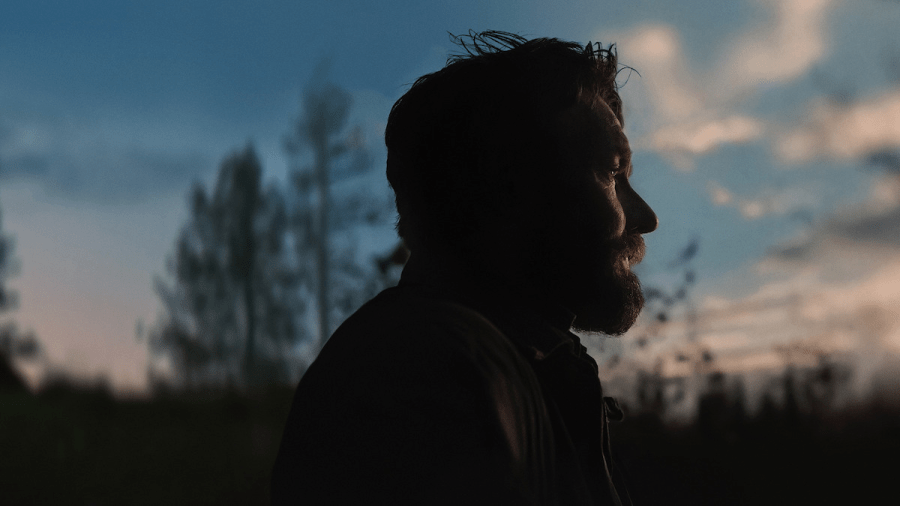
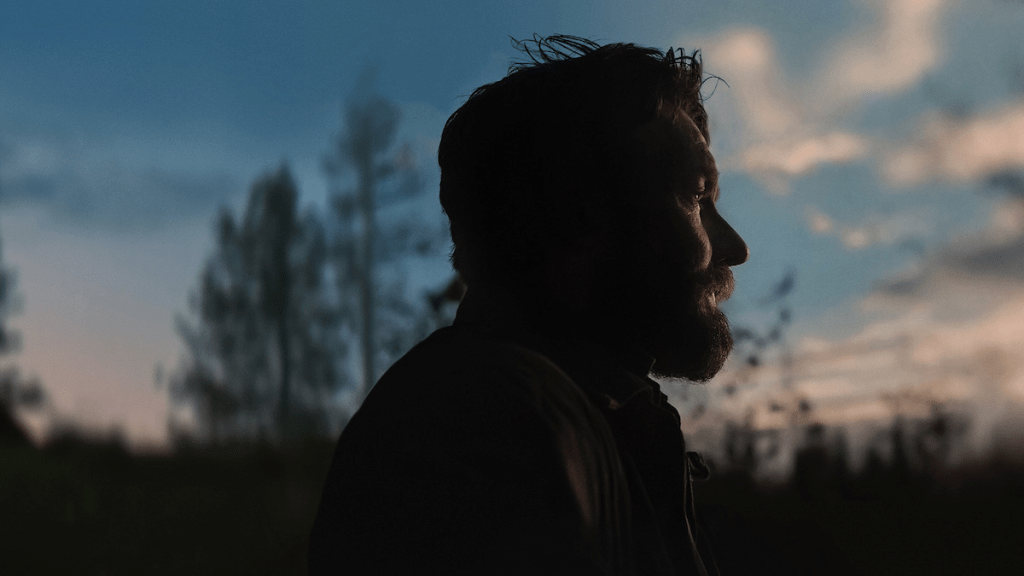
The ethereal setting of Train Dreams
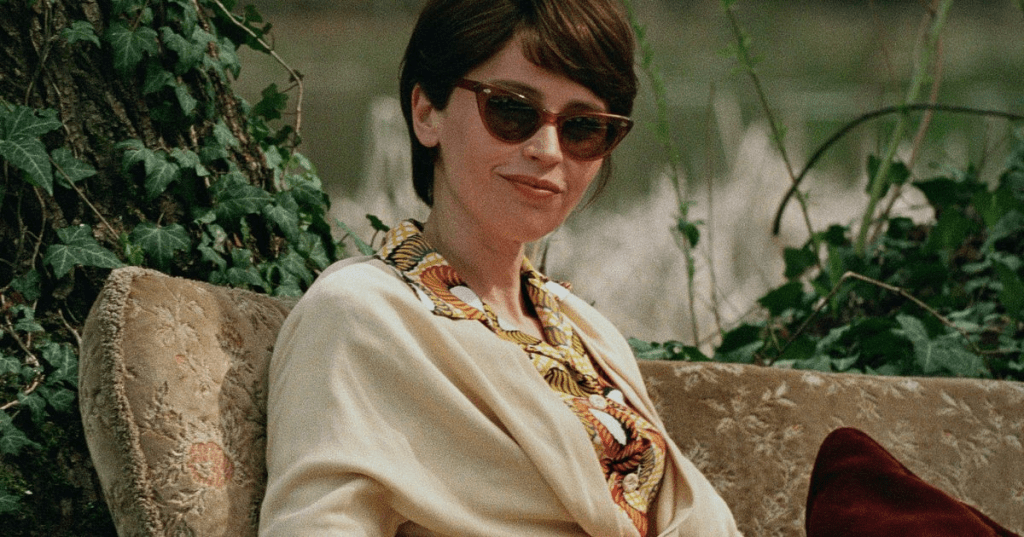
Robert Grainier (Joel Edgerton) is a quiet man working as a laborer in the Pacific Northwest in the early 1900s. He takes seasonal work building infrastructures and logging where he meets other men who have a profound impact on his beliefs and outlook on life, though he remains largely solitary. During an off season, his isolation is broken when he meets and falls instantly in love with Gladys (Felicity Jones). Together they build a home outside of town and upon having a child, Kate, live a life full of meaning and love together. However, with minimal paid opportunities in town, Robert does have to leave Gladys and Kate for long periods of time during logging season to provide for them until they can save enough money to build a small business of their own on their acre. After one of his long absences working, he arrives to find his home burned to the ground and his family missing. Reverting to his isolationist tendencies, Robert struggles to find his meaning in life once again.
Felicity Jones and Joel Edgerton as Gladys and Robert Grainier
While the cinematography, direction, score, and editing all play a significant part in creating the ethereal state that Train Dreams exists in, the performance by Edgerton is what creates such an emotional experience. Edgerton taps into the meekness of Robert in his acting. He feels no need to speak to fill the empty spaces but instead takes time to listen and process what he has heard. Wordless looks and subtle facial movements just barely noticeable through the scraggly facial hair expose the soul of the character, showing his gentleness and astuteness.
Edgerton’s career best performance is still further enhanced by Bentley’s handling of tone and pacing to create a film that feels at place in the beautiful Washington woods where it was shot. Train Dreams deserves to be appreciated as one appreciates the nature in which it is set. By immersing oneself into it and absorbing it with no outside distractions, just accepting the peace that it brings.
2025 has been the year for indie auteurs to be especially prolific. First Steven Soderbergh releases Presence and Black Bag in the first quarter of the year, and now Richard Linklater releases Nouvelle Vague less than a month after Blue Moon’s release. I was lucky enough to see Blue Moon in theaters a few weeks ago, and it is all but certain to make my best films of the year list come January, so I entered his second film of the year with high expectations.
Nouvelle Vague translates to New Wave which is an apt title for a film about the making of one of the defining French New Wave films: Jean-Luc Godard’s Breathless. Breathless came out in 1960, two years (or five if you count Agnès Varda’s La Pointe Courte) into the French New Wave movement. While Godard’s debut was not the beginning of the movement, it was a step to the more radical and revolutionary side of the movement, so it does make sense to signal the film out.
Guillaume Marbeck as Jean-Luc Godard
Unfortunately, while Breathless is a groundbreaking, convention shattering piece of cinema, Linklater did not have similarly lofty goals for his fictional behind-the-scenes telling of its creation. Linklater is a student of film and as such has a lot of reverence for the film, but other than paying his respects to the late Godard does not have much to say in Nouvelle Vague. He casts the Cahiers du Cinéma writers and future filmmakers as the cool outsiders who disrespect the current film industry because they know what art should be. History, and I, agree with that sentiment in hindsight, but it does not stop the characters of Godard (Guillaume Marbeck), Truffaut (Adrien Rouyard), Chabrol (Antoine Besson), and Schiffman (Jodie Ruth-Forest) from coming across as unbearably pompous.
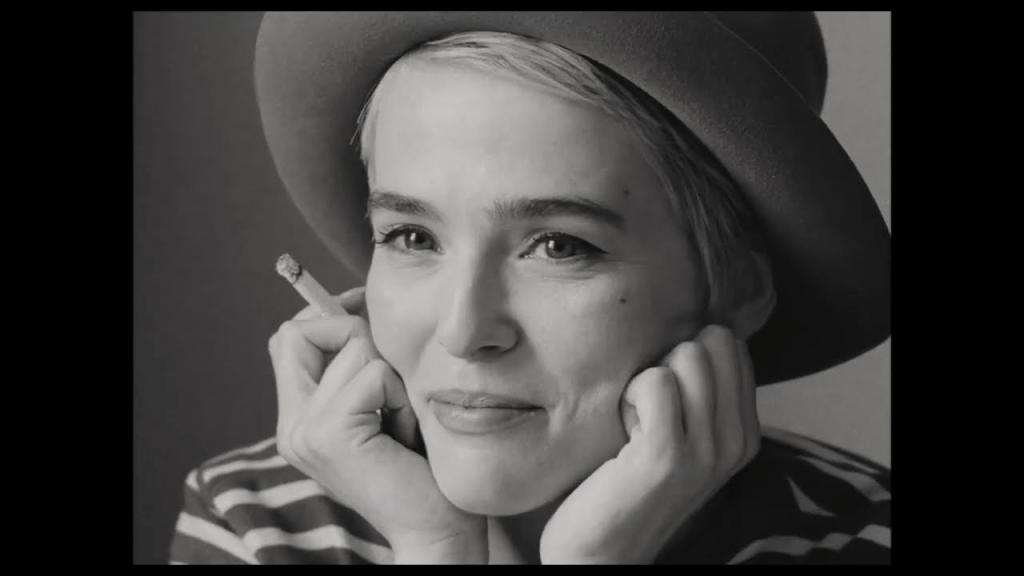
Zoey Deutch as Jean Seberg
Marbeck’s depicts Godard as such an unlikable cad which does match my understanding of the director himself, but it also becomes grating as the film continues with him in every scene constantly talking. The only truly likable character in the film is Jean Seberg (Zoey Deutch), and while Deutch is excellent Linklater portrays her as naïve and unable to understand the genius that is Godard. Linklater wants the viewer to know that Godard was a genius who changed cinema for the better, and he is not wrong that Godard’s creations are that impressive and important. I am just done with aggrandizing arrogant men who think themselves a god. Instead, I choose to celebrate the work while acknowledging that creators can be flawed.
Much like yesterday, I’ve felt the need to explore the wonders of sapphic cinema, and while yesterday I visited the very beginning of lesbians on screen, today I am visiting potentially the most recent lesbian take on Nia DaCosta’s on the classic Henrik Ibsen play Hedda Gabler or in this iteration just Hedda. DaCosta chooses to gender swap Eilert Lövborg the titular character’s previous love interest with Eileen Lövborg giving the film a new sapphic twist.
Hedda Gabler/Tesman (Tessa Thompson) is a woman unenthused with her life despite her husband George (Tom Bateman) going far beyond his means to give her everything she could possibly want including a giant, opulent home he cannot afford. While she seems to be initially dreading the party she and her husband will be hosting, a call from an old acquaintance Eileen Lövborg (Nina Hoss) cause her outlook on the night to change instantly. With a new outlook on the evening, Hedda begins manipulating the actions and emotions of her guests to bring about her goals, and respark her past love for the fairer sex.
Tessa Thompson as the titular Hedda Gabler/Tesman
DaCosta is clearly familiar with the concept of the “disaster lesbian” as Hedda not only fits the archetype to the t but also possesses the uncanny ability to bring out the disaster in the other lesbians around her. Tessa Thompson brings Hedda to life with craftiness and plenty of alure that convincingly captivates the attention of every party guest. Nina Hoss despite being a supporting actress has the most interesting and challenging roll which she nails every part of. She goes from cold and in control, to a messy drunk, to a suicidal wreck over the course of the party, and every turn is delivered in a way such that she creates a complex character who holds multitudes.
Nina Hoss as Eileen Lövborg
While I appreciate the acting decisions by both actresses, they do not exactly mesh. I find it hard to believe that the confident Eileen who appears at Hedda’s party could be swayed into drinking (she is a recovered alcoholic) so easily, especially with her current creative and romantic partner Thea (Imogen Poots) urging her to stay strong and resist. Hedda does not come across as a mastermind who can expertly pull the strings to get her way, but as a hurt lovestruck puppy who is making decisions on vibes. While I appreciate both performances, they do not fit the screenplay that was handed to them.
The pieces of the film from behind the camera were also rather hit or miss. Hildur Guðnadóttir continues to be one of the best score composers working today as her score has significant propulsion yet and off kilter sparticness that matches with Thompson’s Hedda exactly. Other parts of the filmmaking process, however, feel rather like they come from a director with endless talent’s first film. They show an intuition for interesting effects yet an imperfect implementation. Specifically, the camera moves in unique ways and captures scenes through unique techniques and angles which initially create diversity and interest when viewing. However, after the first 20 minutes or so they prove to be more of a distraction than anything else.
While this review may have veered into the negative, I still believe that the film was good though not great. Fun performances, even if they do not relate perfectly, will always be an entertaining watch, and who doesn’t need more sapphic messiness in their life? Hopefully by watching films like Hedda we can avoid becoming the disaster lesbian in real life.
Lately I have been feeling a romantic yearning re-enter my life, and with it has come the need to expand my sapphic cinema knowledge. While I have seen quite a few in the genre, there are quite a few from cinema’s history that I have missed out on, and if I am going to fill some holes, I might as well start at the beginning.
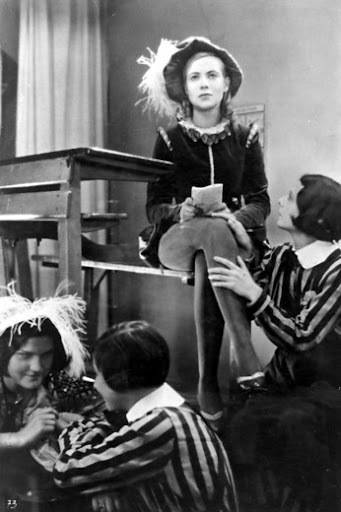
Mädchen in Uniform directed by Leontine Sagan and Carl Froelich is a German film from 1931 that is largely considered to be the first explicitly lesbian feature length film. Created in a Germany that soon would fall to Hitler and the Nazi party and their violent hatred of anything queer, Mädchen in Uniform feels like something far ahead of not only it’s time, but more transgressive than films would be for the following 40 years with the advent of Hays Code in Hollywood four years later.
Set in a boarding school that is light on funds and strict on discipline, Mädchen in Uniform follows Manuela (Hertha Thiele) as she is enrolled in an all-girls boarding school. Despite initially appearing meek in front of teachers she quickly fits in with the other girls, including sharing many of their crushes on one of the teachers, Fräulein von Bernburg (Dorothea Wieck), which quickly turns into complete infatuation when Bernburg gives her special attention.
Dorothy Wick and Hertha Thiel sharing an intimate moment as teacher and student, Fräulein von Bernburg and Manuela
After portraying a man in a school play, where ironically she was allowed to show her legs more than the allowed girls uniforms, and getting significant attention that could be construed as sexual for a young girl going through puberty, she gets drunk on the punch that the cooks spiked for the girls. While intoxicated, Manuela loudly exclaims her feelings for and reading of the private moments she has experienced with Bernburg, but when the headmistress overhears immediate consequences for both student and teacher follow.
Manuela in her costume before staring in the play.
Having a woman as the primary director (Froelich is listed as a supervisor) keeps the film in the spirit of a childhood crush rather than a leud, titillating affair. Having a crush on an older woman who shows compassion and cares for us in a way that no one has before is a rite of passage for any girl with sapphic tendencies. Sagan captures the lovesickness of youth in a beautiful and surprisingly candid way for the time.
While the film clearly lacked the more technical cinematic language we have today with odd edits between over the shoulder shots and tight closeups, the film is well paced and builds to perfectly written and shot climax. When considering the place and time that this film was released, one line from Fräulein von Bernburg stands out as not only progressive for the time, but would still be seen as radical from some groups today: “The spirit of love, it takes on a thousand forms.”
I love the Oscars. For the past eight years, I have made it my goal to watch every single film nominated for an Oscar, and this year I managed it with multiple weeks to spare. This season has been a wild ride of favorites and controversies, and while some of them have gone in my personal favor (Emelia Pérez dropping off of most categories is exactly what I wanted) others haven’t (The Brutalist), but regardless of where things land it has been an entertaining year to watch. Especially interesting this year is that there are very few locks going into the night which makes predicting difficult, but watching entertaining.
Short Film, Live Action
My Prediction: A Lien My Pick: I’m Not a Robot
When I left the theater, A Lien was both my prediction and my pick and while part of me still believes that, the dry humor of I’m Not a Robot has just grown in my estimation, and is definitely the one that I’m most likely to revisit. A Lien, however, should fit the zeitgeist of the current political climate, and while the shorts are never a sure thing, I believe it will win.
Short Film, Animated
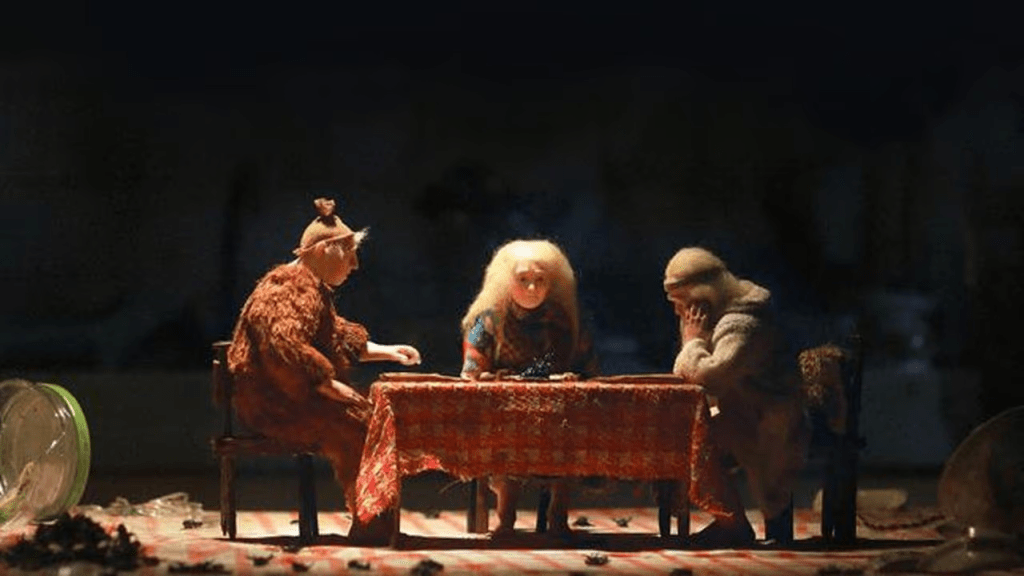
My Prediction: Beautiful Men My Pick: Wander to Wonder
Wander to Wonder was the clear-cut favorite for me, but my guess is that the film about small children show creatures who live past their creator’s demise will be too weird and vulgar for the average academy winner and that the more earnest Beautiful Men will be awarded Sunday night.
Short Film, Documentary
My Prediction: Incident My Pick: Incident
The most outraged I’ve been in theaters excepting my pick and prediction for feature documentary, Incident is a miraculous piece of editing painting a picture of racist, homicidal police officers and their natural instinct to lie and cover-up even when they know they are being filmed.
Visual Effects
My Prediction: Dune: Part Two My Pick: Avatar: Dune: Part Two
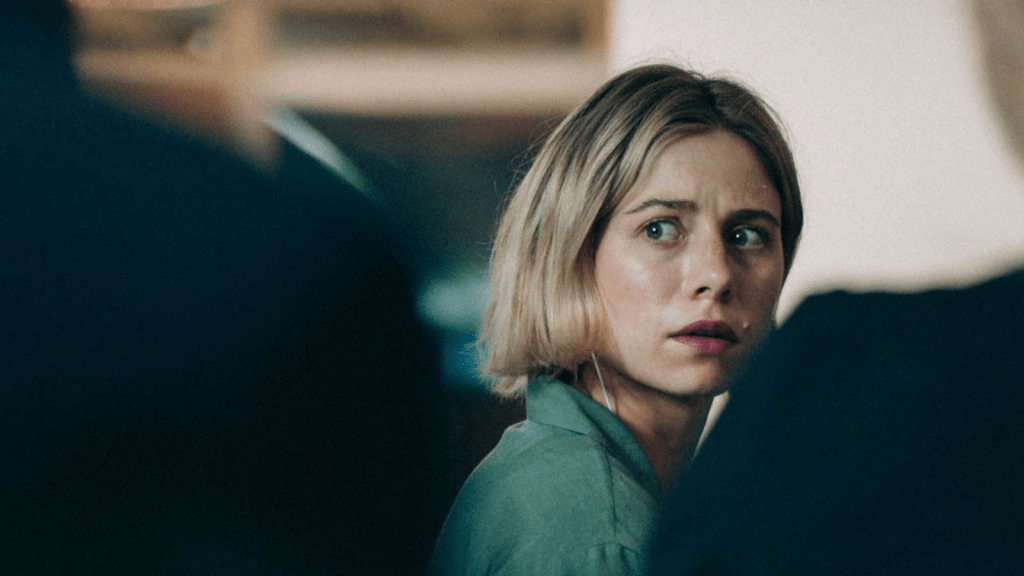
In the year of the monkey movies (Kingdom of the Planet of the Apes, Better Man, and Wicked), I’m leaning towards the sand worm movie. The first one won in 2022 and I think that the sequel will bring it home again in 2025.
Makeup and Hairstyling
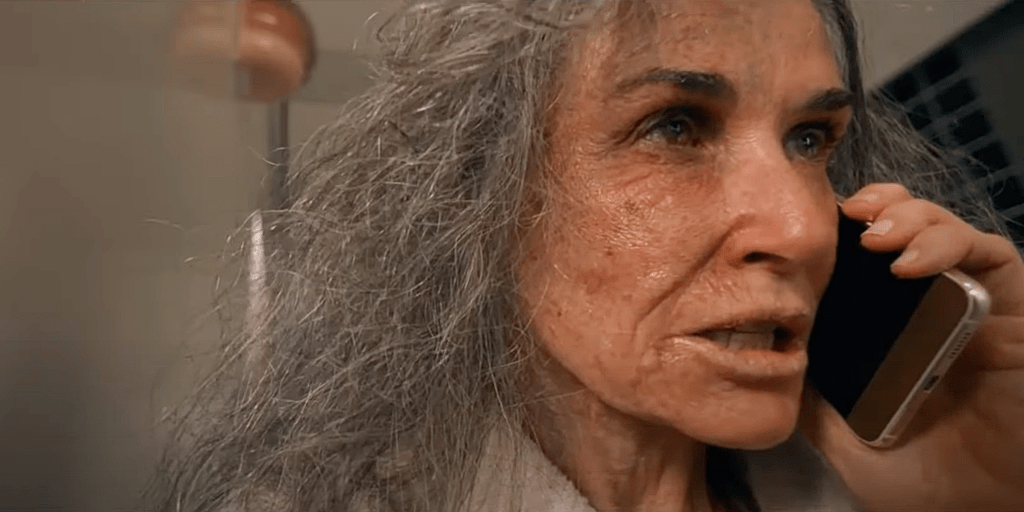
My Prediction: The Substance My Pick: The Substance
Between the ever-withering Demi Moore, and the creation that is Monstro Elisasue, The Substance is loaded with the prosthetics that tend to convert into a win in this category.
Costumes
My Prediction: Wicked My Pick: Nosferatu
While I didn’t especially care for Wicked, I don’t begrudge its near locked win for best costumes. I do personally prefer the vintage work for Nosferatu, but I’m fine with Wicked’s inevitable win.
Production Design
My Prediction: The Brutalist My Pick: The Brutalist
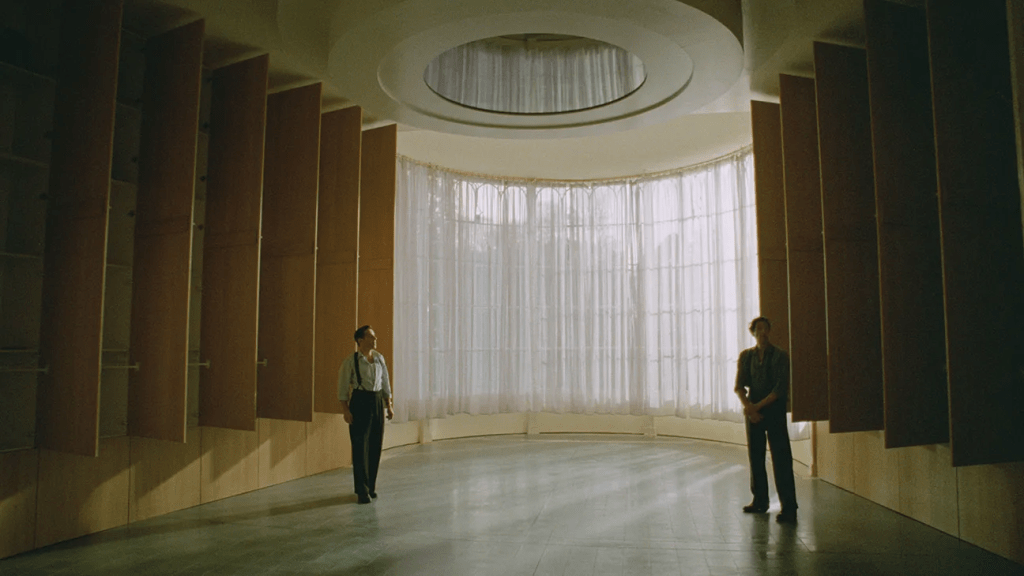
While this is a really close category, I think a general rule of thumb for it is that if an architecture movie is nominated for production design, there is a good chance that it will win. When Attila (Alessandro Nivola) and László Tóth (Adrien Brody) open the bookshelves that László both designed and built, I believe that The Brutalist won this award.
Sound
My Prediction: Dune: Part Two My Pick: Dune: Part Two
This category is heavily saturated with music-related films, and while I don’t think Emilia Pérez will end up splitting many of the votes from the others, I still think the most unique soundscape of Dune: Part Two should and will take this award.
Original Song
My Prediction: El Mal (Emilia Pérez) My Pick: El Mal (Emilia Pérez)
While Emilia Pérez has for the most part become toxic to any awards consideration, this is one of two categories that I believe it will win. That means Diane Warren will once again fail to win a competitive Oscar as ‘The Journey’ (from the pretty awful film The Six Triple Eight) will likely come in second place.
Original Score
My Prediction: The Brutalist My Pick: The Brutalist
I used to shout out films that I would pick that weren’t Oscar nominated, but stopped doing that a few years ago. That said, I’m going to call out the egregious snub that is Challengers missing out on this category. Don’t get me wrong, I do love the score to The Brutalist, and most years it would top my list. I just really think that Trent Reznor and Atticus Ross deserved another win this year.
Editing
My Prediction: Conclave My Pick: Conclave
Editing is often seen as a precursor for best picture, and it is what is going to keep that award interesting into late in the evening. Conclave has the most propulsion from its editing of any of the nominated films, and I believe will win, though if Anora is on its way to a sweep, it could upset here.
Cinematography
My Prediction: The Brutalist My Pick: The Brutalist
Shot in glorious VistaVision, The Brutalist is the best looking film of the year and should win this category pretty easily, even with Maria winning the ASC award.
Documentary Feature
My Prediction: No Other Land My Pick: No Other Land
No Other Land has won every precursor award for best documentary, and in a normal, just world this wouldn’t be contentious. That said, the Oscars came under a little heat last year after Jonathan Glazer’s speech calling for a stop to Isreal’s practices of apartheid and genocide, so I see a world where The Academy cowers from recognizing a film about that very struggle. However, without a clear cut second place, I don’t believe that this will end up happening, but if it does I, and much of filmsky will be irate.
Animated Feature
My Prediction: The Wild Robot My Pick: Flow
Flow was my favorite animated film of the year, and while it did surge at the right time, I still feel like the more traditional studio film will win out. The Wild Robot is the best film that DreamWorks Animation has ever produced, so them winning for it will hopefully result in more quality from them moving forward.
International Film
My Prediction: I’m Still Here My Pick: Flow
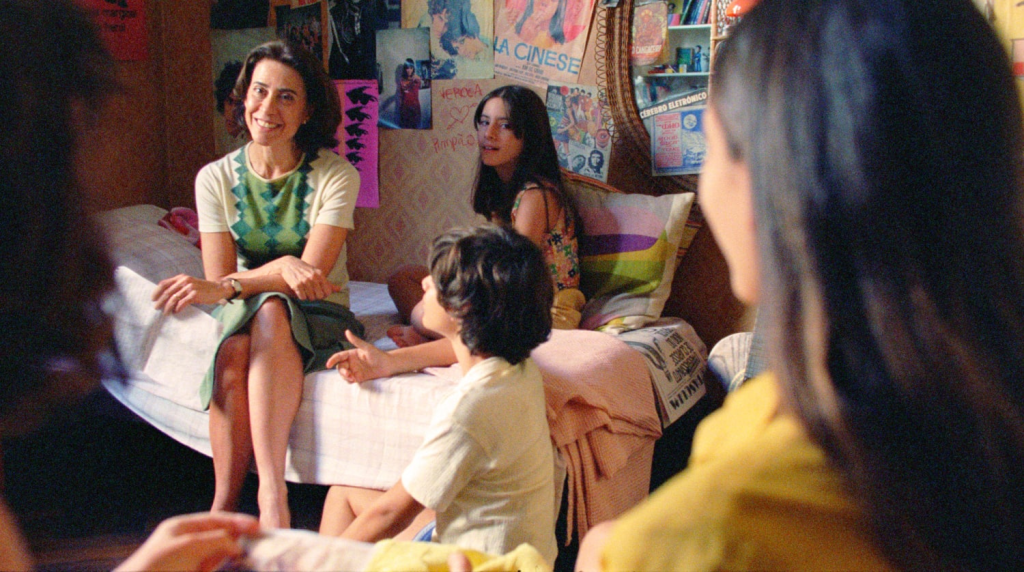
It’s amazing what five weeks can do to a race. With 13 nominations overall, it seemed impossible for anything other than Emilia Pérez to win it. Now after the controversy surround that film, this film is still a lock, but for the Brazilian film I’m Still Here instead.
Adapted Screenplay
My Prediction: Conclave My Pick: Conclave
The easier of the two screenplay categories, Conclave should win this without much competition as the other major players are all in original.
Original Screenplay
My Prediction: A Real Pain My Pick: The Substance
Despite not getting a best picture nomination, I still believe that Jesse Eisenberg is likely to win this award for his A Real Pain script, but this is another category where if Anora is on its way to sweeping the ceremony it could upset here. My personal preference would be for the brash absurdity that is the screenplay for The Substance, but that winning seems rather unlikely.
Supporting Actor
My Prediction: Kieren Culkin (A Real Pain) My Pick: Edward Norton (A Complete Unknown)
The least competitive of the acting categories, Kieren Culkin has won everything leading up to the Oscars and should continue that streak here. While I didn’t love A Complete Unknown, I do believe that Edward Norton was the best part of the film and would likely vote for him over Guy Pearce in The Brutalist.
Supporting Actress
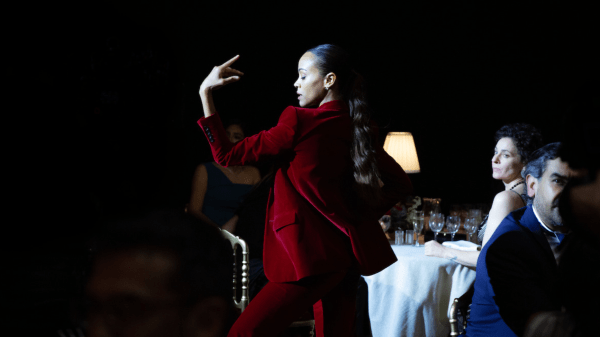
My Prediction: Zoe Saldana (Emilia Pérez) My Pick: Felicity Jones (The Brutalist)
The other category that Emilia Pérez will still win is a huge case of category fraud and Saldana is clearly the lead of the film. My personal preference would be for Felicity Jones to win for The Brutalist. She doesn’t appear until the halfway point of the film, but once she does she becomes the heart of an otherwise very cold film.
Lead Actor
My Prediction: Adrien Brody (The Brutalist) My Pick: Adrien Brody (The Brutalist)
While there is no competition for my personal pick, Adrien Brody doesn’t have this completely wrapped up as Timothée Chalamet’s SAG win proved that this is not a given. That said, I think Brody will hold off the young actor and win his second statue.
Lead Actress
My Prediction: Demi Moore (The Substance) My Pick: Mikey Madison (Anora)
Ten years ago, this would be an easy win for Mikey Madison as The Academy has historically awarded young ingenue in this category. Lately, however, more seasoned actresses have been able to win as we as a society have stopped recognizing women actresses for exclusively their youth and beauty. Because of that I believe Moore will hold on to win this year over Madison. And while there is also a chance that Fernanda Torres will come out of nowhere to win for I’m Still Here, I think she’s the least likely of the three to win.
Director
My Prediction: Brady Corbet (The Brutalist) My Pick: Brady Corbet (The Brutalist)
All of the big four awards this year are close, and this might be the closest of the bunch. Often this category goes hand in hand with the next, but I’m not positive that that will be the case this year. Conclave isn’t even nominated in this category, and while Sean Baker and Anora is clearly the biggest competition for this award, I think The Brutalist is a more directorly film and the bigger risks taken by Corbet will end up winning him this award.
Picture
My Prediction: Anora My Pick: The Brutalist
Its fun going into the night without a clear-cut winner for best picture unlike the previous two years. Conclave, The Brutalist, and Anora all could easily win this award and while The Brutalist is my clear favorite (it ended up at number 2 on my year end list), I’d be pretty happy with any of the three. I am expecting a split between this and director. If Anora does pick up this award, it will become only the fourth film ever to win the Oscar for best picture and the Palme d’Or at Cannes (joining The Lost Weekend, Marty and Parasite.)
We are halfway through the 2020s (where did the time go?) and so it seems like an appropriate time to look back at the films that have come out this decade so far. In these 5 years, I have seen over 500 feature films, so making a best of list is going to be difficult. To make things a little easier, on myself, I’m going to expand my normal year end list size from 25 to 50, but that still has me leaving more than 90% of the films I’ve seen this decade off the list. I like including a few statistics with my picks, so included on my list are 2 Best Picture Winners, 1 Palme d’Or winners, 20 features directed by non-men, and 19 non-English films. While many of these blurbs come straight from my thoughts on the year end list in which they originally appeared, some have been edited as my thoughts evolved, and a few of them are completely new entrants as I caught up with the films after my initial publishing.
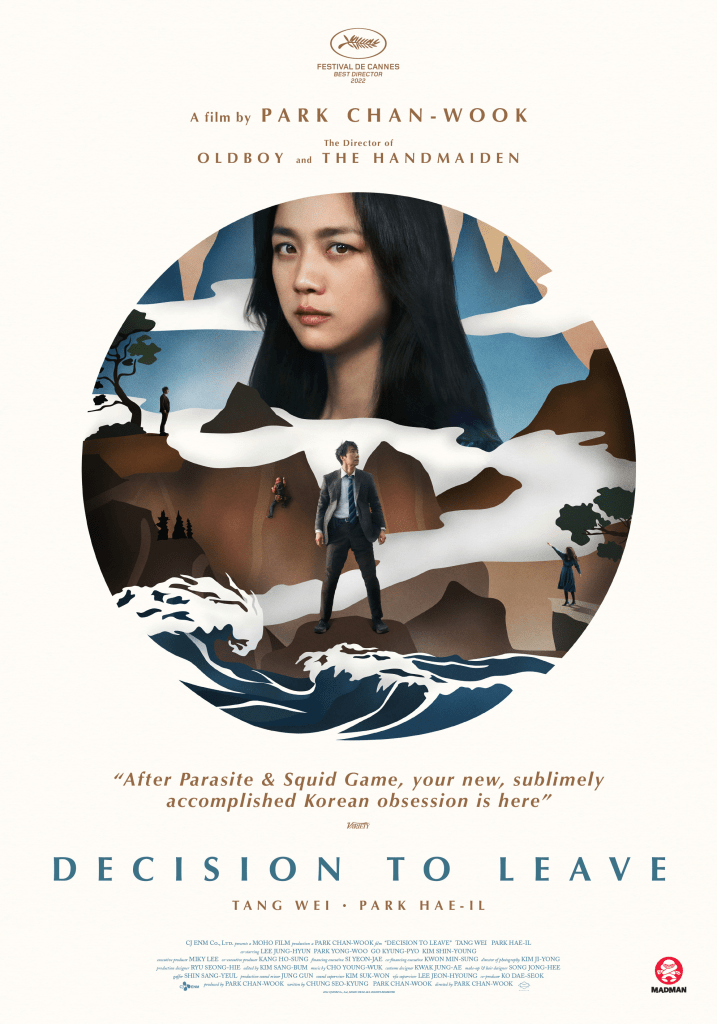
50. Decision to Leave (2022, Dir. Park Chan-wook)
Park Chan-wook’s foray into neo-noir filmmaking proves that he is a master of all genres with a darker hint to them. Decision to Leave employs many of the genre’s staples: it stars a grizzled detective who falls in love with a femme fatal while attempting to solve a case she is related to. What the film utilizes that separates it from a sea of neo-noirs is a deft hand with melodrama. The melodrama never feels saccharine in Chan-wook’s hands, but they do elevate the attachment to characters and intrigue of the mystery.
49. The Souvenir: Part II (2021, Dir. Joanna Hogg)
While the sequel to my favorite film of 2019 does not quite live up to its predecessor, The Souvenir Part II was still one of the best films of the decade. Taking place in the aftermath of the first film, Joanna Hogg’s semi-autobiographical feature continues with many of the same themes. Julie (Honor Swinton Byrne) struggles to cope with the circumstances that have become her life, but between the support of her mother (played by the actress’s real life mother Tilda Swinton) and the outlet of her passion of filmmaking she persists. The film is a testament to the power we have to recover when guided by those things and people we love.
48. The Quiet Girl (2022, Dir. Colm Bairéad)
The Quiet Girl follows Cáit (Catherine Clinch) one of many siblings living in an overstuffed and impoverished household. Neglected by her family, she struggles in school and altogether lives a poor life. It’s only upon going to spend the summer with distant relatives that she is shown what love is and she begins to flourish. Watching Cáit slowly accept love into her life and emerge from her shell is the highlight of the film. The Quiet Girl manages to capture warmth and familial love in an extremely special way.
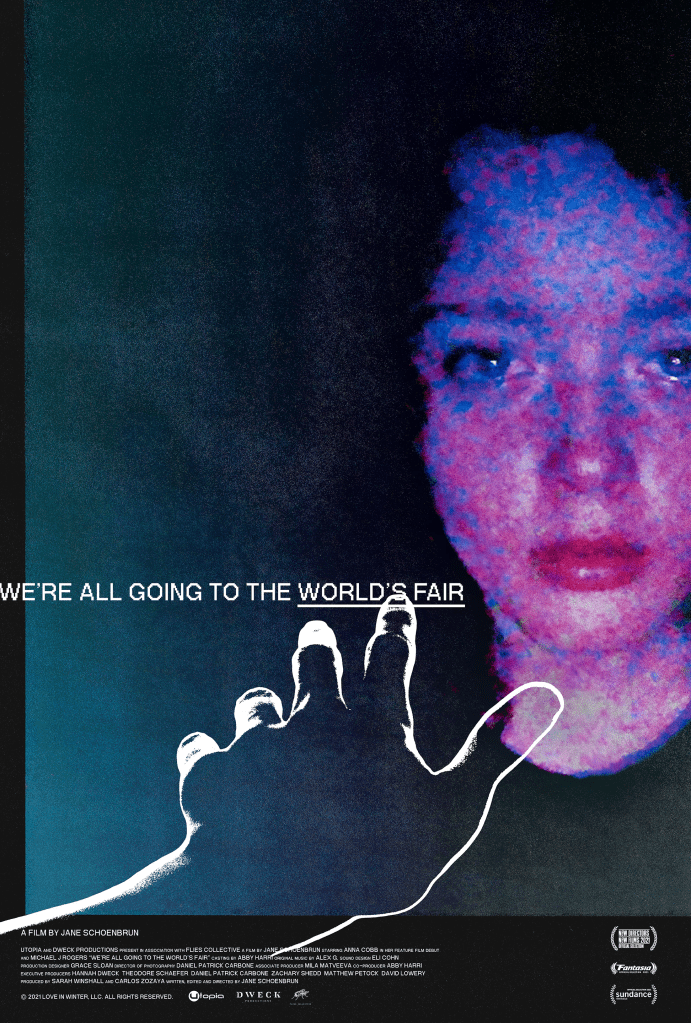
47. We’re All Going to the World’s Fair (2022, Dir. Jane Schoenbrun)
Before their breakout 2024 film I Saw the TV Glow (appearing later on this list), Jane Schoenbrun broke onto the indie filmmaking scene with this exploration of creepy pasta internet culture. Anna Cobb plays Casey, a young girl dives deep into the World’s Fair challenge and engages in the role playing aspects of it online with a mysterious user known as JLB (Michael J Rogers). The film is relatively narrativeless instead consisting largely of youtube clips running into one another, but still is tethered enough to the real world to extract some genuinely emotive performances, especially from the young Cobb. We’re All Going to the World’s Fair is a brilliant depiction of what it’s like to be alone in the current world.
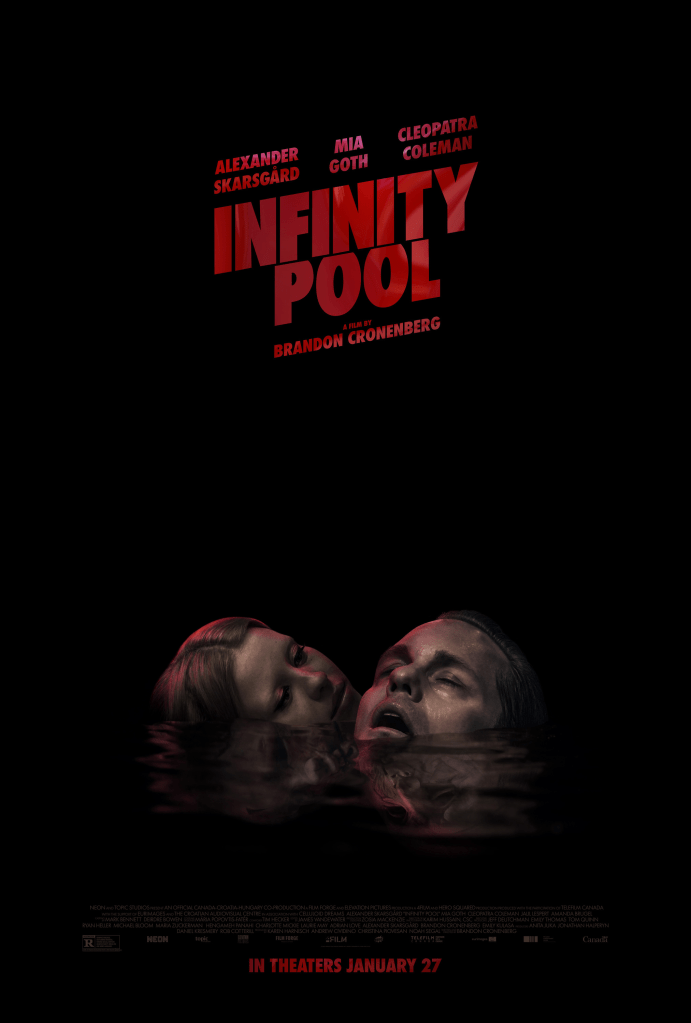
46. Infinity Pool (2023, Dir. Brandon Cronenberg)
The best horror film of 2023 continues to prove that Brandon Cronenberg is more than just a nepo baby, he is an excellent film maker with his own style. Infinity Pool lingered with me, the creepy imagery, the complex themes, and especially the supporting performance from Mia Goth. The film is dark and twisted in a way that lingers in the mind for weeks after viewing. Alexander Skarsgård is excellent as the slimy failed author James, and as mentioned, Mia Goth as Gabi is impeccably deranged. The film explores what it means to be human in the most twisted ways imaginable.
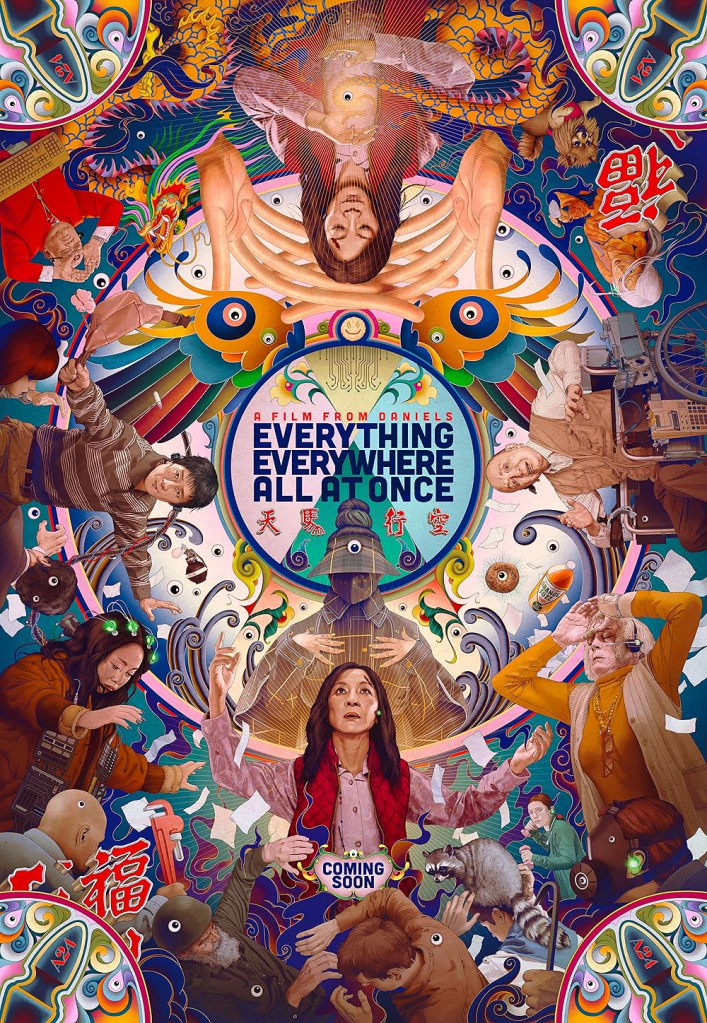
45. Everything Everywhere All at Once (2022, Dir. The Daniels)
In their combined follow up to Swiss Army Man (2016) (Daniel Scheinert did have 2019’s The Death of Dick Long as a solo film in between), Daniels delivered a film just as if not more heightened than their feature debut, yet somehow more relatable to the mainstream, so much so that it won the top award at the 2023 Oscars. Everything Everywhere All at Once hinges on the performance of its lead Michelle Yeoh to take audiences on a journey to the edge of the world and to worlds beyond that. Yeoh delivers on those lofty goals and creates a perfect viewer conduit for the wild imaginations of Daniels.
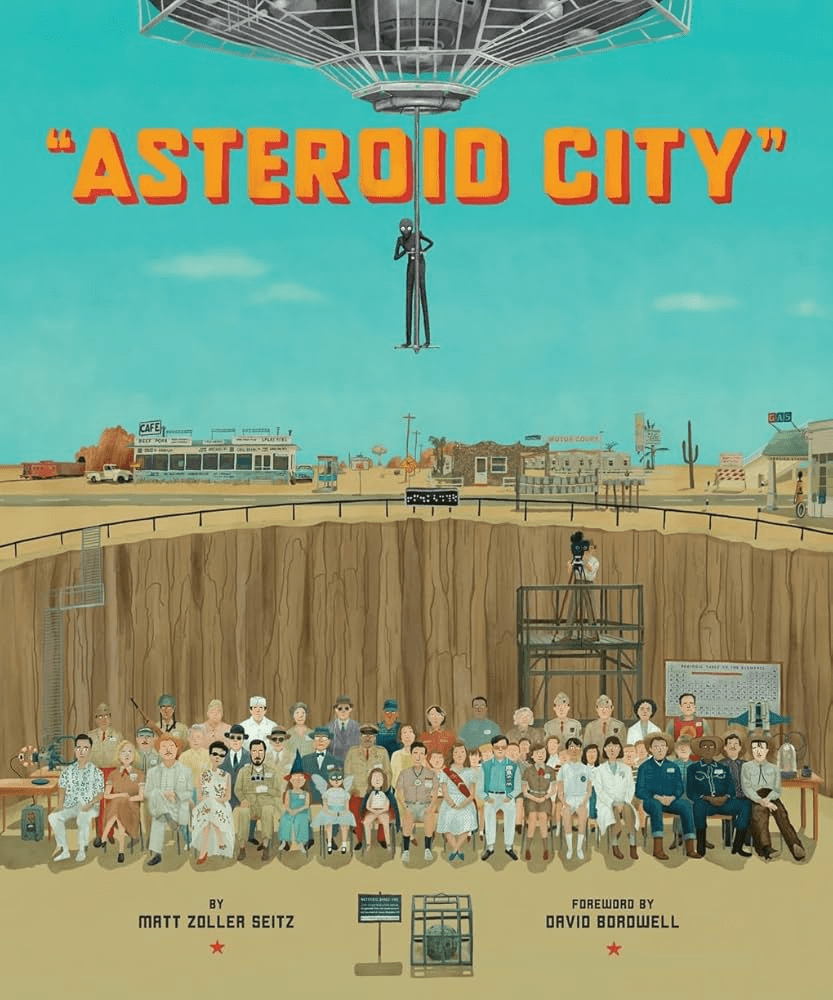
44. Asteroid City (2023, Dir. Wes Anderson)
If you think Wes Anderson’s style is a little bit too much, then this is not the film for you. However, if you want to see Wes Anderson dive into his style headfirst and make the most Wes Anderson film ever, then you need to see Asteroid City. Consisting of multiple layers of storytelling, the film is a complex narrative that I’m still grappling with after only one watch. The innermost layer of the film, the one in color, is filled to the brim with interesting acting decisions and Anderson’s trademark production design. Yet it is the combination with the outer layers that elevate Asteroid City into one of Anderson’s best.
43. Broker (2022, Dir. Hirokazu Koreeda)
Koreeda has been making films since the early 90s, but it’s only really since his 2018 film Shoplifters that the Japanese auteur has become a household name in the US. Broker is the better of his two 2020s films (though I did enjoy 2023’s Monster). The film builds off of Shoplifters’ theme of love between unconventional families, as well as getting by on the edges of society. Mix in a little bit of thrills as two police officers follow the chosen family in hopes of catching them in the act of selling a baby and Broker has a perfect mix of excitement and sincerity.
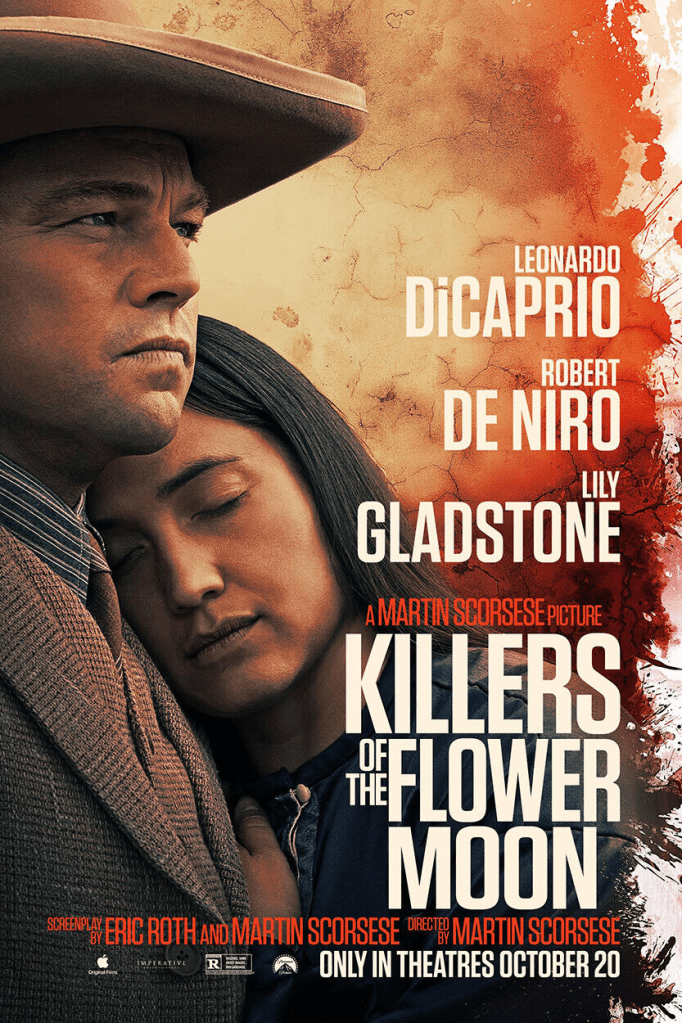
42. Killers of the Flower Moon (2023, Dir. Martin Scorsese)
It is sacrilege to say this as a cinephile, but Scorsese has never really been my cup of tea. I respect him as a film maker, and I’ve never disliked his movies, they just have not resonated with me the way they do for most. That said Killers of the Flower Moon spoke to me in a way that most of his more recent films have not. While much of the film does fall in the bad men doing bad things that many of his films fall into, the inclusion of Lily Gladstone as Mollie Burkhart won me over. By centering on the victim, he made a film that resonated much more with me. Scorsese’s undeniable prowess with directing combined with a sympathetic co-lead make this one of his best films. I only wish that Gladstone appeared on screen more.
41. West Side Story (2021, Dir. Steven Spielberg)
The only reason to remake West Side Story was to correct the racist casting choices made by the 1961 original, and yet despite the superfluousness of the film’s existence, Steven Spielberg delivered a masterpiece that (I’ll say it) surpasses the original. The 2021remake’s best feature is the cinematography. Janusz Kaminski’s camerawork acts as an additional dancer in all of the music numbers as it glides through the scenes in a masterful way. While Ansel Elgort might not be the most charismatic Tony to ever play the part, the cast around him is excellent and imbue the film with so much life that the film stays relevant despite the history of its predecessor.
40. Shirley (2020, Dir. Josephine Decker)
I said the same thing the previous year with respect to her performance in Her Smell (Alex Ross Perry), but Elisabeth Moss is a genuine movie star and really needs to be recognized for more than just her television work. In her most recent film, she plays the acclaimed horror writer, the titular Shirley Jackson who is at an apparent low point in her life. Co-star Odessa Young plays Rose, Shirley’s temporary caretaker and is also outstanding in the film. The two play off each other exploring the power dynamics between the haves and have nots. Even when Shirley is bedridden and Rose should be in complete control, Moss’s acting clearly identifies that this is never the case. No matter how mentally unstable Shirley is, she is always manipulating the situation until she has complete control over Rose’s mind.
39. Girl Picture (2022, Dir. Alli Haapasalo)
I don’t have a great explanation for why this Finnish lesbian romance is so high on my list, but upon leaving the theater after watching it I was all smiles. The film’s focus on female friendship and a young lesbian romance was refreshing in a heteronormative movie landscape. Mimmi‘s (Aamu Milonoff) volatile nature as she gets in fights at school, messes around at work, and falls in and out and back in love make her the standout performance, but all three young leads are remarkable in their honesty.
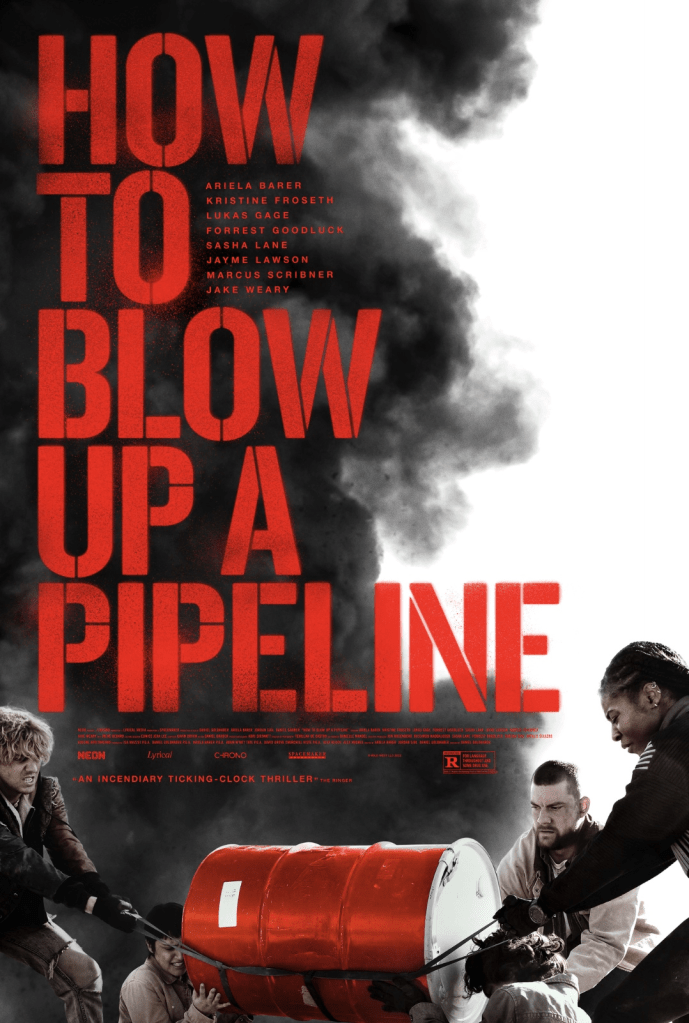
38. How to Blow Up a Pipeline (2023, Dir. Danile Goldhaber)
We’ve reached the point in our climate dystopia where our films can paint ecoterrorists as both the protagonists of a film and completely in the right. How to Blow Up a Pipeline is an incredibly tense thriller about a band of people whom all for different reasons believe that the destruction of an oil pipeline in Texas will serve their causes. Goldhaber cuts back and forth between the ecoterrorists’ past that motivated them to join this cause with the building of bombs and act of blowing up the pipeline. The film is remarkable in its ability to build tension and speak to a necessary issue in today’s world.
37. The Assistant (2020, Dir. Kitty Green)
The Assistant was the last film that I saw in theaters before the lockdown, and it was also the first great film I saw that year. Kitty Green managed to create an impressively tense drama for those with the patience to watch it. Rocking the impressive 92% to 25% critic to audience score on Rotten tomatoes, The Assistant is a perfect encapsulation of where my tastes differ from the average movie going public. I’m not looking for spectacle (not that there is anything wrong with looking for it in your entertainment); instead, I’m looking for subtle nuances that provoke a more genuine emotional response from me. Actor Julia Garner as Jane portrays the helplessness of a young woman attempting to navigate a workplace predisposed to cover for her boss’s indiscretions. Every moment of the film is poignant in its ability to express awfulness without explicitly showing anything.
36. Parallel Mothers (2021, Dir. Pedro Almodóvar)
The 2021 Almodóvar film leans heavily into his melodramatic roots to deliver a film that could be a season long plotline for soap opera but was also effectively emotional. Almodóvar continues to be a master of his craft as every second of the film has his fingerprints on them. Actresses Penélope Cruz and Milena Smit are wonderful as Janis and Ana two women who become entangled after giving birth on the same day. Their interplay helps to temper the absurdity of the screen play and deliver something emotionally devastating and believable.
35. Anatomy of a Fall (2023, Dir. Justine Triet)
The Palme winning Anatomy of a Fall cemented itself this year as one of the greatest courtroom dramas in cinema history. Sandra Hüller is impeccable as a wife who is under suspicion of killing her husband. She skirts the line in her performance such that the audience can never be certain if she is innocent or guilty. Much of that uncertainty is also due to Triet’s remarkable direction. The use of audio recordings of a fight between Hüller’s Sandra and her husband Samuel (Samuel Theis) is a linchpin of the film. It both represents a possible motive for Sandra and questions if normal marital fights can be used to incriminate. Triet delivers a complex picture of marriage and the court system.
34. Vortex (2022, Dir. Gaspar Noé)
If provocateur Gaspar Noé releases a film it will indubitably make my year end list, and Vortex is no different, even though this one has a much more somber tone than his standard fair. The film utilizes a unique dual screen setup to capture the day-to-day goings on of a couple dealing with the women’s onset of Alzheimer’s disease. Notably, Italian auteur Dario Argento plays one of the leads in a stunning declaration that he can act just as well as make excellent films. Like many of Noé’s films Vortex is a brutal watching, this time just for more emotional reasons.
33. A Thousand and One (2023, Dir. A.V. Rockwell)
Sundance Grand Jury: Narrative winner A Thousand and One snuck up on me for how good it was. Similar to 2016’s Moonlight (Dir. Barry Jenkins), A Thousand and One explores the Black experience of a young man through various points in his life. Rockwell’s film, however, uses these time skips to show the evolving relationship between a boy and his mother played wonderfully by Teyana Taylor. Her performance is one of the best of the year it came out, as she manages to capture Inez’s change over the decade while still making each era feel like the same person, just with more years of experience. I’d also like to call out Gary Gunn’s score for the film which was my favorite of that year.
32. Gunda (2021, Dir. Viktor Kosakovskiy)
Ranking films can be difficult when exploring all aspects of cinema, and Gunda is a perfect encapsulation of why. The narrativeless, dialogueless, black and white, experimental documentary is about the life of animals on a Norwegian farm, specifically the pig Gunda. While completely different from every other film on this list (Andrea Arnold’s Cow made a year end list but not this one), the filmmaking is undeniable and it deserves to be recognized. By setting the camera at eye level to the young piglets (mere inches above the ground) the film captures the essence of the animals and brings life into them without unnecessary storytelling and personification.
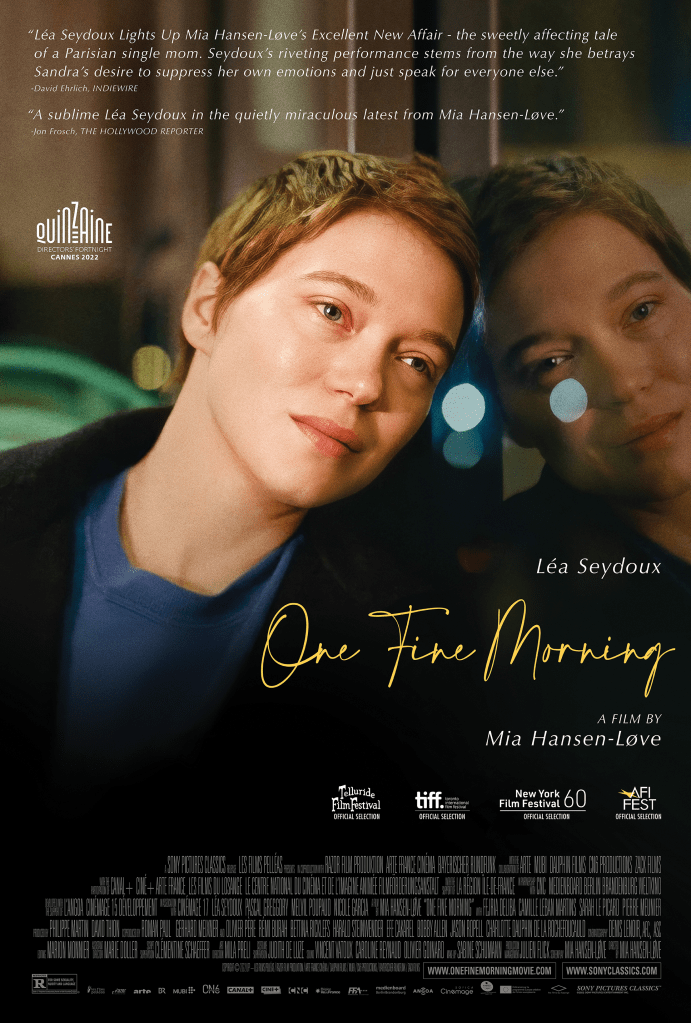
31. One Fine Morning (2022, Dir. Mia Hansen-Løve)
While I had been familiar with her since her Cannes winning performance in Blue is the Warmest Color, Léa Seydoux cemented herself as one of the best actors working today in this decade, and her work with Mia Hansen-Løve, a favorite director of mine, is her best of the decade thus far. Like most of Hansen-Løve’s films, One Fine Morning is a realistic depiction of women and the intermingling of their love lives with the additional complications in their lives. In this film, Sandra (Seydoux) must balance an ailing father with a fling with an old friend all while being a single mother. Simple yet poignant the film delivers what I love in present day French cinema, and Hansen-Løve is a large part of why that scene is as powerful as it is.
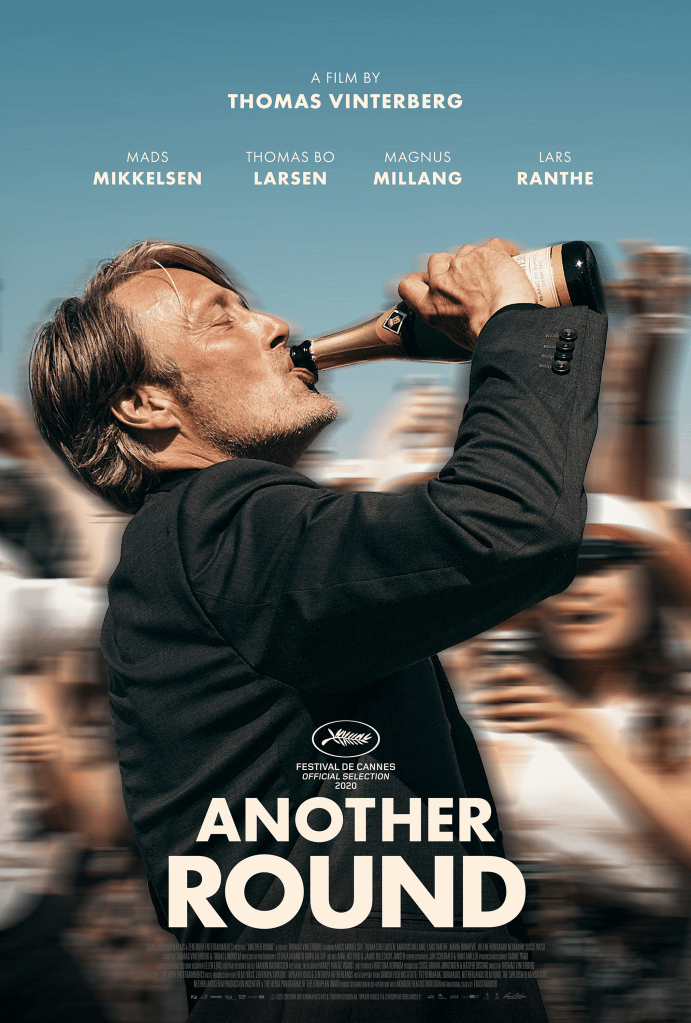
30. Another Round (2020, Dir. Thomas Vinterberg)
Mads Mikkelsen drunkenly dancing at the end of this film is the most fun 3 minutes I had in 2020 movies and succinctly encapsulates the themes of Another Round. Mikkelsen’s Martin and his friends have been playing a dangerous game where they attempted to live life at constant state of inebriation. As one would expect, this has some negative consequences for the group, but it also leads them to some of the highest highs they’ve had in their middle life. Mikkelsen’s jubilant dancing at the end reflects the urge to return to the bottle and chase those highs once more. Vinterberg refuses to deny the enjoyment his characters receive through their self-destructive habit.
29. Nomadland (2020, Dir. Chloé Zhao)
The best picture winner for the year of the pandemic may not have aged as well in that time as I would have thought (it was my number 1 film of the year when I released my year end list in January 2021, but now lags behind a few contemporaries), yet there is no denying that the film still is magnificent. After the success of Nomadland Zhao was gobbled up by the studio system and made one of the most unique (though largely panned) Marvel films, but that just goes to show how distinctive a voice she has behind the camera. Frances McDormand and Nomadland were the perfect vehicle for Zhao’s sensibilities, and the decision to use otherwise non-actors was more than a publicity casting as it highlighted the naturalistic tendencies that Zhao heavily utilizes.
28. Cyrano (2021, Dir. Joe Wright)
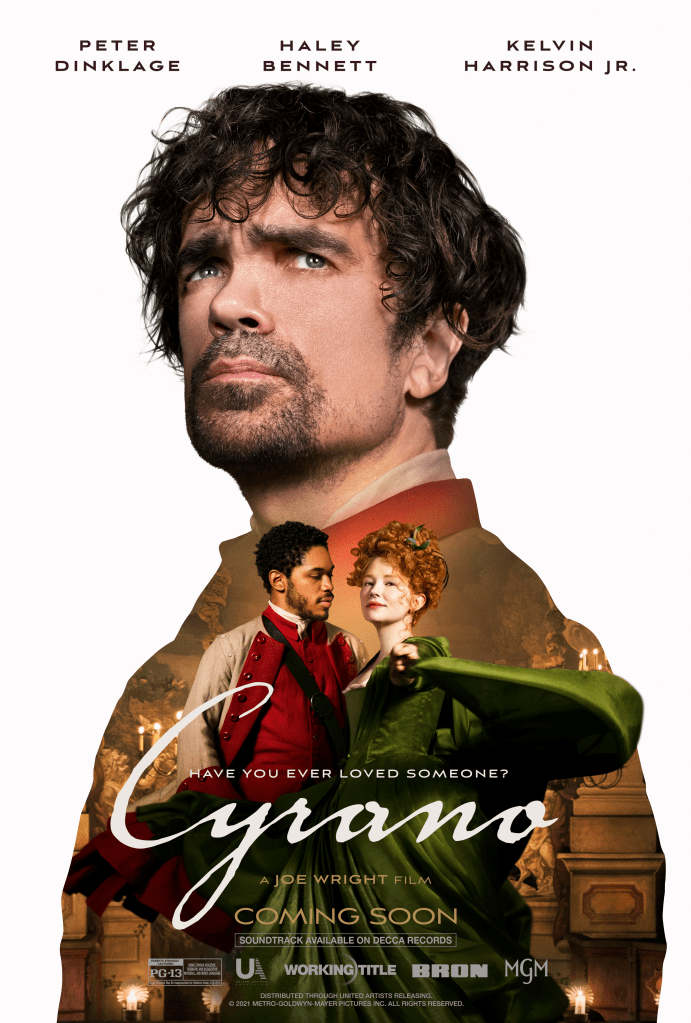
The film that grew in my estimation the most so far this decade, was Joe Wright’s musical adaptation of Cyrano de Bergerac. While Peter Dinklage may not be the most acclaim worthy singer to headline a musical in the 2020s, his performance in central to why Cyrano is in my opinion this decade’s best musical. The story is tried and true as it’s been adapted to screen numerous times, but this version captures the magic like few others do. Cyrano’s passion for Roxanne (Haley Bennett) and want for her to be happy makes for a great bit of camaraderie between him and Christian (Kelvin Harrison Jr.), and Joe Wright’s trademark visual flare enhances the classic tale just enough to make the film sing.
27. Return to Seoul (2022, Dir. Davy Chou)
While I may have aged out of my twenties (by more than I care to admit), the depiction of a twentysomething person wandering through life in search of meaning still resonates with my soul, and Return to Seoul was one of the best entrants in that genre. Park Ji-min as the French Korean Freddie perfectly captures that feeling as she explores South Korea, a place where despite being from she has no connection. The distance she exhibits when reconnecting with her biological father and resistance to creating a relationship with him rings true as priorities change from generation to generation, and Freddie’s interests lie more in drinking and enjoying her youth than falling into the confines of familial ties.
26. Women Talking (2022, Dir. Sarah Polley)
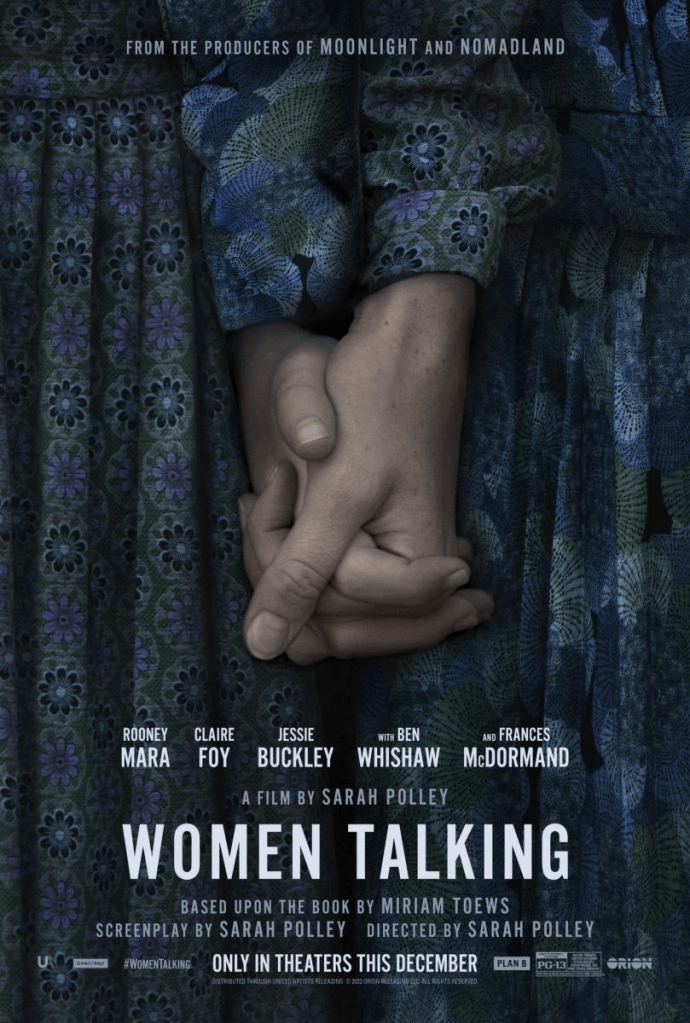
While many criticized the film for being too play-like (the camera seldom leaves a single barn), Sarah Polley captured something special in her long-awaited follow-up to the 2012 documentary Stories We Tell. Starring a real who’s who of great female actresses, Women Talking uses a Mennonite community to tell a story of rampant patriarchal abuse in present day without the film feeling preachy. This near present day setting acts as a constant reminder that as far as we’ve come, the trappings still exist all around us. Each of the adult women are given large meaty parts to bring the audience into the lives these women lead, and they all succeed in the most literally titled film on this list.
25. The Zone of Interest (2023, Dir. Jonathan Glazer)
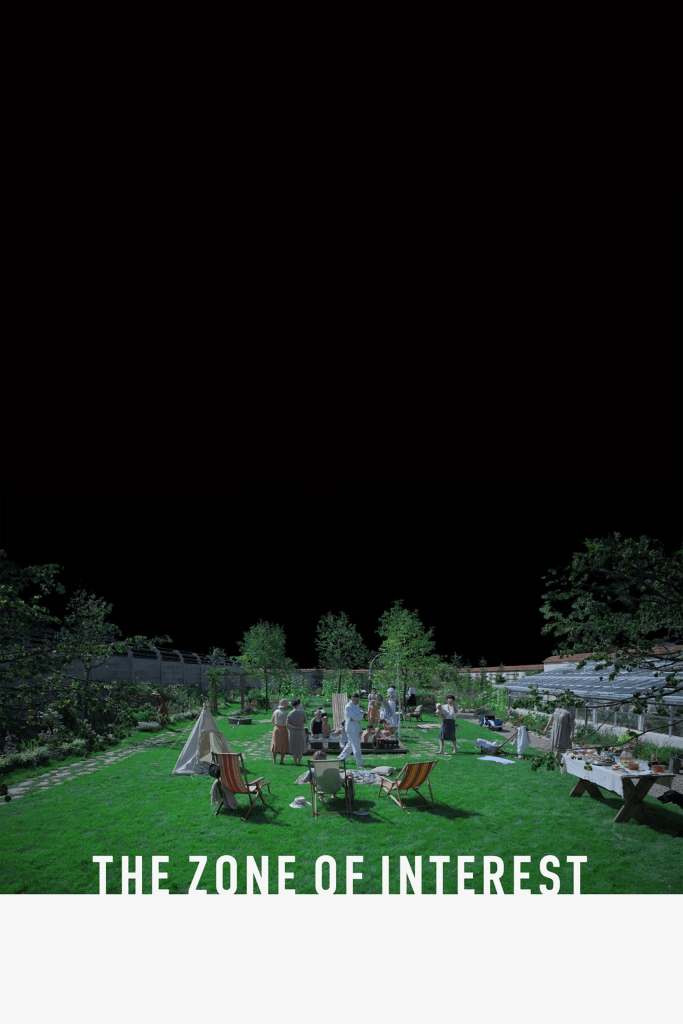
The second of Sandra Hüller’s Oscar worth performances that year, Jonathan Glazer’s follow up to the haunting 2014 Under the Skin is no less shaking. Taking place in an estate sharing a wall with Auschwitz, The Zone of Interest manages to capture the horrors of the Holocaust without showing a single frame of the violence inflicted upon its victims. Instead, everything is conveyed through sound design and the acting of the guilty family. The sound design is particularly remarkable, and it winning the best sound Oscar for its year was the best thing the Academy did all decade. While the sound design may be the most apparent standout of the film, the entire thing is meticulously put together in a way to leave the viewer in devastated silence.
24. The Blue Caftan (2023, Dir. Maryam Touzani)
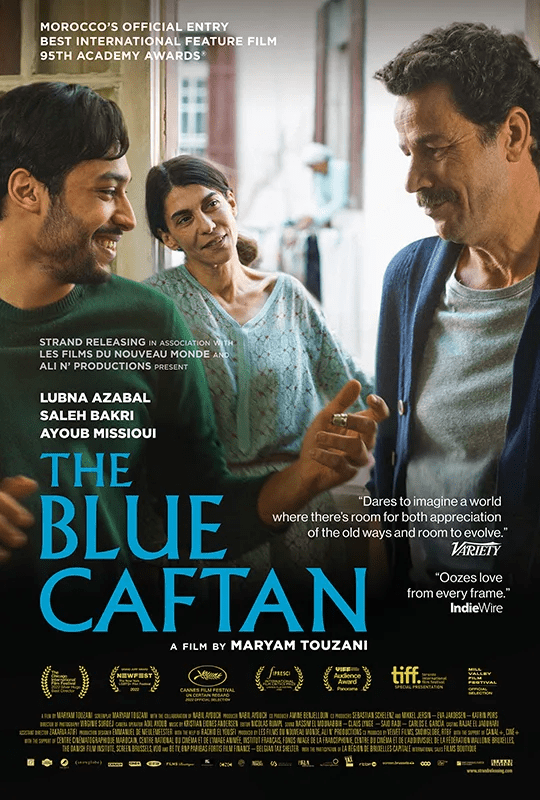
What at its heart is a love triangle film between a married couple and the worker they hire to work at their apparel shop, The Blue Caftan is an exceptionally warm watch that can’t help but fill the viewer with love. While Youssef (Ayoub Missioui) would be seen as in interloping home wrecker in most films, here he and his relationship with Halim (Saleh Bakri) is understood by Halim’s wife Mina (Lubna Azabal) and the three of them end up in a familial relationship where each clearly cares about the rest. A complex romance, The Blue Caftan was an amazing watch that stuck with me even as a mid-SIFF watch.
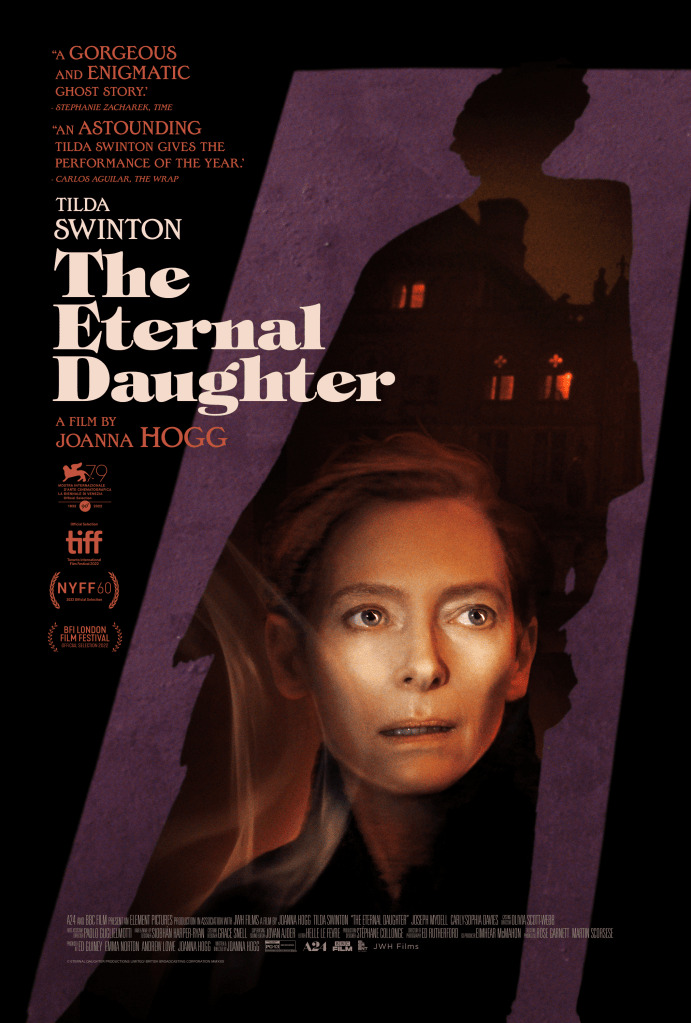
23. The Eternal Daughter (2022, Dir. Joanna Hogg)
The third feature in director Joanna Hogg’s Souvenir series adopts a more mysterious tone than its grounded predecessors. It also trades a mother daughter casting choice of Tilda Swinton and Honor Swinton Byrne for dual roles for Tilda as both mother and daughter. While the film is full of Hogg’s trademark slow conversations with meaning carefully hidden behind meticulously chosen dialogue, the aforementioned changes lead to a single static shot that’s the most emotional moments of the year (at least that doesn’t come from the next film).
22. Sing Sing (2024, Dir. Greg Kwedar)
For all the accolades I will sing for the distribution studio A24, Sing Sing was one of the largest failures in their tenure. Not because the movie is bad, obviously as it has made my top 10 of the year, but because they completely botched the distribution of the film. It never even came close to opening wide which likely cost it quite a few Oscar nominations. That said, even a baffeling distribution model shouldn’t be enough to deny Colman Domingo his second consecutive Oscar nomination as the enigmatic prisoner John Divine Whitfield. The film headlined by Domingo imparts the importance of art programs in correctional facilities to the wider public and is an essential film in humanizing the incarcerated population.
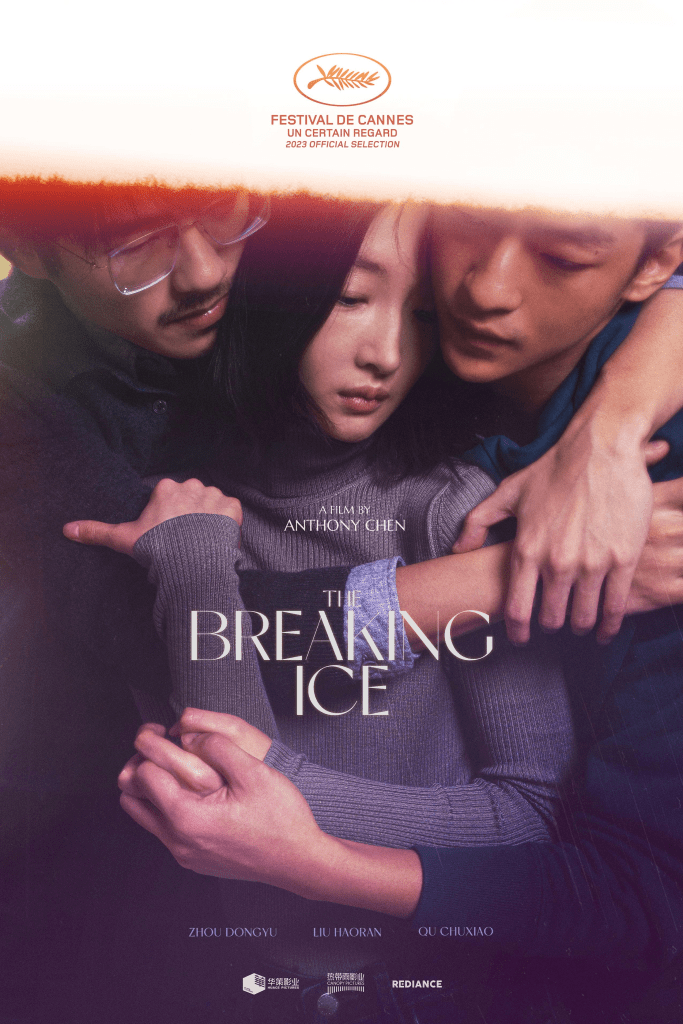
21. The Breaking Ice (2024, Dir. Anthony Chen)
One of the least seen films on this list, The Breaking Ice touched me in a way that I was ill-prepared for. Li Haofeng (Haoran Liu) is a twenty something man lost in the world. He is constantly receiving calls from his therapist’s office concerned that he hasn’t shown up to his session and seems unsure of what his life is for. While out of town for the wedding of a college friend, he ends up in the company of a tour guide Nana (Dongyu Zhou) and her friend Han Xiao (Chuxiao Qu). The three of them create an immediate friendship that hovers in the liminal space between platonic and romantic and brought my depressed self a lot of hope in the cold winter.
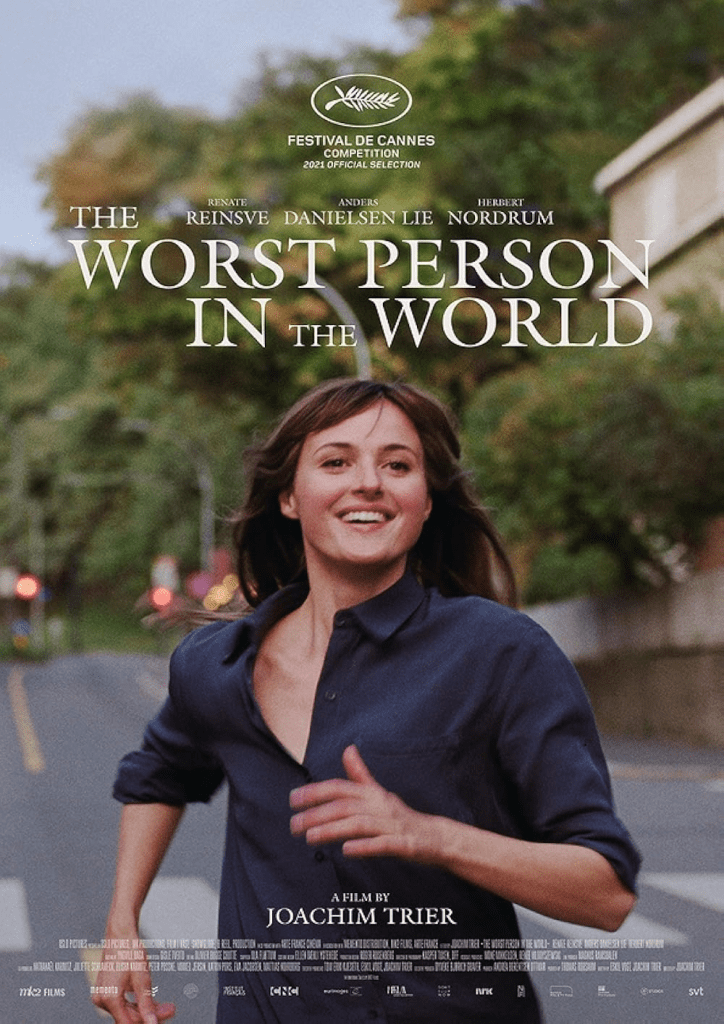
20. The Worst Person in the World (2021, Dir. Joachim Trier)
The 2022 Oscars marked a paradigm shift for international features with two of the films (The Worst Person in the World and another film which will be arriving later on this list) breaking out of the specific category and making an appearance in multiple categories. Like the aforementioned Return to Seoul, The Worst Person in the World is another entry into the young adult lost in the world genre that I love so much. Renate Reinsve plays Julie as this film’s lost protagonist. What makes this genre special is how new the feeling seems to be as the millennials were the first generation to have it worse than their parents and Trier captures that cosmic confusion in his film.
19. Spencer (2021, Dir. Pablo Larraín)
I have said it many times before, but I will say it again: “Kristen Stewart is the best actress of her generation”. Her portrayal of Princess Diana is poignant, as she captures the agony and unrest that Diana was undergoing while contemplating divorcing Prince Charles. While Larraín’s direction is magnificent, and the costuming and production design enhance the film, Stewart’s performance is the reason to watch Spencer. Much like with Jackie (2016) and Natalie Portman, Larraín does just enough to let his lead actress convey the breadth of emotions during a trying time.
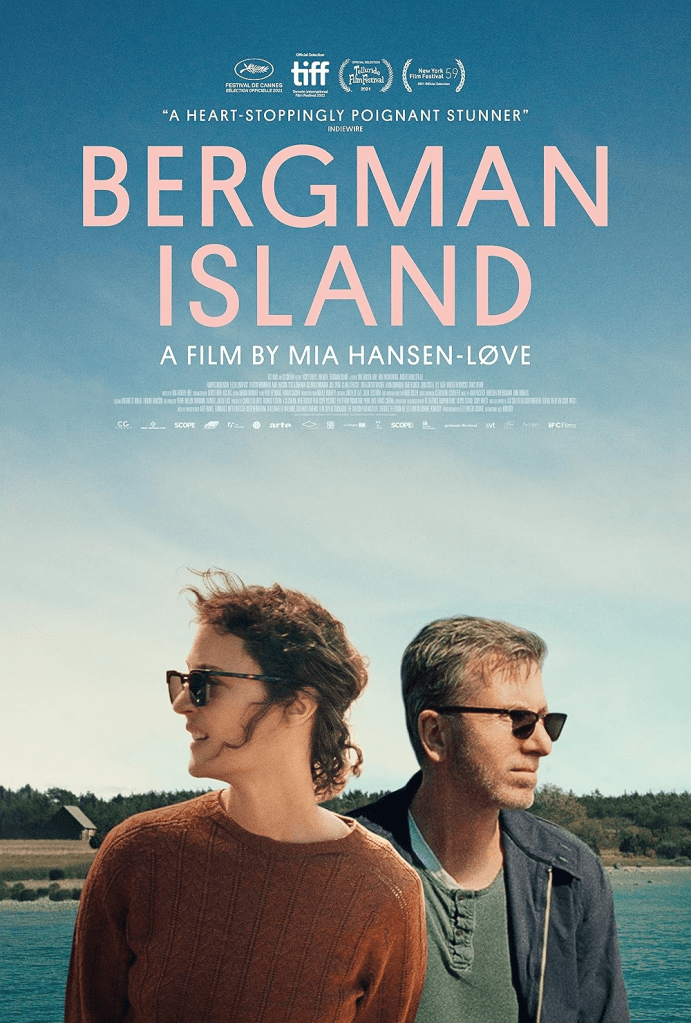
18. Bergman Island (2021, Dir. Mia Hansen-Løve)
In this outing, director Mia Hansen-Løve delivers another superb picture featuring her strength of capturing interpersonal relationships. Like in all her previous pictures, she creates characters with an emotional depth that is front and center to the story. Bergman Island chooses to explore this complexity by utilizing the titular stunt location as well as a movie-within-a-movie trope. Both feed into her story seamlessly, build upon the wonderful character depth. The film is subtle and warm in its depiction of love and the complexities of relationships and honest in its focus on the creative process.
17. First Cow (2020, Dir. Kelly Reichardt)
First Cow is actually one of my least favorite Kelly Reichardt films, but even a middling Reichardt film is easily one of the best films of the decade. Cookie played wonderfully by John Magaro is one of the most sympathetic characters to ever be brought to screen. He’s just a young man with domestic sensibilities trapped on the frontier. Magaro captures the kindhearted Cookie by portraying him as extremely soft-spoken and caring. Even when he and his friend King-Lu (Orion Lee) start stealing milk to bake cakes for profit, it’s clear that King-Lu is doing so for the freedom the capital will bring the pair while Cookie just loves cooking for his fellow man. He wants nothing more than to be in the service industry. Even if the two men have slightly different goals, Reichardt manages to recapture the spark from one of her first films Old Joy (2006) by delivering a tranquil tale of male friendship devoid of machismo posturing.
16. Nickel Boys (2024, Dir. RaMell Ross)
Shot almost entirely in first person, RaMell Ross’s devastating examination of the criminalization of Black boys, is a masterwork. Chronicling the friendship of two Black boys, Elwood (Ethan Herisse) and Turner (Brandon Wilson), who meet in Nickel Academy, a reform school for criminal youth with a sordid secret Nickel Boys pushes the boundaries of the medium to induce sympathy for its two subjects. By putting oneself directly in the eyes of the dual protagonists, one is able to empathize with the unjust lot in life they received. Early on the film plays loose with narrative structure playing only short clips over long periods in time, but once Elwood enters Nickel and meets Turner, the film takes a somewhat more narratively structured approach and is stronger for it.
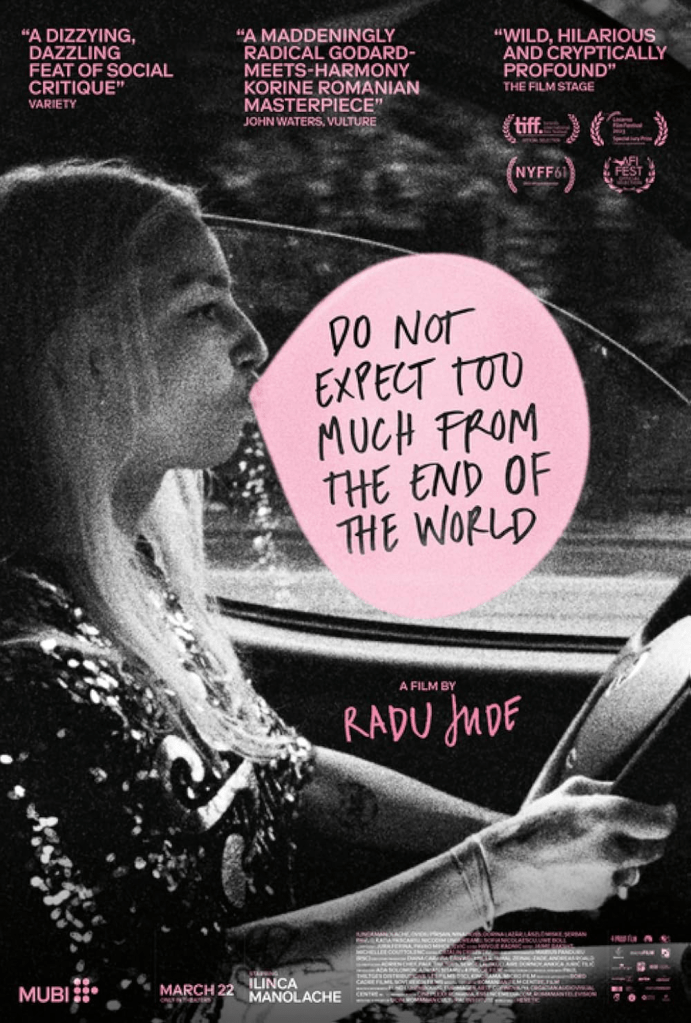
15. Do Not Expect Too Much from the End of the World (2024, Dir. Radu Jude)
At nearly three hours long, this Romanian film will most assuredly not be for everyone, especially as Angela’s (Ilinca Manolache) alter-ego Bobita is tailor made to be a turn off, but the brashness of the film and its lead are essential to the feel of the film. Jude’s film can be seen as a hit piece against capitalistic tendencies and the corporations that have complete control over a working-class person’s ability to survive in the world. Overworked and underpaid, Angela is put face to face with the people whose lives her bosses directly negatively impacted, but in need of her paycheck she escapes into short videos under her assumed male chauvinist identity as a reprieve from the world crumbling around her.
14. Shiva Baby (2021, Dir. Emma Seligman)
The first feature of director Emma Seligman was part of a pattern of great first films by non-male directors this decade. The comedy balances being genuinely funny with being one of the tensest watches of the year. Highlighted by a disconcerting score by Ariel Marx, Shiva Baby captures to suffocating feeling that family functions can have, especially when one has a secret to keep. While the tension can flirt with uncomfortable levels at times, the absurdity of Danielle’s (Rachel Sennott) situation and a reliable joke line from her father adds just the right amount of humor and levity to the stressful circumstances.
13. Licorice Pizza (2021, Dir. Paul Thomas Anderson)
The closest to a perfect film that 2021 had to offer, the newest work by auteur Paul Thomas Anderson is an unconventional love story between two people who really should not be in love. The episodic style of the film serves the romance between Gary (Cooper Hoffman) and Alana (Alana Haim) well. It allows it to develop gradually. In addition to being a sweet story of first love, Licorice Pizza is an extremely funny film. Most of Anderson’s films have a level of humor to them, but it is in the forefront here more than any of his other films.
12. All We Imagine as Light (2024, Dir. Payal Kapadia)
Something needs to be done about the best international film category at the Oscars because countries refuse to put forward their best films (especially India between this and RRR in 2022) leaving them unable to be nominated thus denying them of the recognition that they deserve. All We Imagine as Light is a wonderful picture following three women living on their own in Mumbai. Directed by a woman, Payal Kapadia, the film captures the intimacy between female friendship and its universality even if not more so existent in a country where women’s rights to independence, especially in making their romantic decisions, is less common.
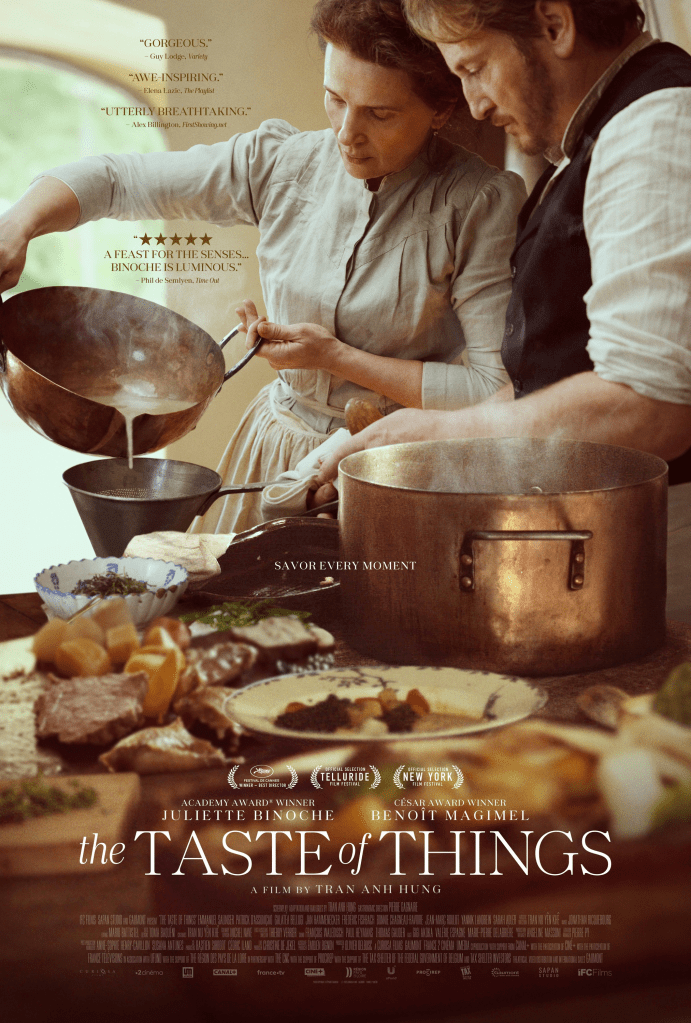
11. The Taste of Things (2023, Dir. Anh Hung Tran)
While talking about the problems of the best international film category at the Oscars, many people point to The Taste of Things as another offender as it likely prevented Anatomy of a Fall from winning the Oscar, and yet I’m here to tell you that France was right to submit The Taste of Things as its submission that year, it is the better film. Part love story and part food porn, Juliette Binoche is once again perfect in this film as an estate cook who works for her lover the chef Dodin Bouffant (Benoît Magimel), yet despite her subservient position and the norms of the era maintains an unprecedented level of independence. Likely the most romantic film I’ve seen this decade, director Anh Hung Tran created something masterful that deserves to be more than a fun fact related to Oscar submissions.
10. Memoria (2021, Dir. Apichatpong Weerasethakul)
The Jury Prize winner at the first Cannes back after the pandemic, Apichatpong Weerasethakul’s Memoria is both another in a long line of similar films by him and the first one to really resonate with me. Maybe it’s the casting of Tilda Swinton who makes yet another appearance on this list, but Memoria captured me more than his other films despite sharing the plodding nature of his other films. The film was originally set to not be released for home viewing as Weerasethakul wanted the film to only be seen on the big screen, and while I do wish I had been able to there I’m just glad I had any chance to see it. The film set a momentous tone for the first slot in the top 10 of the decade thus far.
9. Drive My Car (2021, Dir. Ryûsuke Hamaguchi)
The three hour, Japanese, slow burn narrative may be a hard sell to many, but the film is an example of the lasting impact that cinema can have on a person. After the lengthy prologue (the opening credits appear at the forty-minute mark), the film settles into its pattern for the remainder of the film. Yûsuke Kafuku (Hidetoshi Nishijima) attends practice for the play he is directing and then rides in the car contemplating life while Misaki (Tôko Miura) drives him. This may not seem like much especially considering the length of the film, but the repetitive nature of these moments allows the audience to share in Yûsuke’s reflections and develop a strong bond with each character.
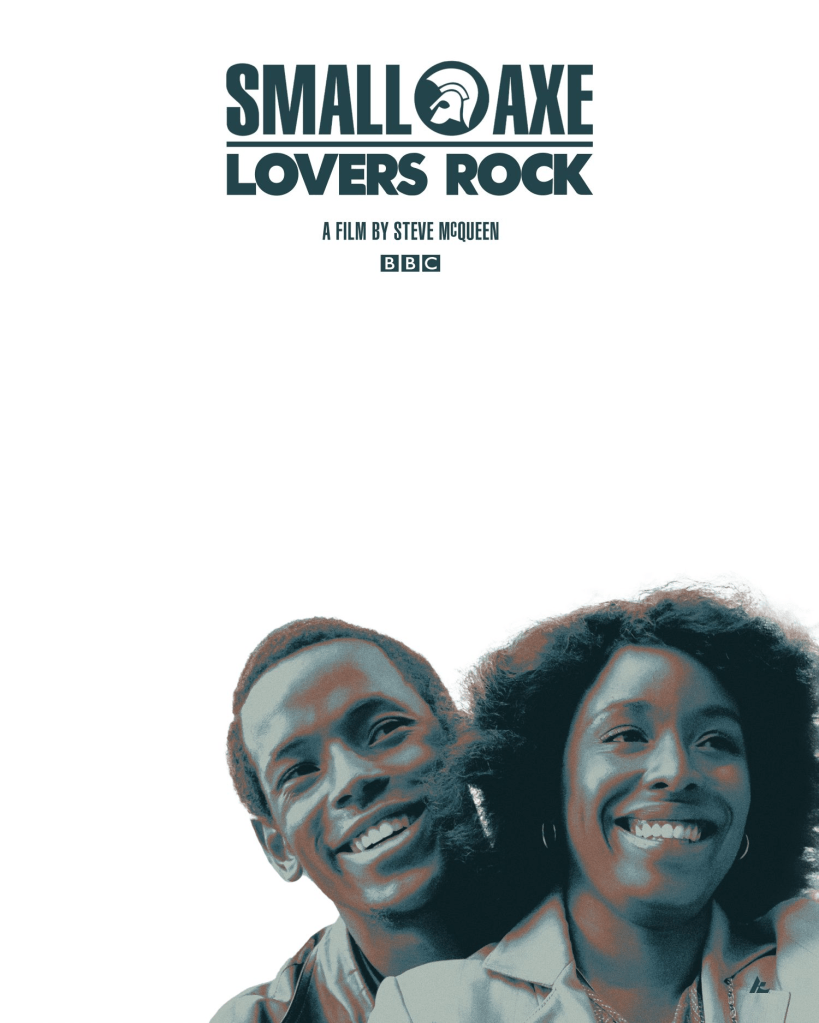
8. Small Axe: Lovers Rock (2020, Dir. Steve McQueen)
Likely the greatest piece of art to come out of 2020 was Steve McQueen’s Small Axe mini-series of features, and while Mangrove was a great courtroom drama, Lovers Rock is the great Steve McQueen film of the set. When I think about McQueen’s body of work, I instinctively think of long scenes. Examples being the 17-minute scene of Bobby Sands (Michael Fassbender) talking to the priest (Rory Mullen) in Hunger (2008) and of Chiwetel Ejiofor tiptoeing to avoid asphyxiation in 12 Years a Slave (2013). Rather than those two though, Lovers Rock long scene instead harkens back to a scene from my personal favorite McQueen film Shame (2012) where Carey Mulligan extends the 3-minute Frank Sinatra Classic to nearly 5. This extended cut of the song is almost painful in it’s beauty, and the same can be said with the Janet Kay’s ‘Silly Games’ scene in Lovers Rock. The 3 ½-minute song is looped and extended to 10 full minutes which is likely not something that would have ever happened in the reggae party depicted. It’s in that fantasy space, however, that the film transports us into the room. We feel the sublime joy of the party goers as they find a momentary escape from the prejudiced world on the other side of the sweltering walls housing the party.
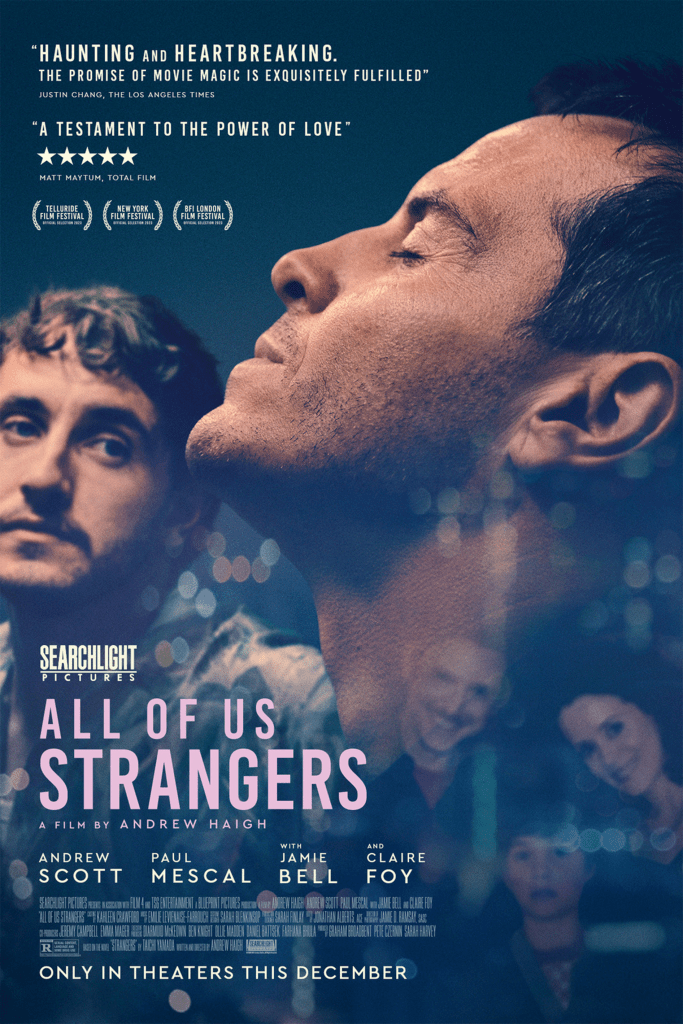
7. All of Us Strangers (2023, Dir. Andrew Haigh)
One of the last films I saw in my 2023 film catch up, All of Us Strangers came awfully close to being my number one. The film is an exploration of a man’s struggles with his queerness due in large part to never being able to tell his parents who he was. Haigh lets Adam (Andrew Scott) process that longing by creating a world where his parents still live in their childhood home having never aged since they passed when he was 12. These scenes are intercut with his burgeoning relationship with Harry (Paul Mescal) which grows as Adam is able to process his identity with his late parents. The film hit me especially hard as a queer person who is struggling with processing her past, but even without that personal connection the film would rank high on this list.
6. Past Lives (2023, Dir. Celine Song)
I managed to catch Celine Song’s directorial debut at the opening night gala for SIFF (The Seattle International Film Festival) and while she could not directly talk about her captivating screenplay – it was the midst of the writer’s strike – one couldn’t help but see the brilliance in her that lead to such a perfect screenplay and perfect movie as she addressed the pack room of viewers stunned in silence. Past Lives is both a romance and not at the same time. It captures the longing that exists when considering the potential loves that we never had, and how even when we are happy in our current lives those memories persist. Greta Lee is revelatory as a woman who is happy in her current life, married to a man she loves, but is taken by the remembrance of a boy she used to know. The movie feels like the inverse of Linklater’s Before films and deserves to be seen with the same reverence.
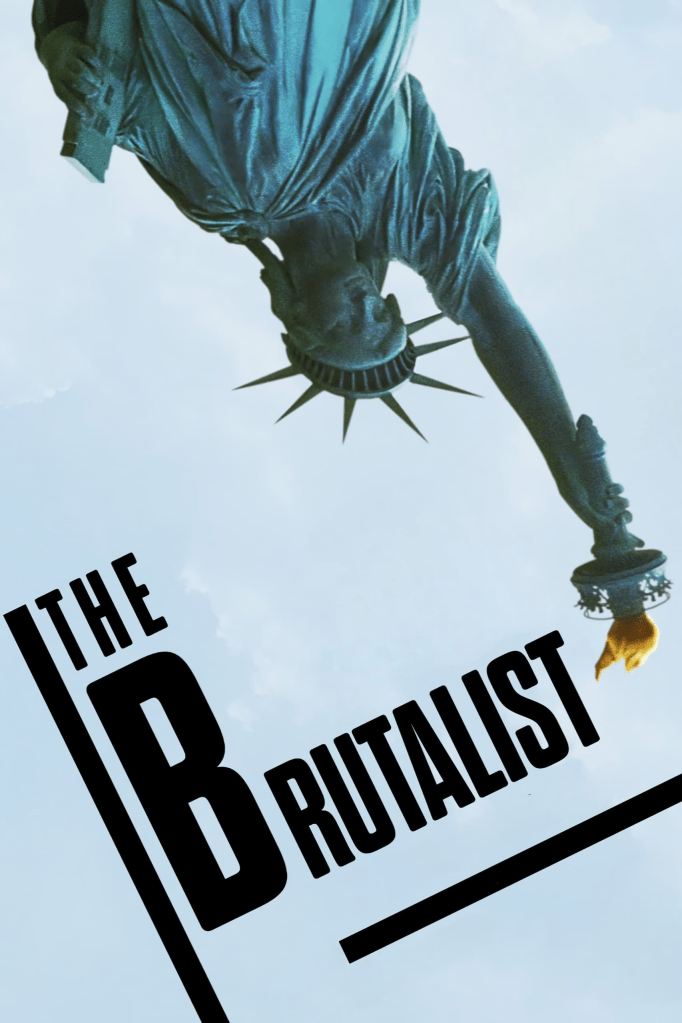
5. The Brutalist (2024, Dir. Brady Corbet)
Sometimes upon first viewing of a film, I don’t think anything special of it, yet even without a subsequent viewing it lodges itself in my mind and refuses to budge greatly increasing in my opinion throughout the years. This is what happened with director Brady Corbet’s previous film, Vox Lux. That film still haunts me six plus years after its release. The Brutalist I feel will have a likewise long lifespan in my mind, though this one hit with me immediately. This three-and-a-half-hour epic, complete with overture and intermission, explores the impact trauma has on oneself and the processing of said trauma through art. Beautifully shot and scored, The Brutalist feels akin to a dream, with fictional architect László Tóth’s building being impossible to comprehend in its scope and layout.
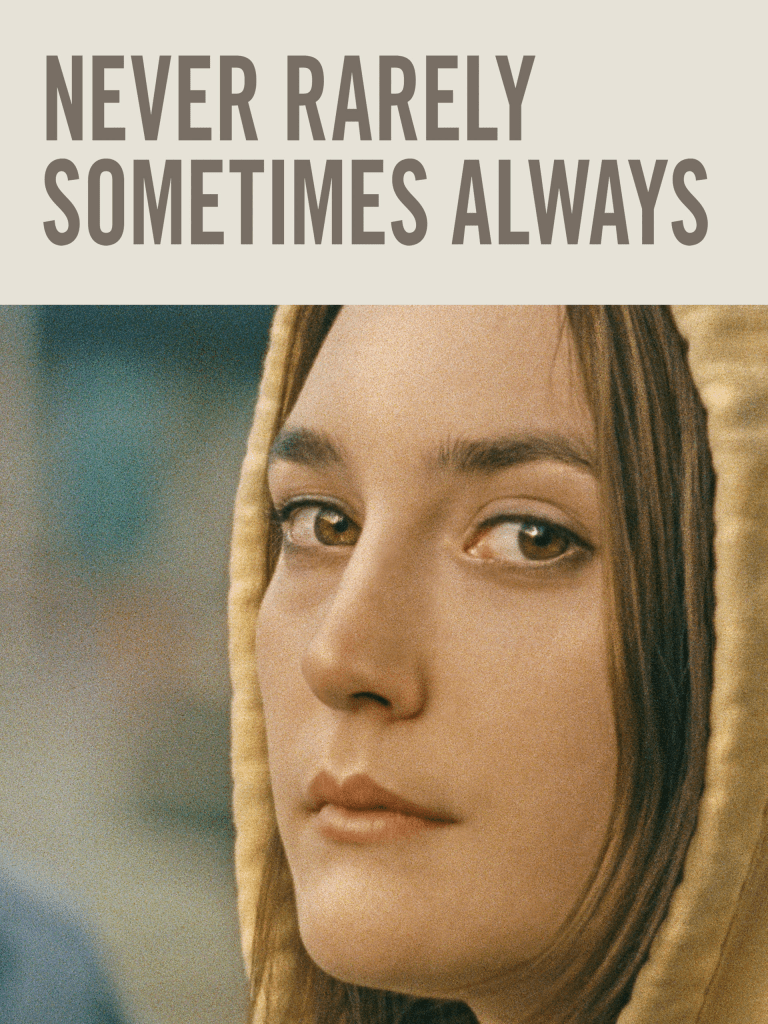
4. Never Rarely Sometime Always (2020, Dir. Eliza Hittman)4
A trick to making it near the top of one of my year end list is to make me sob uncontrollably, yet not feel exploitative when doing so. Never Rarely Sometimes Always accomplished that multiple times in its runtime. The most obvious instance of this happening is during the scene from which the film takes its name. Autumn (Sidney Flanigan) is sitting in a planned parenthood office to get an abortion. We know that she is pregnant, but we don’t know much in the way of the details about how it happened. When the nurse asks the standard questionnaire for which Autumn is to answer with one of the words in the film’s title, we learn that the circumstances of the teenager’s sex life are more insidious than careless. As the questions become more personal and cut deeper Flanigan’s performance turns tragic. Instead of answering all she can do is cry, all the viewer can do is cry, all I can do simply remembering this scene is cry.
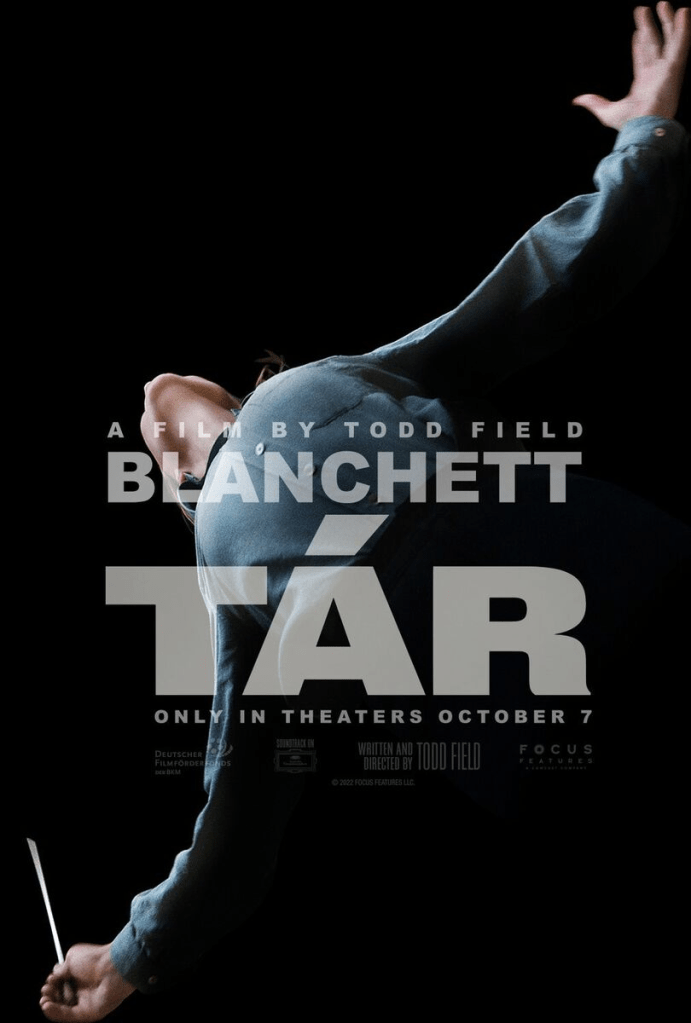
3. Tár (2022, Dir. Todd Field)
I’m an auteurist at heart, I believe most films are a product of their director first and foremost, but TÁR is one of those few exceptions. TÁR is 100% Cate Blanchett’s film. The film focuses on one of our greatest working actors for the entire three-hour duration of the film while she slowly begins to reckon with the decisions she’s made over the course of her career. Blanchett’s perfectly captures the fictional composer who exudes charisma while preparing for a new performance and pursuing affairs.
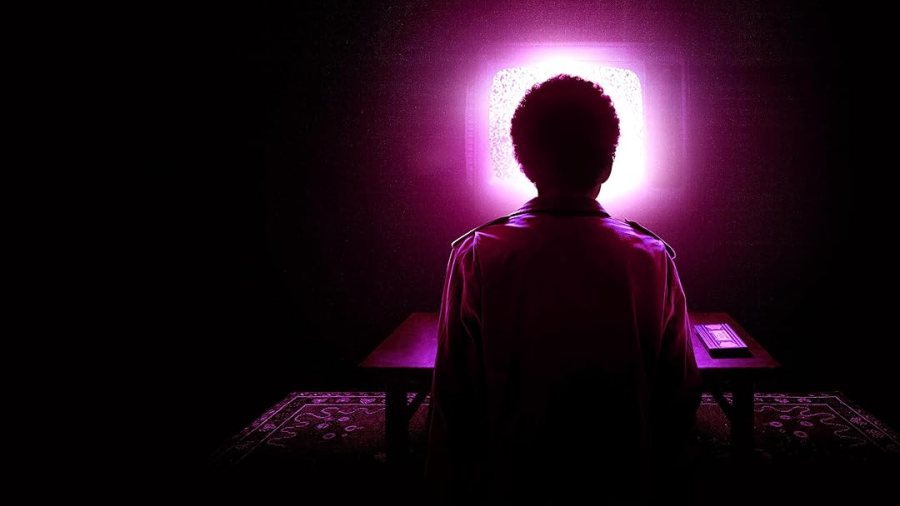
2. I Saw the TV Glow (2024, Dir. Jane Schoenbrun)
In their newest release, Jane Schoenbrun takes the power of nostalgia and uses it as a jumping off point to make one of the most poignant allegories for the trans experience ever committed to celluloid (yes I double checked, it was shot on film). Owen (played by Ian Foreman while young and Justice Smith after) and Maddy (Brigette Lundy-Paine) are both outsiders who bond over a teenage TV show called the Pink Opaque. Their experiences with the show take on a surreal quality and end up existing as a hazy memory but are essential to their being. While Owen’s journey takes a dark turn due to personal inaction, the film’s enduring image is the message “there is still time” written in sidewalk chalk on the street in suburbia. This sentiment leaves the viewer with the hope that it’s never too late to live one’s truth.
1. Aftersun (2022, Dir. Charlotte Wells)
Number one with a bullet, the directorial debut of Charlotte Wells is a meandering memory captured largely on standard def camcorder. What makes Aftersun so special is the underlying emotionality of the film. What may look like just home movies of a father/daughter trip to a Turkish resort takes on a much deeper meaning because of the implications of the present. It’s likely that this is the last time the two main characters ever saw each other and witnessing their personal mostly, but not completely, hidden feelings feels like prying into things which should never be shared. Calum (Paul Mescal) is doing everything in his power to create a wonderful memory for Sophie (newcomer Frankie Corio), but his personal dramas have a way of seeping out in a way that affects Sophie for years to come. Aftersun is the best cinema had to offer in its year, and is the best film of the decade thus far.
At 5:30 this morning (seriously Academy why do you do this so early?) the nominations for the 97th Academy Awards were announced, and while I didn’t wake up early enough to watch it live, watching it was still the first thing I did when I eventually woke up. Now as much as I love Oscar season and my annual goal of watching every nominated film, I seldom agree 100% with The Academy, and this year is one of the most I’ve disagreed with them with only two of my top 10 films and 4 of my top 25 getting a best picture nod.
The big winner on the morning was unsurprisingly Emilia Pérez taking home a near record 13 nominations. This also coincidentally is my biggest frustration with the nominations. Emilia Pérez is Green Book for trans people. While it is nice that a trans woman has finally been nominated for an Oscar (Karla Sofía Gascón) the film has been nearly universally panned by trans critics. This very much feels like cis Hollywood patting themselves on the back for nominated a trans story (as told by a cis white French man) when actual trans stories like I Saw the TV Glow and The People’s Joker were likely never even in contention.
One film that was nominated for best picture that I want to call it is actually the only film in that category that I haven’t seen: I’m Still Here. The Brazilian film takes the international slot in best picture that seems to be more and more common in the past few years (technically I guess Emilia Pérez would count as well, but as it’s a Netflix movie it doesn’t feel the same.) I had personally been holding out hope that All We Imagine as Light would sneak into that slot since India failed to submit it for best international feature, but I am still looking forward to seeing I’m Still Here and welcome the diversity even if it wasn’t my first choice.
While it’s showing ended up being expected, I’m still really happy that Coralie Fargeat’s The Substance did so well this morning even if the film didn’t quite make my year end list. The Academy seldom recognizes genre filmmaking and has really been lagging behind in accepting the prestige horror era that we live in. This might actually be the rare case of The Golden Globes having an impact on the Oscars, as The Substance’s case really seemed to take off after Demi Moore won her award there.
One movie that did much better than I expected was A Complete Unknown. While I assumed it would receive a Best Picture nod, I assumed that it would be a beneficiary of the expanded field, but with 8 total nominations including director, adapted screenplay, and two acting categories it seems to be a real threat to win some awards.
Most of the remaining surprises came in the below the line categories. Flow was expected to make animated feature, but I did not anticipate it being a contender in international feature. It’s clearly a two-horse race in animated feature as both Flow and The Wild Robot received nominations in other categories, though my assumption is that The Wild Robot has the lead with its sound nomination.
Part of me was concerned that despite winning every single precursor, The Academy would get cold feet and sub No Other Land for documentary feature. The presumed frontrunner still does not have US distribution as our country shutters as the prospect of humanizing Palestinian people. While the lack of distribution means I have not seen the film, I still feel comfortable say that it winning and allowing the directors the chance to give an acceptance speech at the ceremony is the most important thing The Academy can do this year.
One nomination snub that I just don’t understand is how Trent Reznor and Atticus Ross were left on the outside looking in for best original score for their film Challengers. In fact with Daniel Craig missing out on best actor for Queer, both Guadagnino films were goose egged at this year’s ceremony.
The other major snub that upsets me is Jomo Fray not being recognized for his cinematography for Nickel Boys. How The Academy can recognize the film as one of the 10 best of the year (and props to them as that was not a given) but not acknowledge the most impressive part of the film boggles the mind.
Possibly the most expected nomination for a film no one has ever heard of, Diane Warren Diane Warren picked up her 16th nomination (and 8th consecutive) for her song ‘The Journey’ in The Six Triple Eight.
Marvel continues to be shut out of The Oscars as Deadpool & Wolverine did not receive a nod for Visual Effects, a category which is very CGI monkey heavy between Better Man, Kingdom of the Planet of the Apes, and Wicked.
I personally thought that Gladiator II would be shut out of the ceremony entirely, but the sequel to a previous best picture winner did receive a singular nomination in best costume.
Overall, I think I’m lower on this year’s Oscars because of the three films to receive double digit nominations, I strongly disliked two of them (Emilia Pérez and Wicked). And while I loved the other (The Brutalist) I feel like that film is likely to only win 1 award (best actor for Adrien Brody) while the other two may very well run away with the ceremony.











































 Woman With A Movie Blog