12/01/2025 – My Undesirable Friends: Part I – Last Air in Moscow

When films cross the two-and-a-half-hour mark, that tends to be the point at which terms like bloat and poorly edited come into play. However, there exists a second line somewhere around the four-hour mark where the running time becomes a feature of the film rather than a bug. When one is locked in a room with the same few people for such an extended period (and it is essential that films this long be watched in one day with no more than a few intermissions), they become less characters on the screen and more personal acquaintances or even friends.

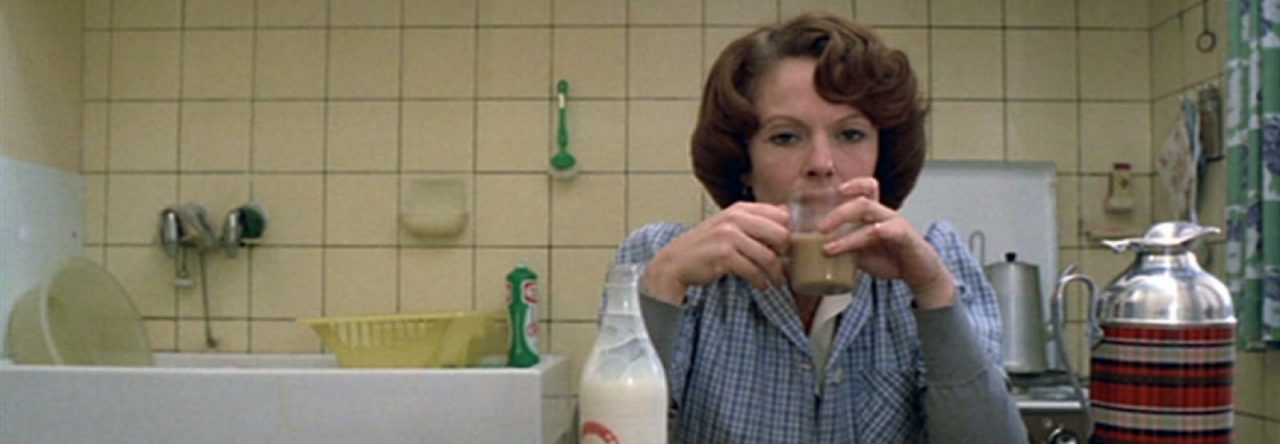
Julia Loktev’s five-and-a-half-hour epic of a documentary My Undesireable Friends: Part 1 – Last Air in Moscow is one such example of a film using its marathon length as an important part of the filmmaking. Through five chapters, the film makes a record of the last five months of TV Rain, the last independent, oppositional news organization in Russia, before they were forcefully closed after Russia’s invasion of Ukraine. While a 90-minute documentary on this subject would be informative and if done well impactful, Loktev’s decision to be as expansive as she was brought a power with it by getting to know a wide array of characters intimately.

TV Rain employee “foreign agent” Anna Nemzer

Loktev is a Soviet-born American filmmaker who in October 2021 traveled to Moscow to create a documentary about Russia’s recent branding of oppositional journalists as “foreign agents” including her friend Anna Nemzer. Anna introduces Loktev to the contributors to TV Rain for which she has a show. The handful of journalists who originally were branded with the foreign agent label wear it with a combination of pride and fear and many use the required language they are required to include on every post for ironic purposes.

One of the genius decisions of the film is the chapter flow. Each individual chapter is presented in a cinéma vérité or slice of life manner. Most of the filming takes place in cars, the TV Rain studio, or people’s apartments, and each hour-long section seems most interested in giving the viewer a peek into the life of an oppositional journalist at that exact moment in time. When zooming out, however, the film takes a concrete shape. The initial two chapters provide a background for the people and the circumstances which they inhabit. The third chapter is a bit of a break from the intensity. Things are obviously still tenuous in each journalist’s life, however even as the walls close in they are able to enjoy the New Years holiday together. That moment is a welcome reprieve before the final two chapters leading until the very moment that the TV Rain employees are forced to vacate the soon to be under siege studio and exile themselves from the country.

Ksenia Mironova

My Undesirable Friends is an engrossing cinematic experience starring journalists whom having spent so much time with I feel intimately connected to. The film teaches about the horrible human rights violations Putin is behind while keeping things personal. I cannot wait to dedicate another five plus hours to the topic when part II is released.

11/29/2025 – Hamnet

Holy Shit Jessie Buckley!

I honestly thought about making that my entire review for Chloé Zhao’s return from the Marvel verse with Hamnet; her performance was just that good. Stoping after that would both somehow undersell Buckley’s acting masterclass and be disrespectful to the rest of the cast and crew that makes Hamnet a uniquely special film so I shall continue.

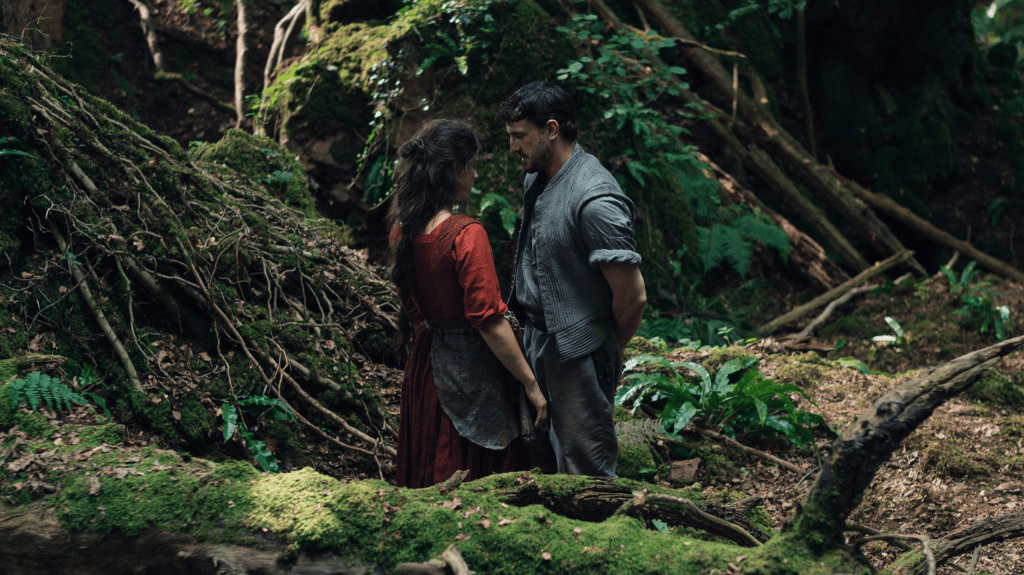
Hamnet is a fictionalized telling of the love and grief of William Shakespeare (Paul Mescal) and his wife Agnes (Buckley) who is often known as Anne in history but in some records and this film as Agnes. Maggie O’Farrell adopted her novel of the same name with Zhao which tells the story of Agnes and William’s three children and creates a story for the circumstances that preceded the creation of Hamlet, filling in the gaps in history. While William is obviously the most famous character in the story, the film is primarily Agnes and her children’s story as long sections of the film take place while Shakespeare is in London leaving Agnes to take care of their first child Susanna (Bodhi Rae Breathnach) and later their twins Judith (Olivia Lynes) and Hamnet (Jacobi Jupe).

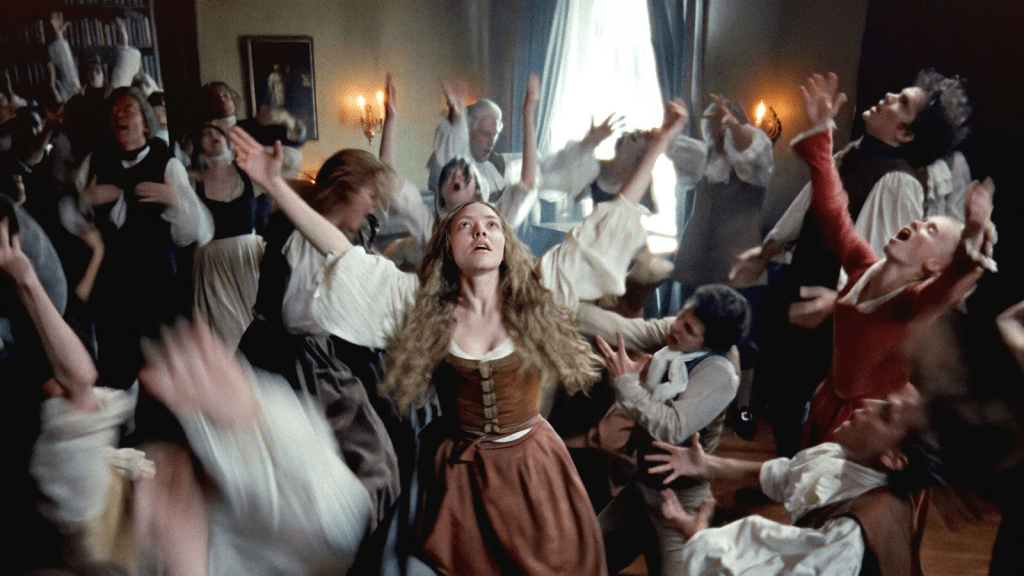
Zhao’s unique directorial vision is used to create a poetic feeling to the film. She makes liberal use of unannounced time jumps, both large ones between scenes and short ones contained within a scene. While these jumps can be slightly disorienting to begin with, they are employed to bring the most important moments and shots to the screen. It is not necessary to see William walk to Agnes and lie down with her, cutting directly from a conversation to them lying together results in amplifying the direct cause and effect. She also uses repetitious shots of nature which call back to the rumors of Agnes being born of a forest witch and create a mesmerizing pace that keeps the audience entranced.

Jessie Buckley and Paul Mescal as Agnes and William

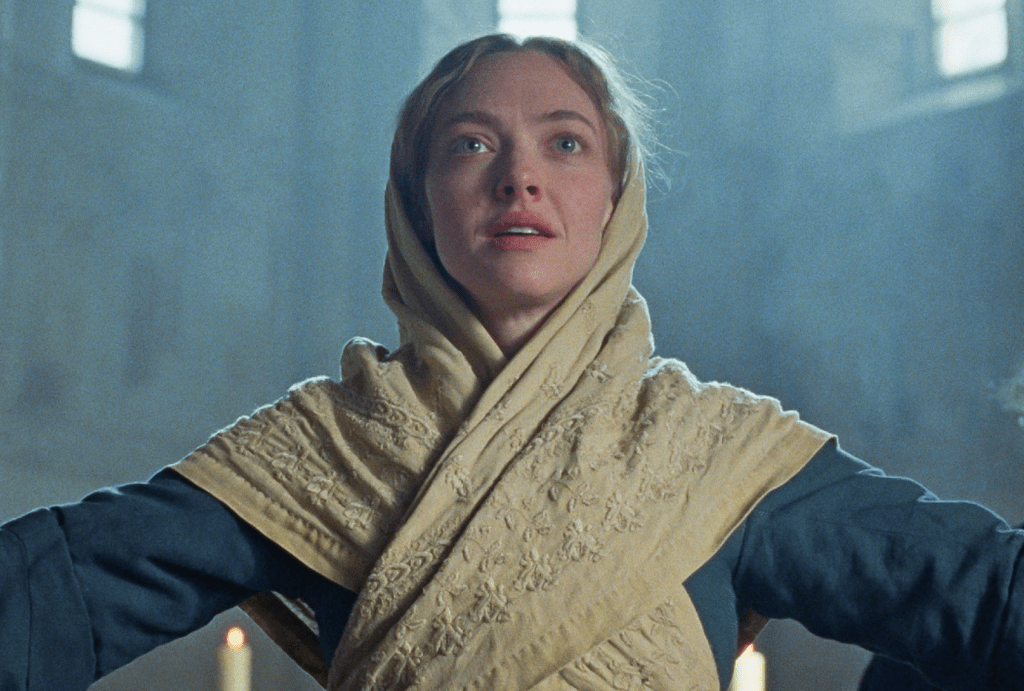
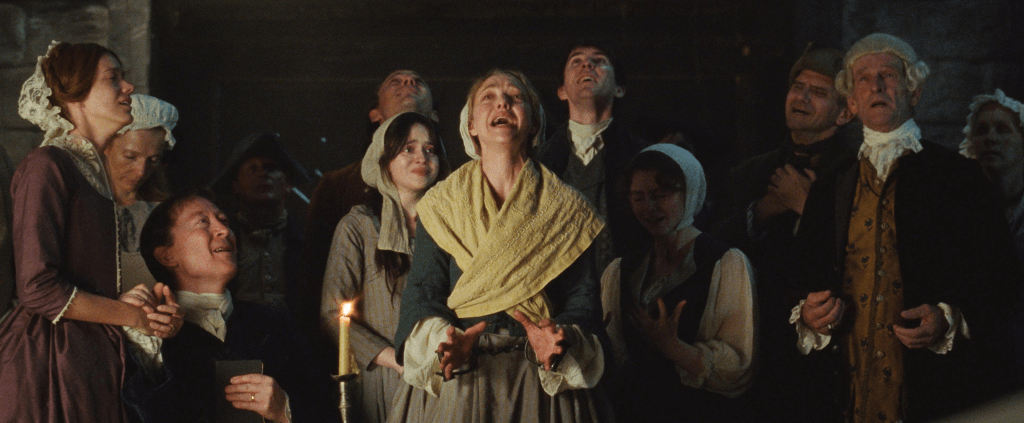
As not so subtly hinted at above, Jessie Buckley not only gives a career best performance, but the decade’s best performance as Agnes. She mixes bombastic yet true to life moments of pain and suffering, with subtle emotions captured in nothing more than a twitch from an otherwise still face in silence. Agnes is so much more than just the little known wife of the world’s greatest playwright. Under Zhao’s direction and Buckley’s embodying of the woman, William fades to the background (despite another excellent turnout from Mescal) and the story of this woman, her love, and her grief matter more in this moment than the dozens of eternal plays and sonnets.

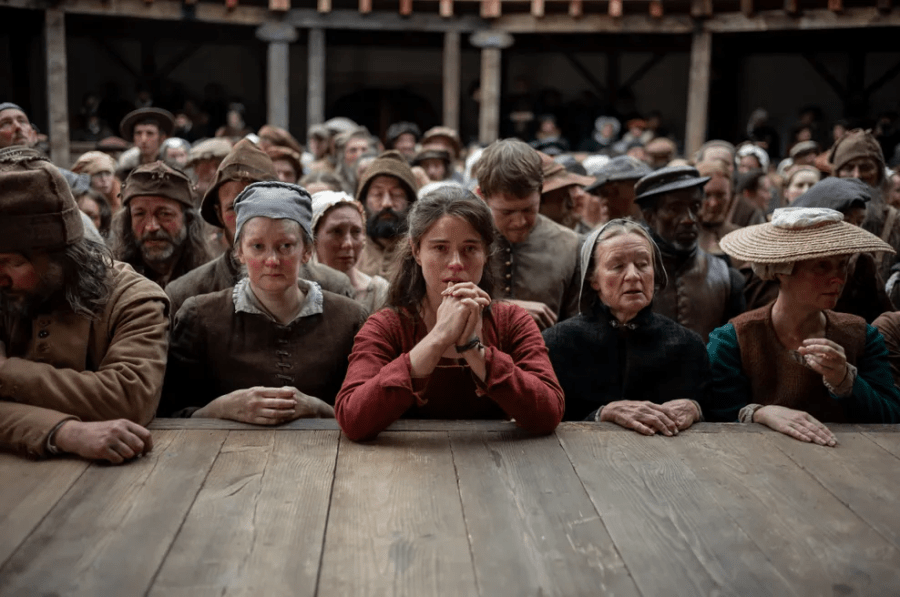
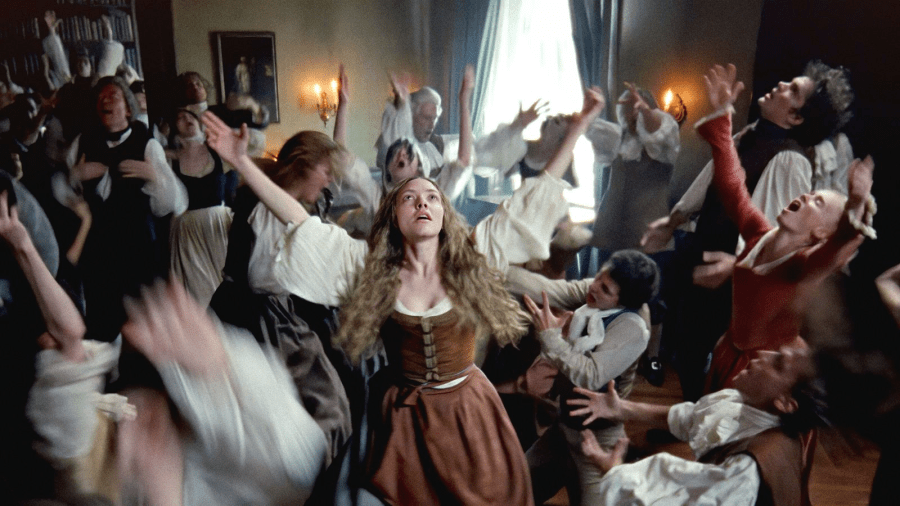
Agnes (Jessie Buckley) at the Globe Theater

Behind an unmatched acting feat by Jessie Buckley, an engrossing story and adaptation by Maggie O’Farrell, and the directorial elegance of Chloé Zhao, Hamnet is an example of the power that cinema can impart. Equal parts engrossing and devastating the film is an emotional experience to behold that will leave an audience changed. My only advice, outside seeing the film as soon as physically possible, is to double, no triple the amount of tissues you think you need to bring along.

11/28/2025 – Bugonia

The newest film by Greek auteur/ provocateur Yorgos Lanthimos with his muse Emma Stone. Bugnoia, is a remake of the film I reviewed yesterday, Save the Green Planet! the 2003 Korean science fiction film by Jang Joon-hwan. Along with Jesse Plemons, who joined the director’s stable of actors with last year’s Kinds of Kindness, Lanthimos takes the at times farcical Korean genre blur and engulfs it in his signature pitch black satire.

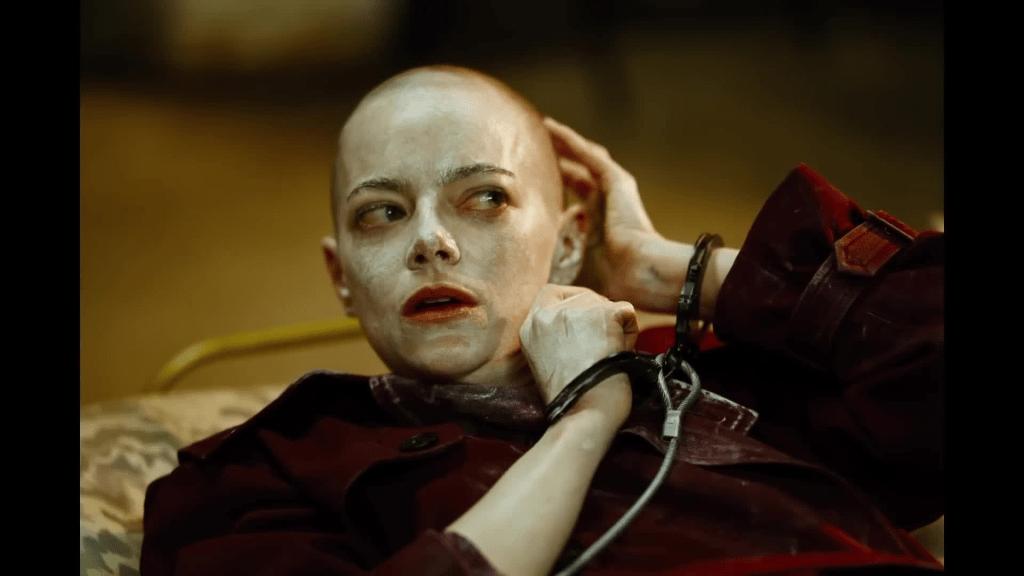
Bugonia follows its predecessor’s basic plotline closely with cousins Teddy (Plemons) and Don (Aidan Delbis) who are convinced of an alien conspiracy and that Michelle (Stone), a CEO of great import, is one of said aliens. One afternoon after chemically castrating themselves to avoid distraction, Teddy and Don camp out at Michelle’s home and kidnap her. While interrogating and torturing her, Teddy’s mixed motives come to the surface.

Emma Stone as Michelle after being kidnaped and having her hair shaved

12 years further into our world’s post-capitalism decline, the themes that Jang Joon-hwan brought to the science fiction story are much more apparent in day-to-day life, and Lanthimos brings them to the forefront. Whether she be an alien or just a corporate monster, Michelle and the corporation she runs are destroying the planet. Teddy, like many activists speaking against kleptocracy today, is demonized and ostracized by the ruling class who control public outlook.

All three of the lead actors gave excellent performances. Stone captures the controlled mannerisms of an executive who has undergone extensive training to come across as considered and polite. She uses phrase like “can we have a dialogue?”  in meticulously paced patterns that reflect corporate speak but come across as alien to the blue-collar cousins who have captured her. Plemons, as the lead conspiracy theorist, is initially convincing in his resolve, but as Michelle puts the pieces of his past together, he becomes violent and emotional.

The standout of the film, however, is Aidan Delbis in his first feature film. He begins the film by playing Don as a simple character who is easily manipulated by Teddy. Delbis shows that Don is unable to completely dehumanize Michelle like Teddy and struggles with the torturous conditions that Teddy is doing to Michelle. After a major turning point in the film, it becomes apparent that Don is not simple, rather he is stunted from emotional loss in his past. This revelation unlocks the layered nuance Delbis had been seeding in his performance from the start, and brings out the lone moment of true sympathy from the viewer.

Aidan Delbis as Don in his first film role

While Bugonia does not reach the highs of some of Lanithmos’ prior films, a middling picture from the auteur is still an excellent release worth viewing. And while most of the acting accolades will end up going to the two star actors, I hope that this film becomes a jumping off point for Delbis’ career.

11/27/2025 – Save the Green Planet!

Between being in a sapphic cinema mood and then needing to catch up on 2025 films my watchings this week have followed an understandable progression, so watching a random 2003 Korean film must seem strange if you do not immediately know why this film makes sense for me to watch today, you will understand tomorrow.

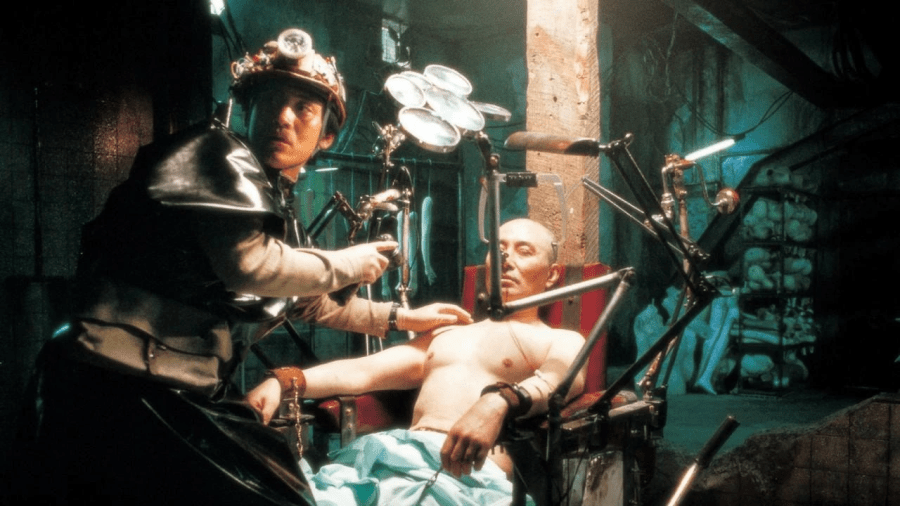
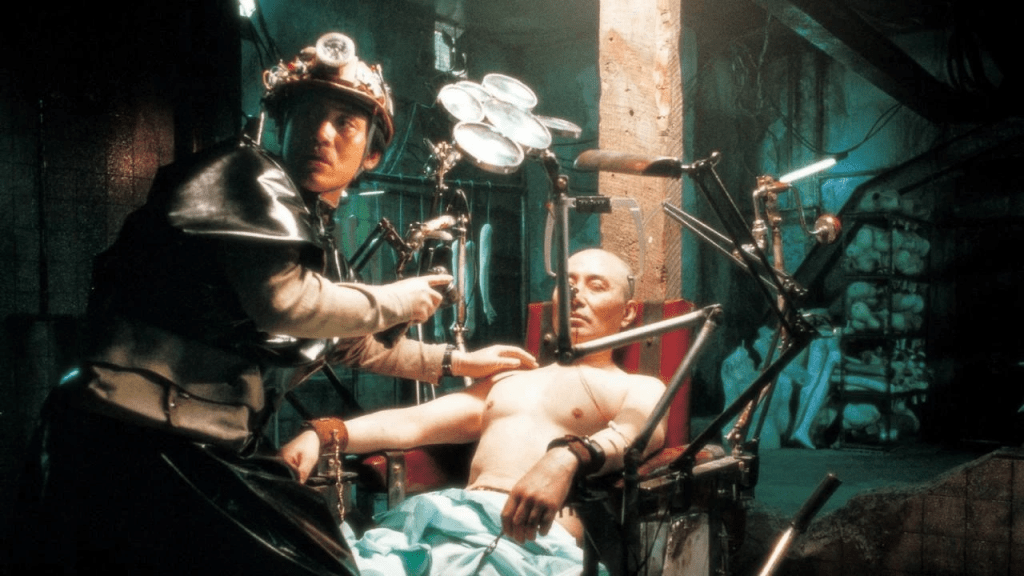
This was an odd one. The film starts not exactly en medias res, but also devoid of any setup to inform the viewer of the world in which the film exists. Primarily following Byeong-gu (Shin Ha-kyun) who appears to not exist in the reality of the people around him. Convinced that aliens exist in the everyday world disguised as human, he along with his partner Su-ni (Hwang Jung-min) kidnap an important executive, Kang Man-shik (Baek Yoon-shik) whom the believe is an alien with a direct line of contact to the alien’s prince.

Byeong-gu (Sin Ha-kyun) with the captured Kan Man-shik (Baek Yoon-shik)

I will admit that as an American cinephile I have seen my fair share of Korean films, however, they are primarily the ones that get exported to the US which are skewed heavily to the arthouse variety. Save the Green Planet! is not a traditional high art film but is instead an example of the Korean cinema that is created for the Korean masses. Director Jang Joon-hwan plays with tones in a way that is unfamiliar to a US audience but blends soap, action, horror, martial arts, and science fiction in a way that is undeniably entertaining. Complete with dated, cheesy special effects and extreme overacting, the film would make for an excellent camp movie night.

Over the top entertainment aside, the film has an aspect that needs to be addressed. While Kang Man-shik’s fiancé is mentioned at times, Su-ni (and Byeong-gu’s comatose mother) is the only woman who appears in the film and her characterization is unfortunate. Su-ni acts extremely childlike. She plays with dolls and is obsessed with the song “Somewhere Over the Rainbow”. This combined with the childlike demeanor results in her coming across as someone developmentally disabled. Byeong-gu’s treatment of her, and the films eventual fridging of her feels rather problematic and does hamper the experience of watching the film.

Su-ni (Hwang Jung-min) with her doll

Wild and undefinable, Save the Green Planet! fits most of the criteria to exist among the great cult movies. Unfortunately, its treatment of women leaves a sour taste in one’s mouth and prevents it from getting a full-throated endorsement.

11/26/2025 – The Smashing Machine

Even two years ago I would never have missed a big theatrical A24 release, but as Neon continues to rise, A24’s luster has started to dim. They have released more than their fair share of busts this year and as such when the new Dwayne Johnson headed Oscar hopeful biopic was released to a less than stellar reception, it dropped down my priority list, but with Benny Safdie at the helm I was going to make my way around to it eventually.

The Smashing Machine is a narrative remake of a 2002 documentary of the same name. Johnson takes over the role of Mark Kerr, an M.M.A. fighter from the earliest days of the UFC. Supported by his partner Dawn (Emily Blunt) and friend/ trainer Mark Coleman (Ryan Bader) Kerr fights not only the competition but also his demons as he strains to remain in control.

Johnson’s performance is the standout component of the film. He was looking for a way to prove that he was an actor and not just a movie star, and while the film’s poor performance will likely deny him the Oscar nomination that he was gunning for, he has provided a strong proof of concept that he is an actor worth respecting. From intense focus to exasperated boyfriend to giddy friend he hits unique notes throughout the film while still making Mark feel like a complete character.

Dwayne Johnson as Mark Kerr

While many biopics fall for the trap of trying to fit too much into a single film, The Smashing Machine marks the rare occasion in which a little more scope would have been appreciated. The film focuses on such a short time period, a single Japanese tournament, that it is difficult to grasp the level of fame Kerr possessed at the time. This may have been less on an issue in the documentary as the audience would likely be self-selected to be fans of the sport, but for a wide release awards hopeful more context on the state of the sport and Mark’s place in it would have gone a long way. Similarly, it was very hard to get a grasp on the relationship between Kerr and Dawn. They both came across as manipulative and toxic in the small amount of time they interacted on screen, yet the epilogue exclaimed that they were married and together for years, which implies they might have been right for each other.

Emily Blunt as Dawn with Dwayne Johnson

The Smashing machine is a frustrating film. Dwayne Johnson excels in his most serious role to date, yet the film does not feel like it is solid enough to support the performance. The film feels like the 4th episode of a six episode docuseries, and while I still land on the side of recommending it, it is hard not to be disappointed that the film did not meet Johnson’s performance.

11/25/2025 – Train Dreams

After missing the one-night engagement Train Dreams had in theaters in Seattle as part of the Seattle Film Critics Society PNW Awards, my hopes were that the film would be good but not so good that I would regret missing my chance to see it on the big screen. At least one of my wishes was granted.

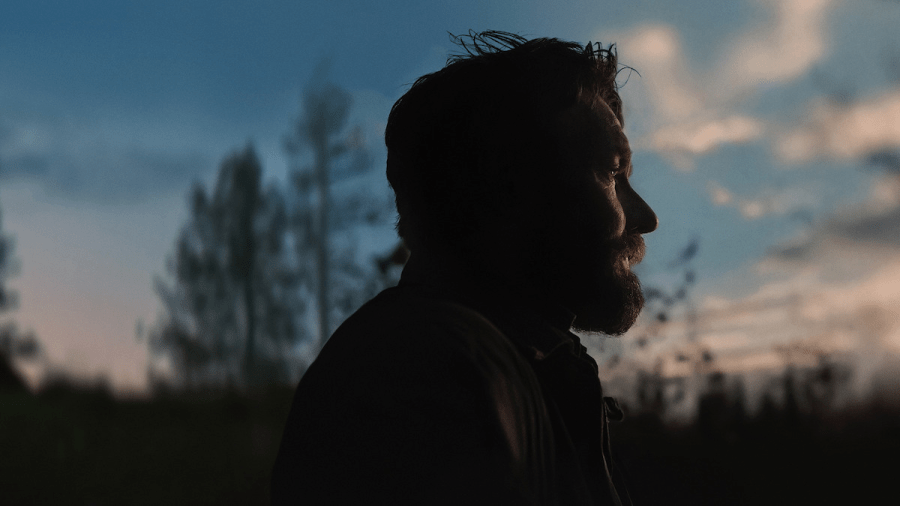
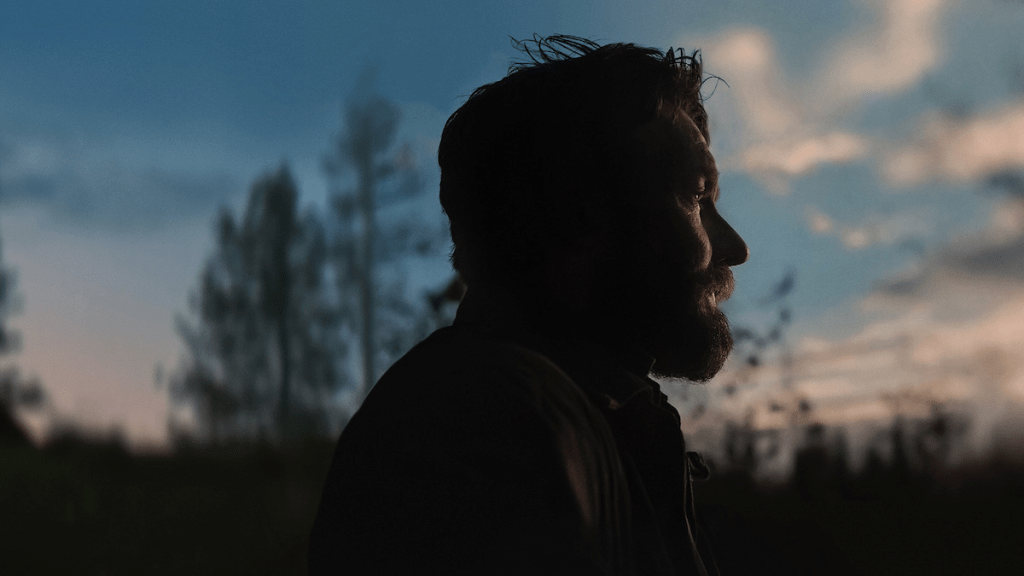
Based on a Denis Johnson novella, writer/ director Clint Bentley along with co-writer Greg Kwedar adapt Johnson’s work of the same name in a way that is both visually arresting while still capturing the prose that is often relegated exclusively to the written word. Some of these prose-like feelings come from implementing Will Patton as a voiceover narrator. While I generally feel like voiceover is a cheap distraction from a movie used to cover up holes in the screenplay, it works well for Train Dreams which is approximating a visual poem more than a traditional movie.

The ethereal setting of Train Dreams

Robert Grainier (Joel Edgerton) is a quiet man working as a laborer in the Pacific Northwest in the early 1900s. He takes seasonal work building infrastructures and logging where he meets other men who have a profound impact on his beliefs and outlook on life, though he remains largely solitary. During an off season, his isolation is broken when he meets and falls instantly in love with Gladys (Felicity Jones). Together they build a home outside of town and upon having a child, Kate, live a life full of meaning and love together. However, with minimal paid opportunities in town, Robert does have to leave Gladys and Kate for long periods of time during logging season to provide for them until they can save enough money to build a small business of their own on their acre. After one of his long absences working, he arrives to find his home burned to the ground and his family missing. Reverting to his isolationist tendencies, Robert struggles to find his meaning in life once again.

Felicity Jones and Joel Edgerton as Gladys and Robert Grainier

While the cinematography, direction, score, and editing all play a significant part in creating the ethereal state that Train Dreams exists in, the performance by Edgerton is what creates such an emotional experience. Edgerton taps into the meekness of Robert in his acting. He feels no need to speak to fill the empty spaces but instead takes time to listen and process what he has heard. Wordless looks and subtle facial movements just barely noticeable through the scraggly facial hair expose the soul of the character, showing his gentleness and astuteness.

Edgerton’s career best performance is still further enhanced by Bentley’s handling of tone and pacing to create a film that feels at place in the beautiful Washington woods where it was shot. Train Dreams deserves to be appreciated as one appreciates the nature in which it is set. By immersing oneself into it and absorbing it with no outside distractions, just accepting the peace that it brings.

11/24/2025 – Nouvelle Vague

2025 has been the year for indie auteurs to be especially prolific. First Steven Soderbergh releases Presence and Black Bag in the first quarter of the year, and now Richard Linklater releases Nouvelle Vague less than a month after Blue Moon’s release. I was lucky enough to see Blue Moon in theaters a few weeks ago, and it is all but certain to make my best films of the year list come January, so I entered his second film of the year with high expectations.

Nouvelle Vague translates to New Wave which is an apt title for a film about the making of one of the defining French New Wave films: Jean-Luc Godard’s Breathless. Breathless came out in 1960, two years (or five if you count Agnès Varda’s La Pointe Courte) into the French New Wave movement. While Godard’s debut was not the beginning of the movement, it was a step to the more radical and revolutionary side of the movement, so it does make sense to signal the film out.

Guillaume Marbeck as Jean-Luc Godard

Unfortunately, while Breathless is a groundbreaking, convention shattering piece of cinema, Linklater did not have similarly lofty goals for his fictional behind-the-scenes telling of its creation. Linklater is a student of film and as such has a lot of reverence for the film, but other than paying his respects to the late Godard does not have much to say in Nouvelle Vague. He casts the Cahiers du Cinéma writers and future filmmakers as the cool outsiders who disrespect the current film industry because they know what art should be. History, and I, agree with that sentiment in hindsight, but it does not stop the characters of Godard (Guillaume Marbeck), Truffaut (Adrien Rouyard), Chabrol (Antoine Besson), and Schiffman (Jodie Ruth-Forest) from coming across as unbearably pompous.

Zoey Deutch as Jean Seberg

Marbeck’s depicts Godard as such an unlikable cad which does match my understanding of the director himself, but it also becomes grating as the film continues with him in every scene constantly talking. The only truly likable character in the film is Jean Seberg (Zoey Deutch), and while Deutch is excellent Linklater portrays her as naïve and unable to understand the genius that is Godard. Linklater wants the viewer to know that Godard was a genius who changed cinema for the better, and he is not wrong that Godard’s creations are that impressive and important. I am just done with aggrandizing arrogant men who think themselves a god. Instead, I choose to celebrate the work while acknowledging that creators can be flawed.

11/23/2025 – Hedda

Much like yesterday, I’ve felt the need to explore the wonders of sapphic cinema, and while yesterday I visited the very beginning of lesbians on screen, today I am visiting potentially the most recent lesbian take on Nia DaCosta’s on the classic Henrik Ibsen play Hedda Gabler or in this iteration just Hedda. DaCosta chooses to gender swap Eilert Lövborg the titular character’s previous love interest with Eileen Lövborg giving the film a new sapphic twist.

Hedda Gabler/Tesman (Tessa Thompson) is a woman unenthused with her life despite her husband George (Tom Bateman) going far beyond his means to give her everything she could possibly want including a giant, opulent home he cannot afford. While she seems to be initially dreading the party she and her husband will be hosting, a call from an old acquaintance Eileen Lövborg (Nina Hoss) cause her outlook on the night to change instantly. With a new outlook on the evening, Hedda begins manipulating the actions and emotions of her guests to bring about her goals, and respark her past love for the fairer sex.

Tessa Thompson as the titular Hedda Gabler/Tesman

DaCosta is clearly familiar with the concept of the “disaster lesbian” as Hedda not only fits the archetype to the t but also possesses the uncanny ability to bring out the disaster in the other lesbians around her. Tessa Thompson brings Hedda to life with craftiness and plenty of alure that convincingly captivates the attention of every party guest. Nina Hoss despite being a supporting actress has the most interesting and challenging roll which she nails every part of. She goes from cold and in control, to a messy drunk, to a suicidal wreck over the course of the party, and every turn is delivered in a way such that she creates a complex character who holds multitudes.

Nina Hoss as Eileen Lövborg

While I appreciate the acting decisions by both actresses, they do not exactly mesh. I find it hard to believe that the confident Eileen who appears at Hedda’s party could be swayed into drinking (she is a recovered alcoholic) so easily, especially with her current creative and romantic partner Thea (Imogen Poots) urging her to stay strong and resist. Hedda does not come across as a mastermind who can expertly pull the strings to get her way, but as a hurt lovestruck puppy who is making decisions on vibes. While I appreciate both performances, they do not fit the screenplay that was handed to them.

The pieces of the film from behind the camera were also rather hit or miss. Hildur Guðnadóttir continues to be one of the best score composers working today as her score has significant propulsion yet and off kilter sparticness that matches with Thompson’s Hedda exactly. Other parts of the filmmaking process, however, feel rather like they come from a director with endless talent’s first film. They show an intuition for interesting effects yet an imperfect implementation. Specifically, the camera moves in unique ways and captures scenes through unique techniques and angles which initially create diversity and interest when viewing. However, after the first 20 minutes or so they prove to be more of a distraction than anything else.

While this review may have veered into the negative, I still believe that the film was good though not great. Fun performances, even if they do not relate perfectly, will always be an entertaining watch, and who doesn’t need more sapphic messiness in their life? Hopefully by watching films like Hedda we can avoid becoming the disaster lesbian in real life.

New Release Mondays – All We Imagine as Light

Grand Prix winner (second prize) at Cannes this year was the Indian film All We Imagine as Light, and it was easily the best of the big three award winners (Emilia Pérez was the Jury Prize winner and Anora won the Palme). While being produced in India, don’t expect any fantastical action or musical numbers as is common with Bollywood fare. Payal Kapadia’s film instead has more in common with a US independent film than the studio system in her country.

The film centers on roommates and nurses at the same hospital in Mumbai, Prabha (Kani Kusruti) and Anu (Divya Prabha) and their relationships. Prabha as the senior of the two women, has been married for years, but her husband has been working and living in Germany for quite a while and his calls have become less and less frequent. At the beginning of the film, it has been over a year since they’ve talked, but out of the blue he sends her a high-end rice cooker in the mail without so much as a letter. This brings her relationship or lack thereof to the forefront of Prabha’s mind.

Anu’s love life differs greatly from that of Prabha’s, but is no less complicated. She is in a relationship with a Muslim man Shiaz (Hridhu Haroon).  The cultural difference between the two means they must keep their relationship a secret, though their success at that is questionable as their relationship is the subject of gossip between the nurses at the hospital. Compounding on this is that her parents are constantly sending her pictures of Hindi men that they are trying to marry her off to.

The final plot line in the film follows Parvaty (Chhaya Kadam) a cook working at the same hospital as Prabha and Anu. She is being evicted from her home of 22 years by a predatory building company since she has no papers after the loss of her husband. Eventually she succumbs to the pressure from the builders and returns to her small village far from Mumbai with the help from Prabha and Anu where the second half of the film takes place.

The beauty of the film is in the intimacy of both the relationships and the camera work. Cinematographer Ranabir Das holds tight on faces and hands to tell the story of how each character feels about the other. These close ups rely heavily on the actors to have perfect control over their facial expressions, and they live up to the expectations.

This intimacy is also expressed in the screenplay. Written by the director, Kapadia touches on both the day-to-day livings of her female protagonists as well as the major, or major to the characters, relationships with men. This blending of events makes the characters feel real and their experiences true to life. The lives of the characters feel lived in and personal, inducing empathy from the audience.

Intimate stories of women’s lives often get the short shrift in the film industry, especially in areas of the world where women have fewer rights, but Kapadia works against the system to create something special. Cannes missed out on having unprecedented back-to-back female filmmakers win the Palme as All We Imagine as Light is a perfect film.

New Release Mondays – Flow

Set in a post-apocalyptic world where humanity is gone, but their past is still present, Flow utilizes this setting to create a beautiful world for its protagonist, a gorgeous black cat, to explore. The Latvian film directed by Gints Zilbalodis subjects the wonderfully rendered cat to a flood of biblical proportions forcing it to explore the world and cooperate with other animals against its natural instincts.

Cat traverses the flooded landscape on a boat it happens upon populated by a capybara which it is understandably tentative of. The makeshift crew of the boat expands to include a ring-tailed lemur, a labrador whom Cat had encountered before the flood, and a secretarybird. While in nature the animals would be at the best ambivalent to each other if not outright hostile, the boat brings with it an unspoken truce between the animals as they look to exist in the strange new world.

Zilbalodis shows real restraint in his characterization of the animals that inhabit the film. While most films would lean on humanizing the wild animals, each one feels genuine to its species when interacting in the world. This is captured both in small moments inserted into the film to remind the viewers they are watching animals (a moment of Cat chasing a sun sport as reflected in Lemur’s mirror stands out) as well as behaviors exhibited throughout. For example, Cat frequently retreats to the top of the mast for a solitary moment amongst the chaos of the animals. Likewise, Capybara is aloof and flops down on the deck of the boat to rest at random times. Most importantly, the animals never speak a language outside of their own noises, yet the feelings and motivations of each animal can clearly always be ascertained.

By keeping the animals so honest to their animalistic selves, the peril they experience as well as the joy hit the viewer more emotionally than a personified version would. Cat’s meows hit a nerve that any owner of felines understands intimately and caused this black cat owner to long to be reunited with her furball.

The only real exception to this naturalist portrayal of the animals is that they all seem to inherently know how to use the rutter to steer the boat, a job which Secretarybird takes point on once it joins the boat, but which each animal takes its turn at. This singular task is required for the animals to be able to successfully explore the newly aquatic world, but quickly falls into the realm of suspended disbelief as the rest of the animals’ behaviors feel so genuine to their species.

Another undeniable strength of the film is its visuals. The art is stylized in a way the eschews photorealism for a look that allows the animals to be more expressive, with giant eyes which speak wonders. Everything in the film is brilliantly colored in a fantastical way which while unrealistic compliments the magical essence of the situation. The remains of human civilization that the animals navigate feel both futuristic and ancient, which adds to the mystery of the world in which the animals live.

Flow is a perfect antidote to the American animation scene where even the best of films are filed with one liners and a constant state of irony left over from the 90s. The genuineness of the Latvian feature allows the viewer to connect more closely with the characters even though they don’t speak a word. Beautiful both in image and plot, Flow is the peak of what the animated medium can accomplish when allowing the creators to think outside of the snarky box in which most US animated studios reside.