Panthers Roses (… and Varda) 1966 – 1970

In this period, Varda’s far left political leanings were at the forefront of her filmmaking. Between documentaries about leftist figures, filming the Black Panther movement, and a combined effort on North Vietnam, she left no secret as to who she believed was fighting for change. She also aligned herself with the Hippie movement in Southern California during this time.

The Creatures

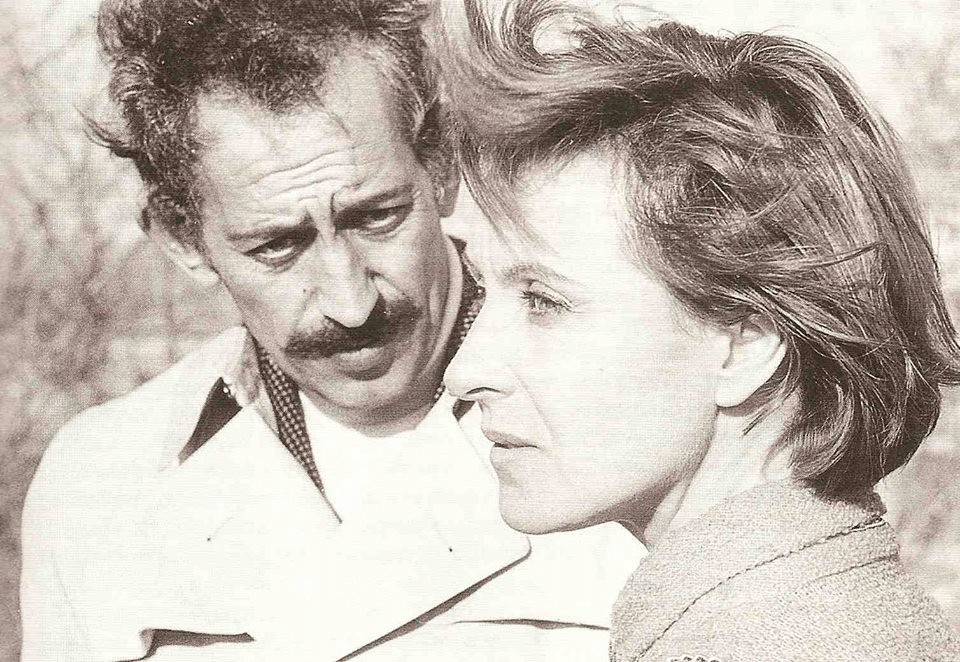
A film about the creative process, Michel Piccoli plays a writer who with his mute wife (played by the marvelous Catherine Deneuve) take up residence in an old fortress on a sparsely inhabited island. While they keep mostly to themselves Piccoli does enter the village from time to time to pick up food and plenty of wine, but his real motive is to observe the locals for inspiration for his next writing project. The film uses checkered patterns as a motif throughout which come into play in the end as in Piccoli’s book he sees himself playing a game of chess with the people of the town as his pawns. The film sets out to explore the morality of this, but it does not quite stick the landing. Still another good film by Varda though.

Elsa La Rose

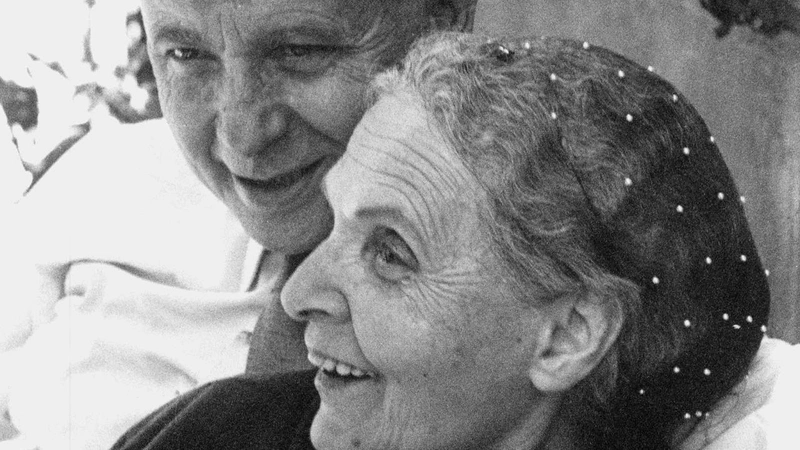
Part of a pair of films she made with her husband Jacques Demy, Elsa La Rose is a documentary short about Elsa Triolet as Narrated by her husband Louis Aragon. Both were prominent communist writers in the day. The film is Louis’s love letter to Elsa where he proclaims “My universe, Elsa, my life.” This does stand in slight contrast with the sentiment we get from Elsa herself where she doesn’t love Louis’s poetry about her because it puts her on a pedestal and diminishes himself in the process.

Christmas Carol

Another unfinished project of Varda’s that the Criterion Channel has saved what little exists over. In 4 minutes of fragments of scenes it’s hard to know what could have been, but it does deal with a trio of friends a theme which would be revisited in Lions Love (… and Lies).

Far from Vietnam

A piece of counter propaganda about the Vietnam War, Far from Vietnam is a collaborative piece between Jean-Luc Godard, Joris Ivens, William Klein, Claude Lelouch, Chris Marker, Alain Resnais, and Agnès Varda, the film explores the North Vietnamese prospective either directly, through the defecting southern Vietnamese, or the various protests in America. It’s unfortunately hard to tell what Varda’s part if any (she’s listed as “Credited only” on IMDB) is in the film to compare it to the rest of her oeuvre.

Uncle Yanco

The first of Varda’s California pieces, Uncle Yanco is a personal piece about Agnès meeting her Uncle Jean (Yanco) Varda. The short explores Agnès’s ancestry as narrated by Yanco, as well as Yanco’s hippie lifestyle in the “Aquatic suburbia” in which he lives. A loving tribute to the artist who proclaims “Hell is doing what you don’t like to do”.

Black Panthers

One of Varda’s most conventional film, Black Panthers is a documentary short exploring the organization of the same name as they rally for the release of one of their head members Huey Newton who was accused of shooting a cop even though no witness ever saw a weapon in his hand. The documentary fits with the far left politics that Varda has prescribed to and is powerful in its portrayal of the movement.

Lions Love (… and Lies)

Varda introduces Lions Love (… and Lies) as “the utopia of success without the effort of work” which equates to two hours of hippie bullshit, but I say that in the most affectionate way. Staring Viva of Andy Warhol fame, the film follows her and the two men in her throuple as they lackadaisically frolic through life, only to have to contend with reality when Bobby Kennedy and Andy Warhol are shot the same week their house guest Shirley (played by director Shirley Clarke) overdoses on sleeping pills. Though scripted, the film is most curious about being a fly on the wall of the hippie movement during that tumultuous time.


While 1963’s Salut les Cubains may have been the start of Varda’s fascination with far-left movements, the late 60s was when she made it her obsession. Excepting The Creatures, and possibly the unfinished Christmas Carol, every film she made in the later half of the 60s was an examination of far-left culture. A trend noticed in many of her films, is that she likes replicating shots of important moments, especially first meetings, in her film. In Elsa la Rose for example, she shoots Elsa entering the bar where she first met Louis 4 or more times to draw attention. Overall what this period in Varda’s filmography lacked in compelling narrative features it gained in meaningful documentary work.

Varda from 61 to 65

Two of her most famous films, a silent short inside of one of those films, a historical snapshot of a country in the midst of revolution, and a lost film mark the entries into the second entry on Agnès Varda.

The Fiancés of the Bridge Mac Donald

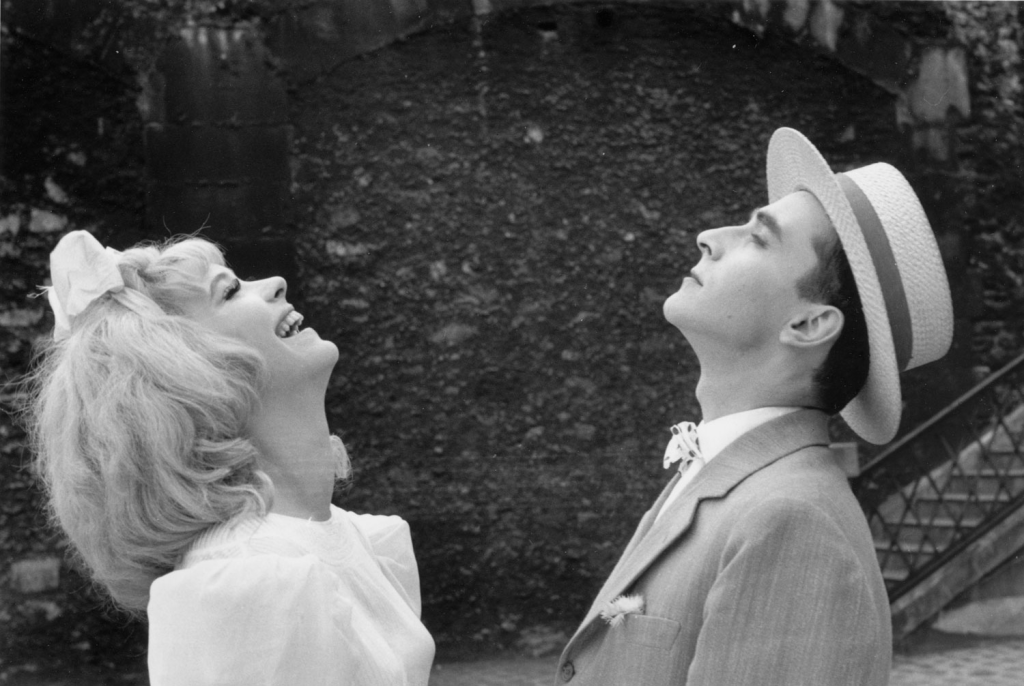
The 1920’s era short slapstick film that can be found in the middle of Cléo from 5 to 7. The film stars acclaimed director and actress Jean-Luc Godard and Anna Karina. The short is a fun bit of levity that cuts the drama in Cléo. The film is slight in comparison to Varda’s greater oeuvre but is a fun novelty.

Cléo from 5 to 7

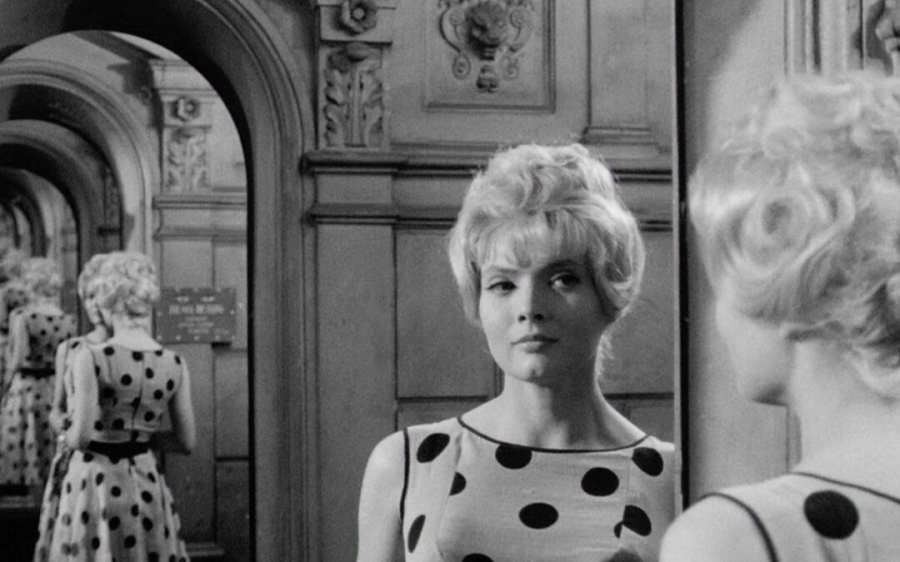
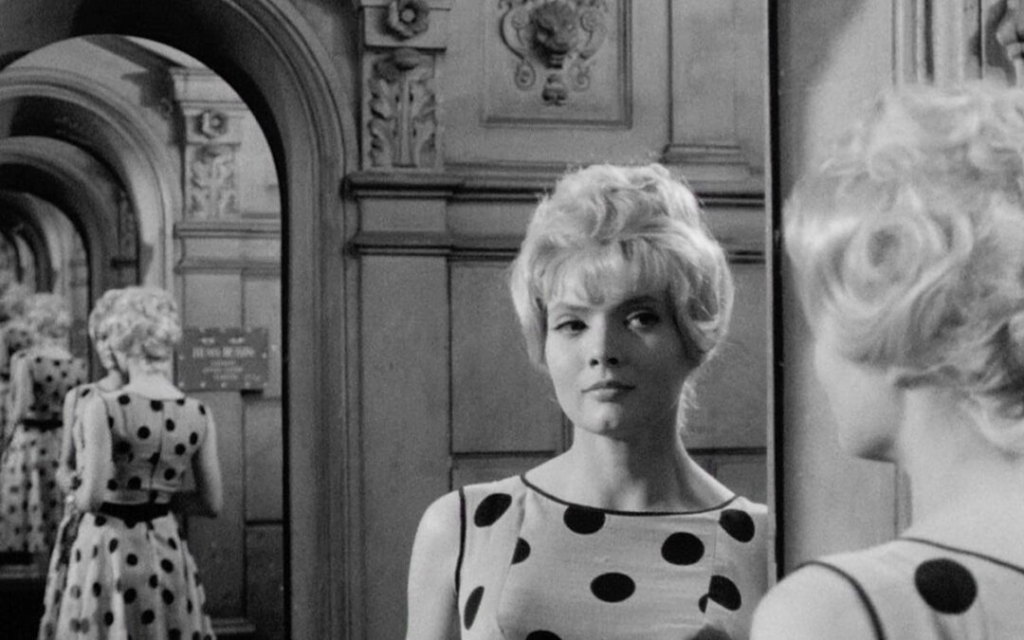
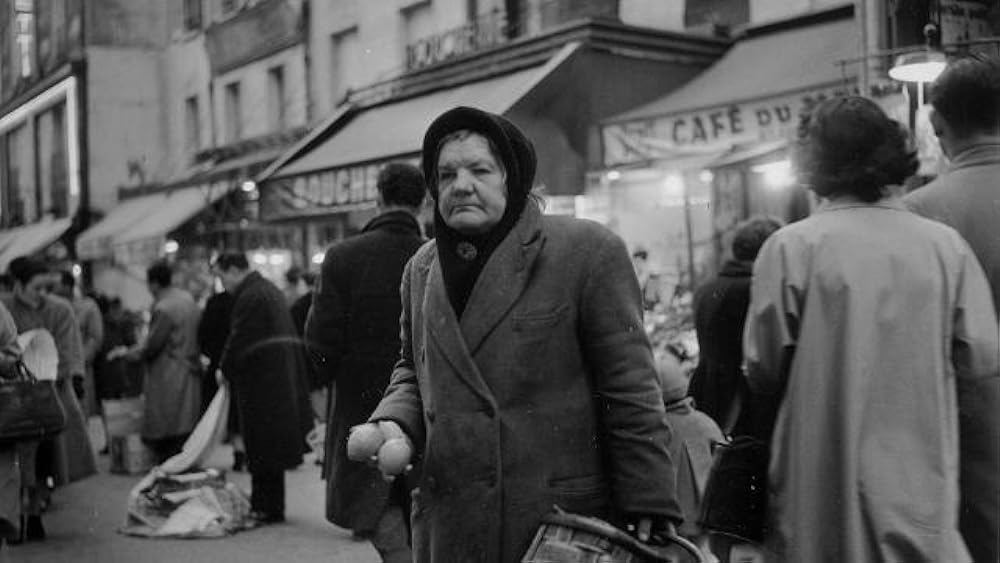
Quite possibly Varda’s masterpiece Cléo highlights 90 minutes in a woman’s life as she awaits news about a medical test. The film focuses on the insecurities of Cléo as the men around her belittle her troubles and focus instead on her beauty. Her partner even exclaims “your beauty is your health”. When Cléo is alone, or at least without men, the film focuses on the frivolities of femininity, but it never judges it. Hat shopping is just as important as her music lessons because they both bring her joy. When shefinally meets a man who respects her strife she finds a man who sees her as an equal, and through that finds comfort even when the test result is less than ideal.

Salut Les Cubains

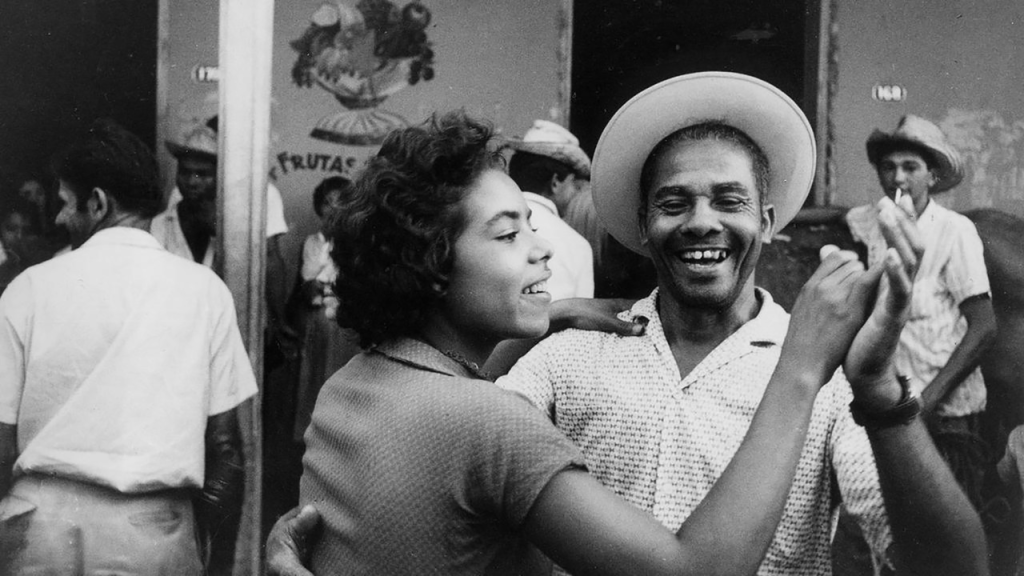
Agnès Varda’s view into dost revolution Cuba reflects her and the French New Wave’s radical left politics. When taken as a snap shot of 1963, before Fidel proved to be nothing but a dictator, Varda captures the enthusiasm and joy of the Cubans at the time. She does this through the Afro-Cuban music of the time and by making her still shots dance on the screen to the beat of the ethnic music.

The Children of Museum

Unavailable online or on physical media

Le Bonheur

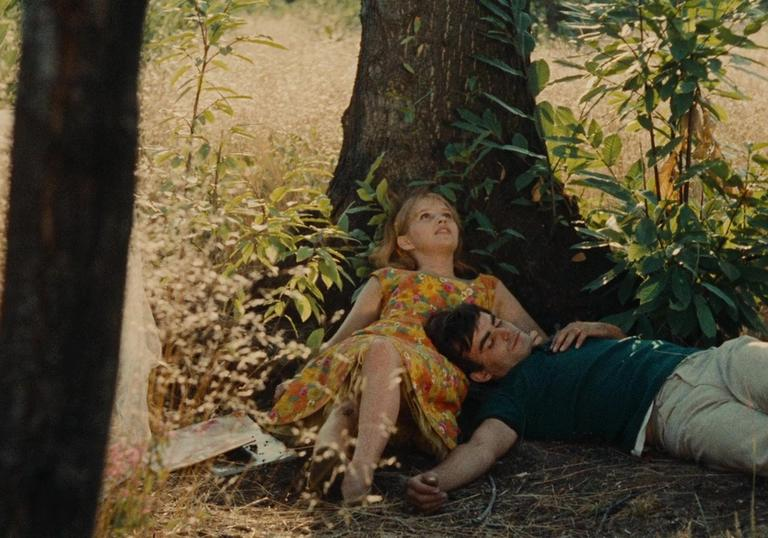
An uncritical viewing of Le Bonheur would assume it is nothing but a bit of twee filmmaking from it’s pastel colors and swelling score. However, upon closer inspection it becomes clear that in Le Bonheur, Varda created her version of a horror film. The film delves deep into the replaceability of women in the eyes of men. If they look pretty, take care of the kids, and provide sex to the man, the man doesn’t care which one he has. The speed at which François replaces the even uncredited Thérèse with Émilie is terrifying.


In her features especially in this time period, Varda was interested in looking at how men saw women in the early 60s. In Cléo from 5 to 7 the men in Cléo’s life infantilize her and diminish her health concerns by stating that a woman’s beauty is her health. Even more insidiously, Le Bonheur investigates the relative replaceability of women in men’s eyes as they are less equals to men as they are servants. Even the short film The Fiancés of the Bridge Mac Donald plays on this replaceability motif. The only film that doesn’t fit these motifs is the documentary short Salut Les Cubains where Varda’s far left politics are more on her sleeve than the cagey way she presents them in the features.

Early Varda 1955 – 1960

The first or even prototype French New Wave film, an experimental film about pregnancy, two infomercials for French tourism, a scene from an otherwise un-shot film, and a missing piece of cinema history make for an invigorating start to the photographer turned film director Agnès Varda.

La Pointe Courte

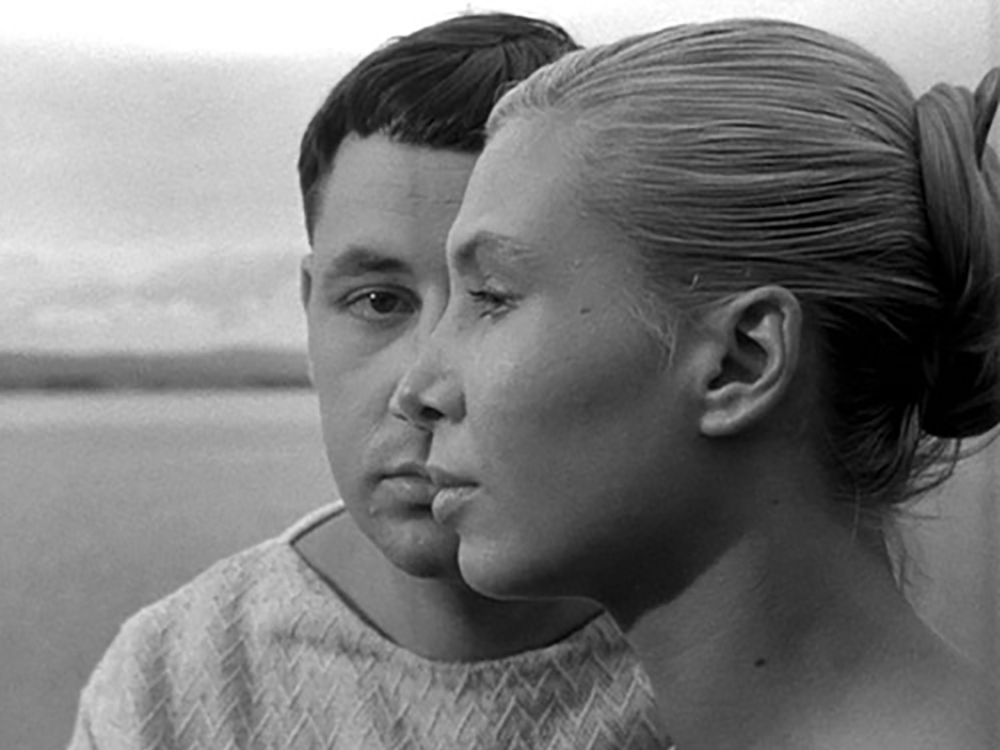
Coming out 3 years before the French New Wave officially began with Claude Chabrol’s Le Beau Serge (at least according to Wikipedia) it is hard to deny that Varda did it first. La Pointe Courte is a film in two parts: a pseudo-documentary about fishers in the Pointe Courte fishing sector of Sète, and a married couple contemplating their marriage. The documentary plays out very cinéma verité style, just observing the men who do the fishing and the women who help from on shore. This style stands in stark contrast with the highly stylized uncanny feeling of the married couple. They deliberate the merit of their marriage not like a married couple but rather like philosophers questioning what it means to be married.

L’opéra-mouffe

L’opéra-mouffe is an experimental film that Varda shot while she was pregnant and living in Paris. In the film she captured the high highs of joveul drunks to the low lows of people freezing to death on the street. She juxtaposes those images along with matching score. The film for all its disparate  parts has a theme that is capitalized by the recurring appearances of the lovers, two naked bodied actors in love.

Ô saisons ô chateaux

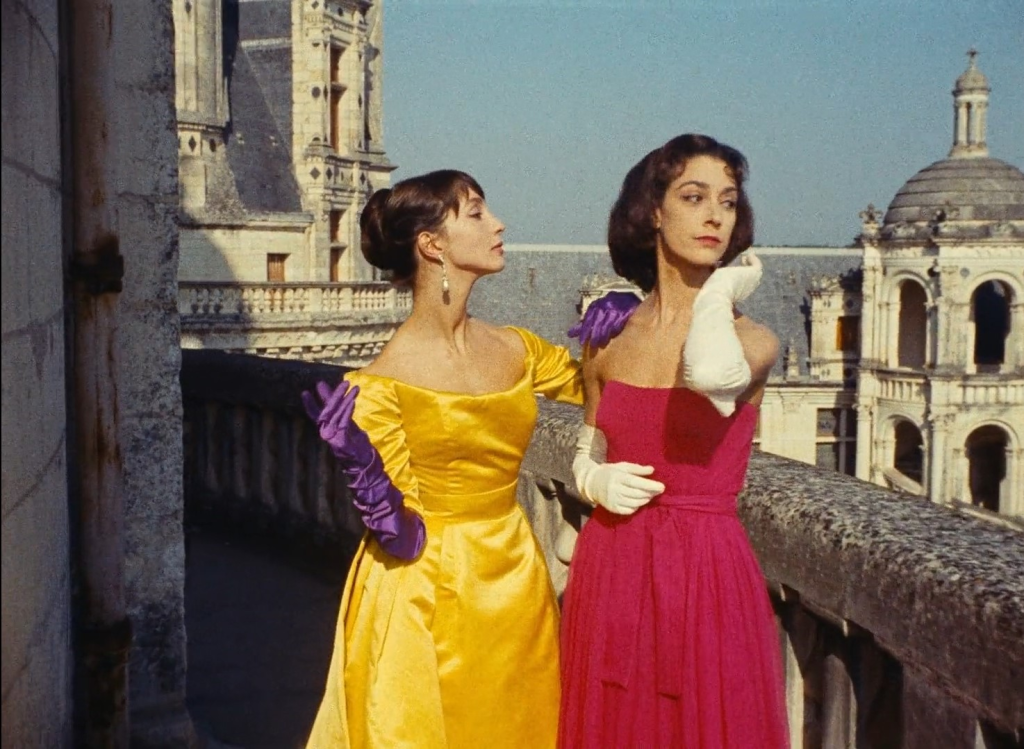
Varda’s first bit of commercial film making saw her creating a tourist video showing the Loire Valley castles. Juxtaposing the ancient castles with a contemporary jazz score brings life to the old buildings. Adding to that local models Varda elevates a simple commercial to something reminiscent of a classic musical.

Du côté de la côte (aka Along the Coast)

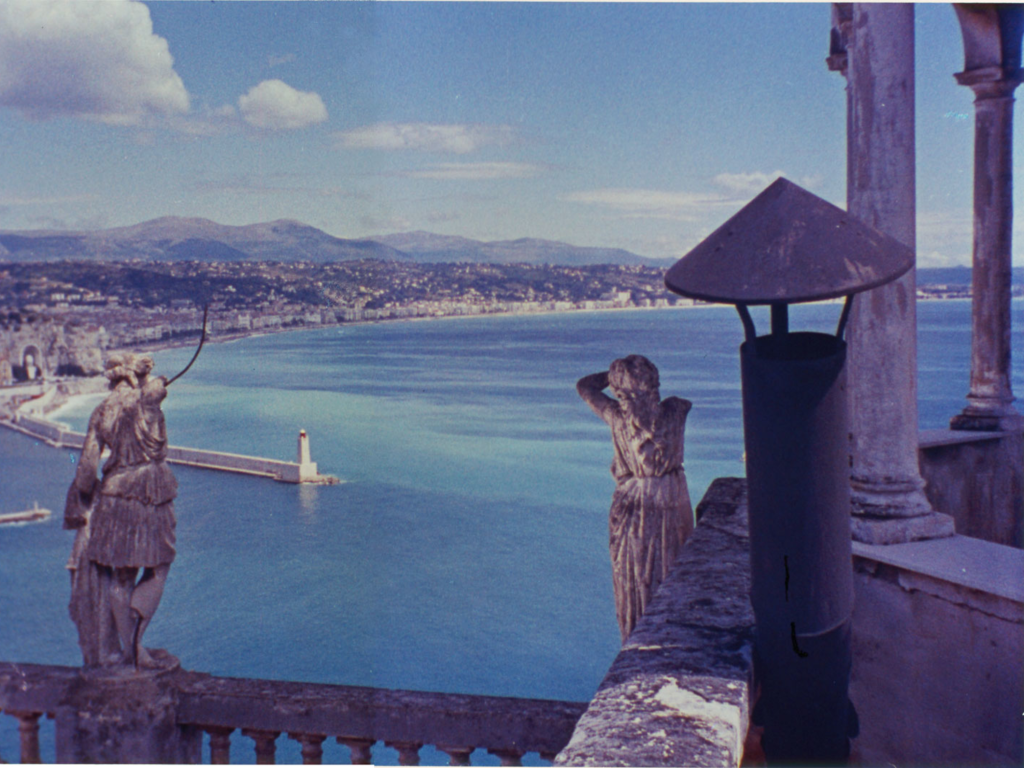
If Ô saisons ô chateaux was Varda experimenting what was acceptable in her for hire commercial work, Du côté de la côte was her seeing what all she could get away with. While apparently selling the idea of tourists coming to the French Riviera, she immediately disparages them by calling them “Imported Sleepers”. Varda does take time to focus on the beauty of the region, but juxtaposes that with images of the tourists engaging in only the most basic of attractions, all while focusing on their fashion more than the beauty around them. Dissatisfied with just commenting on the tourist class, Varda takes a vicious stab at the bourgeoisie who keep the Riviera’s greatest beauties locked behind private gates, whose dead get to experience a greater beauty of the area than the alive tourists.

La Cocotte d’azur

Lost media. While rumors are that a print still exists somewhere in France, it is not available for public viewing under any methods.

La Mélangite

Set to be Varda’s second feature, funding fell through and all that exists is a single audioless scene. The Criterion channel shares this scene with commentary from Varda herself on what the film would have been.


Even from the beginning Varda was showing her potential to be one of the greatest filmmakers to ever pick up a camera. Her first feature arguably started the French New Wave movement, and her two travel commercials showed a humorous voice and disdain for the bourgeoisie that would stay with her for the rest of her life. As a filmmaker her prior experience as a photographer really shines. She has an eye for what will look good on the camera and captures that, even when it’s not the people talking. La Pointe Courte may be a hard place to enter Varda’s filmography, especially for those unfamiliar with the French New Wave, but that difficulty shows a lot of skill. Those looking for the easier entry into Varda will have to wait for next week.

New Release Mondays – Furiosa: A Mad Max Saga

9 years after his award-winning return to the world of Mad Max with Mad Max: Fury Road auteur George Miller once again tackles the Australian wasteland, but this time with a heroine Furiosa as the title character. Charlize Theron passes the baton to Anya Taylor-Joy and the young Alyla Browne to play Furiosa in this prequel.

Furiosa: A Mad Max Saga is a pretty straight forward revenge film, but being straight forward is not a deterrence, contrary, the simplicity of the story allows for Miller’s signature style to build upon that basic skeleton into something fantastical. Furiosa is kidnapped as a child and forced to watch her mother perish at the hands of her captor Dr. Dementus (Chris Hemsworth). After Furiosa escapes Dementus’s hands – into the equally bad control of Immortan Joe (Lachy Hulme) – she begins planning her escape and eventual revenge.

While the film is advertised as a showdown between Anya Taylor-Joy and Chris Hemsworth, Alyla Browne deserves much more credit than she is getting. She performs as the titular Furiosa for at least half if not more of the film, and her physicality in acting at such a young age is commendable. When it is time for Anya Taylor-Joy to take over she steals the show as she does in everything she touches. Unfortunately, the acting of Chris Hemsworth is spotty at times as he struggles to capture the appropriate tone of campy but not buffoonish.

In the slog of action flicks, most of them superhero movies, that have plagued the box office for the past 15 years, it’s a marvel to see what miller can do with a similar budget. While most of the superhero films feel very sanitized and all run into one another they are so similar, Furiosa has action that one can feel, and that looks unique. He even found a way to add to the action repertoire of the last film by adding airborne militia. While long action scenes tend to leave this reviewer with her eyes glazing over, there was enough life in this film that it kept me engrossed throughout.

The main question on many people’s minds is bound to be, how does Furiosa compare to Fury Road? The major difference between the two is the pacing. Fury Road was almost a single action scene stretched out for over two hours, while Furiosa takes place over time with a heavier emphasis on story. This change of focus naturally leads to the action being a bigger part of Fury Road, and while the action in Furiosa is not any worse than that of Fury Roads, Fury Road’s ability to extend that action for 2 straight hours without being bogged down is such an impressive feat that it is a hard film to live up to.

While Fury Road will likely stand up to the years better than Furiosa, that says everything about the exquisiteness of the former rather than any downfall of the latter. Furiosa is still an invigorating watch, and if you are a fan of Chris Hemsworth’s schtick, you’ll be even higher on the film than I am.

New Release Monday – I Saw the TV Glow

A forward: I understand that this film won’t be for
everyone, some people will not be receptive to the trip that this film takes
its viewers on, and I’m sure this will have its fair share of 1-star reviews.
What I am telling you though is that if this film does resonate with you, you
cannot afford to miss it because it could very easily become a self-identifying
piece of media. I’m going to gush about this film for the next 1000 words or so
and I understand that some people may resent me if I make them see it, but I am
under the film’s spell, so this aggressively positive review is all I am
capable of. Also be warned this will go into spoilers as I feel I need to to
flush out the themes. Please go see this film and then come back after.


Three years after making the cult classic We’re All Going
to the World’s Fair
(a film this reviewer will be catching up with in the
upcoming week,) Jane Schoenbrun returns to the big screen with what is destined
to go down as on of the quintessential Millennial pieces of filmmaking, I
Saw the TV Glow
.

Taking place in the mid-90s, the film is about two teenagers,
two years apart, who form a bond over a young adult teen show The Pink
Opaque
. Owen, Ian Foreman and Justice Smith as young and old Owen respectively,
is the younger of the two, and is unable to watch the show when it airs because
of his mother’s strict bedtime requirements for him. Alone and desperate for
someone to share her interest with, Maddy, Brigette Lundy-Paine, invites Owen over
one night to watch if with her, and then supplies him with taped copies of
episodes to watch when he is able.

One week when Owen spends the night at Maddy’s and she
convinces him to run away with her next weekend. Owen, scared to leave the
comfort of the life he knows doesn’t, show up and Maddy is left to run away on
her own. The film then jumps 8 years to when she returns and tries to explain
herself to Owen in the coolest looking and sounding queer bar caught on screen.

The live music in the bar is the peak of one of many
highlights from the film, the music both score and soundtrack. Schoenbrun had unprecedented
control over the music in her film having budget from A24 to create 12 to 15
original pieces of music. With this much control over the soundtrack,
Schoenbrun and musician Alex G were able to sculpt the exact soundscape that one
would expect the physical manifestation of a memory of a dream. It uses current
artists and techniques but It is such an ethereal sound that it makes sense to
score the 90s because that’s what a memory sounds like.

Stylistically I Saw the TV Glow relies on nostalgia. The
Pink Opaque
is clearly a play on Buffy the Vampire Slayer or other
such TV shows that would be passed around on VHS. And while the picture quality
is crisp, the whole movie has a feel of being taped onto VHS. The soundtrack
relies on a lot of distorted synths, and footage of the show in particular are
rather distorted. Everything just feels like it lives in the late 90s, like the
film itself was a relic of the time only with deeper meaning being interjected
from the present.

Much of the deeper meaning that I Saw the TV Glow contains
comes from its surface level and more allegorical queerness. After the first
time skip, Owen approaches Maddy about watching The Pink Opaque together
again, and Maddy announces “You know I like girls right?” clearly announcing
herself as belonging to the LGBTQIA+ spectrum. In this way, she represents the
confident queer person who while they existed in the 90s were rather
countercultural.

Owen on the other hand represents the repressed queer
identity so uncomfortable with the concept that he was scared to admit it to
himself. When explain that he believes that he is ace, he describes it as thus:
“I can take a shovel and dig that part of me out and I know there’s nothing in
there, but I’m terrified to open it and look.”

Both of these ways of “dealing” with one’s queerness in the
90s capture one inevitability from that era, isolation and loneliness. Either
you live open and people reject you or you hide yourself and are too miserable
to have a thriving social life and the loneliness comes for you anyway.

The trans allegory is not a subtle one, Owen wears a dress
in a dreamlike state multiple times, and his father, randomly played by Fred
Durst, dismisses The Pink Opaque as a show for girls. The television
show itself and Owen’s relationship to it take supernatural form, and this
connection represents Owen’s transness. As a child watching the show is
something he keeps from his family, and it can be assumed that Maddy is the
only person he is open about it with. Many kids from that era (myself included)
would have that one friend to which they felt comfortable being open.

After Maddy disappears Owen keeps the show, his transness,
to himself. He becomes obsessed with the show as if the show has power over him.
When Maddy finally does reappear she exposes to him that The Pink Opaque was
more than a show, and that he is not who he thinks he is. She leads him to a
place where he can be reborn as his true self.

Confronted with the truth of who he is, he runs scared to
take the jump. This moment takes place in 2006, and it makes complete sense
that Owen would be scared to make the jump. It was an unknown at the time, and
risking the life he had, even if it has this loud ghost haunting him is at
least familiar. The problem with this decision is that The Pink Opaque never
leaves, in fact it grows like a tumor.

As a trans person myself, I instantly felt like this film is
an inextricable part of me. The pink TV static runs through my body, and brings
comfort to my isolated, closeted childhood self. Jane Schoenbrun created a film
that speaks directly to her, and like years of therapy has offered her a place
to call home. I Saw the TV Glow just resonates with whatever part makes one
feel isolated from the rest of the world. It is more than just a perfect film It
lives on with the viewer who is willing to accept it and becomes a part of
them.


New Release Monday – Evil Does Not Exist

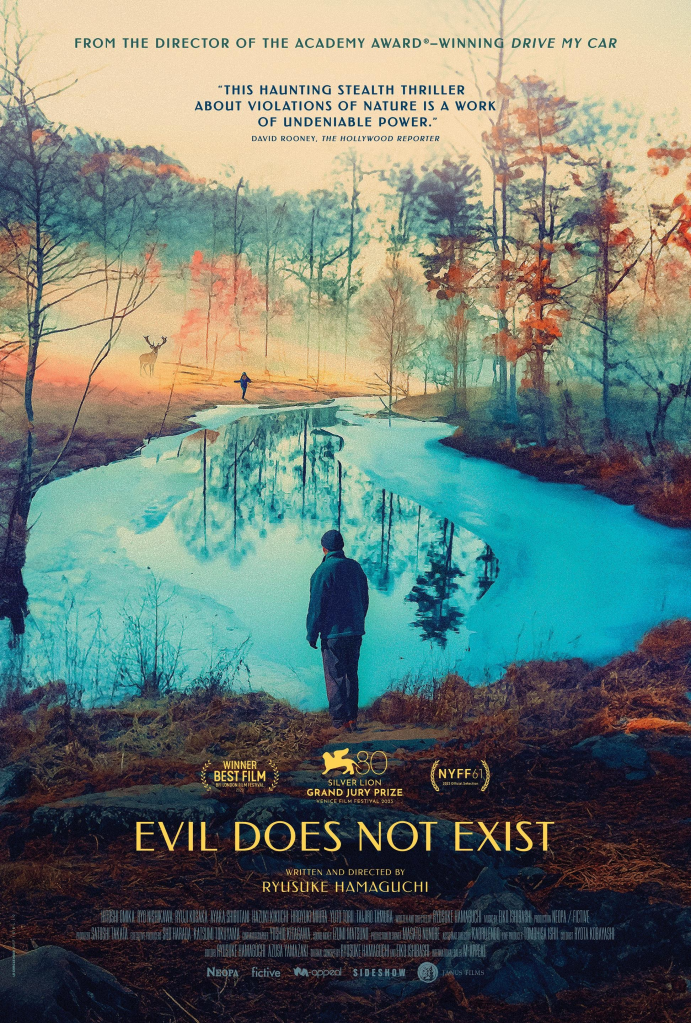
After a breakout 2021 that saw a double feature’s worth of brilliant Japanese, arthouse cinema (Drive My Car and Wheel of Fortune and Fantasy) Ryûsuke Hamaguchi was effectively crowned the international arthouse director to aspire to, and with his newest offering, Evil Does Not Exist, he reasserts that he deserves the title. His newest film follows in Hamaguchi’s motifs common throughout his past work with long conversations being common, and possessing a level of complexity that extends beyond the text. Evil Does Not Exist may also have his most textually complex ending to date.

The main premise of the film comes from a situation that Hamaguchi was experiencing first hand while deciding on his next film, and it involves a company buying land amongst a village, Mizubiki, where the residents live a ecofriendly lifestyle where they all rely on the natural spring water to survive and thrive. When the real estate company presents the citizens with their proposal to add a glamping facility to their village, dozens of concerns are aroused most of which revolve around the cleanliness of the spring water.

After meeting with the village, presenters Takahashi (Ryuji Kosaka) and Mayuzumi (Ayaka Shibutani) realize that they have empathy with the villagers and their demands, a fact which doesn’t sit well with their manager or consultant. However, instead of creating an adversarial relationship there, the two set off on a task given their boss’s advice and then he and the supervisor are never heard from again. The film instead focuses on how these two acclimate to their temporary residency.

The closest thing the film has to a protagonist is Hitoshi Omika as Takumi, a single father to the 8-year-old Hana (Ryo Nishikawa) and self proclaim odd-jobs man. Through him the audience is introduced to the village and the way of life it entails. He is also the lens through which Takahashi and Mayuzumi open up to the holistic way of living that is common in Mizubiki.

Omika was a tremendous actor considering this was his first time ever in front of a camera. His passive enjoyment of ever day life in the woods, chopping wood, filling up containers of spring water shows a lot of restraint that it takes some actors years to learn. He comes at most things with a laissez-faire attitude that builds an aura of mystery around him and his performance. It is possible that no professional actor could have play this role as it give so little that everything has to be inferred.

Without getting into spoilers, the ending must be remarked upon because it designates a change in Hamaguchi’s direction. While Hamaguchi has previously always worked in the immediate for his film making, the ending on Evil Does Not Exist sees him playing with time and reality in a way that leaves the viewer begging for a second watch in order to fully comprehend what happened.

Hamaguchi once again delivers a masterful film which’s subtext will keep the viewer busy for days processing everything the director wanted to say. Phenomenal acting. a score it is almost criminal I did not dive into detail about, and tight, measured direction leads to one of the best films in the first half of the year.

New Release Monday – Challengers

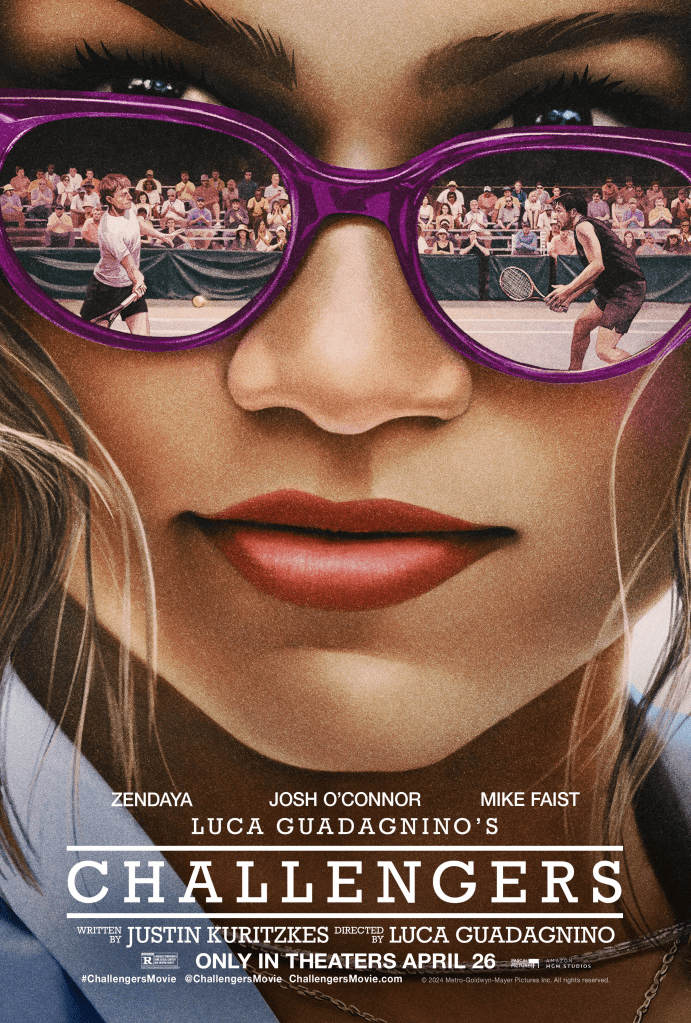
Director Luca Guadagnino has done his share of passionate love stories in the past, so the complex love triangle of 2024’s Challengers made perfect sense for his next film. The film staring Zendaya, Mike Faist, and Josh O’Connor as each side of the triangle uses the world of professional tennis as its backdrop, and while the tennis cinematography is exceptional, it is the off the court drama that sells the film.

The film primarily takes place during a challenger event where Art (Faist) and his now wife/coach Tashi (Zendaya) are participating as a warmup for the upcoming Open, while the shunned Patrick (O’Connor) is playing for his chance at a spot in the qualifier tournament for the same Open. The story of the three is then told in flash backs with each arch of the relationship between the three provides more salacious drama than the last.

The jumping through time aspect of the film works well because rather than go for a story arch, the film goes for an intrigue arch. While the flashbacks are primarily in chronological order, when the film deviates from this strict order, it is to hold back emotional punches for when they would be better appreciated. Guadagnino layers the film such that the intensity is always increasing with affairs and backstabbing filling up the latter half of the film.

While not the purpose of the film per se, the tennis playing needs to be commented on, and specifically the cinematography of the tennis. The playing is shot head on like most tennis in movies, this allows for the actors to be facing the camera while also removing the need for the actors to actually carry out a volley, but something small that director of photography Sayombhu Mukdeeprom chose to do that was unique was shoot the balls flying into the camera like it was a 3D movie. This little change ups the excitement of the tennis scenes tenfold.

Much of the film marketing attempted to sell Challengers on the sexiness of the three young, attractive actors and the risqué script. Unfortunately, that is the one aspect of the film that really falls short. Early in the film, there is a threesome sequence that while cut short hints at the heat the rest of the film promises, and yet, after that scene nothing is shown. Sex is implied to have occurred between various pairs of actors, but nothing is caught on camera. Not implying that the film needed to be X rated, but when the sex appeal is marketed upon so heavily one cannot help but expect a little more steam.

Misgivings about the sexiness of the film aside, Guadagnino delivers again. Challengers is an excellently paced invigorating watch. The cinematic landscape is significantly more chaste than it was in say the 90s, so any push in a more salacious direction is welcome. And more pictures by Guadagnino are welcome as well. He has a distinct voice, and his films always bring quality, and Challengers is no exception.

New Release Monday – Civil War

Known for making some of the best science fiction films of the past decade (Ex Machina (2015) and Annihilation (2018)), Alex Garland set his sights to an alternate present rather than future with his newest film Civil War. Setting a film called Civil War in the US during the current political unrest is a dangerous endevor in which to partake, but by eliminating specific politics (so much so that California and Texas share a side), Garland gets his message across with out alienating, or worse enraging, half the nation.

Kirsten Dunst plays Lee a famous war photographer, who along with her coworker Joel (Wagner Moura) has her sight on the biggest photograph of her career, an exclusive photo of the president before the Western Forces (Texas and California) can breach Washington DC and execute him. They are joined by longtime friend and fellow press member Sammy (Stephen McKinley Henderson) and Jessie (Cailee Spaeny) a young aspiring war photographer who looks up to Lee. Once they depart, the film structure becomes that of many vignettes as their van stops or is stopped for various reasons.

The vignette style is used to provide the viewer with snapshots of what the US would look like with the country torn apart. It focuses on the dehumanization that Americans would suddenly see for their brethren as soon as the government labels a subset of them enemies. From gleeful lynchings to depraved mass graves, without the connection of country, Garland shows how Americans would resort to their basest of instincts and inflict violence on the people they no longer consider one of their own.

Assigning multiple characters as photographers, one would hope that Civil War would have some beautiful cinematography, and director of photography Rob Hardy delivers with some stunning camera work. The video is accompanied by still photos representing what Lee or Jessie shoot, and especially the black and white photos by Jessie are stunning.

Civil War is definitely a political film, but the politics are not what one would expect given the premise. There is no right and left, conservative and progressive, only people A and people B. By refusing to take a stance on the hot button issues of today, Garland instead peaks deeper at the soul of an American, and at the price of war.

Garland displays a rather bleak view of Americans. He portrays a country that is so caught up in loyalty, that even if the cause of the split is unspoken, the people will immediately align with their “side” and otherize/ dehumanize the other people. Civil War has an extremely misanthropic view of Americans, and given the partisanship expressed in reality, it is not hard to see why.

The other hidden politics of Civil War is to help Americans to see the terror of war. America is constantly fighting or funding wars, and the images on TVs do little to express how ugly wars are to the places where they take place. By setting the bloodshed in American streets it helps to awaken the viewer to the atrocities that are committed in the name of war, and how awful it must be to experience it.

A strong, complex message combined stunning photography and brilliant acting (Kiki delivers another perfect performance) make Civil War one of the best films in this still young year.

Oscar Predictions and Picks 2024

I love the Oscars. For the past seven years, I have made it my goal to watch every single film nominated for an Oscar, and while it took me until today to do so, I’ve once again made that goal. This year has a much more contentious group of categories to go over, even if the above the line ones are pretty obvious. Now, in time for Sunday’s ceremony, here are my predictions and my personal picks for this year’s event.

Short Film, Live Action

My Prediction: The Wonderful Story of Henry Sugar
My Pick: Red, White and Blue

Wes Anderson should finally get his first Oscar for this year’s Roald Dahl film, but I personally feel as if it is a bit against the spirit of the reward. The short could have easily been extended 2 more minutes into feature territory and the high level of stars and finances would have served it just as well. Red, White and Blue on the other hand does exactly what I want a short film to do. Tell a convincing story on a budget.

Short Film, Animated

My Prediction: WAR IS OVER! Inspired by the Music of John and Yoko
My Pick: Ninety-Five Senses

The Oscars is notorious for giving at least one of the short film categories out to the worst film nominated, and I believed this is the category it will happen in this year. War is Over is trite and painfully optimistic and is likely to win.

Short Film, Documentary

My Prediction: The Last Repair Shop
My Pick: The Last Repair Shop

If the academy members watched the films, it is a pretty easy pick for The Last Repair shop which was excellent and by far the best of the bunch, but The ABCs of Book Burning has a cute title about a pertinent topic so I could see that playing spoiler.

Visual Effects

My Prediction: Godzilla Minus One
My Pick: Avatar: Godzilla Minus One

Really close with The Creator, I think Godzilla Minus One was a much more liked film between the two and believe that will raise it to Oscar Gold. The viral click on Oscar nomination morning doesn’t hurt either.

Makeup and Hairstyling

My Prediction: Maestro
My Pick: Maestro

I did not like Maestro, and I don’t believe much of the academy did either. That said it is hard to deny the old age makeup on both Bradley Cooper and Carey Mulligan were immaculate, and I’ll even forgive the schnozz on Cooper, at least for the night.

Costume

My Prediction: Barbie
My Pick: Barbie

And here starts the biggest paired contention of the night. Between Costume and Production Design Barbie and Poor Things are having a knockdown fight. For costume, I think the iconic Barbie costumes will tip this category in its direction.

Production Design

My Prediction: Poor Things
My Pick: Poor Things

Conversely to costumes I think the perfectly pink Barbie land both deserves to and will just miss out to the surrealist steampunk locations and vehicles that fill the Poor Things screen at every moment.

Sound

My Prediction: Oppenheimer
My Pick: The Zone of Interest

This is the one that kills me. Yes the Bomb explosion scene was a wonderous piece of sound production, and in any normal year I’d gladly accept it winning, but the sound in The Zone of Interest is what makes the film, and is the best sound design I’ve seen in years if not decades.

Original Song

My Prediction: What Was I Made For (Barbie)
My Pick: What Was I Made For (Barbie)

Yes ‘I’m Just Ken’ is fun, but this might be Billie Eilish’s best song and she will become a two time Oscar winner.

Original Score

My Prediction: Oppenheimer
My Pick: Oppenheimer

Joe Hisaishi was robbed of a nomination for The Boy in the Heron which I would have picked if it were an option, but Ludwig Göransson score was well worthy of Oscar gold as well.

Editing

My Prediction: Oppenheimer
My Pick: Anatomy of a Fall

Editing is often seen as a precursor for best picture and as such this is Oppenheimer’s to lose. That said, I think the editing in Anatomy of a Fall was top notch and it is what I’d have voted for.

Cinematography

My Prediction: Oppenheimer
My Pick: Oppenheimer

Another Oscar for the team around Oppenheimer. Expect to see this title a lot going forward.

Documentary Feature

My Prediction: 20 Days in Mariupol
My Pick: 20 Days in Mariupol

Much like Navalny last year, 20 Days in Mariupol fits the cultural zeitgeist of the day, and it’s an excellently made documentary too.

Animated Feature

My Prediction: Spider-Man: Across the Spider-Verse
My Pick: The Boy and the Heron

I think if Miyazaki had made a more approachable film, this category would have been his, but The Boy and the Heron was a little too weird to land with the average film goer, and so the also well deserving Spider-Man fill will win its second award in two tries.

International Film

My Prediction: The Zone of Interest
My Pick: The Zone of Interest

With France nominating The Taste of Things over Anatomy of a Fall, this is a pretty easy win for The Zone of Interest. For what it’s worth, I would vote Zone over Anatomy, but The Taste of Things while not nominated is my favorite of the three.

Adapted Screenplay

My Prediction: American Fiction
My Pick: Barbie

I did not enjoy American Fiction and personally believe its screenplay to be pretty confused, but it appears to be the runaway favorite. I think Barbie should have been in original screenplay, but regardless I think it deserves the win here.

Original Screenplay

My Prediction: Anatomy of a Fall
My Pick: Past Lives

With Barbie languishing in the harder category this year, Anatomy of a Fall should have the support to win this over The Holdovers, but I’d personally give it to my favorite film of 2023, Past Lives.

Supporting Actor

My Prediction: Robert Downey Jr. (Oppenheimer)
My Pick: Robert Di Nero (Killers of the Flower Moon)

Looks to be a pretty easy win for Robert Downey Jr., but I think the Di Nero performance in Killers of the Flower Moon is getting unfairly overlooked.

Supporting Actress

My Prediction: Da’Vine Joy Randolph (The Holdovers)
My Pick: Da’Vine Joy Randolph (The Holdovers)

The easiest prediction of the night is that Da’Vine Joy Randolph will walk away with an Oscar. Her performance in The Holdovers is what made that movie (with all respect to Paul Giamatti) and I’m excited to hear her speech as she accepts her Oscar.

Lead Actor

My Prediction: Cillian Murphy (Oppenheimer)
My Pick: Cillian Murphy (Oppenheimer)

While there is a chance that Paul Giamatti plays upset and stops the Oppenheimer sweep, it is Cillian Murphy’s time to win. He was miraculous as the cold titular character and is most likely to walk up to the stage Sunday night.

Lead Actress

My Prediction: Lily Gladstone (Killers of the Flower Moon)
My Pick: Lily Gladstone (Killers of the Flower Moon)

The hardest of the above the line categories to predict, I’m going with my favorite (nominated) performance of the year, Lily Gladstone, the nod over Emma Stone, but could see it going either way. There’s even the off chance that Sandra Hüller could play upset. Any of the three would be more than worthy, but I hope and think Gladstone will come out ahead.

Director

My Prediction: Christopher Nolan (Oppenheimer)
My Pick: Jonathan Glazer (The Zone of Interest)

Oppenheimer is an unstoppable force and will easily get Christopher Nolan his first Oscar, and while I didn’t love Oppenheimer as much as most I do get that it’s an impressive feat of direction. My personal pick though would be Glazer for The Zone of Interest which was all direction (and sound).

Picture

My Prediction: Oppenheimer
My Pick: Past Lives

Much like Everything Everywhere All At Once last year, Oppenheimer is likely to cap off a night of winning with taking home the big prize. I still think the last act of the film is superfluous, but where the film is great it’s really great. If it were up to me though, the emotional impact of Past Lives in its simplicity is the best film of the year and deserves to win this award even though it doesn’t have a chance.

The Best Films of 2023

I’m so late this year, I’m sorry. But It’s finally list time again! I love films and I love sharing my love of films with others. As I’ve done for the past decade plus, I’ve put together a list of what I consider to be the best films of the year that just ended. I put this off as long as I did so that I could see The Zone of Interest, but honestly I had a lot to catch up on after mental health issues kept me from seeing most of the year end films. Of the films on this list, 10 of them were directed by women, which is quite a high percentage considering what the wide release percentage of women directors tends to be. As far as regrets go, there were two Argentinian films I wanted to watch before putting together this list, The Delinquents and Trenque Laquen, but at 3 and 4 ½ hours a piece, they just weren’t in the cards this year. Additionally not being in one of the major markets, Seattle is only so big, I was unable to see The Taste of Things and Perfect Days. Both open here in mid-February, but I didn’t want to be that delayed in putting out my list any further. Now without further ado, the list.

25. Fallen Leaves (Dir. Aki Kaurismäki)

Finnish director Aki Kaurismäki is the master of the dry, social commentary comedy, and his most recent film Fallen Leaves fits into that category and excels while doing so. A love story between two miserable, working-class people, Fallen Leaves captures the desperation for connection that can plague the underserved. Ansa (Alma Pöysti) may not especially like Holappa (Jussi Vatanen), but that does not stop her from falling in love in service of no longer being alone. Patently ridiculous and lovingly poignant, Kaurismäki delivers a great film about living the best life one can.

24. All Dirt Roads Taste of Salt (Dir. Raven Jackson)

It did not take long for the pretentious side of my list to show its face. All Dirt Roads Taste of Salt is definitely not for everyone, but for those willing to put up with a meandering, vibes over narrative approach to filmmaking, Raven Jackson’s film will be a blessing. The story of a Black, Mississippi woman that spans decades speaks to moments that make a life. Methodical in its pacing, All Dirt Roads Taste of Salt feels almost Malickian and I say that in the best way possible.

23. The Holdovers (Dir. Alexander Payne)

Alexander Payne and Paul Giamatti reunite 19 years after Sideways to create the most quintessentially winter film of the year. While Giamatti may bring the star power to the film this place on the list is essentially a Da’Vine Joy Randolph recognition. She plays Mary, a cafeteria worker who is staying over at the school for the holidays as a way of grieving her son’s passing. Her performance is devastating as she slowly breaks down as the holiday break continues, and she will almost certainly walk away with an Oscar this year as the lone winner for the film.

22. Blue Jean (Dir. Georgia Oakley)

While it is true that many lesbian films end up being period pieces, most of them take place well before the Thatcher era where Blue Jean does. Rosy McEwen plays Jean a physical education teacher who needs to hide her homosexuality from her place of employment less risk being fired because of the archaic Tory laws. McEwen is the highlight of the film as she captures the strife of a women unsure with how to proceed as herself. A solid screenplay also heightens McEwen’s performance in this underseen gem.

21. Barbie (Dir. Greta Gerwig)

While many people were skeptical of a movie based on Barbie, I had faith in Gerwig’s direction to deliver something special, and I feel confident that I won that bet. Some may scoff at the feminism 101 speachs that inhabit the film but remembering that this film is a PG-13 film that many teens will watch should absolve that critique. Outside of the philosophical arguments about the film, Barbie is just outright fun. Margot Robbie and Ryan Gosling are both exceptional, and the return of the dream ballet in “I’m Just Ken” was the most entertaining moment in film this year.

20. R.M.N. (Dir. Christian Mungiu)

Christian Mungiu, acclaimed director of 2007’s 4 Months, 3 Weeks and 2 Days, returns to the big screen with the slowest of burns R.M.N. The film explores human nature when confronted with the unknown. Matthias (Marin Grigore) is the unlikable protagonist at the center of the film. He has extramarital affairs, is less than understanding of his scared son, and takes a passive approach to the racism that has infected his town. Yet through these unlikable eyes, the story has a strong sense of right and wrong and stands with those who need it most. Undeniably a slow watch, but the payoff is well worth the commitment.

19. 20,000 Species of Bees (Dir. Estibaliz Urresola Solaguren)

Possibly the least traditional entry onto my list, 20,000 Species of Bees was a SIFF discovery for me, and one for which I was clearly the target audience. The film is about Lucía (Sofía Otero) an eight-year-old who is just coming to terms with her gender identity and her mother Ane (Patricia López Arnaiz) learning to accept her daughter for who she is. As a trans woman, I found the story to ring exceptionally true. Lucía’s inner conflict with whom she was reminded me of my own, and Ane’s reluctance followed by eventual acceptance felt like what I wished would have happened for me. Extremely emotional and expertly acted, 20,000 Species of Bees is a film to look out for if it ever receives distribution.

18. Monster (Dir. Hirokazu Kore-eda)

A modern day Rashomon (Dir. Akira Kurosawa, 1950), Monster is acclaimed Japanese director Hirokazu Kore-eda’s tale on perspective. When her son Minato (Soya Kurokawa) starts acting strangely, his mother Saori (Sakura Ando) is understandably concerned. Starting with her perspective, Kore-eda slowly unravels the mystery behind Minato’s strange behavior. And while the principle view point may shift at various times throughout the film, it is Ando’s performance as the mother desperate to find out what is wrong with her son that shines through.

17. Poor Things (dir. Yorgos Lanthimos)

I never would have guessed that the man who directed Dogtooth (2009) would become one of the most well known and acclaimed directors working 15 years later, but Lanthimos has managed to tap into the weirder aspect of the cultural mind. Poor Things is another film that should not have mass appeal, but we are better off because it does. Emma Stone is excellent as Bella Baxter, the Frankenstein’s Monster stand in of the mad genius Dr. Godwin Baxter (Willem Dafoe). Stone plays Bella as an infant minded creation all the way to a wise beyond her years independent woman and is convincing at all stages of that development. A wickedly devious performance for a wickedly devious film.

16. Are You There God? It’s Me, Margaret. (Dir. Kelly Fremon Craig)

I am a sucker for a good coming of age film, and that is exactly what Kelly Fremon Craig delivered with Are You There God? It’s Me, Margaret. The adolescent girl’s coming of age film seems to be Craig’s forte as this film follows up her 2016 debut The Edge of Seventeen. While Abby Ryder Fortson is great as the titular Margaret, it is Rachel McAdams, playing Margaret’s mother Barbara, who steals the show. Craig rightfully expands Barbara’s role from what it was in the book, and McAdams delivers wonderfully on the expanded material.

15. Showing Up (Dir. Kelly Reichardt)

As far as current actor director pairs go, it is hard to pick a pair much better than Michelle Williams and Kelly Reichardt. Williams is able to thrive under Reichardt’s deliberate pacing and muted direction to portray characters still filled with the depth normally ascribed to showier performances. Showing Up is a look at the less glamorous side of being an artist. Working hard for little acknowledgement and fighting hard for every bit of exposure. The film may well be too slow for most viewers, but for those willing to sit with a movie and take it at its own pace, it is an excellent watch.

14. The Iron Claw (Dir. Sean Durkin)

I have never watched a single wrestling match in my life, but one does not need to in order to find the latest Sean Durkin film The Iron Claw fascinating. The tragic story of the Von Erich brothers lends itself perfectly to the silver screen. Durkin is masterful at slowly teasing the dark side of things out from his subjects and he does just that from this film. He lets the unease slowly build before exposing the devastating truth of the Von Erich curse. As the eldest (living) brother Kevin, Zac Efron proves that he is more than just a pretty face, but an excellent actor as well. His performance is what allows the audience to maintain hope despite all of the tragedies the film portrays.

13. May December (Dir. Todd Haynes)

Director Todd Haynes reunites with Julianne Moore and works with Natalie Portman and Charles Melton for the first time to deliver a story based largely on the Mary Kay Letourneau scandal from the late 90s. In this film Moore plays the Letourneau stand in Gracie seemingly happily married to her victim Joe (Melton) 20 years after the abuse. Portman’s Elizabeth throws a wrench into their lives when she comes to observe Gracie in service of performing as her in an upcoming film. Haynes’s film is filled with melodrama and camp in a way that heightens the absurdity of the situation (even if based on real life). All three actors put in exquisite performances in a film that leaves them all questioning the relationship at the center of their connection.

12. Afire (Dir. Christian Petzold)

German auteur Christian Petzold’s most recent film Afire is a haunting look at someone so blinded by a self-imposed sense of obligation that he misses out on the small wonders of life in front of him. Leon (Thomas Schubert) is an asshole, even if deep down he does not want to be. On a trip with his friend Felix (Langston Uibel), they meet Nadja (Paula Beer) who attempts to befriend Leon even if Leon’s instincts keep ruining things. All this happens under the threat of impending wildfires which threaten to ruin the three’s holiday. Poignant and contemplative, Afire is another excellently realized film for Petzold.

11. Beau is Afraid (Dir. Ari Aster)

Ari Aster follows up is two highly acclaimed horror films (2018’s Hereditary and 2019’s Midsommar) with something completely different in Beau is Afraid. While the most recent film could maybe be classified as a horror film, that would be more in the horrific root word than what the genre has come to mean. Joaquin Phoenix gives a terrifying performance of Beau, a man plagued with anxiety. Phoenix’s performance and Aster’s direction combine to create a perpetual feeling of unease as reality is blurred under Beau’s anxious delusions.

10. Infinity Pool (Dir. Brandon Cronenberg)

The best horror film of the year continues to prove that Brandon Cronenberg is more than just a nepo baby, he is an excellent film maker with his own style. Infinity Pool lingered with me, the creepy imagery, the complex themes, and especially the supporting performance from Mia Goth. The film is dark and twisted in a way that lingers in the mind for weeks after viewing. Alexander Skarsgård is excellent as the slimy failed author James, and as mentioned, Mia Goth as Gabi is impeccably deranged.

9. Asteroid City (Dir. Wes Anderson)

If you think Wes Anderson’s style is a little bit too much, then this is not the film for you. However, if you want to see Wes Anderson dive into his style headfirst and make the most Wes Anderson film ever, then you need to see Asteroid City. Consisting of multiple layers of storytelling, the film is a complex narrative that I’m still grappling with after only one watch. The innermost layer of the film, the one in color, is filled to the brim with interesting acting decisions and Anderson’s trademark production design. Yet it is the combination with the outer layers that elevate Asteroid City into one of Anderson’s best.

8. Killers of the Flower Moon (Dir. Martin Scorsese)

It is sacrilege to say this as a cinephile, but Scorsese has never really been my cup of tea. I respect him as a film maker, and I’ve never disliked his movies, they just have not resonated with me the way they do for most. That said Killers of the Flower Moon spoke to me in a way that most of his more recent films have not. While much of the film does fall in the bad men doing bad things that many of his films fall into, the inclusion of Lily Gladstone as Mollie Burkhart won me over. By centering on the victim, he made a film that resonated much more with me. Scorsese’s undeniable prowess with directing combined with a sympathetic co-lead make this one of his best films. I only wish that Gladstone appeared on screen more.

7. How to Blow Up a Pipeline (Dir. Daniel Goldhaber)

We’ve reached the point in our climate dystopia where our films can paint ecoterrorists as both the protagonists of a film and completely in the right. How to Blow Up a Pipeline is an incredibly tense thriller about a band of people whom all for different reasons believe that the destruction of an oil pipeline in Texas will serve their causes. Goldhaber cuts back and forth between the ecoterrorists’ past that motivated them to join this cause with the building of bombs and act of blowing up the pipeline. The film is remarkable in its ability to build tension and speak to a necessary issue in today’s world.

6. Anatomy of a Fall (Dir. Justine Triet)

The Palme winning Anatomy of a Fall cemented itself this year as one of the greatest courtroom dramas in cinema history. Sandra Hüller is impeccable as a wife who is under suspicion of killing her husband. She skirts the line in her performance such that the audience can never be certain if she is innocent or guilty. Much of that uncertainty is also due to Triet’s remarkable direction. The use of audio recordings of a fight between Hüller’s Sandra and her husband Samuel (Samuel Theis) is a linchpin of the film. It both represents a possible motive for Sandra and questions if normal marital fights can be used to incriminate. Triet delivers a complex picture of marriage and the court system.

5. A Thousand and One (Dir. A.V. Rockwell)

Sundance Grand Jury: Narrative winner A Thousand and One snuck up on me for how good it was. Similar to 2016’s Moonlight (Dir. Barry Jenkins), A Thousand and One explores the Black experience of a young man through various points in his life. Rockwell’s film, however, uses these time skips to show the evolving relationship between a boy and his mother played wonderfully by Teyana Taylor. Her performance is one of the best of the year, as she manages to capture Inez’s change over the decade while still making each era feel like the same person, just with more years of experience. I’d also like to call out Gary Gunn’s score for the film which was my favorite of the year.

4. The Zone of Interest (Dir. Jonathan Glazer)

The second of Sandra Hüller’s Oscar worth performances this year, Jonathan Glazer’s follow up to the haunting 2014 Under the Skin is no less shaking. Taking place in an estate sharing a wall with Auschwitz, The Zone of Interest manages to capture the horrors of the Holocaust without showing a single frame of the violence inflicted upon its victims. Instead, everything is conveyed through sound design and the acting of the guilty family. The sound design is in particularly remarkable, and while I don’t think it is the frontrunner, I will be very upset if it’s snubbed on Oscar nomination morning. While the sound design may be the most apparent standout of the film, the entire thing is meticulously put together in a way to leave the viewer in devastated silence.

3. The Blue Caftan (Dir. Maryam Touzani)

What at its heart is a love triangle film between a married couple and the worker they hire to work at their apparel shop, The Blue Caftan is an exceptionally warm watch that can’t help but fill the viewer with love. While Youssef (Ayoub Missioui) would be seen as in interloping home wrecker in most films, here he and his relationship with Halim (Saleh Bakri) is understood by Halim’s wife Mina (Lubna Azabal) and the three of them end up in a familial relationship where each clearly cares about the rest. A complex romance, The Blue Caftan was an amazing watch that stuck with me even as a mid-SIFF watch.

2. All of Us Strangers (Dir. Andrew Haigh)

One of the last films I saw in my 2023 film catch up, All of Us Strangers came awfully close to being my number one. The film is an exploration of a man’s struggles with his queerness due in large part to never being able to tell his parents who he was. Haigh lets Adam (Andrew Scott) process that longing by creating a world where his parents still live in their childhood home having never aged since they passed when he was 12. These scenes are intercut with his burgeoning relationship with Harry (Paul Mescal) which grows as Adam is able to process his identity with his late parents. The film hit me especially hard as a queer person who is struggling with processing her past, but even without that personal connection the film would rank high on this list.

1. Past Lives (Dir. Celine Song)

I managed to catch Celine Song’s directorial debut at the opening night gala for SIFF (The Seattle International Film Festival) and while she could not directly talk about her captivating screenplay – it was the midst of the writer’s strike – one couldn’t help but see the brilliance in her that lead to such a perfect screenplay and perfect movie as she addressed the pack room of viewers stunned in silence. Past Lives is both a romance and not at the same time. It captures the longing that exists when considering the potential loves that we never had, and how even when we are happy in our current lives those memories persist. Greta Lee is revelatory as a woman who is happy in her current life, married to a man she loves, but is taken by the remembrance of a boy she used to know. The movie feels like the inverse of Linklater’s Before films and deserves to be seen with the same reverence.