Meet Your New Oscar King – The 2026 Oscar Nominations

My alarm went off at 5:10am on a random Thursday in January which can only mean one thing, it was Oscar nomination morning. While sometimes I let myself sleep in and play catch up, I’m glad I caught this one live because it was an eventful one!

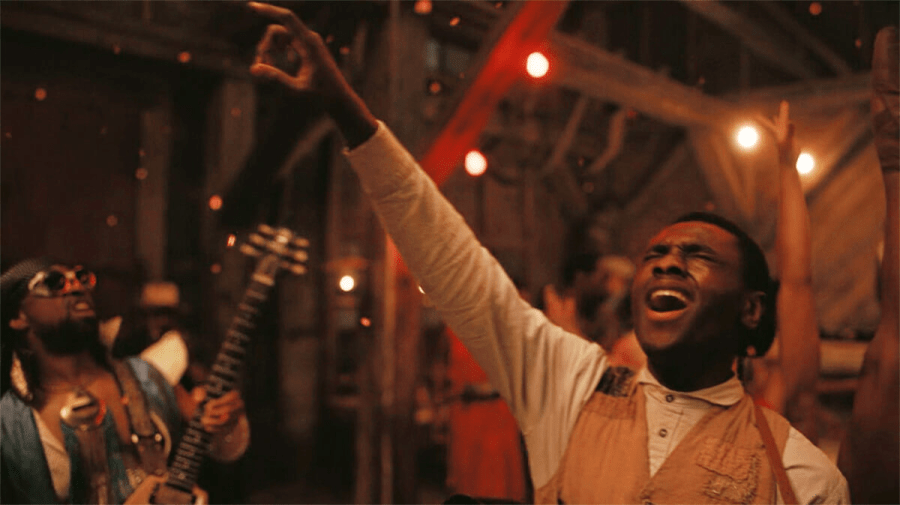
As this title hinted at, a new film stands atop the all-time Oscar nomination count list. Ryan Coogler’s Sinners pulled out a staggering 16 nominations to surpass the previous high-water mark of 14 (All About Eve, Titanic, and La La Land). While Gold Derby had it (and One Battle After Another) tying the record, a surprise Delroy Lindo supporting nomination (at the expense of Paul Mescal from Hamnet) proved to be the extra nod it needed to break the record. While I still believe that it is a long shot to win Best Picture out of the odds-on favorite One Battle’s hands, this morning was an undeniable achievement for Coogler and everyone else who made the film.

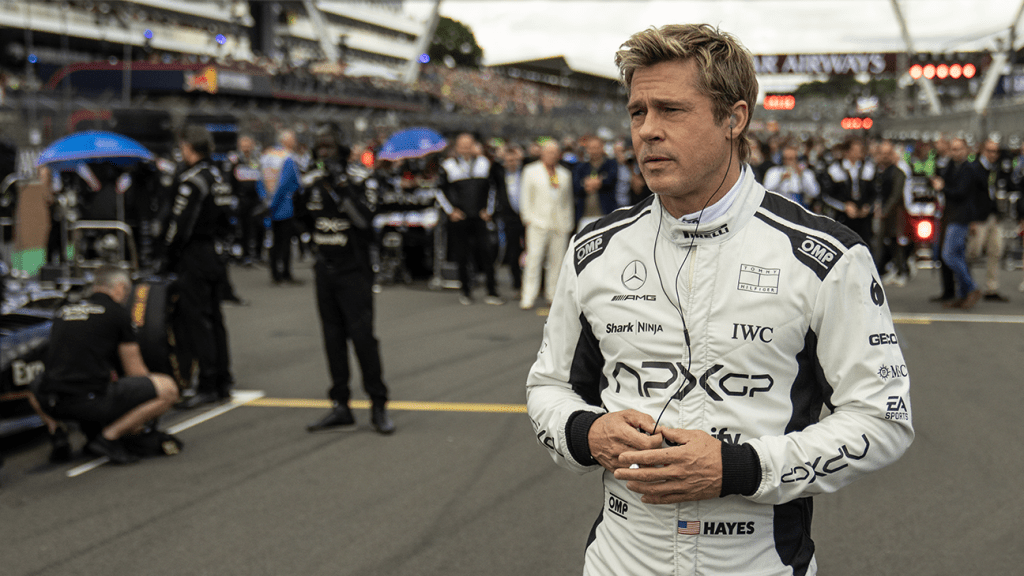
The biggest surprise of the morning had to be F1’s ascension to Best Picture nominee. While it was expected to pick up some below the line nominations, when it was named in Editing, I called out that the category was normally a Best Picture precursor and that F1 taking one of the 5 slots was odd. It turns out that The Academy has a higher “dad” contingency than I assumed and they were able to power the film into the top category.
Not to let it fall through the cracks, but One Battle After Another was not shut out or anything. While Chase Infinity was denied an Actress nomination to make room for Kate Hudson in Song Sung Blue, 13 nominations is still nothing to be ashamed of, and it still must be considered the favorite to have the biggest night on March 15.
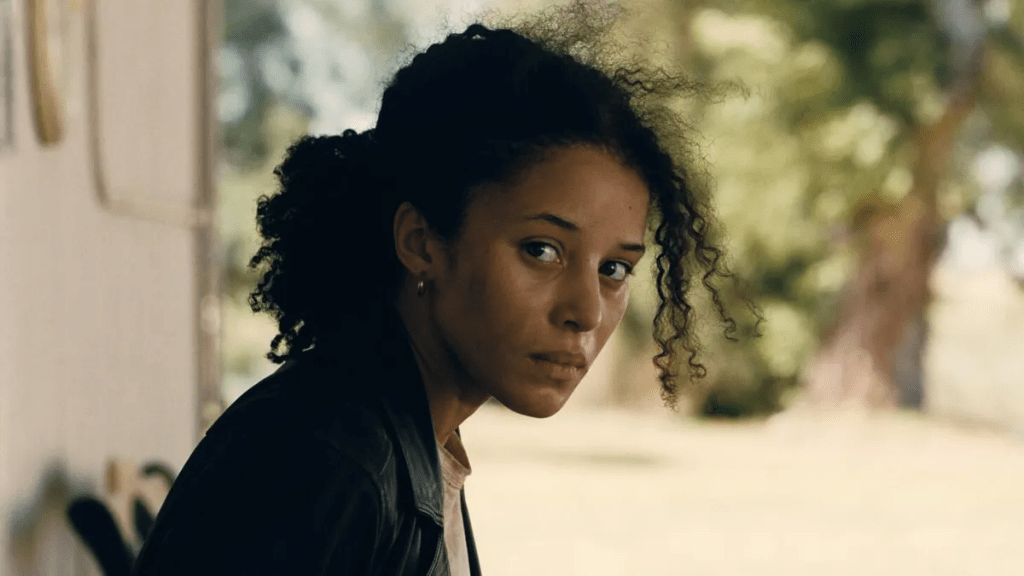
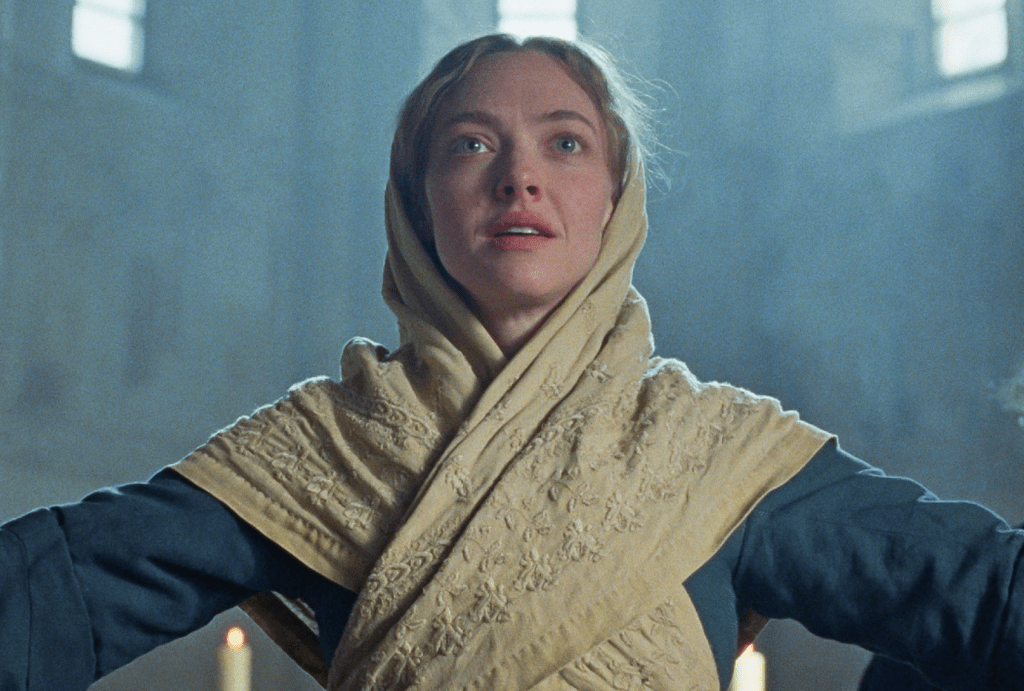
While I didn’t have much hope for Amanda Seyfried or Mona Fastvold getting recognition for my favorite film of the year, The Testament of Ann Lee, when the film was not mentioned in Costume, I knew that my disappointment would be greater than anticipated as it was destined to walk away without a single nomination.
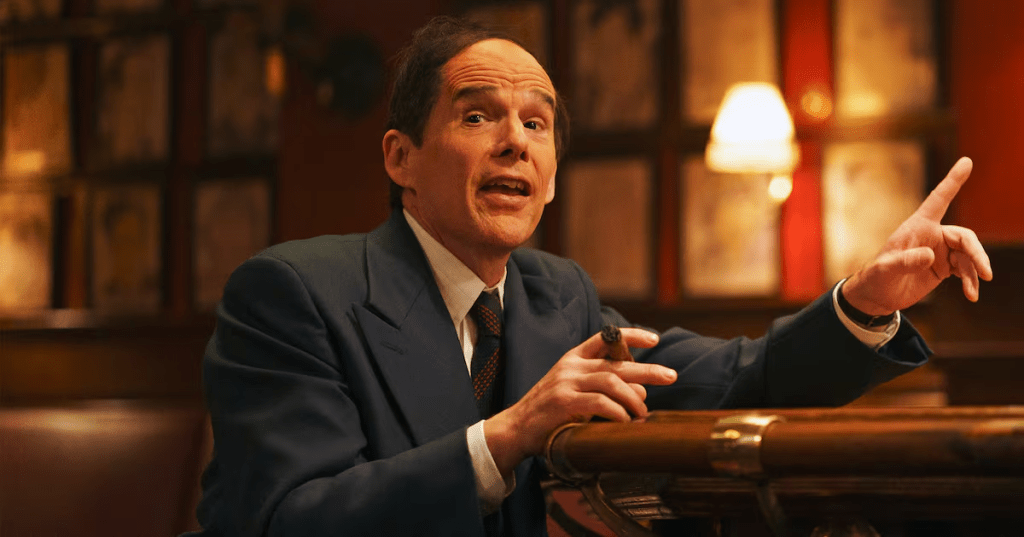
While Blue Moon was extremely likely to get an acting nomination for Ethan Hawke, it also receiving an Original Screenplay recognition I found well deserved if unexpected.

What was expected was that Diane Warren would pick up her 17th nomination (and 9th in a row) for best original song, though between the juggernaut that is Golden (KPop Demon Hunters) and dark horse I Lied to You (Sinners) she will go another year without adding a trophy to her shelf.
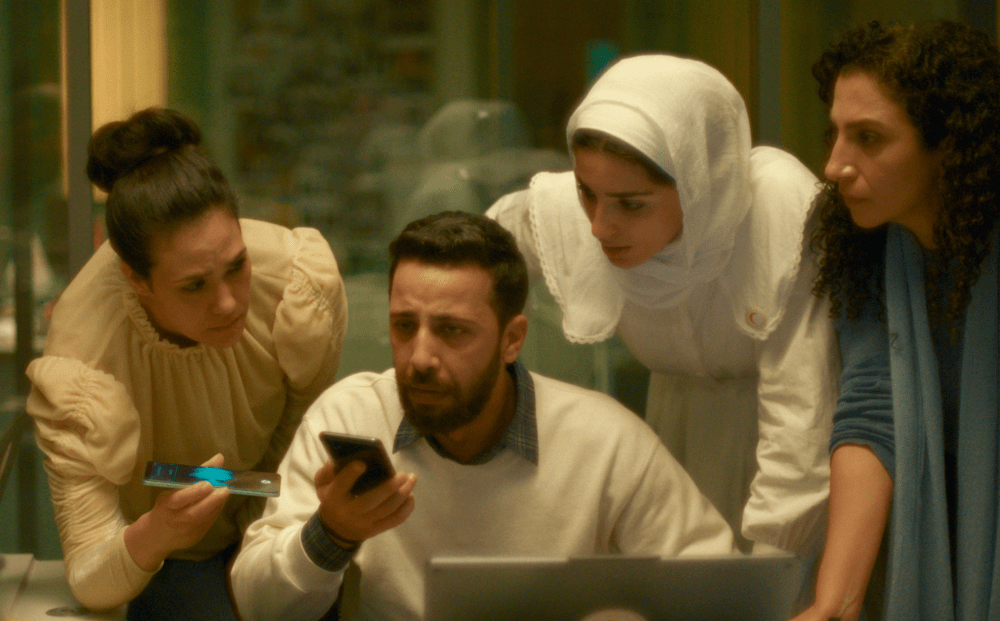
International feature had a bit of an upset as The Voice of Hind Rajab overtook No Other Choice for the 5th slot denying Neon the 5 for 5 sweep of the category. I’m happy that it made the cut even though I have not yet had a chance to see it. Since Put Your Soul on Your Hand and Walk wasn’t in real contention for Documentary, it is nice to see The Voice of Hind Rajab get recognition to keep the world’s eyes on the ongoing genocide of Palestinians in Gaza the year after No Other Land’s historic win.

Almost lost on me was the fact that Wicked for Good was completely shut out of this year’s event. I noticed when Ariana Grande was not announced for Supporting Actress and when it missed Original Song, but it did take me a while to realize that it was completely shut out. Maybe splitting the movie into 2 parts isn’t always the best idea.

Sinners will take every headline this morning and for good reason. Its dominance was exciting to see unfold, and seeing a Black-made, original film with mass appeal go into the record books as the most nominated film of all time is something to celebrate.
1/21/2026 – The Testament of Ann Lee

In flipping The Brutalist roles with her husband Bradey Corbet, Mona Fastvold creates a feminine take on America’s poisonous soul that destroys creative or enlightened immigrant when they attempt to place roots here. While Corbet’s turn to direct focused on a fictional architect who felt convincingly real to the extent that many people questioned if he was, Fastvold’s The Testament of Ann Lee depicts a real person who feels too fantastical to believe.

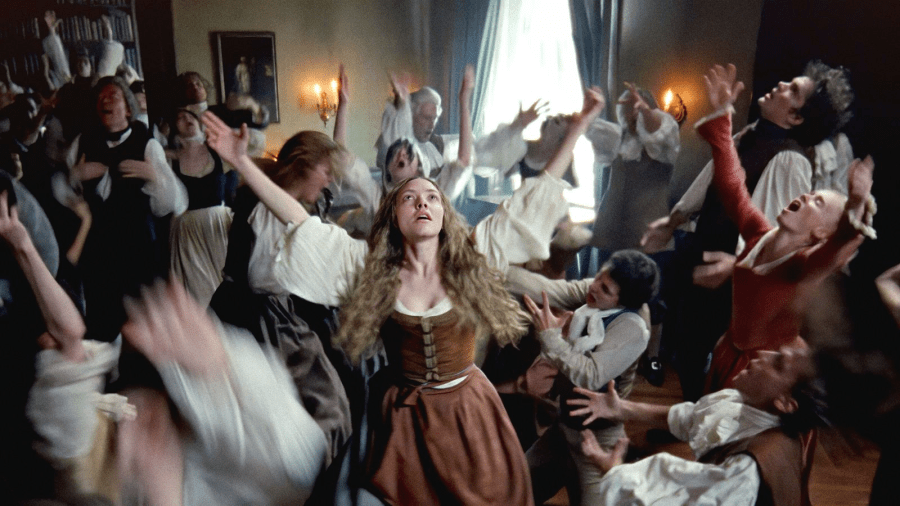
Amanda Seyfried plays the titular religious leader as a wide-eyed, curious, and approachable mother to her congregation. Despite her position atop the Shaker movement and the proclaimed second coming of Jesus Christ she doesn’t seek power, has no interest in controlling her followers for personal gain, and truly only wants to spread her beliefs and visions for the benefit of others. While some may criticize Ann Lee’s perpetual purity as the film lacking character development in its protagonist, in my opinion, that was not Fastvold’s goal. The film is less about the life of Ann Lee and instead about the bliss that she brings her believers as well as the world’s refusal to allow something so pristine and genuine to exist.

The Testament of Ann Lee takes no definitive position on the woman and the Shaker’s position that she was the rebirth of the messiah, though I have seen some critics impose their own assumptions of this crux of the film. While I assume that Fastvold is not personally a Shaker with those beliefs – the film’s credits inform that the Shaker movement is down to only two current believers – but to Fastvold’s purpose Ann Lee is a perfect symbol of the good in humanity for contrasting against the rigid and unaccepting world.

Not only does Ann Lee represent a purity which the patriarchal world she was a part of, that we still are a part of, feels compelled to destroy. It instinctively despises and uproots such a feminine ideal before it can spread or thrive. This femininity is not solely expressed by the gender of the film’s protagonist – though the 18th century Sharkers not only allowing women to preach but lead their church was a level of progressive feminism that it would take literal centuries to return – it is also expressed in the filmmaking. The Brutalist shot in gorgeous 70mm was a feast for the eyes though as the title implies, the views were rather brutal with lots of harsh lighting clearly showing every inch of László Tóth’s architecture. The Testament of Ann Lee was also shot in 70mm, yet it has a completely different feel to it. Instead of the harsh lights that consume the former’s film, Fastvold’s picture is lit with warm candlelight and creates a much more welcoming demeaner.

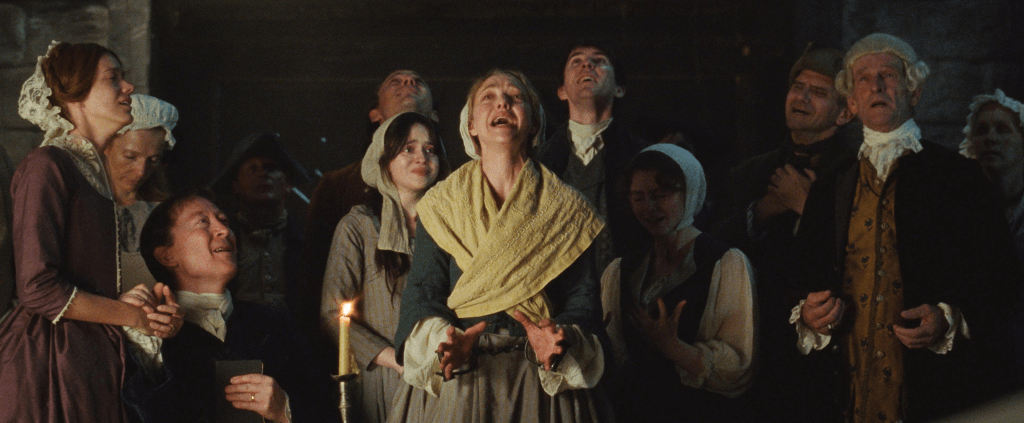
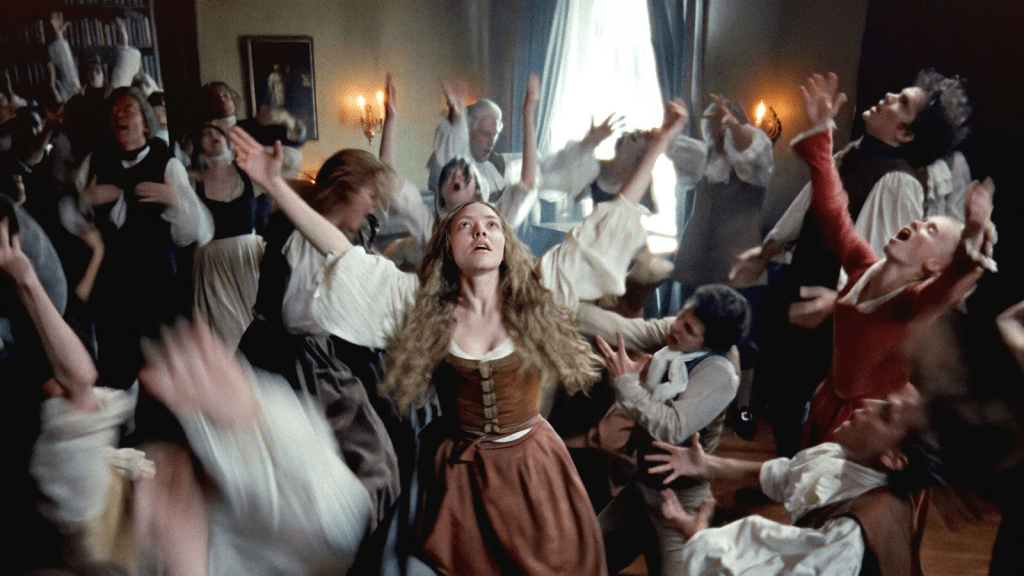
Though arguably the directorial decision that marks the film as the feminine alter ego of The Brutalist is that it is a musica, though not a traditional one. The film is peppered with the Shaker’s worship sessions, all of which include music and dance. Celia Rowlson-Hall’s choreography for the film is brilliant as different worships flow from improvisational (at least in appearance) to showy structured moments flawlessly. While the scene scored to “Worship” shows this fluidity the clearest, the “All is Summer” prayer on the boat to America is the standout. Fastvold uses Rowlson-Hall’s choreography with cuts between seasons to create a mesmerizing, singular number.

In addition to Rowlson-Hall’s choreography, these musical and dance moments fully succeed because of the contributions by composer Daniel Blumberg who is fresh off his Oscar win from, as one might guess, The Brutalist. His score uses the bones of actual Shaker hymnals to create the soundscape that floods the majority of the film. He taps into the inherently rhythmic essence of the Shaker’s prayers to propulse the film forward. Each individual aspect of The Testament of Ann Lee builds it into a pure cinematic experience. Blumberg’s score, Rowlson-Hall’s choreography, William Rexer’s cinematography and Fastvold’s direction all blend together into a singular piece worthy of one of the Shaker’s three-day marathon prayer partie