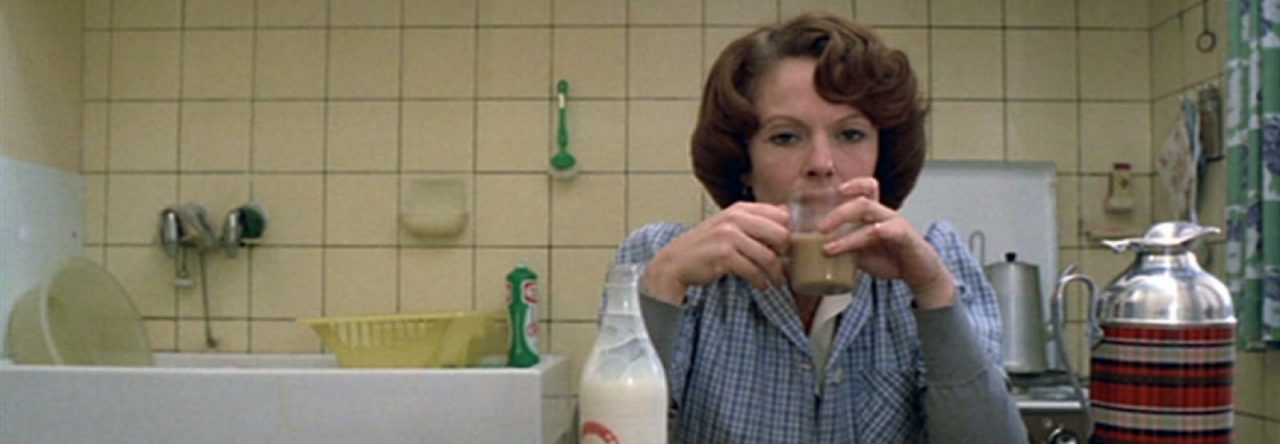

While technically a re-watch for me, it has been 15 years since I last saw Tarsem’s The Fall, and this was my first chance to see the eye blindingly gorgeous film in 4K. Shot on location in 28 countries over the course of 4 years with next to no computer effects, The Fall is the quintessential cinematic passion project where quality trumps everything else.
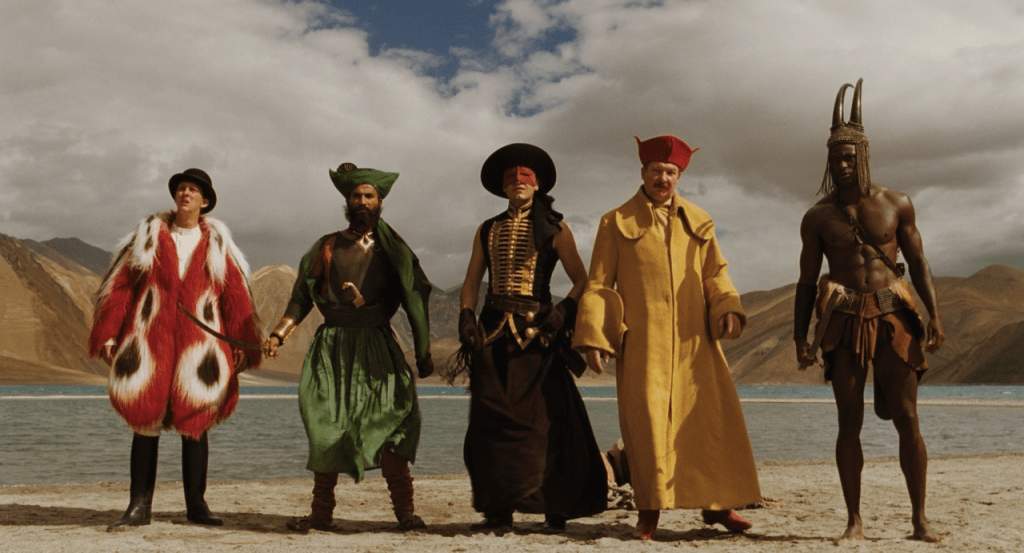
Staring the young Romanian 6-year-old actress Catinca Untaru in her only feature role as Alexandria a patient in a hospital with a broken arm, and Lee Pace as Roy, a bedridden stuntman who she befriends, The Fall is a touching story of collaborative storytelling and the power that it holds over those who tell and listen to it. When Roy inadvertently receives a message that Alexandria threw out a window to Nurse Evelyn (Justine Waddell) she becomes quickly enamored with him and he feels as though through telling her a story, he might be able to use Alexandria to steal morphine for him. Through this initially transactional relationship, Alexandria eventually penetrates Roy’s depressive, nihilist mood as together they shape his fantastical story.

Tarsem employs a filming technique with Untaru that can easily backfire but works excellently in the film. Most of Untaru’s lines were unscripted, instead she was put in the scene with Pace and her natural reactions were what was used. Pace was even kept in the faux hospital bed for entire shooting days so that Untaru would believe that he was actually unable to walk. This leads to an unprecedented naturality in the young girl’s performance, and the occasional trailing off and losing of the thread is an acceptable tradeoff for the genuineness of the performance.

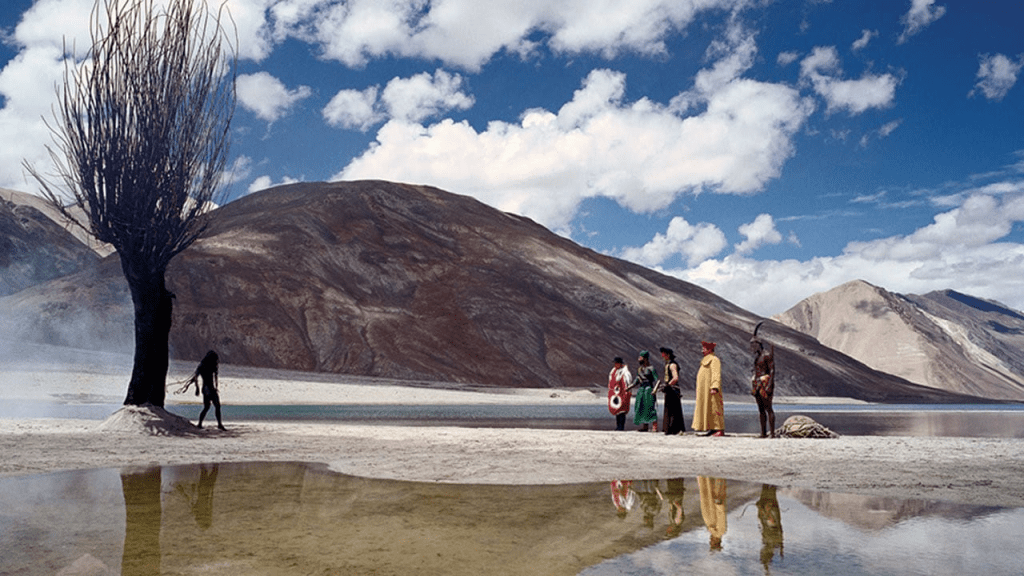
While the story and acting in The Fall are both very good, it would be disingenuous to call either the highlight of the film. Colin Watkinson’s photography, Robert Duffy’s editing, and Eddy Pearce’s location scouting are unmatched and should be studied for the rest of cinematic history. Tarsem used no sets or stages in the creation of the film, every single shot needed to be shot on location, including a South African mental hospital as the early 20th century Los Angeles hospital that most directors would be fine staging. Rather than resulting to any trickery, Tarsem would go to lengths of providing locals of the blue city Jodhpur with fresh paint so that the shots would pop rather than perform post shoot color collection. In reference to the editing, The Fall has the single most impressive fade that ever captured on film as seen below.
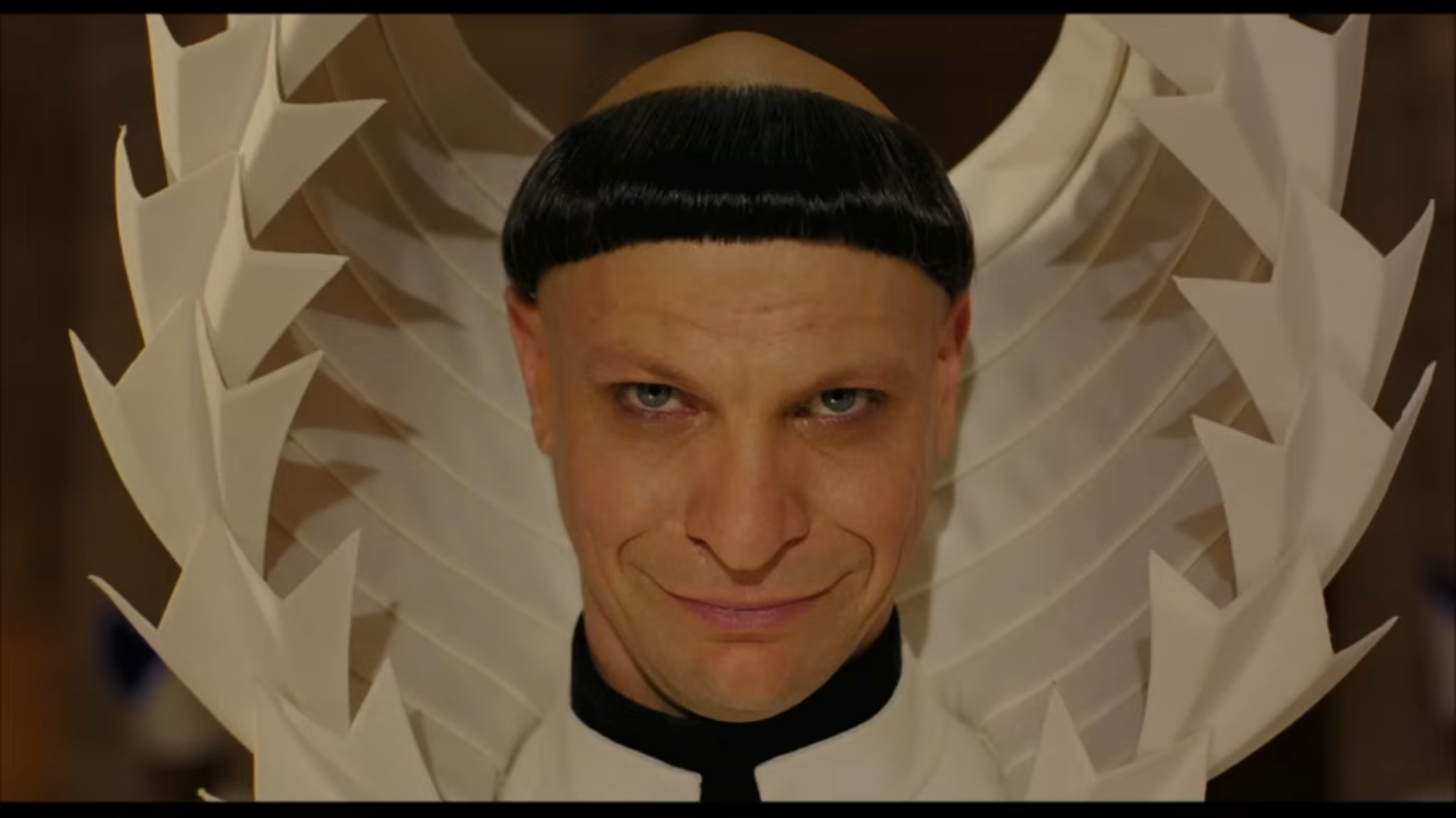


In the nearly 20 years since The Fall was released Tarsem’s nightmare for the state of movies has largely come true. Most movies these days tend to be shot entirely on green screens with each frame being shot wide and lit flatly so that computers can easily fill in all the empty space. Because of this, Tarsem’s visual masterpiece has grown in importance throughout the years, and the film which had notoriously been impossible to see previously now has an immaculate release as home viewing technology has evolved enough to truly appreciate The Fall’s beauty.










 Woman With A Movie Blog