A 2021 Film Journey: Day 71

Another quick one tonight. Even with it being a Friday night, I’m too exhausted after a long work week to make it through more than one film tonight. Even with only one film watched, tonight I pass the halfway point for watching the Oscar best international film shortlist (8 of 15). I won’t be able to quite finish them this weekend, so any I miss that don’t end up with a nomination may fall off my radar, but I’m happy with the large chunk I’ve made it through thus far.

Quo vadis, Aida? (2021, Dir. Jasmila Žbanić)
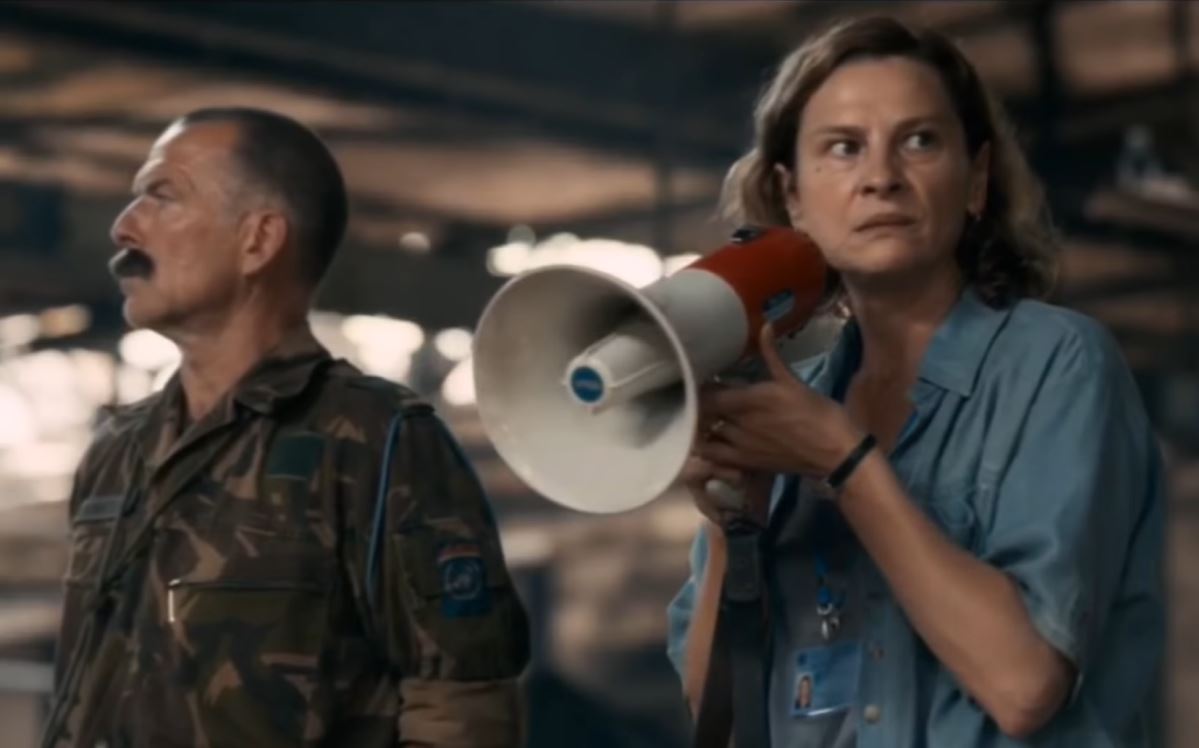
Quo vadis, Aida? / Italia / aree / Home - Osservatorio Balcani e Caucaso  Transeuropa

That was a downer of a way to end a week. Quo vadis, Aida? chronicles the moments leading up to the Srebrenica massacre from the eyes of a UN translator and native Bosniak Aida (Jasna Đuričić). When the Serbian army shows up to the UN compound, Aida must balance her obligations to her job cordially translating for those who would bring her people harm with her dedication to her husband and sons. What starts as a dry war drama quickly devolves into a devastating depiction of the extremes of a mother’s love.

While not exclusively told from her point of view Aida’s presence is felt in every moment of the film. Đuričić makes the most of the extensive camera time. As the inevitability of the impeding genocide becomes more apparent, she loses her professional demeanor and becomes frantic in her body language. This performance is punctuated by the mostly dialogue free coda. The film drops the intensity and instead becomes hauntingly calm. Đuričić depicts Aida a stone faced and broken while forced to move on in life while being completely unable to in practice.

A 2021 Film Journey: Day 70

These opening sentences are getting a little redundant. Today I’m once again treating myself to a film from the international feature Oscar shortlist. The only thing that separates today from yesterday is that I did find time today to watch a documentary short from that shortlist after. Regardless, I’m going to keep writing these introductory paragraphs for now, but I will be allowing them to get shorter if there’s not much to say.

Charlatan (2020, Dir. Agnieszka Holland)

Charlatan' Review | Hollywood Reporter

I don’t feel like I have a good grasp on how to access Charlatan from a narrative standpoint. The story of Jan Mikolásek feels like it should be told fantastical. A man with a supernatural heeling power who can diagnose any patient through their urine should be larger than life, but the film is aggressively grounded by its nature as a biopic. Given the grounded tone of the film, I feel the film must play better to a demographic of people who know of Mikolásek going into the film.

From a filmmaking standpoint, Charlatan succumbs to the standard biopic pitfall. In trying to tell Mikolásek’s entire life in two hours, the film becomes little more than an episodic collection of scenes from a man’s life. The framing device of him explaining it to his lawyer while incarcerated does little to tie each individual scene together. The film adequately tells the life story of a man but has no cohesive artistic message. It’s not a bad movie; it just lacks anything special and plays out like any other biopic.

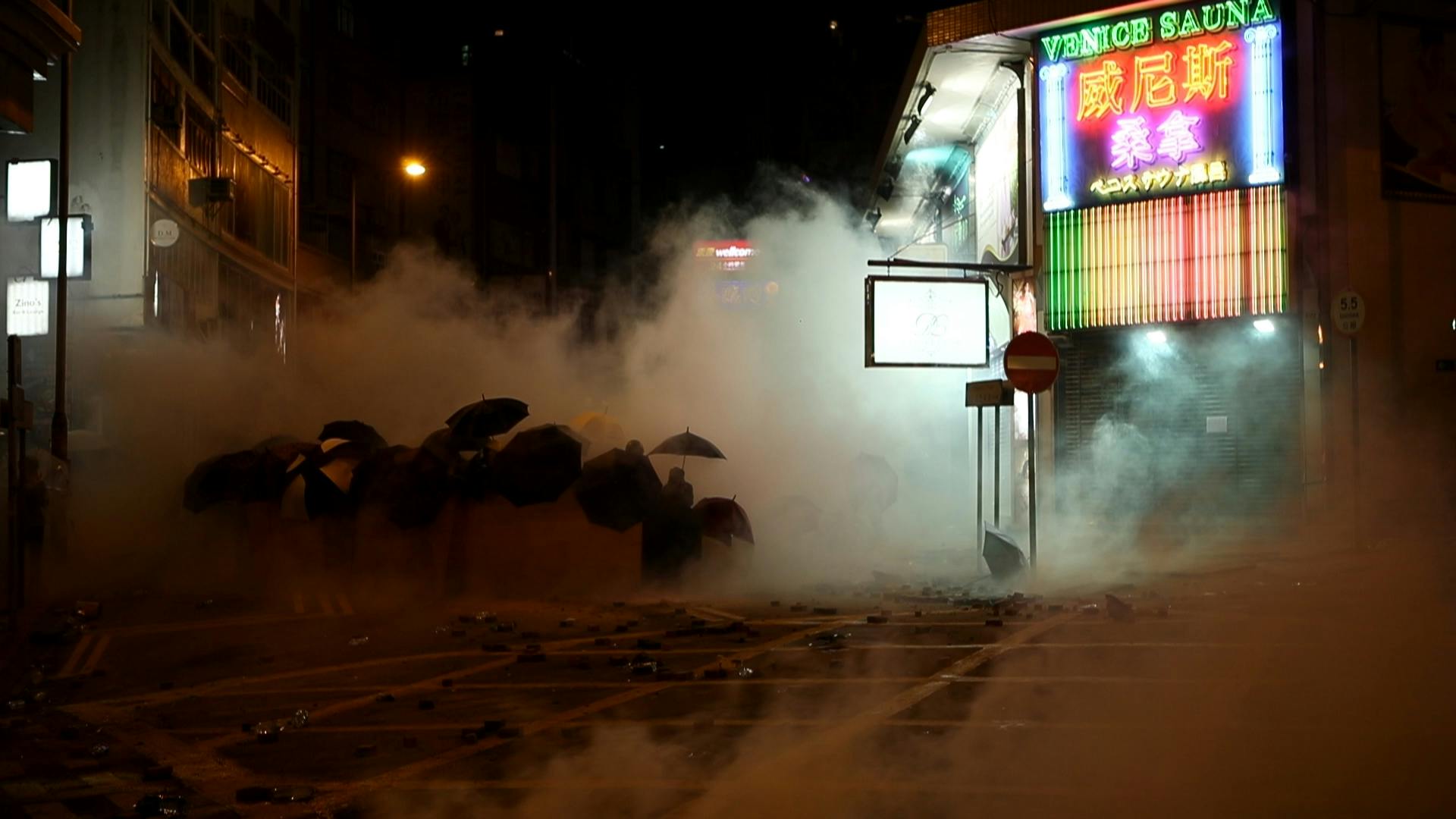
Do Not Split (2020, Dir. Anders Hammer)

Do Not Split

Tonight’s documentary short stands in stark contrast to the film that preceded it. Do Not Split was a film with a very distinct style and thematic message. The film captures the Hong Kong protests from late 2019 from a filmmaker on the front line with the protesters. The film is brutally honest in its portrayal and creation. Any interviews are taken on the streets and oft interrupted rather than staged far away from the topic. If I’m being honest, this film meshes with me politically in a way that makes it difficult to be completely objective about it. I can acknowledge that the score was a bit over the top melodrama but having spent much of last summer at police protests of my own I got overly invested in the protesters on screen.