Varda Replies 1971 – 1980

Sorry about the long delay between segments, anhedonia is a terrible thing and has prevented me from engaging the way I wish I could. But I’m hoping that some brute force can get me back in the swing of things.

The 1970s were a less prolific period of time for Varda, but in the pieces she did put out, she strongly developed her cinematic voice, filling the films with motifs that may have been in their infancy in the periods before, but starting these years sprout and will continue to flower through the years to come.

Nausicaa
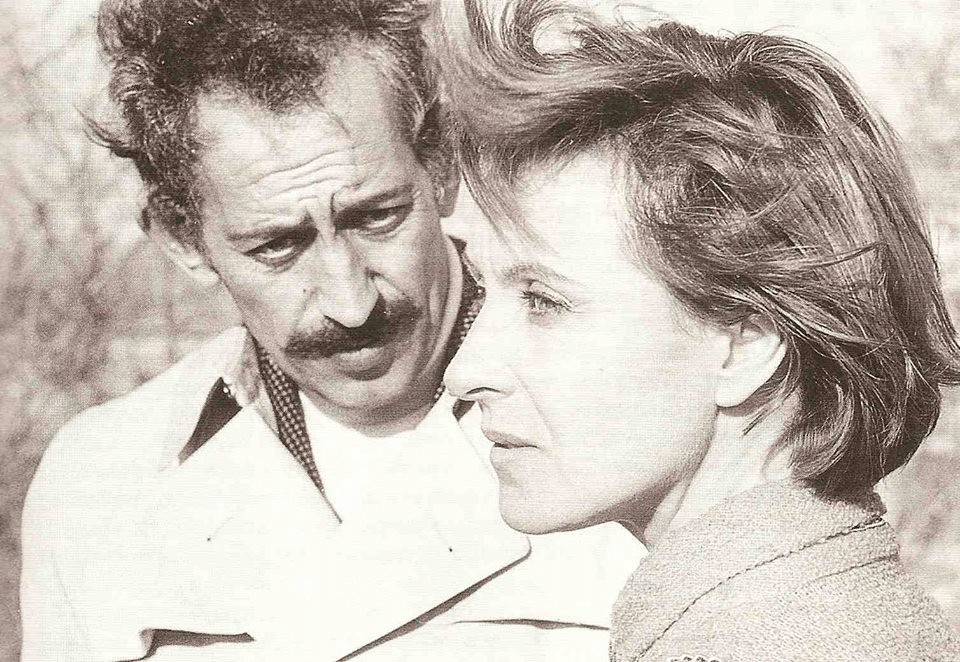
Another unfinished project, but while in previous unfinished projects we only received clips and voiceover, Nausicaa was mostly complete, it was just missing its post-production. What exists of the film is a semiautobiographical picture of a women who falls in love with a Greek refugee after a right-wing coup took over the country. Nausicaa plays into many of Varda’s themes, left winged politics, mixing narrative with documentary, fourth wall breaks where characters talk directly to Agnes. While it may lack some polish, the film encapsulates many of Varda’s motifs and is a great summary of her work.

Daguerrotypes
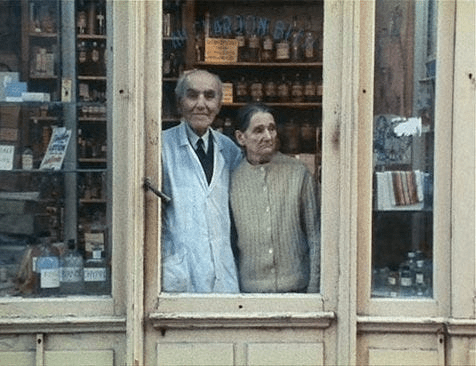
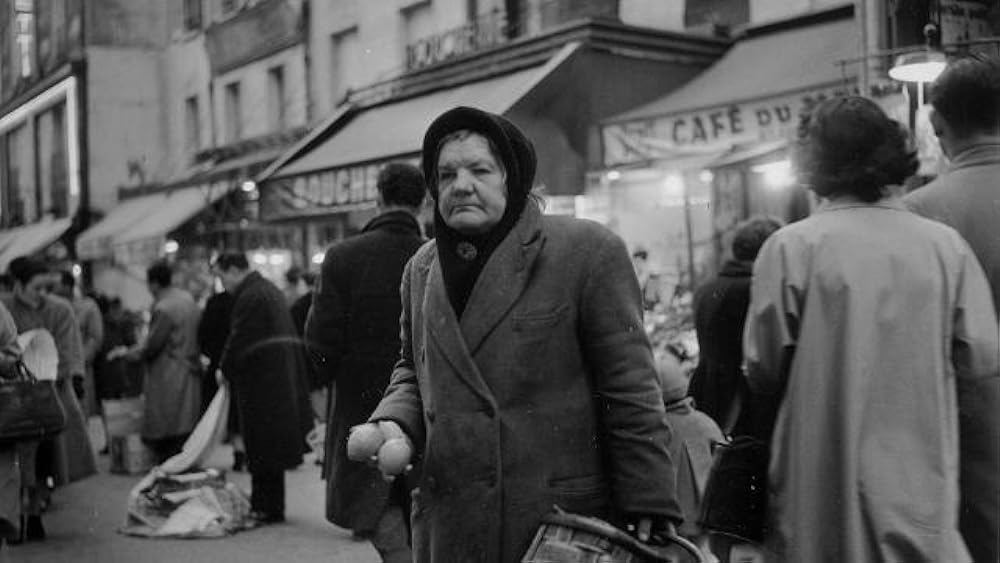
One of Varda’s naval gazing films, Daguerrotypes is an innocent exploration of the shops 50 feet from Varda’s front door. This film encapsulates one of Varda’s tendencies to find magic in the mundane. She makes this extremely evident by juxtaposing people doing their job with a literally magic show. Varda finds something worth filming wherever she goes, and this theme will continue into later films.

Women Reply

A short film all about women’s empowerment. While viewed under 2024 lenses it comes off as rather transphobic as much of the film was about possessing a woman’s body and giving birth, the line that stood out, that I’d like to think was Varda’s intention was “Being a woman means having a woman’s head too”.

One Sings the Other Doesn’t

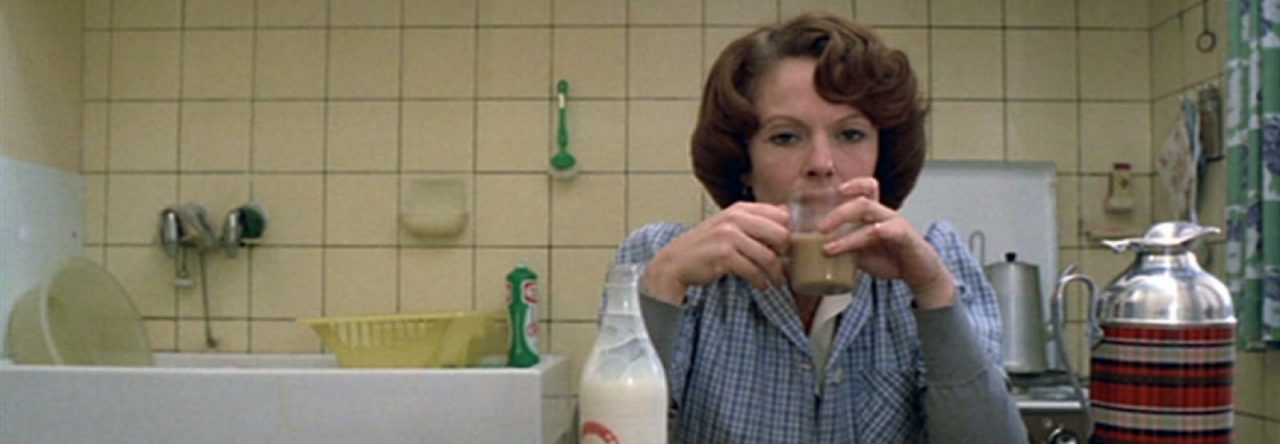
The clear highlight of the decade, One Sings the Other Doesn’t is Agnès Varda’s pro-abortion film, a message which sadly hits just as hard today. Staring two lovely women as leads Apple (Valérie Mairesse) and Suzanne (Thérèse Liotard) two friends who come into and out of each other’s lives frequently involving abortions or childbirth. The film embodies a womanly warmth as groups of women give what little they have in order to make the other’s lives easier. Even the most melodramatic of plot points feel slight and manageable because of the power of womanly friendship.

The Pleasure of Love in Iran
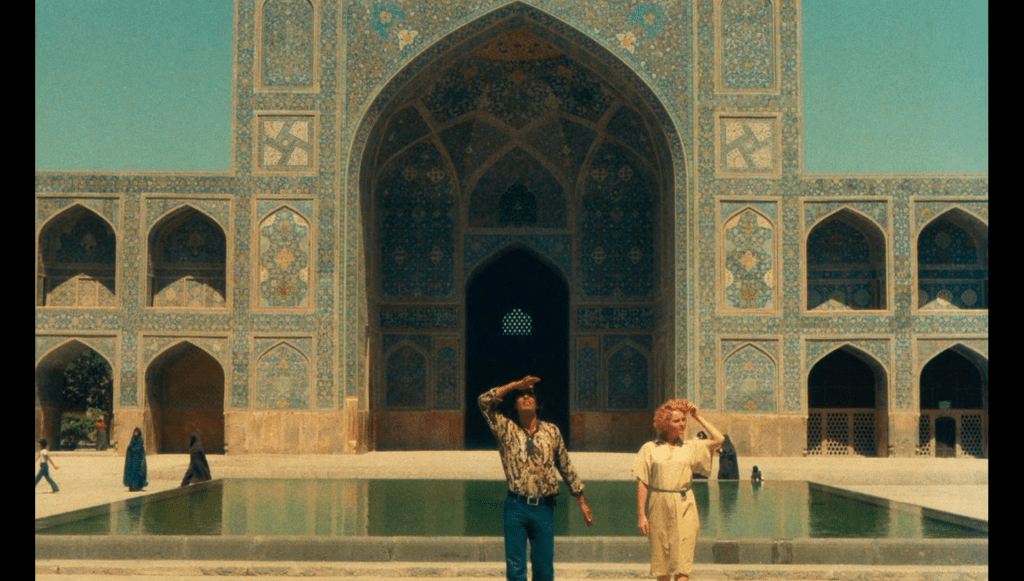
What is essentially a deleted scene from One Sings the Other Doesn’t, The Pleasure of Love in Iran briefly expands upon the budding relationship between Apple and her Iranian partner Darius (Ali Rafie). The love between the two young romantics is mirrored in the country as they explore it’s beauty.


While the first two films this week were largely about Varda herself (a topic she will return to again and again in the later part of her career), The last three films create the overarching theme for this decade. Varda was extremely interested in the passion that Women have for others, and in particular other women. One Sings the Other Doesn’t is the clear standout of the 70s and exemplifies this theme the best. The relationship between Apple and Suzanne is representative of the bond between women, especially when they’ve experienced something unpleasant together, and the power that women can behold when working together.

Panthers Roses (… and Varda) 1966 – 1970

In this period, Varda’s far left political leanings were at the forefront of her filmmaking. Between documentaries about leftist figures, filming the Black Panther movement, and a combined effort on North Vietnam, she left no secret as to who she believed was fighting for change. She also aligned herself with the Hippie movement in Southern California during this time.

The Creatures

A film about the creative process, Michel Piccoli plays a writer who with his mute wife (played by the marvelous Catherine Deneuve) take up residence in an old fortress on a sparsely inhabited island. While they keep mostly to themselves Piccoli does enter the village from time to time to pick up food and plenty of wine, but his real motive is to observe the locals for inspiration for his next writing project. The film uses checkered patterns as a motif throughout which come into play in the end as in Piccoli’s book he sees himself playing a game of chess with the people of the town as his pawns. The film sets out to explore the morality of this, but it does not quite stick the landing. Still another good film by Varda though.

Elsa La Rose

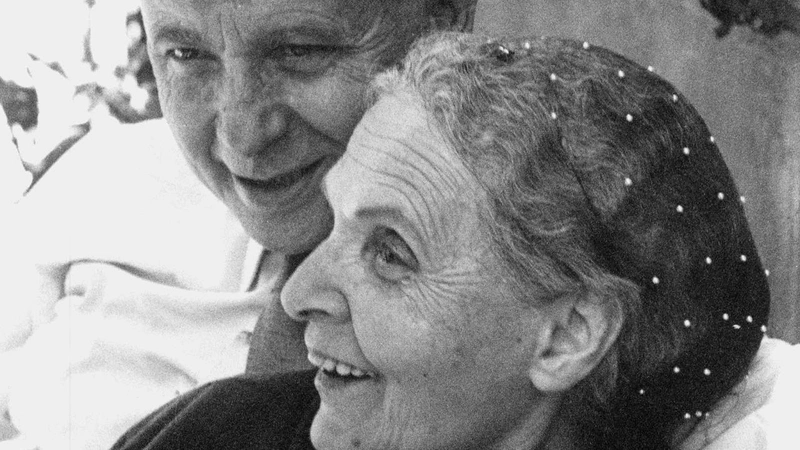
Part of a pair of films she made with her husband Jacques Demy, Elsa La Rose is a documentary short about Elsa Triolet as Narrated by her husband Louis Aragon. Both were prominent communist writers in the day. The film is Louis’s love letter to Elsa where he proclaims “My universe, Elsa, my life.” This does stand in slight contrast with the sentiment we get from Elsa herself where she doesn’t love Louis’s poetry about her because it puts her on a pedestal and diminishes himself in the process.

Christmas Carol

Another unfinished project of Varda’s that the Criterion Channel has saved what little exists over. In 4 minutes of fragments of scenes it’s hard to know what could have been, but it does deal with a trio of friends a theme which would be revisited in Lions Love (… and Lies).

Far from Vietnam

A piece of counter propaganda about the Vietnam War, Far from Vietnam is a collaborative piece between Jean-Luc Godard, Joris Ivens, William Klein, Claude Lelouch, Chris Marker, Alain Resnais, and Agnès Varda, the film explores the North Vietnamese prospective either directly, through the defecting southern Vietnamese, or the various protests in America. It’s unfortunately hard to tell what Varda’s part if any (she’s listed as “Credited only” on IMDB) is in the film to compare it to the rest of her oeuvre.

Uncle Yanco

The first of Varda’s California pieces, Uncle Yanco is a personal piece about Agnès meeting her Uncle Jean (Yanco) Varda. The short explores Agnès’s ancestry as narrated by Yanco, as well as Yanco’s hippie lifestyle in the “Aquatic suburbia” in which he lives. A loving tribute to the artist who proclaims “Hell is doing what you don’t like to do”.

Black Panthers

One of Varda’s most conventional film, Black Panthers is a documentary short exploring the organization of the same name as they rally for the release of one of their head members Huey Newton who was accused of shooting a cop even though no witness ever saw a weapon in his hand. The documentary fits with the far left politics that Varda has prescribed to and is powerful in its portrayal of the movement.

Lions Love (… and Lies)

Varda introduces Lions Love (… and Lies) as “the utopia of success without the effort of work” which equates to two hours of hippie bullshit, but I say that in the most affectionate way. Staring Viva of Andy Warhol fame, the film follows her and the two men in her throuple as they lackadaisically frolic through life, only to have to contend with reality when Bobby Kennedy and Andy Warhol are shot the same week their house guest Shirley (played by director Shirley Clarke) overdoses on sleeping pills. Though scripted, the film is most curious about being a fly on the wall of the hippie movement during that tumultuous time.


While 1963’s Salut les Cubains may have been the start of Varda’s fascination with far-left movements, the late 60s was when she made it her obsession. Excepting The Creatures, and possibly the unfinished Christmas Carol, every film she made in the later half of the 60s was an examination of far-left culture. A trend noticed in many of her films, is that she likes replicating shots of important moments, especially first meetings, in her film. In Elsa la Rose for example, she shoots Elsa entering the bar where she first met Louis 4 or more times to draw attention. Overall what this period in Varda’s filmography lacked in compelling narrative features it gained in meaningful documentary work.

Early Varda 1955 – 1960

The first or even prototype French New Wave film, an experimental film about pregnancy, two infomercials for French tourism, a scene from an otherwise un-shot film, and a missing piece of cinema history make for an invigorating start to the photographer turned film director Agnès Varda.

La Pointe Courte

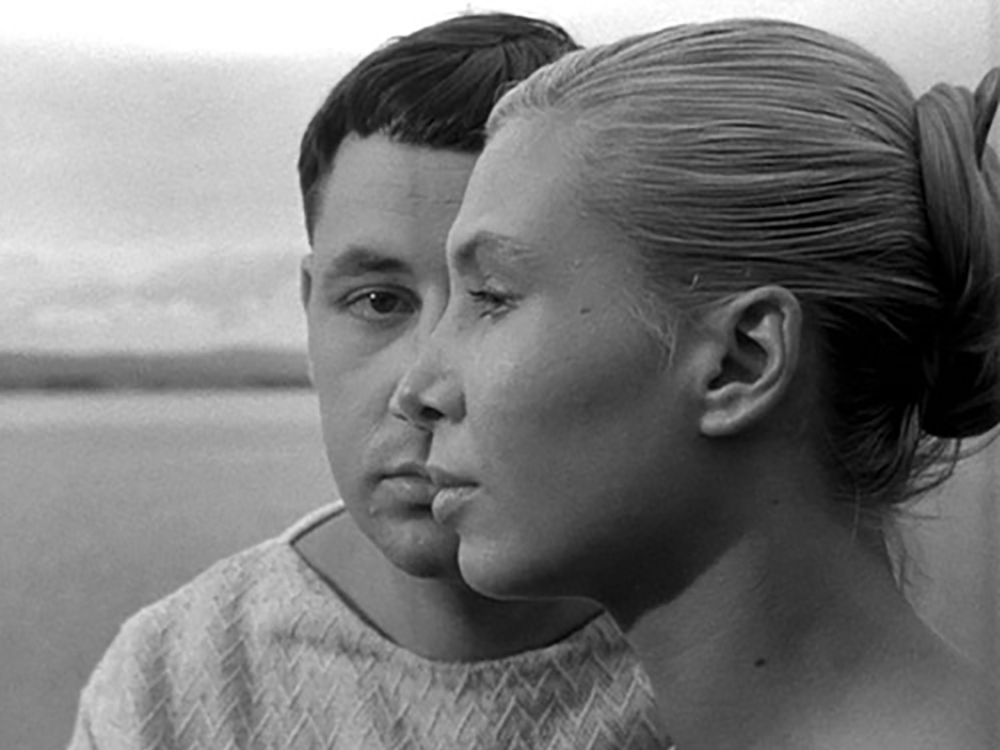
Coming out 3 years before the French New Wave officially began with Claude Chabrol’s Le Beau Serge (at least according to Wikipedia) it is hard to deny that Varda did it first. La Pointe Courte is a film in two parts: a pseudo-documentary about fishers in the Pointe Courte fishing sector of Sète, and a married couple contemplating their marriage. The documentary plays out very cinéma verité style, just observing the men who do the fishing and the women who help from on shore. This style stands in stark contrast with the highly stylized uncanny feeling of the married couple. They deliberate the merit of their marriage not like a married couple but rather like philosophers questioning what it means to be married.

L’opéra-mouffe

L’opéra-mouffe is an experimental film that Varda shot while she was pregnant and living in Paris. In the film she captured the high highs of joveul drunks to the low lows of people freezing to death on the street. She juxtaposes those images along with matching score. The film for all its disparate  parts has a theme that is capitalized by the recurring appearances of the lovers, two naked bodied actors in love.

Ô saisons ô chateaux

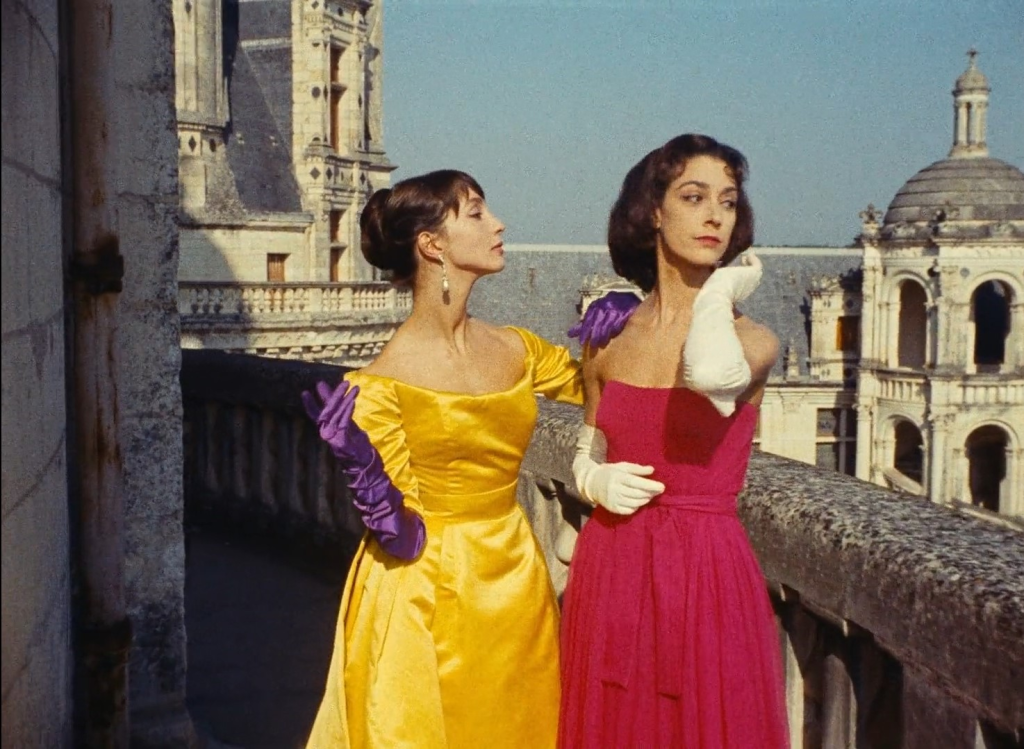
Varda’s first bit of commercial film making saw her creating a tourist video showing the Loire Valley castles. Juxtaposing the ancient castles with a contemporary jazz score brings life to the old buildings. Adding to that local models Varda elevates a simple commercial to something reminiscent of a classic musical.

Du côté de la côte (aka Along the Coast)

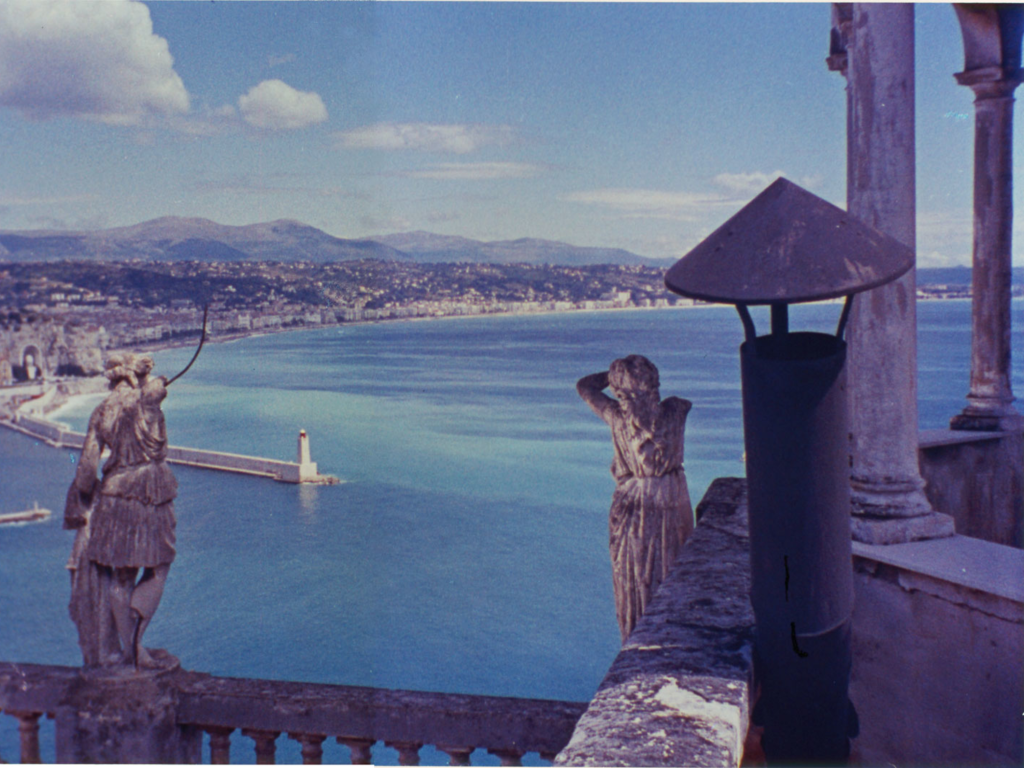
If Ô saisons ô chateaux was Varda experimenting what was acceptable in her for hire commercial work, Du côté de la côte was her seeing what all she could get away with. While apparently selling the idea of tourists coming to the French Riviera, she immediately disparages them by calling them “Imported Sleepers”. Varda does take time to focus on the beauty of the region, but juxtaposes that with images of the tourists engaging in only the most basic of attractions, all while focusing on their fashion more than the beauty around them. Dissatisfied with just commenting on the tourist class, Varda takes a vicious stab at the bourgeoisie who keep the Riviera’s greatest beauties locked behind private gates, whose dead get to experience a greater beauty of the area than the alive tourists.

La Cocotte d’azur

Lost media. While rumors are that a print still exists somewhere in France, it is not available for public viewing under any methods.

La Mélangite

Set to be Varda’s second feature, funding fell through and all that exists is a single audioless scene. The Criterion channel shares this scene with commentary from Varda herself on what the film would have been.


Even from the beginning Varda was showing her potential to be one of the greatest filmmakers to ever pick up a camera. Her first feature arguably started the French New Wave movement, and her two travel commercials showed a humorous voice and disdain for the bourgeoisie that would stay with her for the rest of her life. As a filmmaker her prior experience as a photographer really shines. She has an eye for what will look good on the camera and captures that, even when it’s not the people talking. La Pointe Courte may be a hard place to enter Varda’s filmography, especially for those unfamiliar with the French New Wave, but that difficulty shows a lot of skill. Those looking for the easier entry into Varda will have to wait for next week.

A 2021 Film Journey: Day 11

I still have a handful of 2020 films I want to watch, and I was planning on watching at least one today, but sometimes life changes plans for you. Much of my afternoon instead of watching a new movie, was spent huddled away from screens with a severe panic attack. After a couple hours of crying, I needed a film that would feel more like a hug than anything else.

The Gleaners and I (2000, Dir. Agnès Varda)

SPOTLIGHT: Agnès Varda: The Gleaners and I

Settled on the couch with a bunch of blankets and two cats covering me, though ironically not my cat Varda named for the director, I turned on the largest blind spot I have from one of my all-time favorite directors The Gleaners and I. I have infinite I could say about Agnès Varda, and I’m sure that I will say quite a lot over this year (her complete works is the blu-ray box set I was alluding to in yesterday’s post).

For today between the residuals of the panic attack, and in service of having more to say when I watch future Varda films, I want to just touch on what she does that makes her arguable the greatest documentary filmmaker of all time. When she picks a topic on which to make a film, she doesn’t just tell the story of the topic. Instead, she tells the story of her learning about the topic. By injecting herself into the topic, she prevents a story on food waste from becoming dry or preachy. Her personality and love for other humans is capable of elevating anything. It’s just such a joy to have her behind the camera.