The Best Films of the Decade: Part 3

I realize that I’m a few months late in posting this list, but I put it off trying to catch up on some films and then I felt it was too late. Three weeks into quarantine, and I’ve finally found the time and motivation to put together my list.

Part 1. Honorable Mentions 101-150 (in alphabetical order)
Part 2. 100 – 91
Part 3. 90 – 81 (below)
Part 4. 80 – 71
Part 5. 70 – 61
Part 6. 60 – 51
Part 7. 50 – 41
Part 8. 40 – 31 (coming soon)
Part 9. 30 – 21 (coming soon)
Part 10. 20 – 11 (coming soon)
Part 11. 10 – 1 (coming soon)

  1. Leave No Trace (dir. Debra Granik, 2018)

A movie that I really enjoyed this decade but didn’t quite make the list was Matt Ross’s Captain Fantastic (2016). That film was a comedic take on father who raised his children completely off the grid. Debra Granik’s Leave No Trace cuts the comedic scenarios to tell something more realistic and heart wrenching. Will (Ben Foster) is incapable of living in anything resembling a society, and has raised his daughter Tom (Tomasin McKenzie) similarly. After getting caught, Tom and Will are temporarily forced into a community. From that point, the film focuses on Tom as she struggles with choosing the life she’s always known, and the only life her father can life, or belonging to a community.
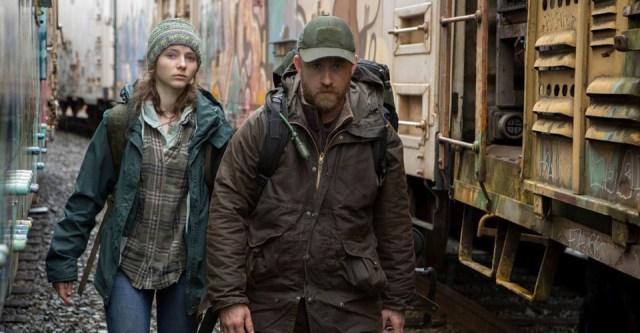
090 Leave No Trace

  1. You Were Never Really Here (dir. Lynne Ramsay, 2018)

The first of Lynne Ramsay’s two films of the decade to make the list, what her production lacks in frequency she makes up by packing each film with an emotional depth that almost require her films be spaced so far apart. In You Were Never Really Here, Joaquin Phoenix continues to prove that he is one of the best actors working today as he disappears into the role traumatized veteran Joe. Though Phoenix rarely speaks throughout the film, the terror of his life is palpable thanks to his visual acting and Ramsay’s immaculate direction. Essentially what Joker (2019) would be if it was any good.

089 You Were Never Really Here

  1. Burning (dir. Lee Chang-dong, 2018)

2018’s Burning is aptly named as it’s an extremely slow burn.  What appears to be a simple slice of life film slowly evolves into a thriller.  Steven Yeun plays the would-be antagonist perfectly ambiguously leaving much of the thriller components in the lead’s (Ah-in Yoo) head.  Director Le Chang-dong uses atmosphere to further enhance the uncertainty in the film.  Ah-in Yoo is frequently shot enshrouded by fog further emphasizing his confusion.  The entire film is shrouded in mystery visually, narratively, and emotionally.
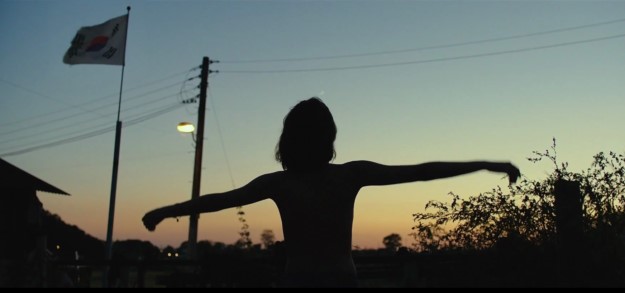
088 Burning

  1. Honeyland (dir. Tamara Kotevska and Ljubomir Stefanov, 2019)

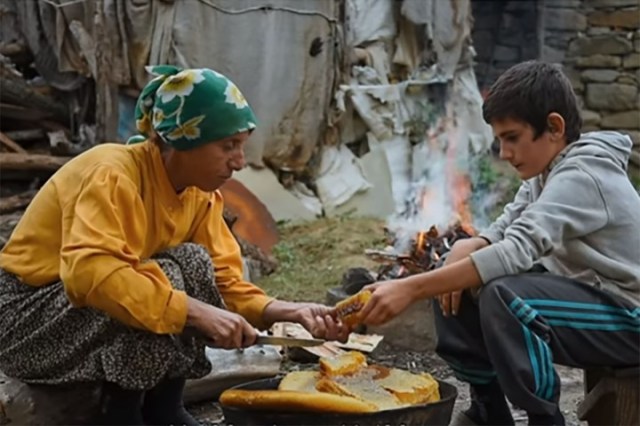
Honeyland is a devastating documentary following Hatidze Muratova, a Macedonian beekeeper whose livelihood is threatened by greedy practices. The tragedy of the tale is that it’s not her greed that threatens her life, but that of her neighbor whom she befriended and taught her business. Honeyland is immersive in its portrayal of Muratova’s pastoral life. Her seemingly banal existence lends beauty to her circumstance but proves all the more heartbreaking when capitalism’s evil takes it all away from her.
087 Honeyland

  1. Krisha (dir. Trey Edward Shults, 2016)

The opening long shot perfectly sets the tone for Trey Edward Shults’s debut feature Krisha. Krisha (Krisha Fairchild) is disheveled as she walks back and forth struggling to navigate the suburban streets of near identical mini mansions. This is not her world, and she is not ready for what’s to come. Meeting with family, many for the first time, after a long absence for a Thanksgiving feast is a shock that she is not ready for, and the memories that are dredged up only make things worse. Through long cuts an eerie score, and perfect sound mixing, Krisha recontextualizes a family drama and terns it into the horror movie that it can be.

086 Krisha

  1. The Kid with a Bike (dir. Jean-Pierre and Luc Dardenne, 2011)

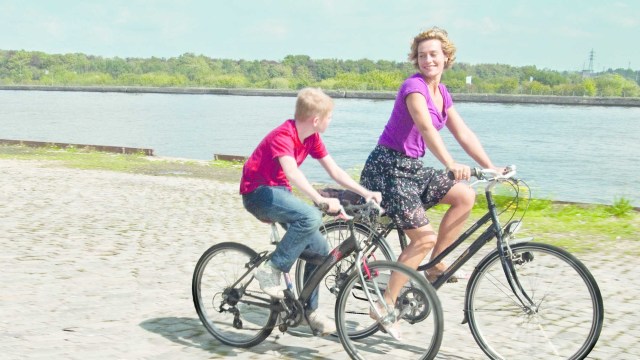
The Dardenne brother’s are masters at making stories of the working class. The Kid with a Bike continues that trend, but expands upon the brother’s motifs by introducing a 12-year-old boy who is a victim of a working class life. Cyril (Thomas Doret) was abandoned by his working class, drunk father and lives in a children’s home. The abandonment has resulted in him acting out and becoming all together difficult. Only through a chance meeting with Samantha (Cécile de France) is he able to find someone to emotionally support him. Strong acting from both leads mixed with the Dardenne’s sentiment resulted in an excellent film.
085 The Kid with a Bike

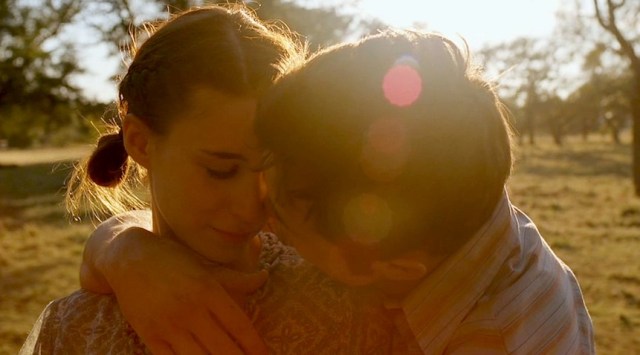
  1. Moonrise Kingdom (dir. Wes Anderson, 2012)

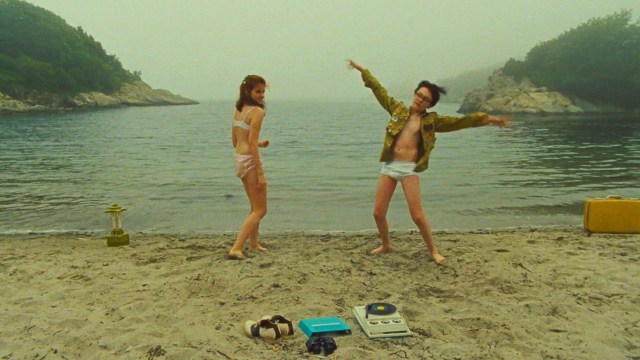
Wes Anderson is at his best when he’s working with children. His precision and whimsy can sometimes verge into the uncanny, but when the audience surrogate is a child, the style is more reminiscent of a storybook. Both child leads, Kara Hayward as Suzy and Jared Gilman as Sam, adapt to Anderson’s heightened dialogue and create an amazing love story. Their story fits perfectly into the storybook that is a Wes Anderson film world.
084 Moonrise Kingdom

  1. The Babadook (dir. Jennifer Kent, 2014)

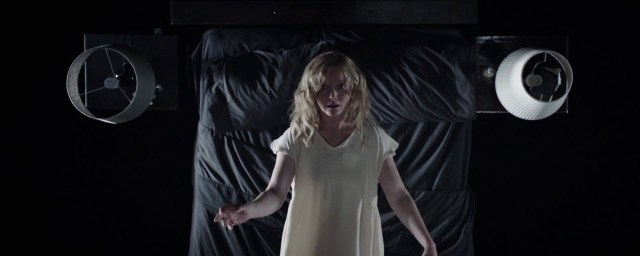
Queer icon and grief monster Mr. Babadook got his start from the Jennifer Kent film titled for him. Horror wearing it’s allegory on it’s sleeve can be a good thing when done well, and Kent is able to effectively create a terrifying experience while still being heavy handed with said allegory. Essie Davis as Amelia perfectly captures the mindset of a woman tortured with unprocessed grief. Noah Wiseman plays her son Samuel and is the perfect creepy child in a horror film. These performances combined with a terrifying monster and immaculate horror direction create one of the best horror films of the decade.
083 The Babadook

  1. Paddington 2 (dir. Paul King, 2018)

In these trying times, I think it’s important to remember what the philosopher bear Aunt Lucy said, “If we’re kind and polite, the world will be right.” Paddington 2 is the quintessential nicecore film. The CGI bear, voiced by Ben Whishaw, is pure hearted to a fault, and even when that gets him in trouble, he reflects on his aunt’s words and solves his problems by continuing to be nice. The supporting human casts of Sally Hawkings and Hugh Bonneville as Paddington’s adoptive parents, and Hugh Grant as the high camp antagonist, further enhance the charm that oozes out of Paul King’s film. While the first Paddington (2015) is also a delight, Paddington 2 builds on the strong foundation and creates a perfect family film.

082 Paddington 2

  1. We Need to Talk About Kevin (dir. Lynne Ramsay, 2011)

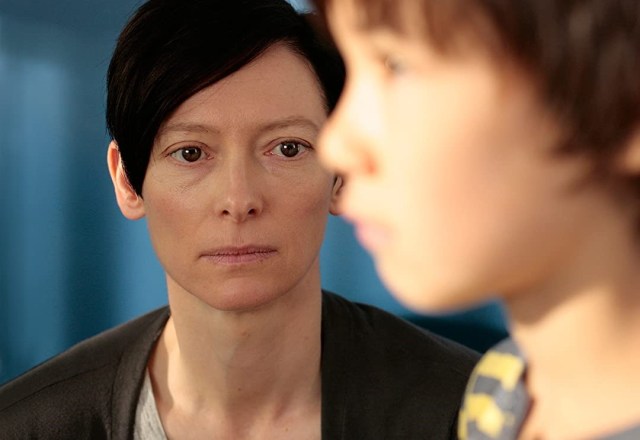
For much of the decade, Tilda Swinton played idiosyncratic characters in heightened films. She became a staple of well-regarded indie comedies becoming a staple of both Wes Anderson and Jim Jarmusch. A decided outlier from the very beginning of the decade is her leading role in Lynne Ramsay’s We Need to Talk About Kevin. In it she plays the mother of the titular Kevin (Rock Duer, Jasper Newell, and Ezra Miller depending on the time period) who is all alone and is trying to recover from an unknown event. As she goes about her day receiving endless abuse, she reminisces on her experiences raising Kevin whom she saw as evil when no one else did. A dreary film that shows off Swinton’s dramatic prowess.
081 We Need to Talk About Kevin


The Best Films of the Decade: Part 2

I realize that I’m a few months late in posting this list, but I put it off trying to catch up on some films and then I felt it was too late. Three weeks into quarantine, and I’ve finally found the time and motivation to put together my list.

Part 1. Honorable Mentions 101-150 (in alphabetical order)
Part 2. 100 – 91 (below)
Part 3. 90 – 81
Part 4. 80 – 71
Part 5. 70 – 61 
Part 6. 60 – 51
Part 7. 50 – 41
Part 8. 40 – 31 (coming soon)
Part 9. 30 – 21 (coming soon)
Part 10. 20 – 11 (coming soon)
Part 11. 10 – 1 (coming soon)

100. Sorry to Bother You (dir. Boots Riley, 2018)

Boots Riley shocked the chain theater going public with his 2018 satire Sorry to Bother You. The film begins in an only slightly enhanced version of our world. Cassius and Detroit (LaKeith Stanfield and Tessa Thompson) living in a garage is quirky but is not outside the realm of a standard class struggle satire. Around a third of the way through the film, Cassius introduces his white voice (voiced by David Cross) which begins the films decent into the surreal. From there, the film spirals far from standard fair, and results in one of the most unique films of the decade.

100 Sorry to Bother You

  1. Girlhood (dir. Céline Sciamma, 2014)

“Shine bright like a diamond.” Rihanna’s song “Diamonds” is played in full for the most memorable moment of Céline Sciamma’s Girlhood, and its lyrics resonate throughout the film’s runtime. Marieme’s (Karidja Touré) abusive background leads her to search for support in a group of girls who christen her Vic. The sisterhood they create is powerful as they attempt to navigate the unfortunate circumstances that life dealt them. The last act of the film leads Vic down a depressing path, but even in such an unsavory situation, she finds a way to shine.

099 Girlhood

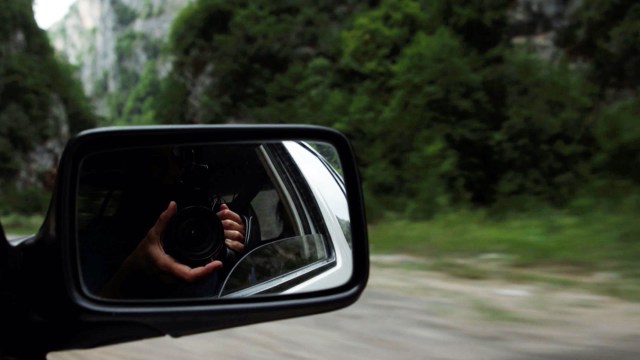
  1. Cameraperson (dir. Kirsten Johnson, 2017)

When a documentary is created, hundreds to thousands of hours of footage are left on the cutting room floor. The directors choose only the perfect frames that fit the narrative of their piece. Some of what’s cut are nothing but test shots, but others are extremely personal moments, many that reveal more about the director and cinematographer than the subjects. As the cinematographer of dozens of documentaries, Kirsten Johnson pieces together the scraps from the ones she’s worked on to create this unique and personal film.

098 Cameraperson

  1. Martha Marcy May Marlene (dir. Sean Durkin, 2011)

As I left the theater in 2011, I was ready to proclaim Elizabeth Olsen the breakout actress of the decade. While it’s hard to say she wasn’t successful, being an Avenger clearly qualifies as a success, she never lived up to her breakthrough performance. In Martha Marcy May Marlene, she plays a young woman who attempts to recoup at her sister’s (Sarah Paulson) home after escaping a cult. Olsen’s portrayal of the emotionally damaged woman who is incapable of expressing what’s wrong is what inspired me to make such a bold claim about her. The film builds on her performance by having it’s intensity crescendo throughout the film as the uncertainty of whether cult members are following her and if she’s safe remains through the last moment.

097 Martha Marcy May Marlene

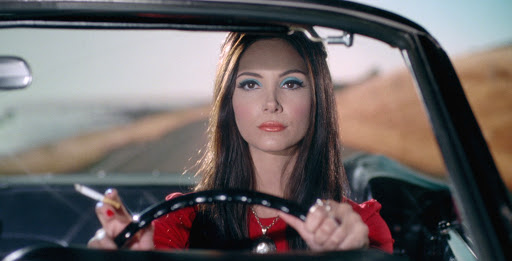
  1. The Love Witch (dir. Anna Biller, 2016)

Neon colors, bloody murders, and women wearing gartered lingerie may sound like the makings of a 70’s sexploitation film, but Anna Biller had some decidedly different inspirations in her 2016 film The Love Witch. A direct homage to Jacques Demy’s Donkey Skin (1970) hints at the deeper motives of the film. In creating The Love Witch, Biller set out to create a movie about being a woman and a woman’s needs in love. Samantha Robinson as Elaine seduces via witchcraft and ultimately kills many men in her search for romantic fulfillment, but unlike sexploitation films, the focus is on her and her needs. Not the body parts nor body count.

096 The Love Witch

  1. A Ghost Story (dir. David Lowery, 2017)

When we die, what do we leave behind? David Lowery’s A Ghost Story reunites his Ain’t Them Bodies Saints (more on that below) stars Rooney Mara and Casey Affleck to grapple with that question. Early in the film, Affleck’s character (neither his nor Mara’s characters are named) dies, but as the title hints comes back as a ghost. The film eschews gaudy special effects and represents this in the simplest way possible, a sheet with two eye holes. As a ghost, Affleck is sentenced to witness what he left behind, and, as the main audience connection, forces a voyeuristic viewpoint on the remainder of the film. First, he watches Mara’s grieving process (including a ten-minute, two shot scene of her eating a pie while crying). Then he watches as she moves on with her life. What happens after speaks to the triviality of the initial question.

095 A Ghost Story

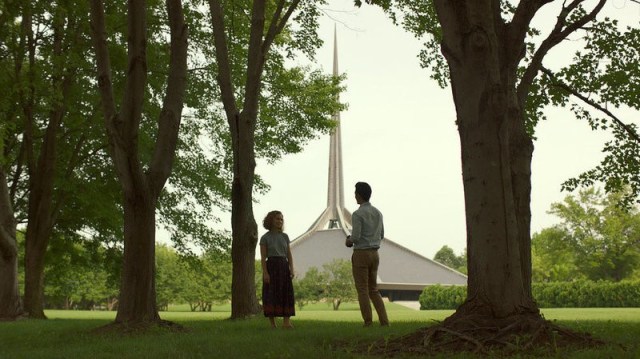
  1. Columbus (dir. Kogonada, 2017)

The premise has been dozens of times over. Two unconnected people in search of meaning or guidance cross each other’s path and create an intimate (though not necessarily romantic) relationship. They wander and discuss and help one another find meaning in their lives.  Columbus is another of that ilk, and yet somehow much more. By subverting the dialogue heavy standard for the genre with silence and character contemplation, Kogonada creates a cinematic experience outside of the expected.

094 Columbus

  1. Le Havre (dir. Aki Kaurismäki, 2011)

A story about n man living in poverty with his dying wife who finds a refugee child and uses his remaining means to reunite the child with his family… but make it funny. My experience with Kaurismäki is limited, the only other of his films that I’ve seen is The Other Side of Hope (2017), but between the two it seems that he is very adapt at inserting a bit of humor and joy into unpleasant situations. His characters exist somewhat in an uncanny valley, but their stories speak to the community we poses as humans that the depressing situations become heartwarming.

093 Le Havre

  1. Ain’t Them Bodies Saints (dir. David Lowery, 2013)

The second David Lowery film staring Casey Affleck and Rooney Mara in this section of my best of list may be the more conventional of the two, but Lowery’s heavily stylized tone and technique are still ever present in this crime romance. The intense jailbreak story is heavily sedated by Daniel Hart’s intoxicating score and a playful use of light and color. Through these artistic techniques, Ain’t Them Bodies Saints possess a dream-like quality. Ruth’s (Mara) love for Bob (Affleck) supersedes the conventional story and results in a beautiful film.

092 Aint Them Bodies Saints

  1. Phoenix (dir. Christian Petzold, 2015)

Quite honestly, the first 95 minutes of Phoenix are good but would not be worthy of a place on this list. The last three minutes on the other hand constitute the greatest ending scene of the decade and would be in contention for the greatest ending of all time.  Nina Hoss as Nelly Lenz singing the classic song “Speak Low” is stunning and emotional and runs a chill down my spine every time I re-watch those last few minutes.

091 Phoenix

The Best Films of the Decade: Part 1

The Best Films of the Decade

I realize that I’m a few months late in posting this list, but I put it off trying to catch up on some films and then I felt it was too late. Three weeks into quarantine, and I’ve finally found the time and motivation to put together my list.

Part 1. Honorable Mentions 101-150 (in alphabetical order) (below)
Part 2. 100 – 91
Part 3. 90 – 81
Part 4. 80 – 71
Part 5. 70 – 61
Part 6. 60 – 51
Part 7. 50 – 41
Part 8. 40 – 31 (coming soon)
Part 9. 30 – 21 (coming soon)
Part 10. 20 – 11 (coming soon)
Part 11. 10 – 1 (coming soon)

20th Century Women (dir. Mike Mills, 2016) – A sweet coming of age movie driven by the three amazing women leads (Annette Bening, Elle Fanning, and Greta Gerwig) as they together raise Bening’s character’s son (Billy Crudup).

3 Faces (dir. Jafar Panahi, 2019) – One of Panahi’s illegally made films, this one focusing on the restraints put on Iranian women, and how the alure of fame can act as a respite from the overbearing system.

The Assassin (dir. Hou Hsiao-Hsien, 2015) – If you’re looking for non-stop kung-fu action, then The Assassin is not what you’re looking for. If you’re interested in an incredibly slow ponderous tale with some light action, then Hou Hsiao-Hsien made a film for you.

Assassin

Beach Rats (dir. Eliza Hittman, 2017) – Eliza Hittman’s coming of age story of a young queer boy (Harris Dickinson) in Brooklyn who spends his summer experimenting with substances and older men.

Black Swan (dir. Darren Aronofsky, 2010) – The film that won Natalie Portman her lone Oscar (stay tuned to the upcoming lists for the film that should have won her a second). Her performance mixed well with Aronofsky’s thriller direction.

BlacKkKlansman (dir. Spike Lee, 2018) – Potentially the best film Lee has put together since Do the Right Thing (1989). It’s a shame that it will be remembered most for losing to Green Book (2018) much like Do the Right Thing did to Driving Miss Daisy (1989).

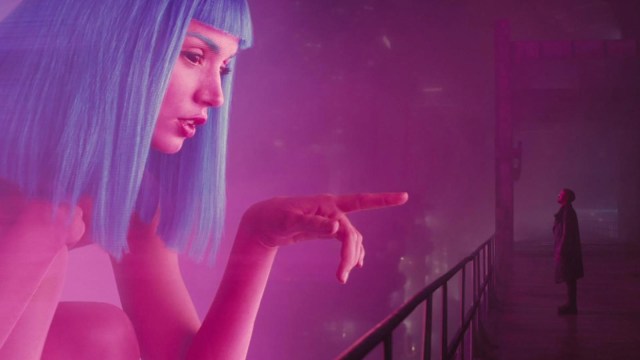
Blade Runner 2049 (dir. Denis Villeneuve, 2017) – It is not as good as the 1982 Ridley Scott classic, but Villeneuve manages to capture enough of the classic’s ponderous atmosphere and intrigue to make it a welcome addition to the original’s legacy.

Blade Runner

Blue is the Warmest Colour (dir. Abdellatif Kechiche, 2013) – While the arguments against the film that the sex scenes are shot from a distinctly male gaze, the lead performances by Léa Seydoux and Adèle Exarchopoulos are among the best of the decade and earn Blue is the Warmest Colour a spot on this list.

Brooklyn (dir. John Crowley, 2015) – Saoirse Ronan and writer Nick Hornby are a perfect mix. She embodies his romantic sensibilities in perfect harmony.

Can You Ever Forgive Me? (dir. Marielle Heller, 2018) – The film that would be #101 on the list if I was ranking these, Marielle Heller reminds the world that Melissa McCarthy is an accomplished dramatic performer in this biopic.

Cloud Atlas (dir. Lilly and Lana Wachowski and Tom Tykwer, 2012) – Yes it’s a bit of a mess, but that’s only because it’s ambitions were so high. What remains is a great eon-spanning drama with one of the decades best scores.

The Day He Arrives (dir. Hong Sang-Soo, 2012) – A depressed, no longer working director returns to his hometown, and attempts to find meaning in a series of Groundhog Dayesque scenes, as if he is directing and re-directing real life.

The Diary of a Teenage Girl (dir. Marielle Heller, 2015) – The US version of 2009’s Fish Tank, Bel Powley stands out in the mature coming of age story.

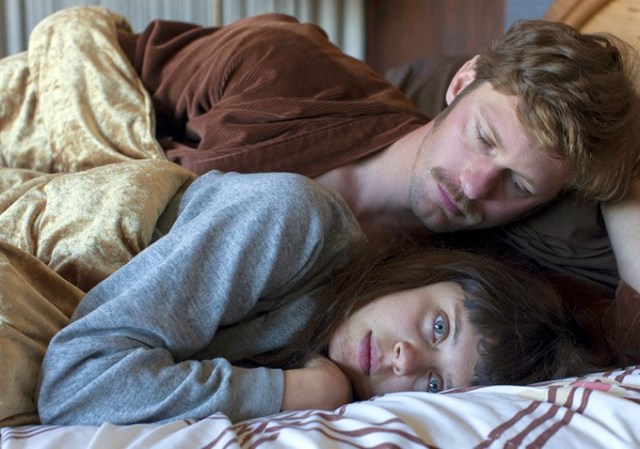
Diary of a Teenage Girl

Ex Machina (dir. Alex Garland, 2015) – Minimalist science fiction that meditates on what it is to be human is my kink, and this won’t be Garlands last of those films on this list.

A Fantastic Woman (dir. Sebastián Lelio, 2017) – As a trans woman myself, I feel confident in saying that most films about us are exploitative bullshit. A Fantastic Woman on the other hand, is honest and moving.

The Florida Project (dir. Sean Baker, 2017) – Child actor Brooklynn Prince is a standout in the depressing depiction of poverty in the shadow of the Disney World artifice.

The Forbidden Room (dir. Guy Maddin, 2015) – A collection of stories made from fake lost footage accented by a song about Udo Kier’s unrelenting obsession with butts and a tutorial on how to take a bath. Maddin isn’t for everyone but if you’re up for something bizarre I highly recommend The Forbidden Room.

Forbidden Room

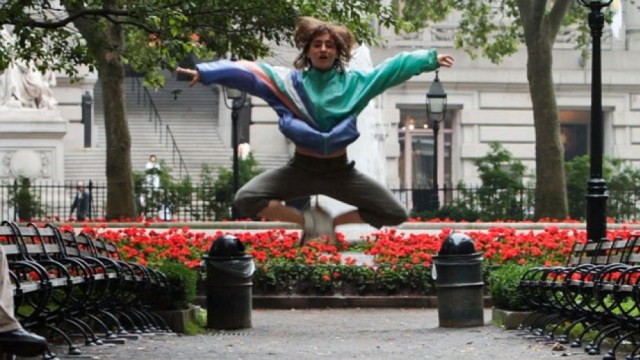
Girl Walk // All Day (dir Jacob Krupnick) – Obsessively just a 75 minute music video to Girl Talks All Day album, I don’t think any movie has given me more joy this decade than this film.

Girl Walk

Good Time (dir. Benny and Josh Safdie, 2017) – A neon tinted hellish thriller throughout New York where no one is a good person, but you can’t help but feel for their motivations anyway.

Goodbye First Love (dir. Mia Hansen-Løve, 2012) – Young love is never what it seems, but its an important part of growing up, and Mia Hansen-Løve understands those emotions and how they impact the life of a young woman.

The Grand Budapest Hotel (dir. Wes Anderson, 2014) – Wes Anderson playing with aspect ratio to differentiate time periods adds to his already iconic meticulously crafted mise-en-scène.

Grand Budapest

The Handmaiden (dir. Park Chan-wook, 2016) – Constantly shifting perspectives and lack of an omniscient camera lend an air of mystery to the lesbian thriller.

High Life (dir. Clare Denis, 2019) – Claire Denis’s low-concept science fiction film relies on strong performances from Robert Pattinson and Juliette Binoche to create an eerie isolating experience.

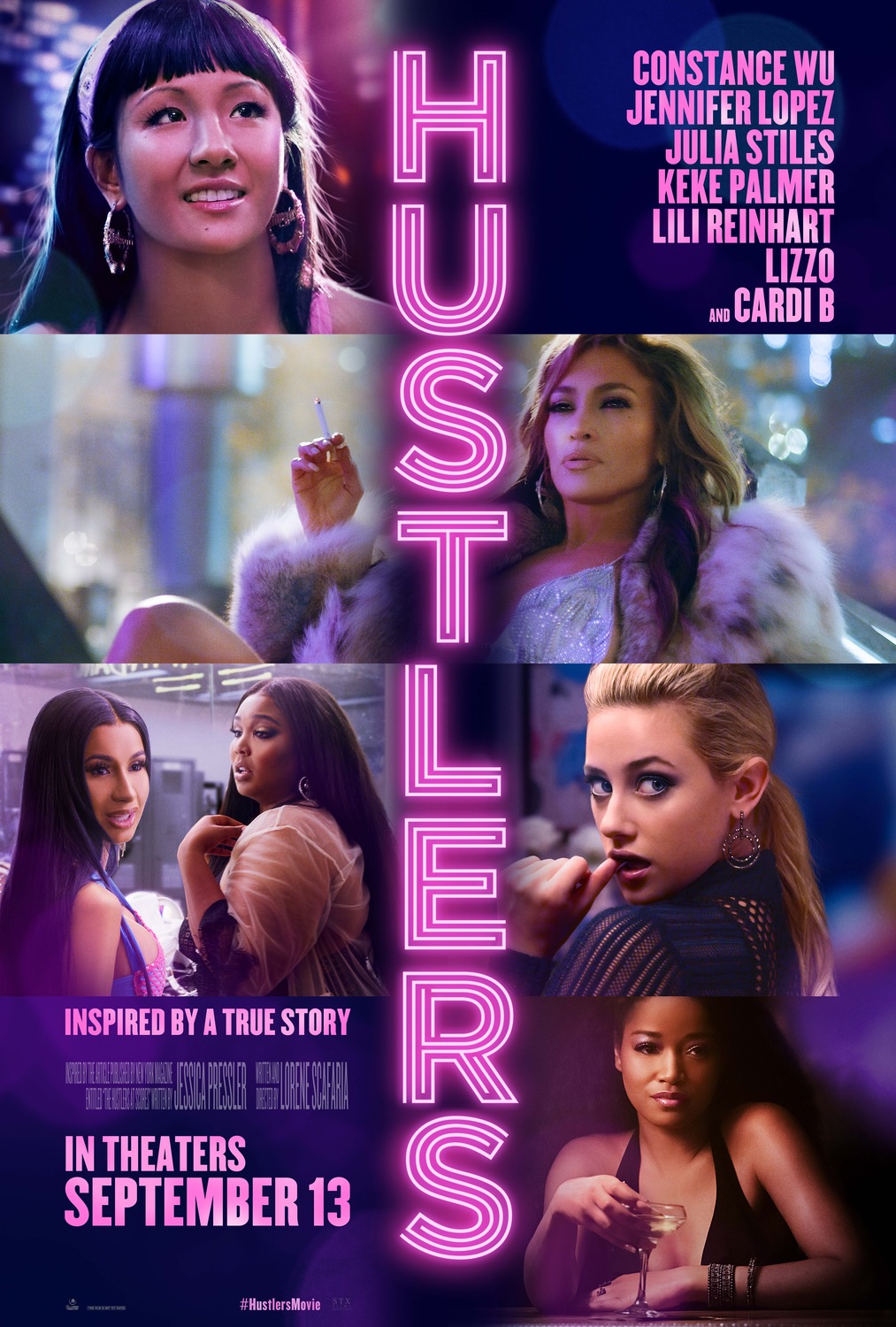
Hustlers (dir. Lorene Scafaria, 2019) – Through what could be a straightforward Scorsese crime film homage, Lorene Scafaria tells a story about the power of female friendship set atop the glitz and glam and a New York strip club.

Inside Out (dir. Pete Doctor and Ronnie Del Carmen, 2015) – The best Pixar film of the decade does what most Pixar films do best: present a mature emotional core behind a film that can be consumed by all ages.

Kate Plays Christine (dir. Robert Greene, 2016) – A film that stretches the definition of what a documentary is and can be, the story of an actress preparing for a role that doesn’t exist in order to personalize a near forgotten story is innovative and memorable.

Kubo and the Two Strings (dir. Travis Knight, 2016) – Animation studio Laika Entertainment’s masterpiece, Kubo and the Two Strings mixes great voice acting, a strong story, and breathtaking stop motion.

Kubo

The Lobster (dir. Yorgos Lanthimos, 2015) – A very dark comedy that introduced Yorgos Lanthimos to a wider audience than his prior Greek films is fascinating in its straight-faced absurdness.
Love & Friendship (dir Whit Stillman, 2016) – Whit Stillman’s heightened style mixes perfectly with Jane Austen’s writing, and reuniting with his Last Days of Disco leads Kate Beckinsale and Chloë Sevigny is a joy.

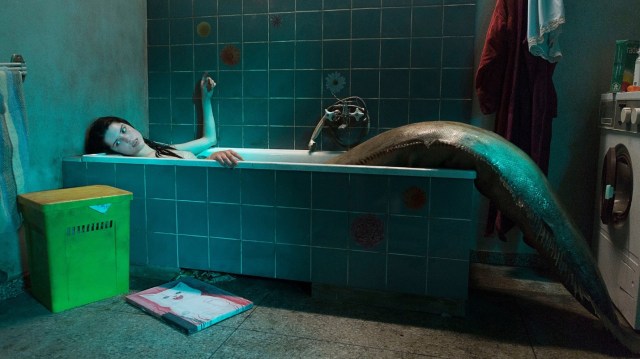
The Lure (dir. Agnieszka Smoczynska, 2017) – A Polish, cannibal, mermaid, musical and if that’s not enough to pique your interest, I don’t know what’s wrong with you.

Lure

Manchester by the Sea (dir. Kenneth Lonergan, 2016) – A trio of great performances (Casey Affleck, Michelle Williams, and Lucas Hedges) highlight this emotional tale of loss and isolation.

Margaret (dir. Kenneth Lonergan, 2011) – The studio’s lack of faith in Lonergan’s two and a half plus magnum opus is the only reason it qualifies for this decades list, but the meandering search for meaning is amazing if not commercially viable.

The Miseducation of Cameron Post (dir. Desiree Akhavan, 2018) – Essentially a dramatic retelling of But I’m a Cheerleader (1999), The Miseducation of Cameron Post tells the story of a girl at a conversion therapy camp in a way that’s more complex than just stating that it’s wrong.

Miss Stevens (dir. Julia Hart, 2016) – Criminally looked over, this early performance from Timothée Chalamet mixes comedy with emotional depth in a way that it’s one sentence blurb undermines.

Miss Stevens

Mistress America (dir. Noah Baumbach) – This movie is just fun. Greta Gerwig as a 30-something who doesn’t have her life together is a welcome character for this 30-something who doesn’t have her life together.

Moneyball (dir. Bennett Miller, 2011) – Sports movies are not the type that are likely to end up on my best of list, but a solid screenplay coupled with great acting performances makes this one to watch.

Mr. Turner (dir. Mike Leigh, 2014) – Timothy Spall embodies the eccentricity of painter J.M.W. Turner and portrays a deeply unpleasant painter who is still fascinating in the lengths he goes to for his passion.

Obvious Child (dir. Gillian Robespierre, 2014) – Jenny Slate stars in this answer to the standard rom-com. The matter-of fact discussion of Slate’s character’s decision to have an abortion is a welcome stance on a common occurrence that is still relegated to taboo.

Paint it Black (dir. Amber Tamblyn, 2016) – Amber Tamblyn’s directorial debut is an intense character drama exploring the emotional struggles of grief.

Samsara (dir. Ron Fricke – 2011) – The cinematographer of the Qatsi trilogy, makes his own entry into the emotionally stirring, beautifully shot, non-narrative documentary.

Samsara

Scott Pilgrim vs. the World (dir. Edgar Wright, 2010) – The only comic book movie to make my list (save your hate mail, I don’t care) Edgar Wright’s frenetic style mixes so well with the source material that I do feel bad we missed out the potential of an Edgar Wright Ant-Man.

Sing Street (dir. John Carney, 2016) – A blast of a musical. The story is lovely and heartwarming, the young actors well performed, and the soundtrack absolutely slaps.

The Square (dir. Ruben Östlund, 2017) – A film that examines the meanings behind modern and performance are and the rich members of society who consume it without understanding.

Suspiria (dir. Luc Guadagnino, 2018) – As a remake of a classic, Guadagnino differentiates his version of Suspiria by foregoing the original’s trademark color scheme and classic score allowing it to stand on its own.

Suspiria

The Tale (dir. Jennifer Fox, 2018) – Jennifer Fox’s visual memoir is an emotionally difficult watch. One which becomes all the more devastating when you remember that it’s a true story.

Tiny Furniture (dir. Lena Dunham, 2010) – Before she made the TV show Girls Lena Dunham made on of the most important films of the mumblecore movement staring her real-life family and Girls costar Jemima Kirke.

Uncle Boonmee Who Can Recall His Past Lives (dir. Apichatpong Weerasethakul, 2010) – The utterly bizarre Palme d’Or winner examines mortality, not through a melancholic tone, but one accepting of the final stage of life.

Upstream Color (dir. Shane Carruth, 2013) – Shane Carruth follows up Primer (2005), one of the driest and science heavy science fiction films of all time, with the exact opposite in the contemplative and fantastical Upstream Color.

Winter’s Bone (dir. Debra Granik, 2010) – What if Jennifer Lawrence’s Katniss Everdeen was transported to present day Missouri, and her story was not written for children? Then you’d have Winter’s Bone.

The Witch (dir. Robert Eggers, 2016) – The films that arguably set off the A24 horror movement, The Witch exemplifies the A24 horror trademark, a slow burn that cressendos throughout the film without release.

Witch

Oscar Ballot 2020 (If I had a Vote)

Image result for oscars 2020 banner

The Oscars are my version of the Superbowl, and after frantically filling in my blind spots this past month, I’ve, for the 3rd year in a row, been better than most actual voting members of the Academy and watched every nominated film. In preparation for tonight’s show, allow me to share what I’d vote for in all 24 categories.

Visual Effects – The Lion King

While I did not especially care for the impact the visuals had on the recreation of The Lion King, I can’t deny that they were impressive. The animated photo-realism is a technical marvel even if the film falls flat.

Costume – Little Women

The costume design in Little Women is both gorgeous and serves as a detail to explain the class differential between the characters.

Makeup and Hairstyling – Bombshell

The three leads in Bombshell go through great transformations through their hair and makeup. Charlize Theron’s transformation into Megyn Kelly is particularly eerie in it’s accuracy.

Production Design – Parasite

Both houses in Parasite are wonders of production design. The contrast between the dirty basement dwelling and the modern million dollar household plays well to the themes of the film.

Sound Editing – 1917

The war sounds in 1917 are immersive in their accuracy. Each bullet and explosion fell real.

Sound Mixing – 1917

Similarly, the mixing in 1917 is excellent. The blending of quiet stealth moments with loud action scenes create great contrast. Where the mixing stands out the most is late in the film when a song slowly crescendos as Lance Corporal Schofield staggers through a forest.

Original Song – (I’m Gonna) Love Me Again (Rocketman)

I feel somewhat weird voting on the music categories, because I don’t have the objective knowledge to judge them like I do with film, but of the songs nominated, I liked “(I’m Gonna) Love Me Again” the best so it get’s my vote.

Original Score – Joke

I did not like Joker, and I do not think it’s a very good movie. That said, Hildur Guðnadóttir’s score is magnificent. Eerie and foreboding while still being extremely melodic and captivating, her score is the highlight of the film and in a perfect world would be the only Oscar it received.

Editing – Parasite

By cutting back and forth from planning to scheme, Parasite‘s tension is amplified cementing it in the thriller genre.

Cinematography – 1917

The most obvious of the categories, Roger Deakins “one-take” 1917 is impressively beautiful. The night scene in particular is some of the best photography I’ve seen.

Short Film, Live Action – A Sister

This was probably the weakest category this year, but A Sister was a worthy winner. A really tense portrayal of a car ride gone wrong, and the lengths women need to go to be safe.

Short Film, Animated – Kitbull

Was I won over by a cute cat video? Yes, yes I was.

Short Film, Documentary – Learning to Skateboard in a Warzone (If You’re a Girl)

A strong category this year, but the joy of watching the Afghan girls learn to skateboard and find confidence made this my pick.

Documentary Feature – For Sama

My favorite film nominated for any Oscar this year, For Sama‘s framing of the film as a gift for the director’s baby Sama brought a personal flare that left me shaken by it’s power.

Animated Feature – I Lost My Body

A young man trying to find meaning in life and a severed hand searching for it’s body all backed by great animation and a stellar score make it the best animated feature of the year.

International Film – Pain and Glory

Yes Parasite is amazing and will undoubtedly win, but Pain and Glory is the best movie Almodóvar has ever made and it’s extremely personal story is in my opinion the best international film of the year.

Adapted Screenplay – Little Women

Previous adaptations of Little Women have always struggled with the condensing of two books into one movie resulting in subsequent three act structures. By telling the story non-linearly, Gerwig managed to be freed of that issue in a beautiful way.

Original Screenplay – Marriage Story

Marriage Story is getting the most recognition for it’s acting, and while all the nominated performances are amazing, the underlying screenplay gave them a superb starting place.

Supporting Actor – Brad Pitt (Once Upon a Time… in Hollywood)

When watching Once Upon a Time… in Hollywood, Brad Pitt stands out as just having a lot of fun. Be it cruising through the streets of late 60’s LA, brawling with Bruce Lee (Mike Moh), or beating up members of the Manson family while high on acid, Pitt’s presence is always enjoyable.

Supporting Actress – Laura Dern (Marriage Story)

Dern as the cutthroat Lawyer with a sugar coated exterior is the best performance in a film filled with best performances. Her sympathy for Johansson’s Nicole is endearing, but her shrewdness sneaks through when she goes on the offensive in court. All together, an intricately balanced performance.

Lead Actor – Antonio Banderes (Pain and Glory)

Banderes’s performance as the aging and pain ridden Salvador Mallo, a not so subtle Almodóvar stand-in, is subtle in it’s brilliance. He’s tortured by the demons in his past, but he internalizes them letting them destroy his life. The Oscar will undoubtedly go to the flashy Joaquin Phoenix performance, but if you’re looking for the best acting and not the most acting, it should be Banderes.

Lead Actress – Renée Zellweger (Judy)

Renée Zellweger was so good as Judy Garland that I find myself singing the movie’s praises when really she’s the only reason to see it. That said it is worth seeing just for her performance.

Director – Bon Joon Ho (Parasite)

Parasite is the most meticulously put together film of the year. It has the strongest auteurial voice. The tension and intensity stem directly through Bon Joon Ho’s decision at the head of the film.

Picture – Marriage Story

Not the best movie of the year (though I did have it at number three), but between an immaculate screenplay, and strong performances through out, Marriage Story is the movie I recommend to people over almost anything else released this year. It’s personal and emotional and would be a worthy winner of the Best Picture Oscar.

Atlantics: Desperation through lack of Agency

#52FilmsbyWomen: Week 2

I was without a computer for a few weeks so forgive me as I play catch-up on a few weeks.

Atlantics (2019, Mati Diop)

Image result for atlantics poster"

People do desperate things when life gives them no other option. These gambles rarely work but are a way to regain some amount of agency when the systems that oppress are too strong.  The poverty that affects many citizens of traditionally colonized countries and strict patriarchal law are two such systems that serve as the setting for Mati Diop’s Atlantics.  Told through the guise of a supernatural drama, at its heart, Atlantics is a story of people struggling with their lack of agency.

Ada (Mame Bineta Sane) is a young woman and the cusp of losing her agency. She has a group of friends who are disrespected by her family and a secret love in Souleiman (Traore), but in the near future she is expected to forgo those joys. Instead of being with people who bring her joy, she is betrothed to a different man, Omar. Omar’s wealth offers a promise of future stability and a reprieve from poverty. Conversely it would require her to leave her life, and the one she loves behind.

Souleiman likewise struggles with debilitating external oppression. He works as a construction worker building a tower for the wealthy. When the contractor refuses to pay his workers for the job they’ve done, Souleiman is forced to take a risky chance simply to survive. He and his fellow workers board a ship heading for Spain in hopes of finding work, leaving their loved ones including Ada behind.

With Souleiman acting in desperation and leaving, Ada gives into her situation. She marries Omar and accepts that her life as she knew it is over, and yet even in her resignment, she continues to lose agency.  When her past relationship with Souleiman comes public, her father and husband force her to go to the doctor and take a virginity test. Humiliated, she, like Souleiman, chooses to act in desperation leaving the financial backing of her husband and parents to try to survive.

Director Mati Diop uses her characters to reflect reality, and thus denies them a perfect fairytale ending.  Souleiman never returns for Ada because he dies when his ship sinks en route to Spain. His gamble failed. Only through supernatural means are Souleiman and his crew able to find some form of vengeance against the rich contractor who refused to pay them.  Ada likewise has a bittersweet ending. She finally has control over her life, but she had to leave behind any support systems she’d ever known.  Atlantics is a tragic film because even accepting supernatural help, the systems the oppressed Ada and Suoleiman were too strong for any other outcome.

Frozen II: The Problem with Unnecessary Sequels

#52FilmsbyWomen: Week 1

Frozen II (2019, Jennifer Lee and Chris Buck)

Image result for frozen ii poster

I unabashedly love 2013’s Frozen. I think it’s the best film the Disney Animated Features put out that decade.  In 2013, Disney was, and still is, in a state of performative self-reflection. While I have serious misgivings about much of the output coming from this, Frozen is an example of how this can work by using the commentary on Disney’s tropes to create fully formed character arcs in its leading women.

In the first Frozen, Anna starts the film as a naive young woman subjected to the Disney trope of looking to find love at first sight.  Throughout the film, she grows and accepts that the necessity of marriage and the need to find love at first sight are unrealistic. Instead she’s saved by the familial love between sisters.  Similarly, Elsa starts the first film denying her true self and shutting out those who mean the most to her. She undergoes her own arc by learning to accept herself without resorting to isolation. In this way, “Let it Go” is both a subversion of and one of the best Disney “I want” songs of all time.

Frozen was a fully formed film with substantive character arcs that didn’t need further development.  However, we live in a capitalist society, and when a film makes over a billion dollars, a sequel is required whether the existing story can support it or not. That was the situation that Jennifer Lee and Chris Buck found themselves in when forced to create a sequel to their previously stand-alone film. With very little left to be developed in terms of character, Frozen II turned to the adventure of the week mentality that drove the Disney animated television series in the 90s.

This adventure of the week mentality is endemic to unnecessary sequels. Characters arcs are what drive good storytelling. When implemented correctly, characters can drive their own plot. Personal growth is a strong and relatable goal, and films that are created as stand-alone pieces let their characters develop into their better (or sometimes worse) selves. What then is left to be done in an unplanned sequel? If the protagonists are to remain unchanged, a film has 3 options: take the protagonist elsewhere, have the protagonist go through the same arc again, or deny the character any additional development.

Allowing a protagonist to go through a different arc is seldom done in a cash grab sequel as the producers are hesitant to change a character who has brought them significant income.  Sending protagonists through the same arc again was somewhat embraced in Frozen II’s plot.  Elsa must once again learn to trust Anna, a lesson which was conveniently unlearned between films. Finally denying the protagonists any additional development is what drives Frozen II and most unnecessary sequels. When characters have already gone through their emotional arcs, its often the simplest to just let them exist in an unrelated plot. This lazy solution is what makes up the majority of Frozen II. The characters learn nothing about themselves, but Disney makes another billion dollars.

If all you want as a movie-goer is to see characters you loved 6-years prior go on an adventure together, then Frozen II might be what you’re looking for. However, if your love of the original came from the development of characters, the emotions they experience, and how it reflects reality, then Frozen II offers you nothing.

Top 25 Films of 2019

Top 25 Films of 2019

I know lots of critics bemoan the yearly requirement of making year end lists, but I love it. I keep my movies in lists constantly, and I use year end as an excuse to assess what my current feelings about films are after I’ve had some time to sit with them.

And yet, with my love of keeping things in lists, you’d think I’d have a better idea on what my lists mean. Is it my 25 favorite films of the year or the 25 films that I consider the objective best? Yes? It’s definitely some combination of the 2, but mostly it’s just a gut feeling. I place movies in their place on the list because that’s just what I feel.

One more thing before I get to the list, there are a handful of films that I didn’t get to see yet that very well may end up on this list.  I’m going to be revisiting the list up through the Oscars and will be editing it as necessary.  Anything that drops off the list will be added as an honorable mention instead of removing it.

And now, my Top 25 Films of 2019:

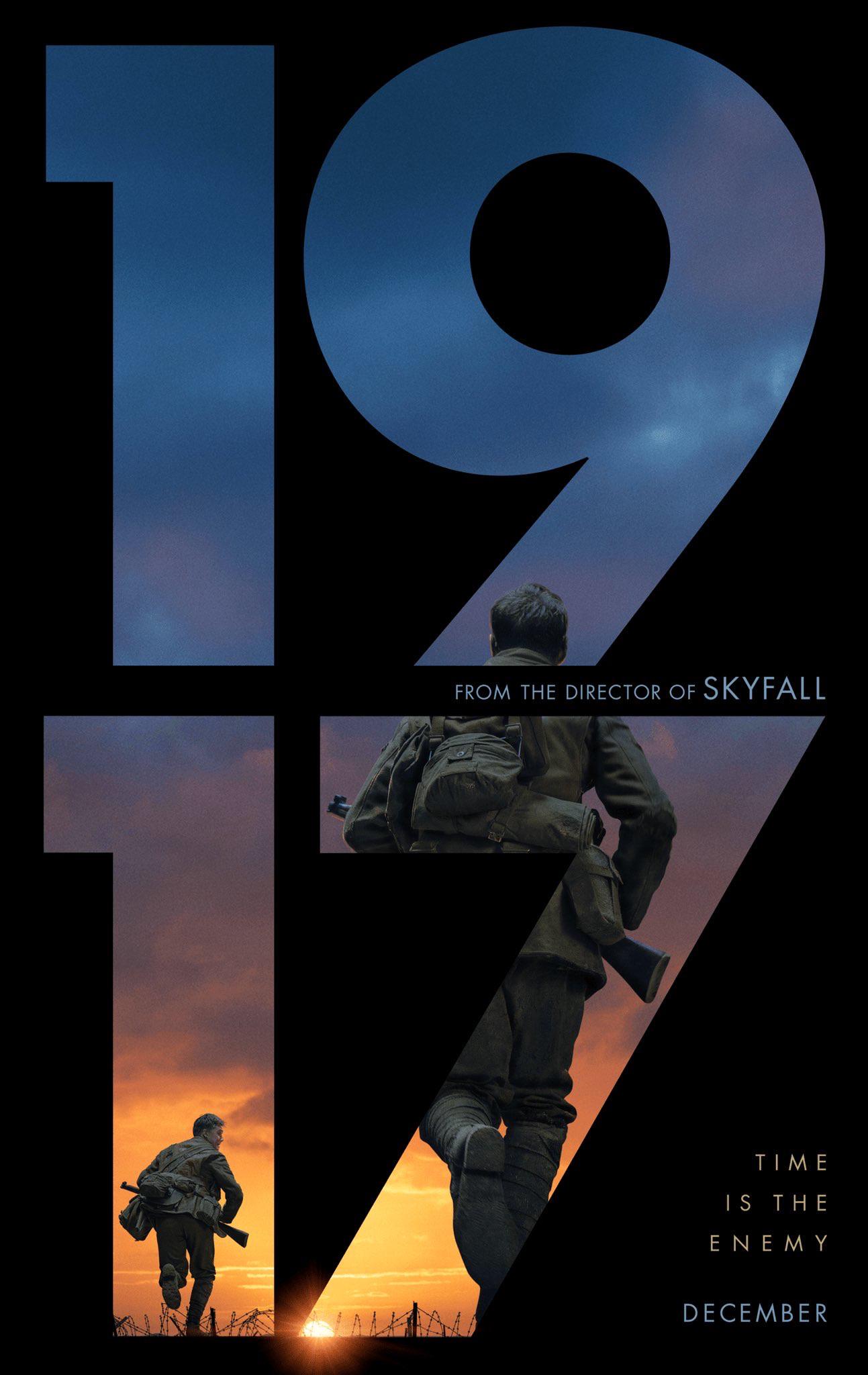
  1. 1917 (Sam Mendes)

Image result for 1917 poster

The Oscar front-runner sneaks onto my year-end list based entirely on it’s beauty and craft. After finally breaking his 12-time cinematography Oscar losing streak with 2018’s Blade Runner 2049 (Denis Villeneuve) Roger Deakins is almost guaranteed to win his second consecutive award. The entire sequence in Écoust-Saint-Mein is beyond beautiful with Deakins’s night photography taking center stage.

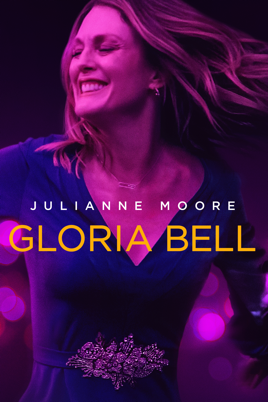
  1. Gloria Bell (Sebastián Lelio)

Image result for gloria bell

Full disclosure, I’ve not seen 2013’s Gloria also by Sebastián Lelio which this film is just an American remake of, but I don’t care; Gloria Bell deserves a slot in my year end list even if it is a remake.  It’s so seldom that anyone creates a love story staring someone in their 50s. Watching Julianne Moore spend her evenings in L.A. dance clubs still searching for love when the rest of her life is solidly figured out puts a different emphasis on the story than a similar story about 20 somethings would have.

  1. A Beautiful Day in the Neighborhood (Marielle Heller)

Image result for a beautiful day in the neighborhood

This film was weirdly the hardest for me to place on the list. Part of me though it should clearly be in the top 10 while another part thought it didn’t belong on the list at all. I think that uncertainty reflects the film a lot. Like the character he portrays, the moments with Tom Hanks as Fred Rogers are frustratingly perfect.  Similarly, the moments with just Lloyd Vogel (Matthew Rhys) are uneven and messy much like the character.  I found myself wishing the film were more even, but I think the discrepancies are deliberate meta filmmaking. Only when Fred and Lloyd are together to their peculiarities balance each other.

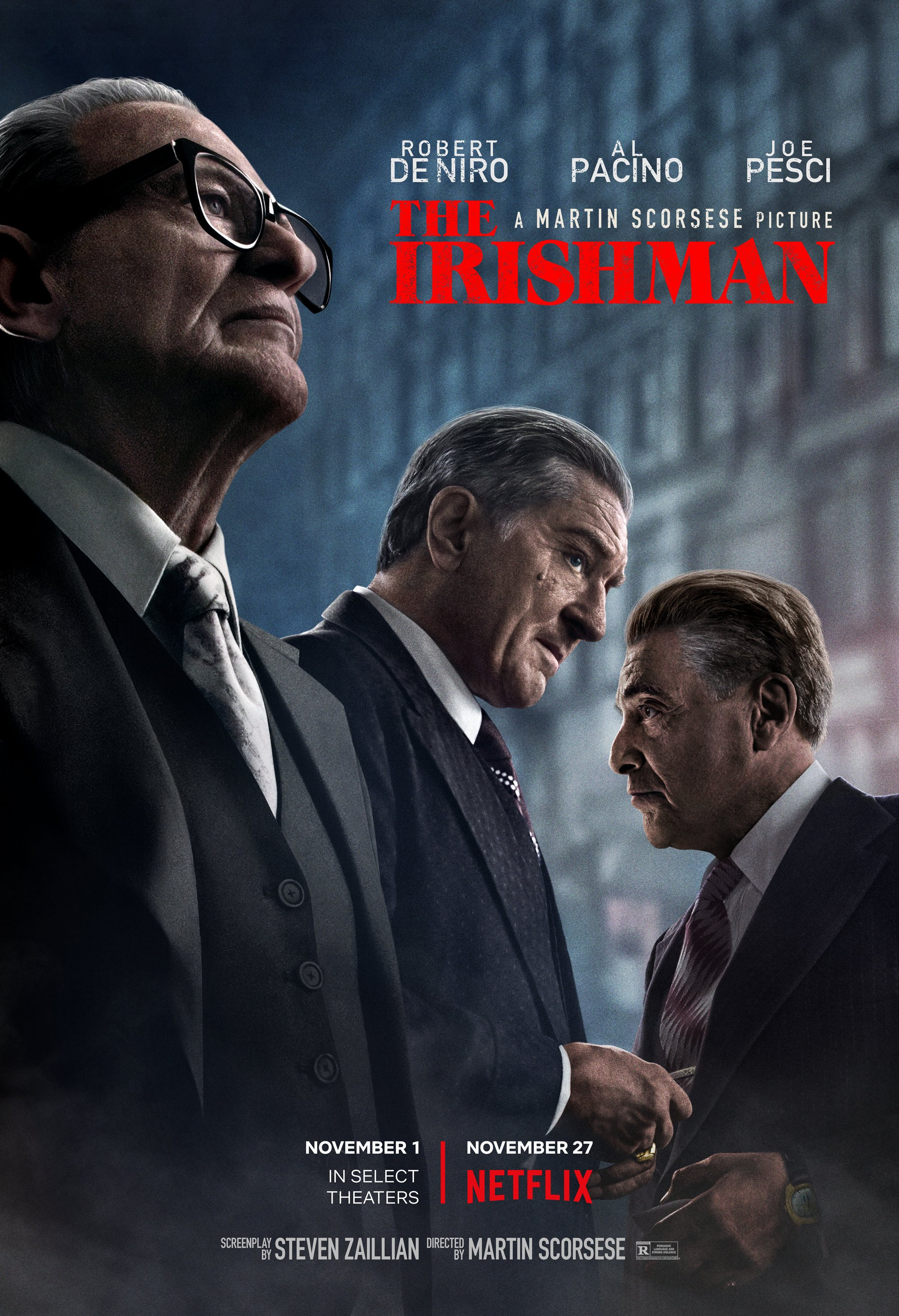
  1. The Irishman (Martin Scorsese)

Image result for the irishman

I have more problems with The Irishman than not, but it makes it onto my year end list regardless by its prowess in craft alone.  De Niro, Pacino, Pesci, and Keitel all put in great performances throughout the 3.5-hour decade spanning film. The digital de-aging is done very well (the main exception being that a de-aged De Niro still fights like a much older De Niro).  All in all, Scorsese is just exceptional at executing the story that he sets out to tell.

  1. The Lighthouse (Robert Eggers)

Image result for the lighthouse

In 2015 Robert Eggers proved that he could create one of the scariest films of the decade despite everyone talking in old English with his debut feature The Witch.  In 2019 he one-upped that by proving he could make a film completely bat-shit insane a critical success.  I’m beating around the bush because I don’t really know how to talk about The Lighthouse. One thing I do want to call out is the 1.19:1 aspect ratio. By using such a tight aspect ratio, Eggers enhances the claustrophobia in the film significantly. Just one detail of a film from a director well versed in how to use his craft.
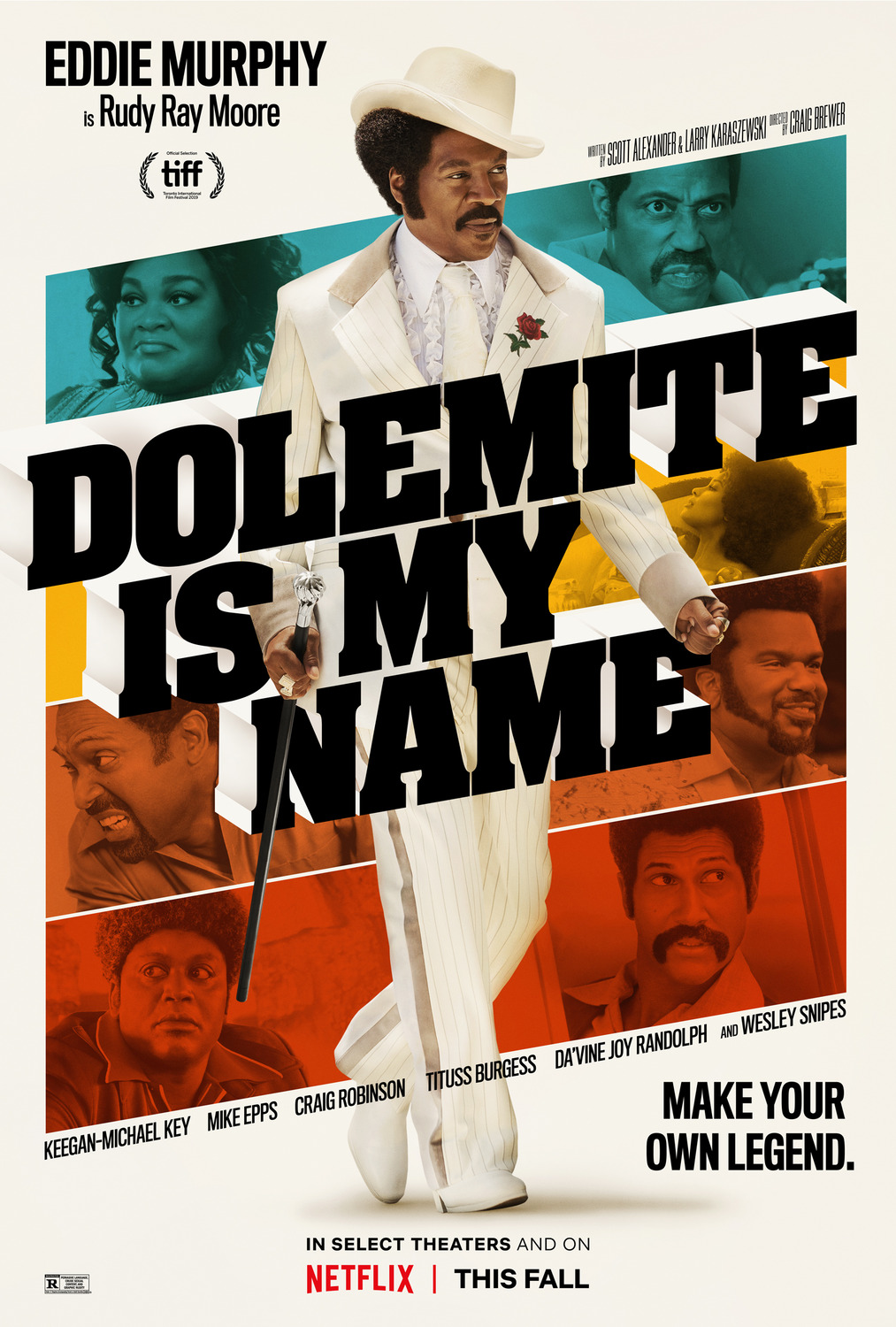
  1. Dolemite Is My Name (Craig Brewer)

Image result for dolemite is my name

Dolemite is My Name was written by Scott Alexander and Larry Karaszewski who’s previous writing credits includes Ed Wood (1994) and it shows. Both films are able to depict passion in their artistic protagonists, even when that passion is not accompanied by a similar level of skill.  Eddie Murphy is dynamic in his return to big screen as Rudy Ray “Dolemite” Moore. The character gives Murphy plenty to play with in his signature verbose persona, but also allows him a chance to explore more emotional depth than many of his previous charters.
  1. The Edge of Democracy (Petra Costa)

Image result for the edge of democracy poster

The first of three of the Oscar nominees for best documentary, Petra Costa’s The Edge of Democracy follows the rise of fascism in Brazil and it’s overthrowing of a socialist driven party. The film provides context of how former president Lula founded the Worker’s Party and rose to power, but then focuses on the fallout of Operation Car Wash and Bolsonaro’s eventual election. A documentary without much in the way of long term hope, it brings important context to the rise of fascism that is plaguing the entire country.

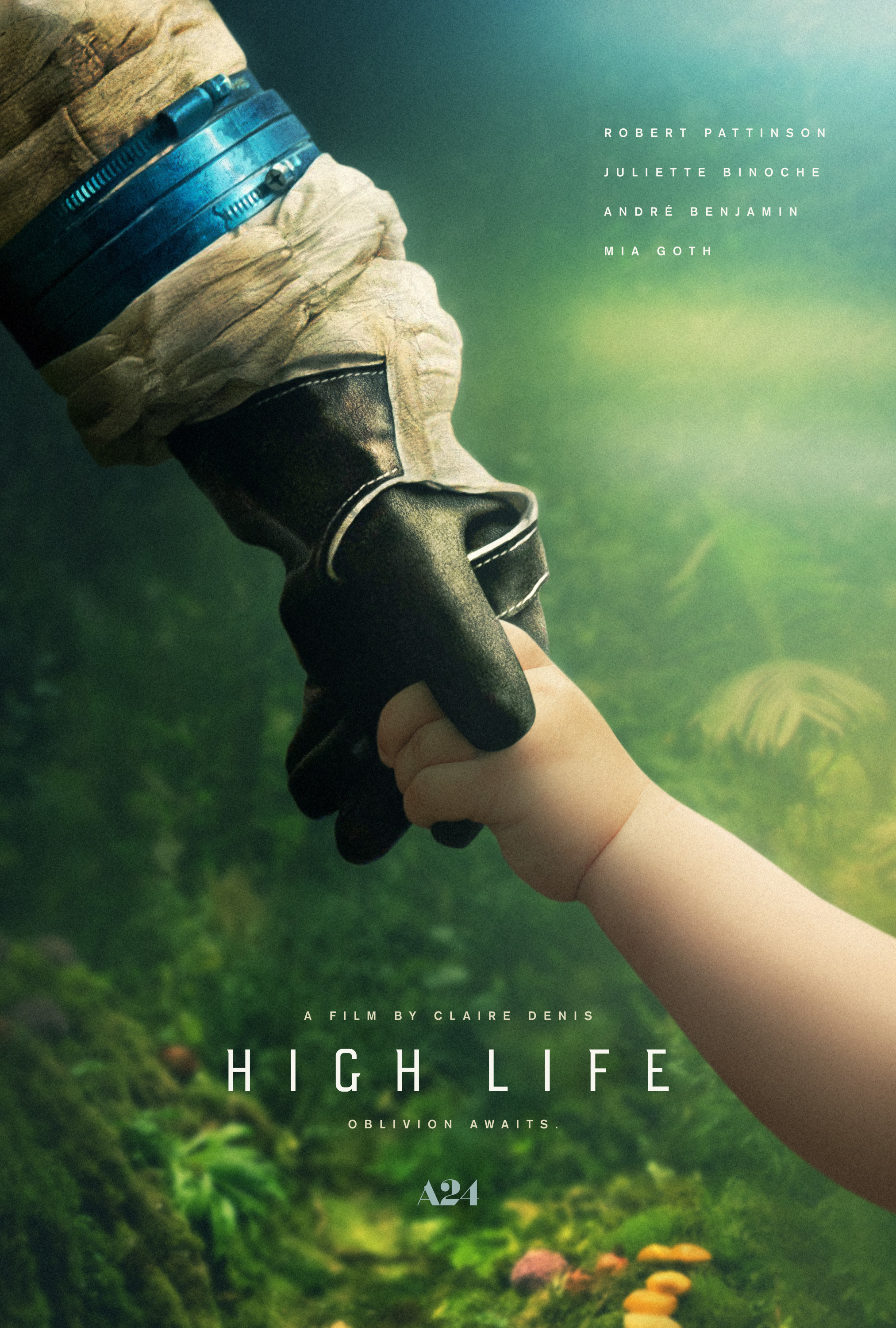
  1. High Life (Claire Denis)

Image result for high life poster

While everyone else’s favorite high-concept science fiction franchise came to an end this year (spoilers, Rise of Skywalker didn’t end up anywhere near this list) Claire Denis’s low-concept High Life was the only science fiction film to crack my year end list.  High Life uses its science fiction setting to explore deeply personal human traits. Robert Pattinson’s struggle with isolation in deep space is emotional and resonates on a visceral level. Bonus points also award to High Life for shooting a scene with Juliette Binoche in a “fuckbox”.

  1. 3 Faces (Jafar Panahi)

Image result for 3 faces

The other film on my list that was a film festival exclusive, I at least have faith that 3 Faces will find distribution on Panahi’s name alone.  Panahi’s most recent illegally made film once again casts itself as non-fiction with Panahi playing himself in hopes of subverting his film making ban. While Panahi is ever prevalent in the film, he instead focuses on 3 women Behnaz Jafari, Marziyeh Rezaei, and Maedeh Erteghaei all also playing themselves.  The film questions the Iranian traditions that traps the two younger women, preventing them from living the life they would prefer, that Jafari exemplifies.

  1. Hustlers (Lorene Scafaria)

Image result for hustlers

Yes, I put the film affectionately dubbed “Scorsese in Stilettos” above the actual Scorsese film. What of it?  What heightens Hustlers above the likes of The Irishman and Scorsese films in general is Lorene Scafaria’s attention to character.  Constance Wu and Jennifer Lopez aren’t only depicted as bad ass criminals, but as humans.  The scenes around Christmas where the women involved in the scheme celebrate together and act as family reflects a warmth in character that crime movies seldom possess.

  1. Honeyland (Tamara Kotevska and Ljubomir Stefanov)

Image result for honeyland poster

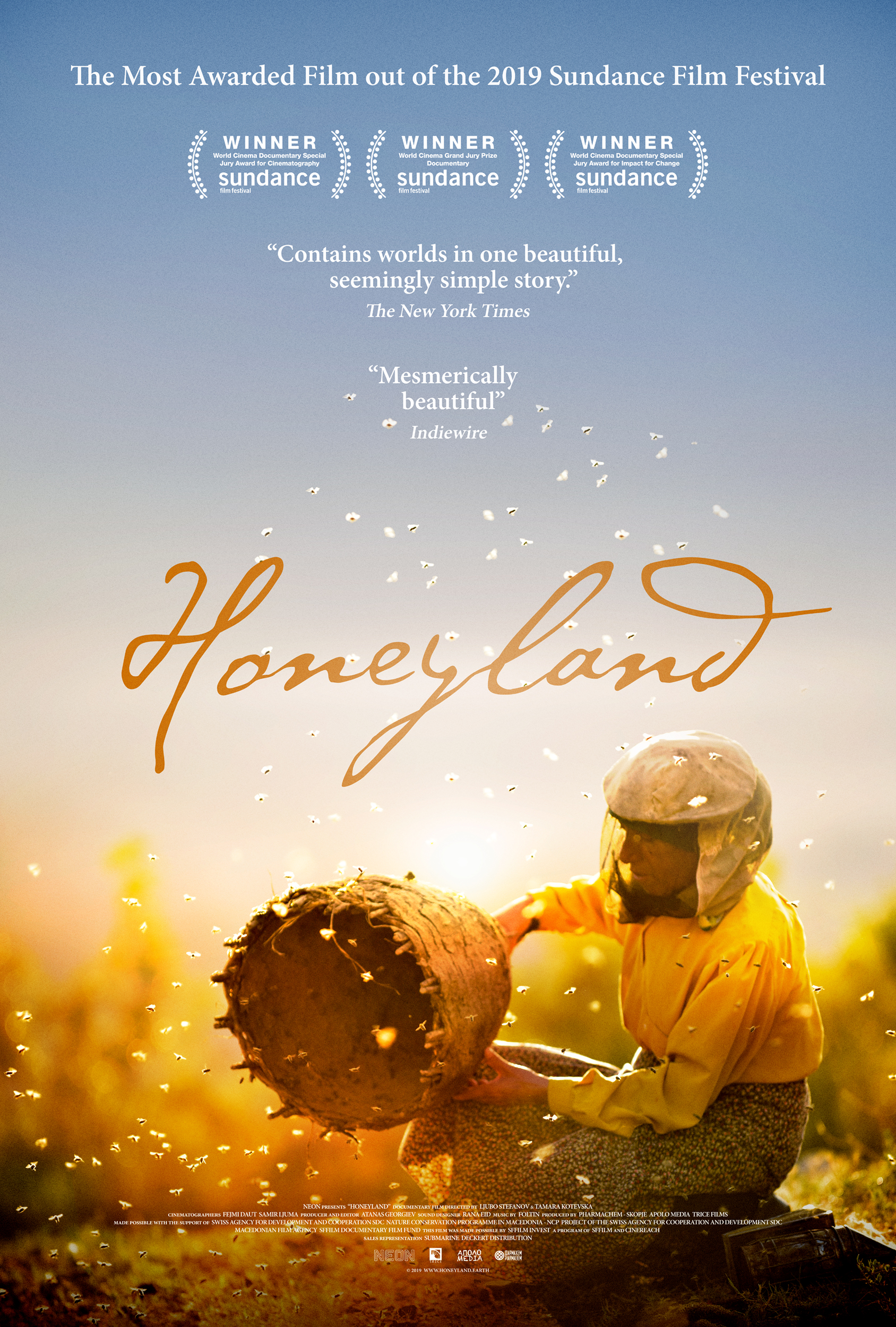
Honeyland is a devastating documentary following Hatidze Muratova, a Macedonian bee keeper whose livelihood is threatened by greedy practices. The tragedy of the tale is that it’s not her greed that threatens her life, but that of her neighbor whom she befriended and taught her business. Honeyland is immersive in it’s portrayal of Muratova’s pastoral life. Her seemingly banal existence lends beauty to her circumstance, but proves all the more heartbreaking when capitalism’s evil takes it all away from her.

  1. I Lost My Body (Jérémy Clapin)

Image result for i lost my body

The only animated film to make my list, I Lost My Body stands far above its animated competition.  A heartfelt story about Naoufel, a young man trying to find his way in the world with no family to speak of. The film is emotional and personal, but uses it animation to add a level of surrealism that couldn’t be mimicked in live-action. Be beauty of the film is paired with what might be one of the best scores of the year (all done by Dan Levy) to create a beautiful whole of a film.

  1. Booksmart (Olivia Wilde)

Image result for booksmart

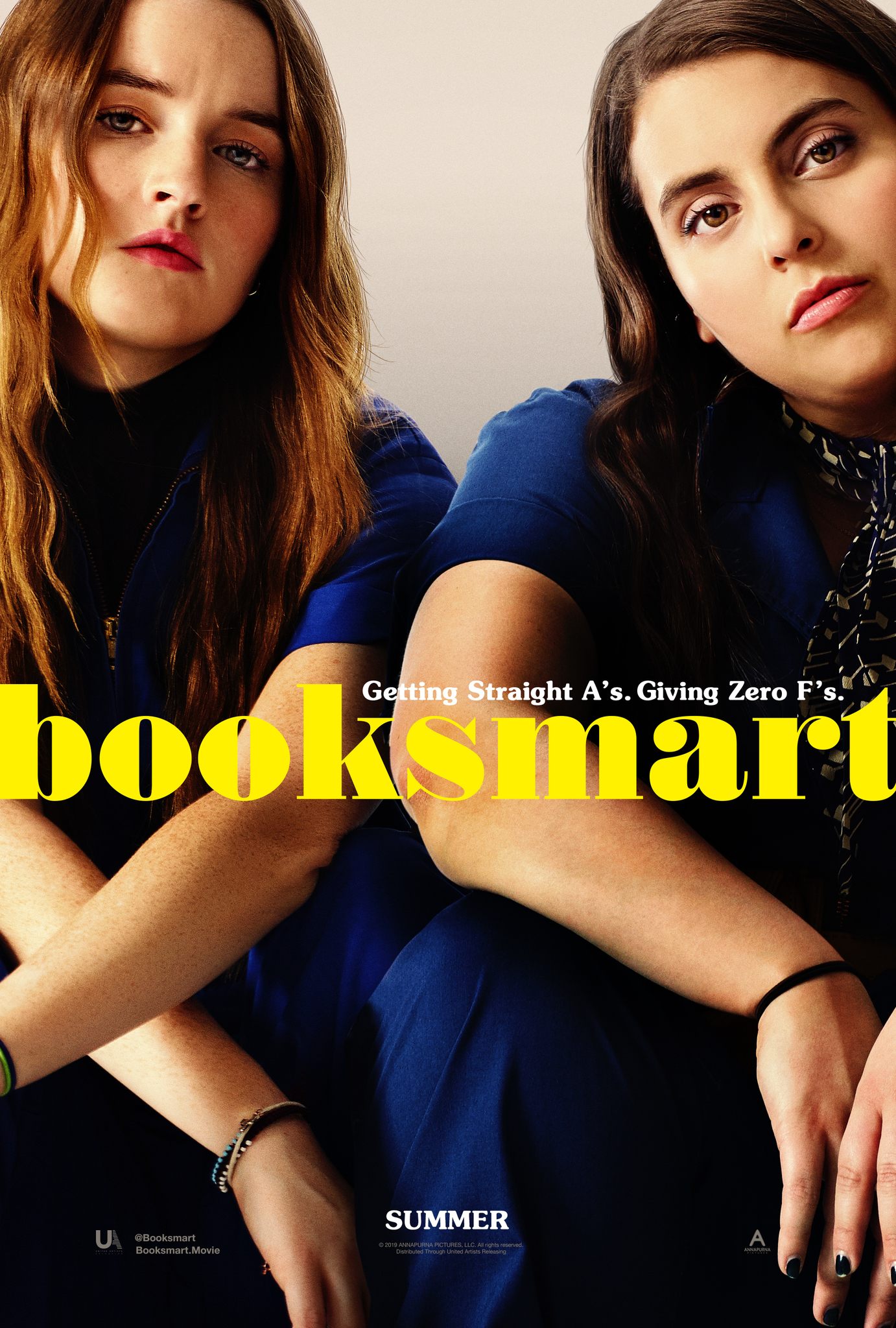
So much more than just Superbad (2007) but with young women, Booksmart is a brilliant depiction of regret at wasted opportunities and fear of change coming to a head at a major junction in one’s life. Amy (Kaitlyn Dever) and Molly (Beanie Feldstein) balance their comedy and tragedy well as leads, but Booksmart’s really strength lies in it’s supporting cast. Initially portraying all supporting roles as traditional teenage comedy tropes, the film spends time lingering on each one allowing them their own moments of humanity. This is exemplified no better than with Billie Lourd as the standout Gigi.

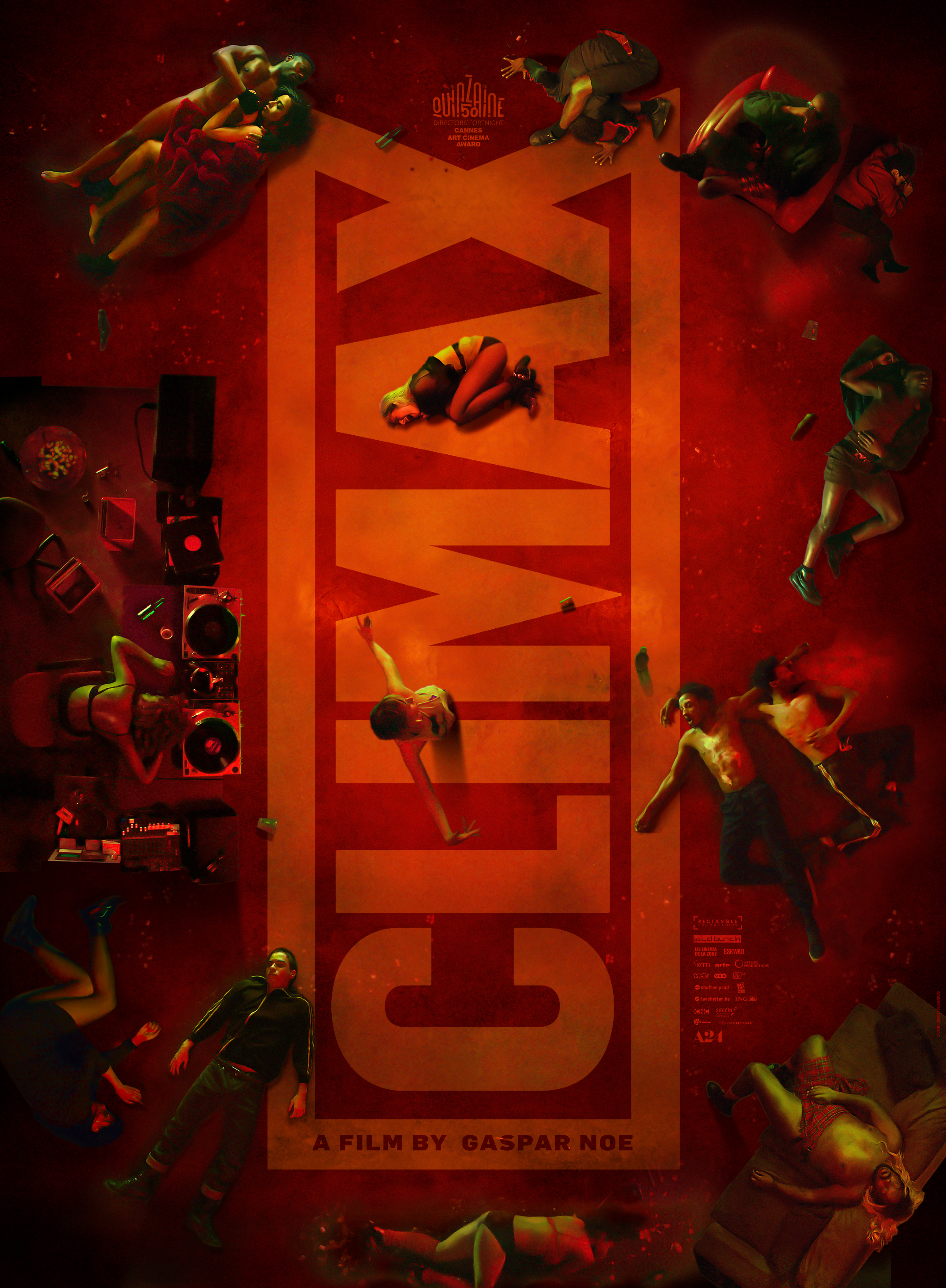
  1. Climax (Gaspar Noé)

Image result for climax gaspar noe

I’m so glad I saw this movie in theaters. If you’re going to see it, make sure you see it somewhere very dark and with the volume very loud. Gaspar Noé is known for his provocative film making and Climax is no exception. With a basic storyline that members of a dance troop have their punch spiked with LSD at an after party, Noé does everything he can to recreate the sensation in his audience.  Unsettling sounds, extreme camera movements, and ever escalating graphic imagery creates a crescendo of unease without reprieve for the 100-minute runtime.

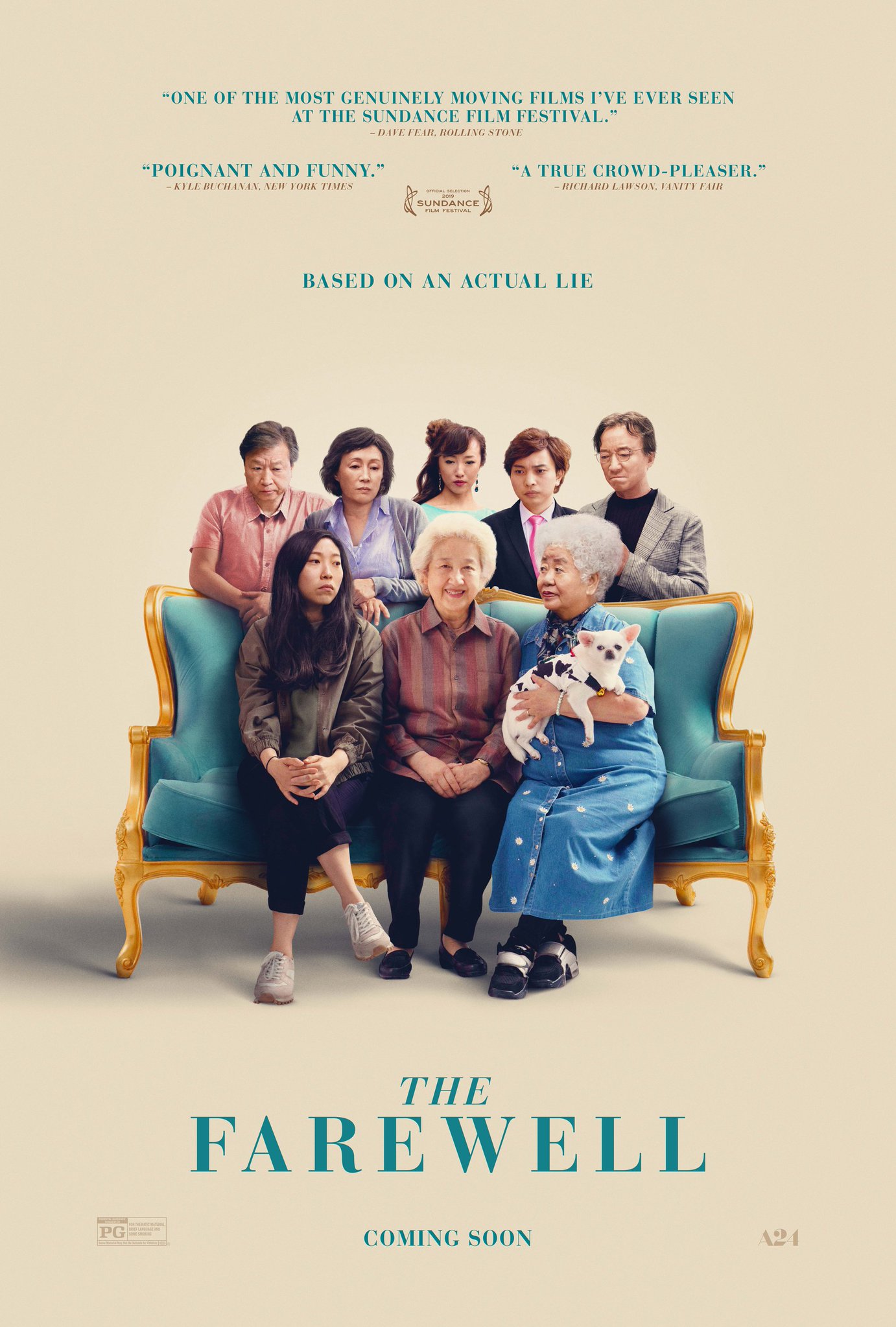
  1. The Farewell (Lulu Wang)

Image result for the farewell

Casting Awkwafina as lead in a dramatic film where a young woman struggles to say goodbye to her dying grandmother was certainly a gamble, but it proved to be one that paid off. Awkwafina proves she is more than just a comedian in Lulu Wang’s touching film, but still uses her comedic flare to impart some much-needed levity into the otherwise depressing premise. Lulu Wang grounds the emotion inherent in the premise just enough to keep it’s meaning while preventing the film from moving into the realm of melodrama.

  1. Uncut Gems (Benny and Josh Safdie)

Image result for uncut gems poster

This movie is a lot. The Safdie Brothers continue their habit of filling their films to the brim with stimuli in Uncut Gems. This stimuli-heavy direction works wonders with Adam Sandler’s manic acting. Sandler once again proves that when in the hands of a capable director is an excellent actor, and it’s arguable that in Uncut Gems, Sandler surpasses even his performance in Punch-Drunk Love (2002, Paul Thomas Anderson).  Everything about this film just clicks under the speed and intensity of the Safdie Brothers’ direction.

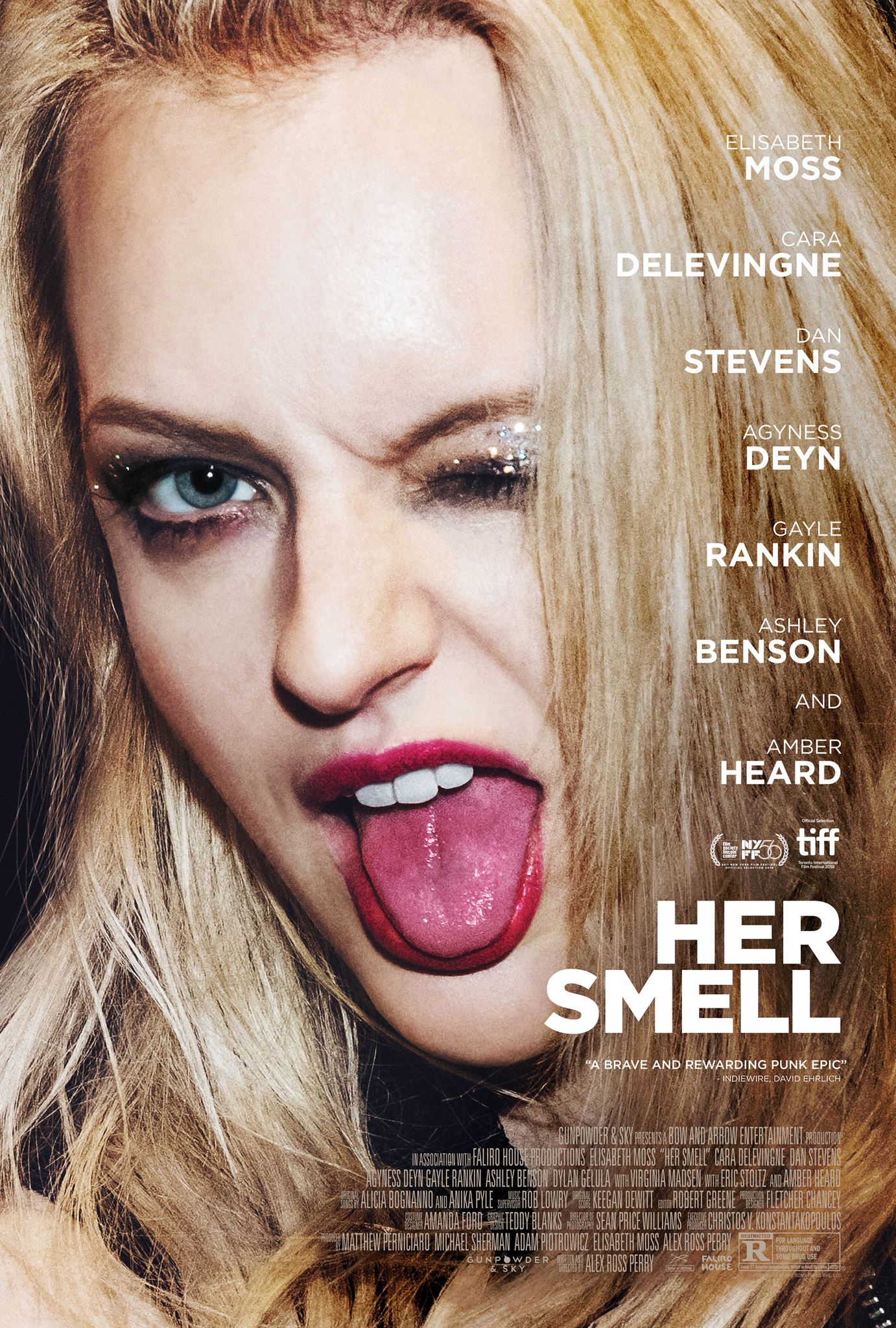
  1. Her Smell (Alex Ross Perry)

Image result for her smell

The most displeasing film title of the year is one of the best films of the year. The entire purpose of the film is to allow Elisabeth Moss the chance to act her ass off and she succeeds. Moss stars as punk singer Becky Something who struggles to maintain her fame because of her own self-destructive behavior. The film centers exclusively on her through 5 scenes in her flailing career while she first loses control and then struggles to regain it. Alex Ross Perry has bemoaned his inability to put any money behind an Oscar campaign for Moss and her inevitable snub will be egregious as the success of this film is exclusively because of her.

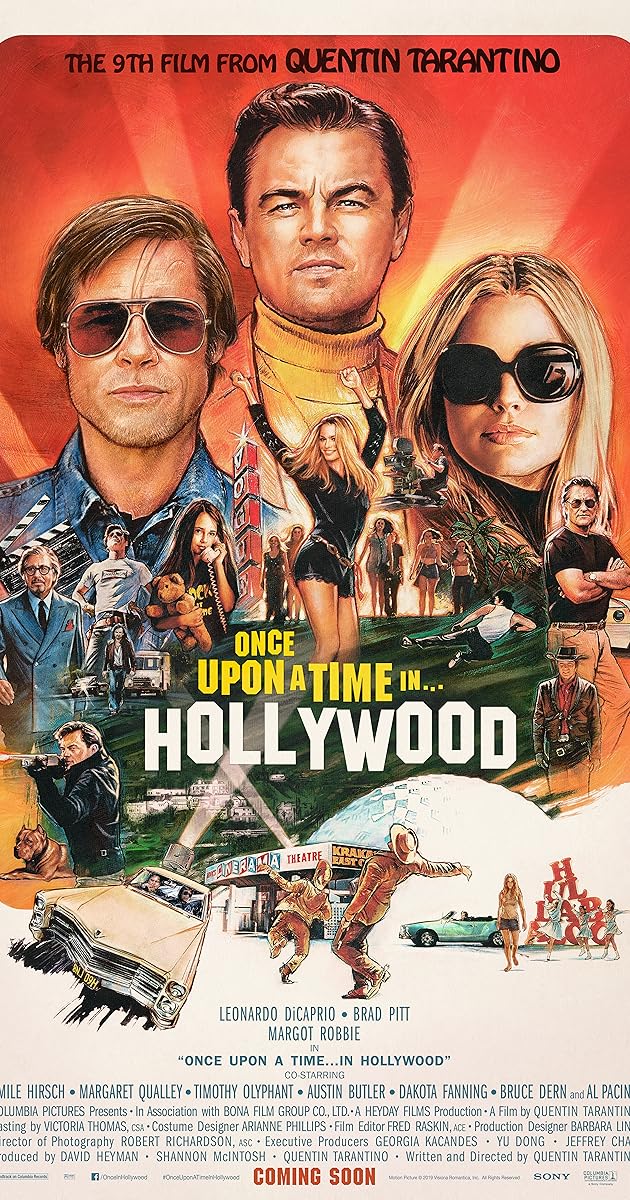
  1. Once Upon a Time… in Hollywood (Quentin Tarantino)

Image result for once upon a time... in hollywood poster

As much as Tarantino has been a pillar of independent film over the past 25 years, in Once Upon a Time… in Hollywood, he has never been better. Tarantino has always been defined by his love for film (often depicted in homage) and his understanding of spectacle. In Once Upon a Time… in Hollywood, Tarantino creates a spectacle laden love letter to classic Hollywood that also manages to tap into an understanding of character unseen in his films since Jackie Brown (1997). It’s because of this emphasis on Leonardo DiCaprio and Brad Pitt’s character that this film rises to the top of his oeuvre.

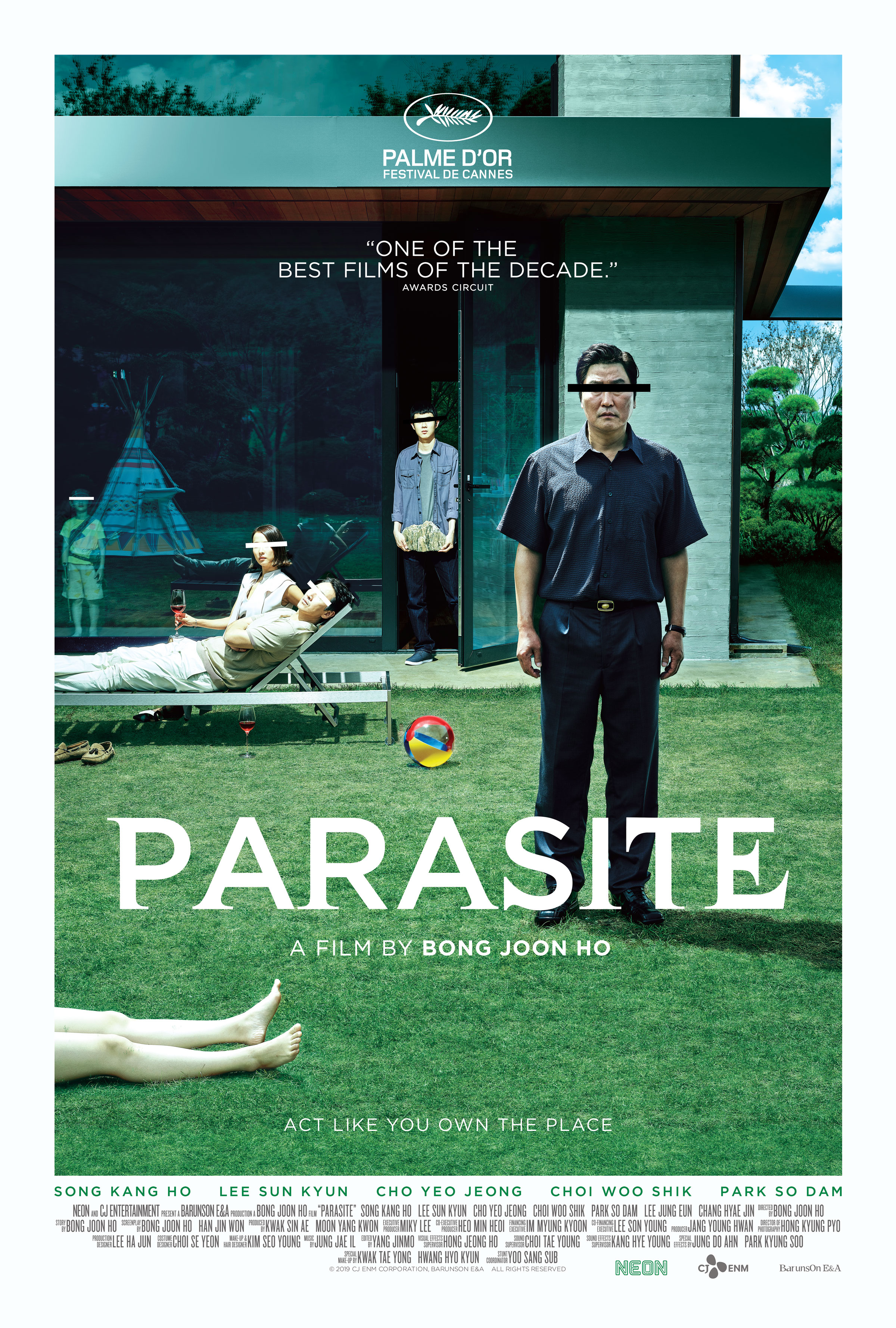
  1. Parasite (Bong Joon-ho)

Image result for parasite poster

While lower on my list than most you’ll probably see, that doesn’t mean I have any faults with Parasite. Bong Joon-ho uses his understanding of genre and its ability to depict reality to blur the lines between drama and genre.  Bong Joon-Ho continues to explore how classism affects society, but instead of doing so with a giant CGI beast (Okja 2017) or on a class segregated train (Snowpiercer 2013) Parasite eschews that use of dystopian symbolism and grounds the classist discontent in reality. The Parks have everything while the Kims have nothing.

  1. Portrait of a Lady on Fire (Céline Sciamma)

Image result for portrait of a lady on fire

Arguable whether this should be a 2019 or 2020 film, I’m putting it here. The obvious comparison for Portrait of a Lady on Fire is 2013’s Blue is the Warmest Color (Abdellatif Kechiche), and while an easy comparison that doesn’t make it any less valid. Both French films are stories of lesbian love featuring brilliant performances from their leads.  What separates Portrait of a Lady on Fire is that it avoids falling into the male gaze trap of its counterpoint. Marianne (Noémie Merlant) and Héloïse (Adèle Haenel) still have sex, but instead of focusing on those moments, Sciamma instead lets the emotion and love between the women be enough in telling her beautiful story of forbidden love.

  1. Little Women (Greta Gerwig)

Related image

Greta Gerwig follows up her feature debut Lady Bird (2017) by proving that her directorial prowess wasn’t a fluke.  Reuniting with stars Saoirse Ronan and Timothée Chalamet, Gerwig delivers another perfect film depicting the lives of young women.  By abandoning the chronological framing of the books, she manages to merge the two volumes into one thematic whole rather than two differing stories.  The two halves intertwine showing parallels between the eras and highlight traits inherent in the individual characters. Gerwig also manages to address my one major problem with Jo’s character brilliantly, but I won’t give away that spoiler.

  1. Pain and Glory (Pedro Almodóvar)

Image result for pain and glory poster

Almodóvar’s semi-autobiographical Pain and Glory is an emotional experience to behold. Perennial Almodóvar figure, Antonio Banderas portrays the director in a tumultuous stage of his career. Riddled with physical pain he is reunited with old friends and loved ones to remind him of his passion, and re-instill his will to live. The frequent flashbacks to his young childhood, featuring Penélope Cruz as the young version of his mother, provide context to the character’s demons and enhance the scenes in the present rather than distract.

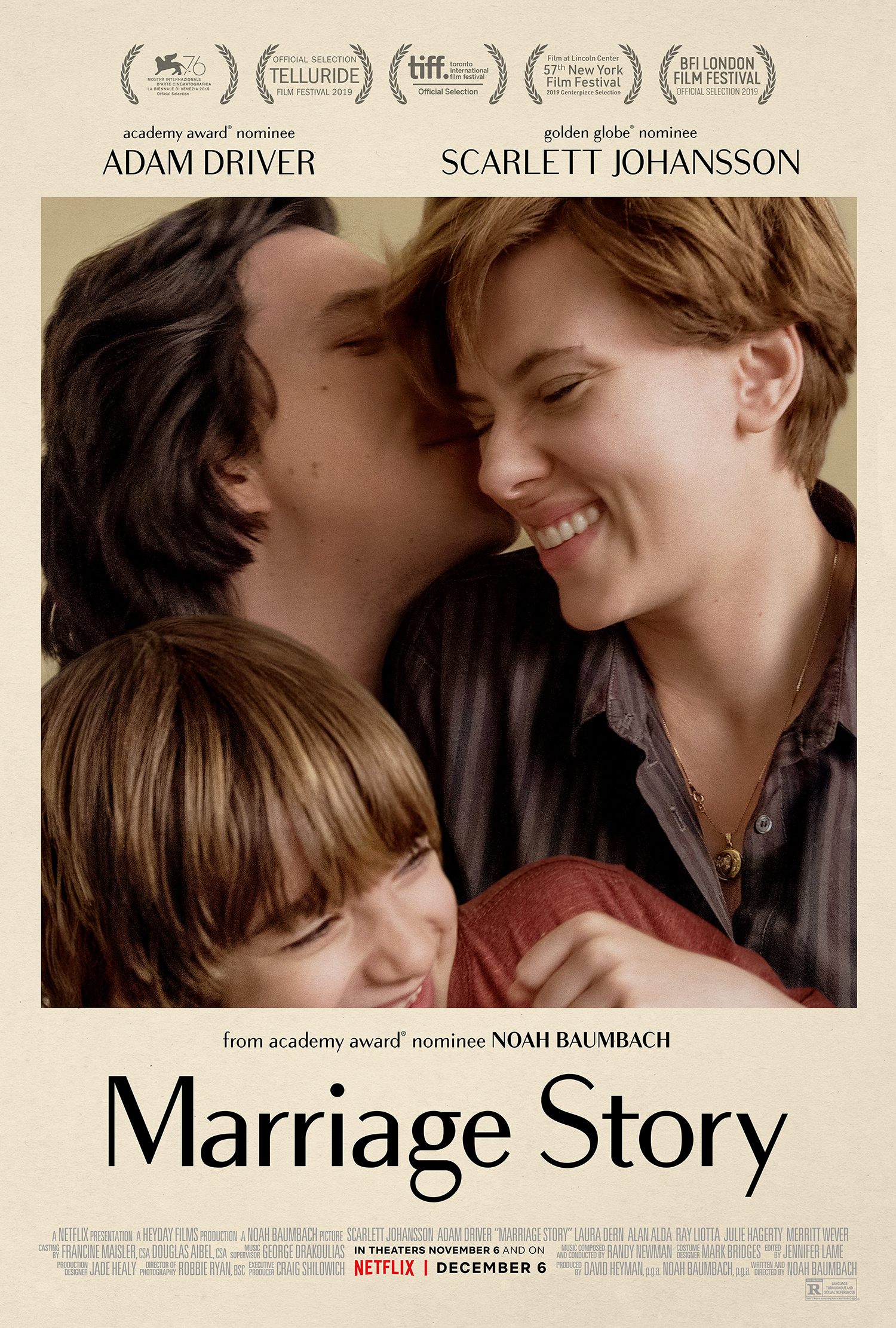
  1. Marriage Story (Noah Baumbach)

Image result for marriage story poster

Yes, the Gerwig-Baumbach household own a significant portion of my top 5. They deserve it. The film is Noah Baumbach’s love letter to Ingmar Bergman’s Scenes from a Marriage (1974), and he understands the purpose of the Swedish classic. Adam Driver and Scarlett Johansson are both fully formed characters with individual passions and needs who I can genuinely believe once loved each other but have since fallen out of love.  Their divorce is brutal but necessary. It takes its toll on both of them, yet both end up the better for it.  Driver’s character beginning to understand this while impromptu singing “Being Alive” at a restaurant is the scene of the year and is just one of the many emotionally poignant moments the movie has to offer.

  1. For Sama (Waad Al-Kateab and Edward Watts)

Image result for for sama poster

Not only is For Sama the best documentary of the year, it’s one of the best documentaries I’ve ever seen. The Oscars have nominated a documentary about the ongoing war in Syrian each year since the conflict began (they actually nominated two this year), but For Sama elevates itself almost entirely by it’s framing device. The titular Sama is the infant child of director Waad Al-Kateab. Waad and her husband Hamza are the heads of the last standing hospital in Aleppo, and the film follows their struggle balancing their personal need to help the people of the city they love and to protect their infant. Sama’s presence brings a sense of reality to the ongoing conflict, and the film left me visibly shaken.

  1. The Souvenir (Joanna Hogg)

Image result for the souvenir poster

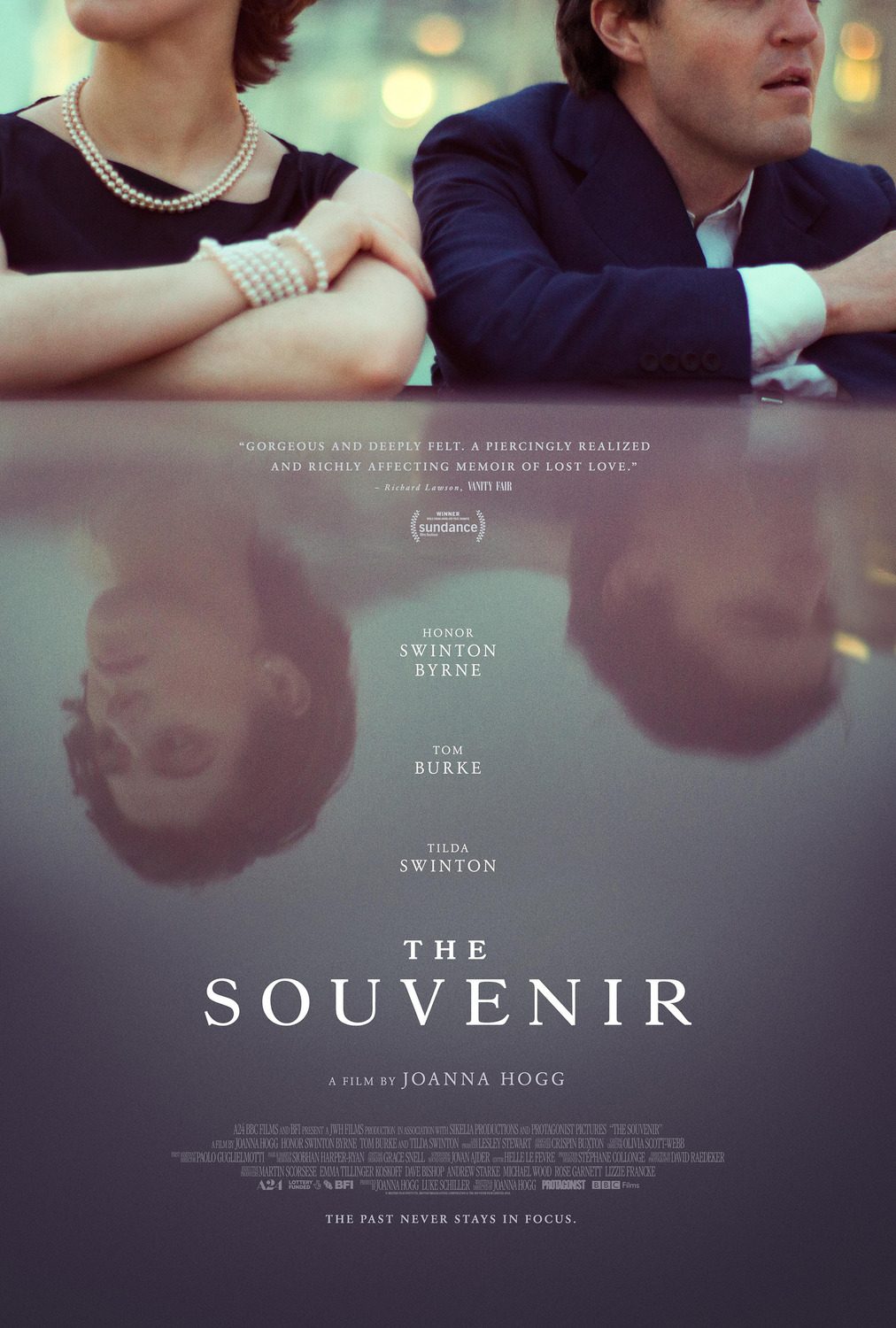
This movie! I don’t know how to explain the artistic beauty that is this film. Incredibly personal, I felt intrusive just watching this semiautobiographical video memoir.  The film is quiet and understated and I can’t possibly do it any justice. Honor Swinton Byrne is perfect in her first ever feature. Her depiction of uncertainty in a world that assumes she knows what she’s doing resonates intensely. Tilda Swinton (Honor’s real life mother) is perfect as always, and understands that it’s her job to support her daughter both as a character in the film and as a supporting actor. This film is just perfect in every way.

Honorable Mentions

Alice (Josephine Mackerras)

Image result for Alice (Josephine Mackerras)

Now for my one film that no one has seen because it’s not even officially been released. If Alice had a 2020 release date, I’d have punted it to next year’s list, but unfortunately the film currently has no release date at all.  I was lucky enough to see this film at the Seattle International Film Festival and instantly fell in love. What could have been a story as old as time, Alice (Emilie Piponnier) finds herself in need of money and becomes an escort, is reclaimed with a decidedly feminist twist. Alice refutes the sexism that tells women they should be ashamed of ways they choose to use their body.

The Beach Bum (Harmony Korine)

Image result for beach bum

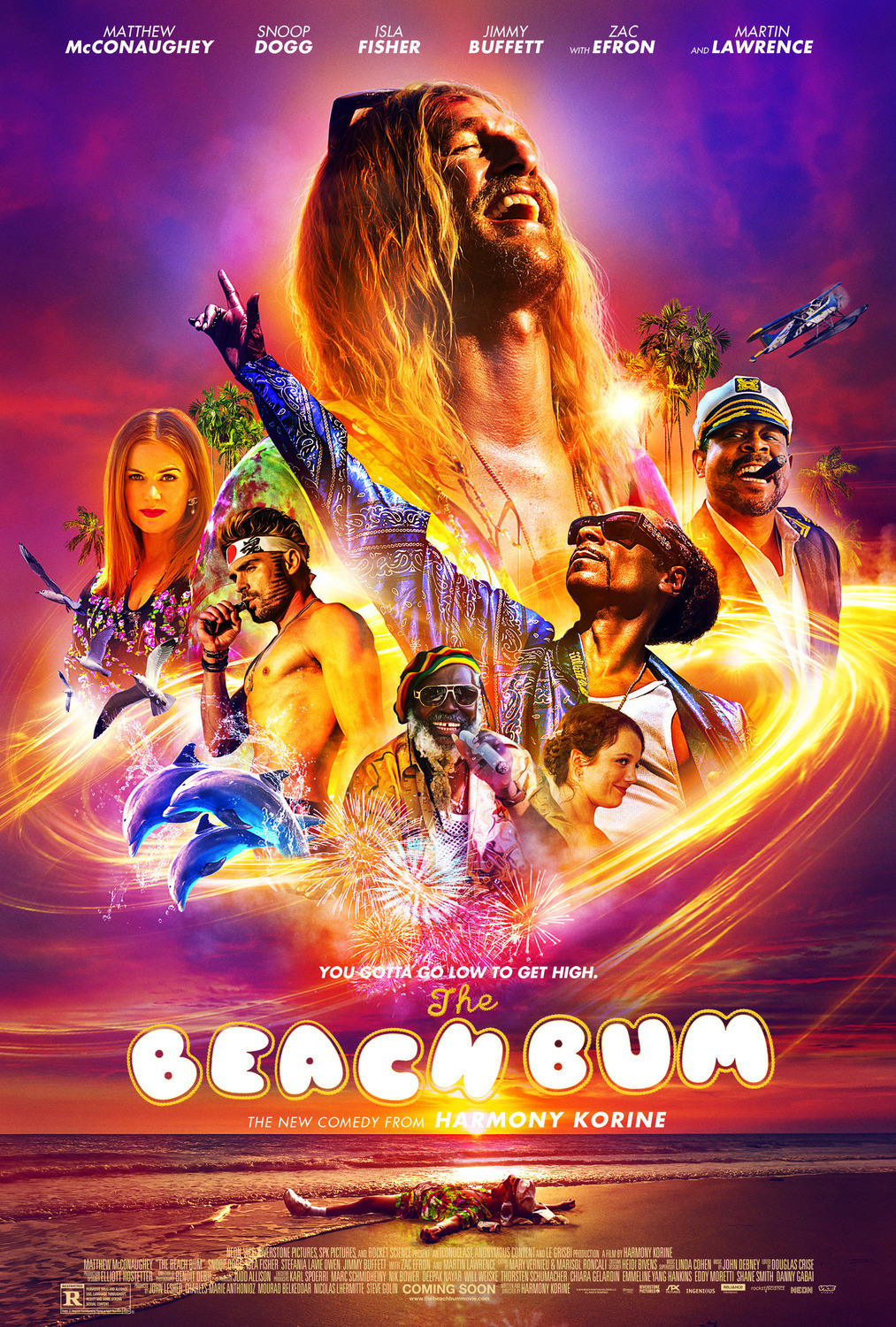
I’m definitely more predisposed to be on the side of a Harmony Korine film than most (Spring Breakers was in my top 5 of 2013, and I think Gummo is an underappreciated masterpiece).  If anything, The Beach Bum lost some points in my eyes as being Korine’s most approachable film to date.  But even if the film lacks some of Korine’s more artistic flare, he and McConaughey combined to create a brilliant character study that fits well in Korine’s body of work.

The Last Black Man in San Francisco (Joe Talbot)

Image result for the last black man in san francisco

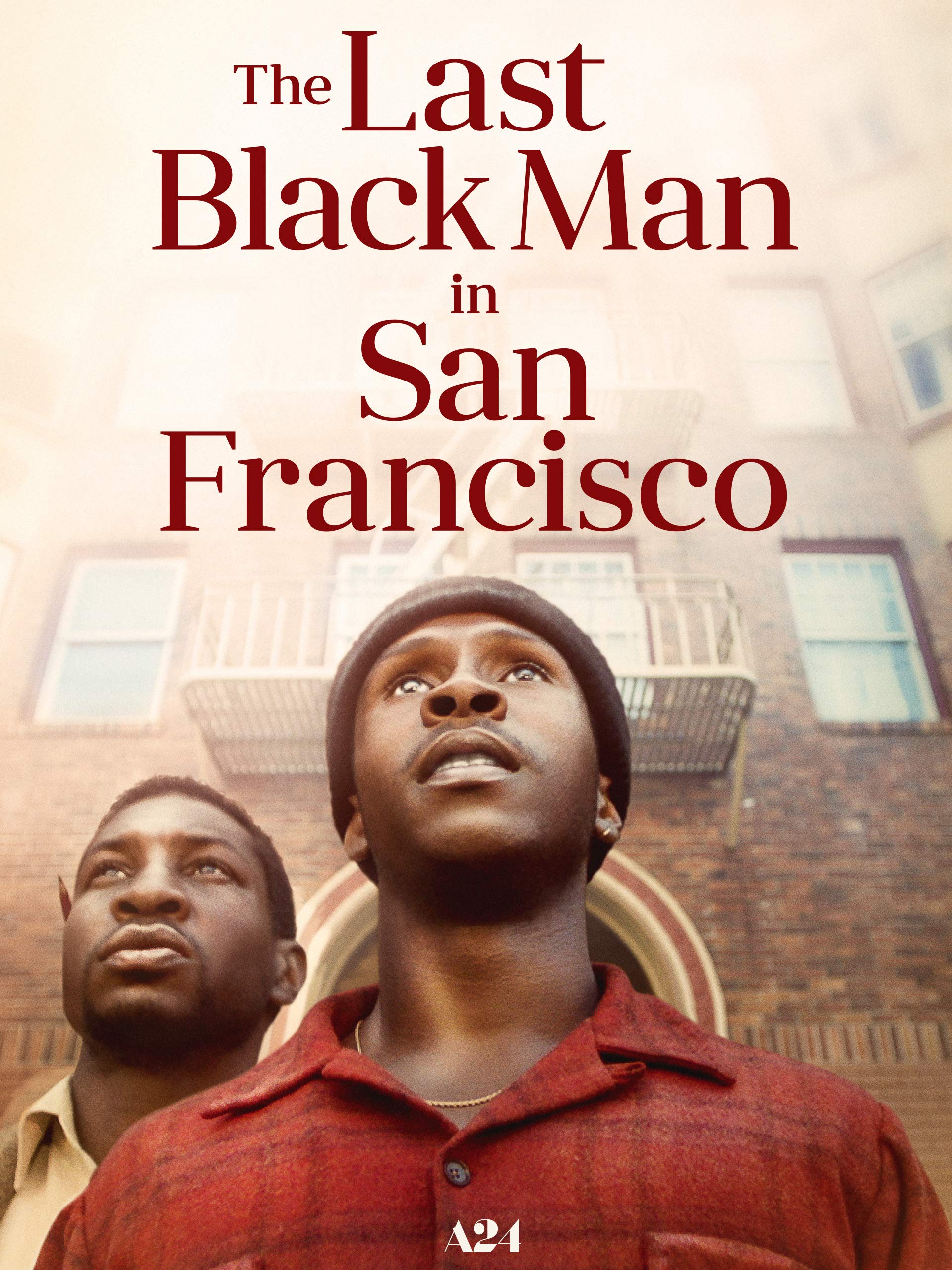
This film left me with so many questions. I had no idea how many of the surrealist moments were intentional, or if the entire film was one big surrealist fantasy. I do know that this film spoke to me on multiple levels. The anti-gentrification message spoke to me as a socialist, Jonathan Majors’s character resonated with me as someone constantly uneasy in public, and Joe Talbot’s direction moved me artistically.

Teen Spirit (Max Minghella)

Image result for teen spirit

I may be the only person with this film on her year end list, but I don’t care. This film was infinitely better than it had any right to be. In the year 2019 we have zero need for an American Idol commentary film, yet Teen Spirit just works.  Much of why it works is because of Elle Fanning.  Entrusting a 20 year old (at time of release) with an extremely personal character study is a recipe for disaster, but Fanning proves more than able. Her rendition of the best pop song of the decade (Robyn’s “Dancing on My Own”) doesn’t hurt my recommendation any either.

Queen & Slim (Melina Matsoukas)

Image result for Queen & Slim poster

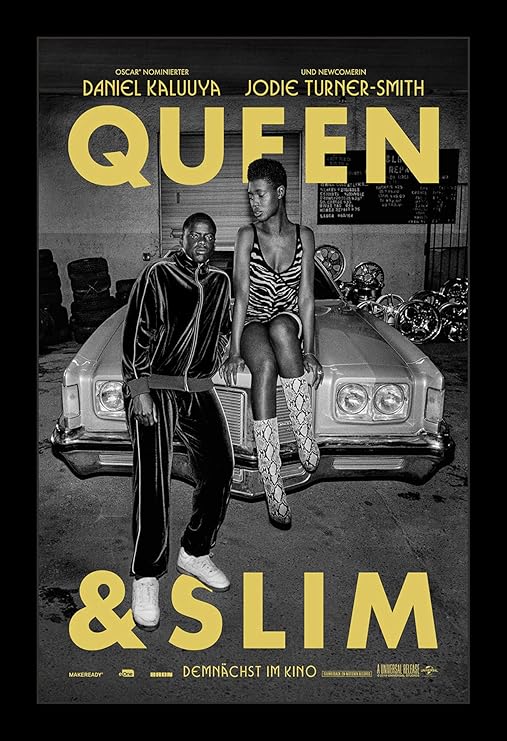
If you’re looking for proof that melodrama isn’t a bad thing, look no further than Queen & Slim. Every moment of this film is heightened beyond reason. Every action is one of life or death for the titular characters either figuratively or literally.  Jodie Turner-Smith and Daniel Kaluuya lean into the altered reality of the film and accept their transformation for Bonnie and Clyde proxies to resistance figureheads.  The result is a film that is exaggerated beyond belief in the best possible way.

Bombshell: Why Men Shouldn’t Make #MeToo Movies

Let me get this out of the way. I’m not saying that men should actually be barred from the making of films about certain topics. I’m also not saying that men are never the victims of sexual violence. What I’m saying is that inherent in the #MeToo movement is something distinctly feminine that the average male director, that Jay Roach, does not intrinsically understand.

Bombshell is the story of the sexual harassment complaints filed against Fox News CEO, Roger Ailes (John Lithgow).  The film follows three women who all were recipients of various levels of harassment from the CEO: Gretchen Carlson (Nicole Kidman), Megyn Kelly (Charlize Theron), and Kayla Pospisil (Margot Robbie).  Each woman’s story is told in parallel during the months leading up to lawsuit.  The three differing current career placements represented by these women serves to portray the duration that Ailes’s criminality has subsisted.

Image result for bombshell

All three leads are excellent in their depictions of the real-life Fox News personalities.  Kidman’s time on screen is limited compared to the other two women as her impending and eventual firing is the inciting incident for the lawsuit.  Theron is terrifying in her transformation to the cold and calculating Kelly and serves as primary protagonist.  Meanwhile, Robbie’s Kayla serves as a the more approachable character balancing to the other two women’s jaded demeanor.  Despite the film being sold on its leading women, they have very minimal interaction with each other.  The way each woman individually interacts with the terrible scenario she’s been put in create a feeling of the isolation that reflect each of their realities.  Ailes, and the patriarchal hierarchy, turns them all into victims with no where to turn if they have any hope of working in their field again.

There-in lies the problem in this film’s ability to be a depiction of the #MeToo moment.  The reason that the movement exists, and why it specifically is attached to a hashtag, is to help women understand that they aren’t alone in their reality.  At one point in the film, Kidman’s character comments on the inability for the women in Fox News to work together in response to her refusal to call Megyn Kelly.  This theme is again touched on when Robbie’s character calls her coworker and friend Jess Carr (Kate McKinnon) in tears over the abuse she withstood, and McKinnon’s character only wishes she could have done more. These scenes could easily have been expanded upon and become the thesis for the film, exploring how powerful men abuse women and then use their power to isolate them. Instead Roach is more interested in regurgitating history and asking the audience to cheer as a monster gets his due without exploring the emotional core behind these stories.

Much of the communication between women about Ailes’s harassments is short snippets with minimal to no dialogue. Instead of victims comforting each other, the interactions between women is shot akin to gossip circles by Roach’s directorial decisions. Kelly’s investigation into the extent of Ailes’s harassment results in a chain reaction of women confronting each other to get names of their abusers. When the women do so, they don’t offer hugs of support, but confront one another somewhat stealthily in locations they could be caught. Even if this is the truth, this codes women as being conniving as opposed to supportive. This decision further makes the story about the Ailes and the other Fox News abusers rather than their victims.

Interestingly, despite the, justifiable, critical acclaim the three leading women are receiving for there performances, it’s in the supporting roles that I find the hints of what would have helped this film achieve what it’s being connected to.  The strongest moment of the film is the scene mentioned above where Robbie calls McKinnon in tears. In the few moments McKinnon has on screen during this scene she’s excellent. McKinnon’s character clearly feels terrible for turning down her friend earlier when she was approached in need.  Unfortunately, after using this tearful moment to emotionally activate the audience, these two characters never have a speaking moment between each other again.  The film refuses to let these women form a support network during what must be the hardest moments of Robbie’s character’s life.

Image result for bombshell robbie mckinnon

The other minor characters who do their best to exemplify what a film in the #MeToo movement should be are two of the staffers in Megyn Kelly’s crew: Lily Balin (Liv Hewson) and Julia Clarke (Bridgette Lundy-Paine).  They along with Gil Norman (Rob Delaney) serve as Kelly’s professional guidance, and eventually her support in deciding weather or not to go public. We can discern through context clues that Kelly eventually informs Balin and Clarke of what happened to her, but the only scene of Kelly confiding in anyone is when she informs Gil, the man on her team. Liv Hewson in particular is the highlight of the film. Her character seems committed to supporting Kelly in coming forward about her experience even to the detriment of her own career.  She exemplifies what the movement is and what a film about the movement should be, yet we barely see any interactions between her and Kelly.

Image result for bombshell Liv Hewson

Maybe Bombshell lives up to the goals that Jay Roach set out for it. He took an obvious villain, and made his viewers cheer when said villain was caught and fired while delivering a few cries along the way.  In that way, it is true that Bombshell depict an incident that was an integral part of the #MeToo movement, but by denying the women in his film any of the emotional connection that the movement represents, Roach failed to create a #MeToo film.