A 2021 Film Journey: Day 5

Bear with me, I’m going to take you on a journey about my movie pick for today. In the end of 2011, my love for movies was already well established, but I had never really tracked what I had watched before. Then, in service of building my excel skills for my resume, I started keeping track of all the films I watched in the spreadsheet. Nine years later, it’s time to log my 2,000th unique film. It may be completely arbitrary milestone, but since I noticed it, I thought it was worthy of something a little special. I’m still working through my 2020 back log, but only one of the films on my list stars my favorite actress…

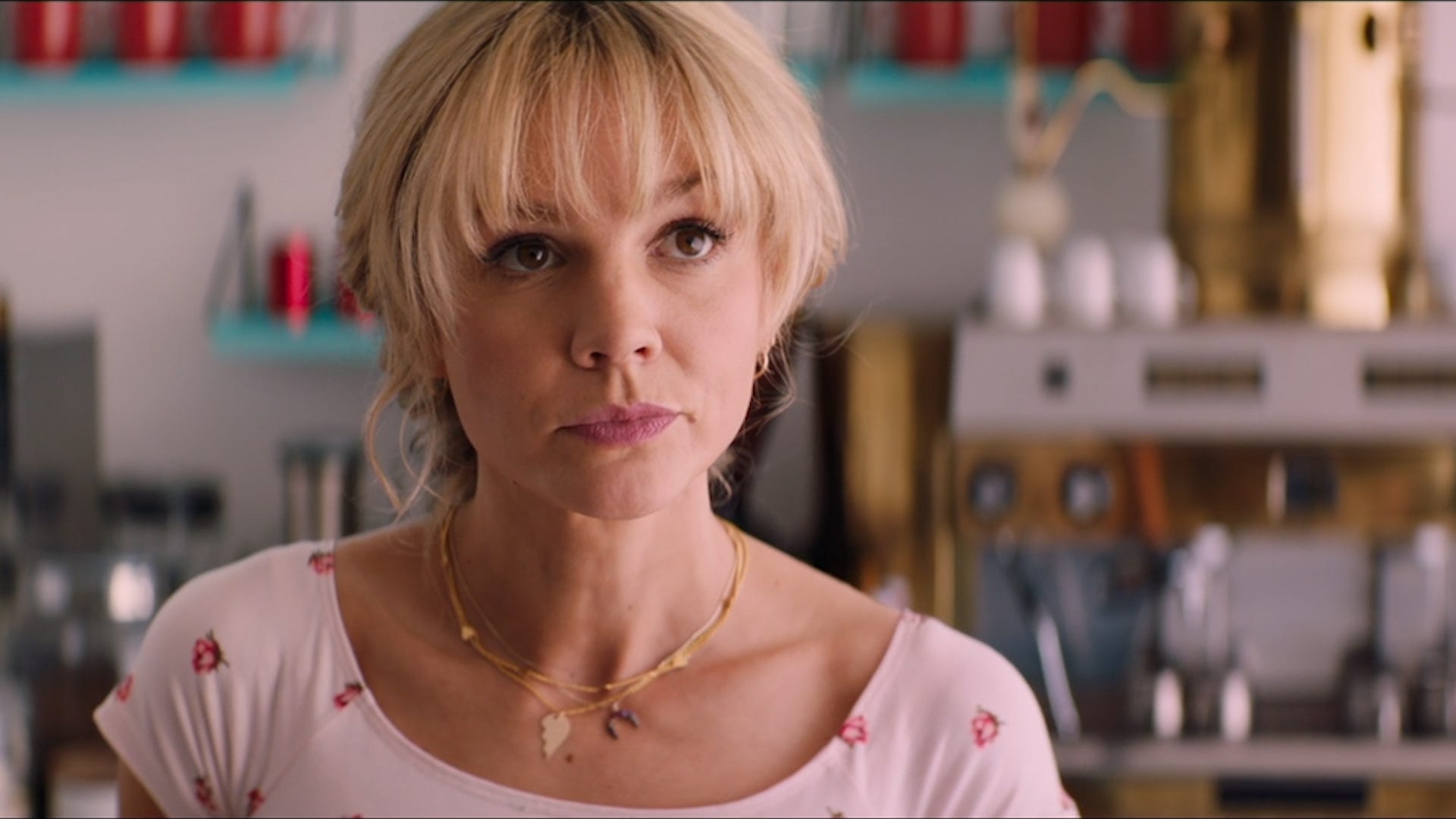
Promising Young Woman (2020, Dir. Emerald Fennell)

Carey Mulligan is ready to shock you with 'Promising Young Woman'

I’m so glad that I chose this film for this makeshift movie milestone. As I hinted at above, Carey Mulligan is my favorite actress. Ever since watching her performance as Sissy in Shame (2011, Dir. Steve McQueen) on the big screen I fell in love. Her newest performance as the 30-year-old Cassie in Promising Young Woman is another masterful role under her belt. The entire film hinges on her performance, and she sells the traumatized to the point of being violently unhinged while still seriously hurting and fragile. Every decision she makes feels perfectly in character. She even manages to overcome a less than tonally appropriate performance by her co-star Bo Burnham keeping the story focused.

Emerald Fennell shows a wealth of cinematic knowledge for someone making her first film. Playing off the traditional revenge fantasy trope, Fennell taps into the deeper horror that permeates the psyche of a woman forced to undergo the worst thing imaginable. The revenge in Promising Young Woman never takes on a cathartic feel; the damage has been done and the revenge acts only as punishment, not as a release from the pain. Trauma is unending, and that is what makes the damage so insidious. Cassie may have lived a decade past the event, but her life ended that day.

A 2021 Film Journey: Day 4

Today was my first day back to work, and I honestly was not feeling it. Combine that with the beginnings of a sinus infection coming on, and I felt like in contrast with yesterday’s horror extravaganza, today would be a good time for something more heartwarming. Today, heartwarming means animated. I’m not trying to fall for the animated equals family friendly cliché, I promise at some point this year I’ll tackle some challenging animated films, but for today that’s what we’re going with. Sticking with animated also let’s me cross another 2020 film off my list, specifically…

Soul (2020, Dir. Pete Doctor and Kemp Powers)

Soul' reviews: What critics are saying about Pixar's newest film

Peak, late aughts, Pixar was so exceptional, that it made the concept of a Pixar film a near impossibility to live up to. Soul, like Onward (Dir. Dan Scanlon) from earlier in the year once again fails to live up to those lofty heights. While Soul was the standout of the two, watching it was the more depressing one as it came close to capturing some of that late aughts magic, only to be weighed down with decisions that have become all the too common in Pixar films.

What worked for me the best in the film was everything to do with Jazz. Pete Doctor and Kemp Powers do a wonderful job of capturing the idea of being in the zone; they use the cinematic language to articulate the world melting around you. Jamie Foxx is wonderful as the Jazz obsessed Joe. On the other hand, Tina Fey as the soul 22 was a serious detriment to my viewing experience. It’s not that she’s a bad actress, but she’s too much of an actress for the role. 22’s purpose in the film should be as a catalyst to propel growth in Joe, but the comedic sidekick casting is overbearing. It’s Disney deciding that nuance isn’t something that should be embraced but stamped out in order to appeal to the lowest common denominator. Not every animated film needs to be WALL·E (2008, Dir. Andrew Stanton), but I worry Disney is too concerned with money to ever allow Pixar a film that nuanced again.

I don’t want to end on too negative a note, I liked Soul more than I disliked it. I just wanted more from it. So as not to end on a sour note, I decided to watch one more thing. A personal goal I do each year, and that you’ll see a lot more posts on when it comes time, is watch everything that’s nominated for an Oscar, any Oscar. That’s why after watching the animated Soul, it seemed like a good time to check out an animated short frontrunner.

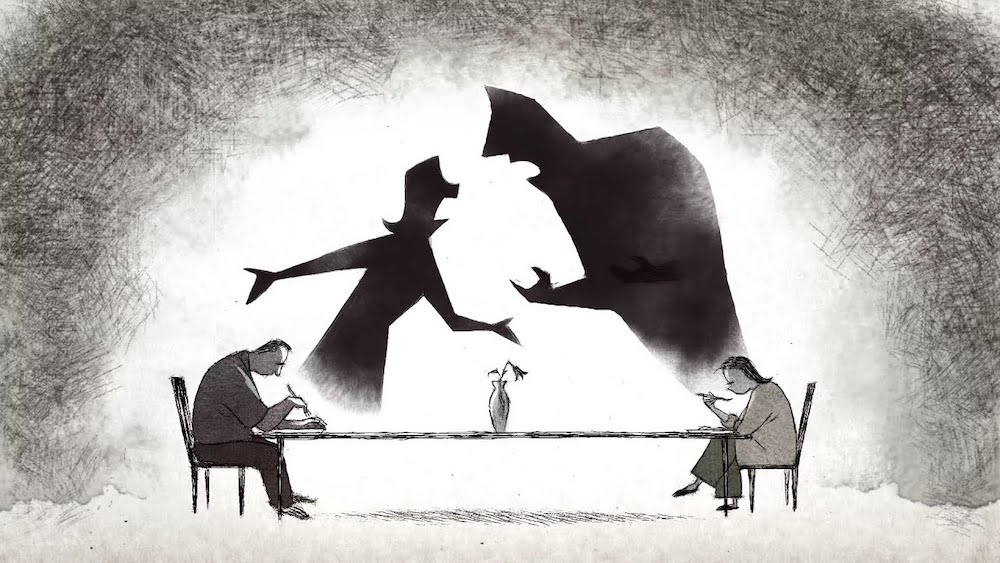
If Anything Happens I Love You (2020, Dir. Michael Govier and Will McCormack)

Short Films in Focus: If Anything Happens I Love You | Features | Roger  Ebert

And I immediately eat my own introductory words by watching this beautiful but heart wrenching animated short about two parents grieving their child who died in a school shooting. The minimalist art style of the short heightens the morose subject matter. Significant white space breaks with the conventional norm to build the sense of isolation and listlessness. Characters existing both as bodies and shadows highlight the dissociation that comes from trauma.  A moving depiction of an awful reality.

A 2021 Film Journey: Day 3

We’ve been in an artsy horror golden age for a while now. A24 has lead the way with their take on the genre, primarily long and slow burns. Even further outside of the norm, there’s been a renaissance of loud synth scored, neon highlighted horror films that have become their own unique genre. Nicolas Winding Refn’s may have the most prominent progenitor of the style, but each year the genre’s output is increasing. Earlier in 2020, I watched the Nicolas Cage vehicle Color Out of Space (dir. Richard Stanley) which was a fun entry if a little basic, but I had a few more 2020 horror films on my list yet starting with…

Possessor (2020, Dir. Brandon Cronenberg)

Possessor' Review: David Cronenberg's Son Has a Mind of His Own - Variety

Brandon Cronenberg proves that he inherited more than just a name from his father. Possessor was a brilliant horror thriller that borrowed just enough of Brandon’s father David’s penchant for body horror to create one of the most thrilling options this year. The body inhabiting plot seems a little overplayed on paper, but Cronenberg cranks the style to 11, fading back and forth between the characters inhabiting a single body, and with Jennifer Jason Leigh almost celestial voice beckoning from afar.

Short post on the film today, because after watching Possessor, I watched…

She Dies Tomorrow (2020, Dir. Amy Seimetz)

She Dies Tomorrow review: figuring out how to spend your last day is really  damn hard - The Verge

While this film did not quite fit into the specific sub-genre I mentioned at the opening, it is an example of artistic revolution undergoing low budget horror. While Possessor relied on style to enhance the somewhat generic substance, She Dies Tomorrow thrived on its bat shit premise. Taking the concept of ideas as contagious to its most literal resulted in a truly unique experience. An extremely funny horror film that somehow never feels outright comedic, She Dies Tomorrow was a great watch.

And because tomorrow I’ll have less time when I go back to work, I decided a third 2020 horror film wouldn’t kill me and watched…

Run (2020, Dir. Aneesh Chaganty)

Run' Review: A Wheelchair-Using Teen Tries to Escape Her Sadistic Mom -  Variety

Of the three films I watched today, Run is the most conventional both in plot and style, but it makes up for that by just being the best realized and an utterly terrifying film. Director Aneesh Chaganty comes off his gimmicky but highly effective Searching (2018) and proves that he’s just as talented at building tension with a moving camera as he is confined to a computer screen. Highlighted by an unhinged Sarah Paulson and a miraculous debut performance by Kiera Allen, Run was a great final film of the long weekend, and final film of the first weekend of this challenge.

A 2021 Film Journey: Day 2

A task that has become progressively more polarized for me each year has been coming up with a best films of the year list each year. I love the practice of sitting down and working my way through the films critics decided were the best, as well as others that had been on my list for other reasons, but the pressure to find things before the end of the year stresses me out. This year, I allowed myself a slight reprieve, and instead of cramming everything in by December 31st, I’m working my way through my to-watch list and will put together my final thoughts when I’m ready. Speaking of 2020 films on my to-watch list…

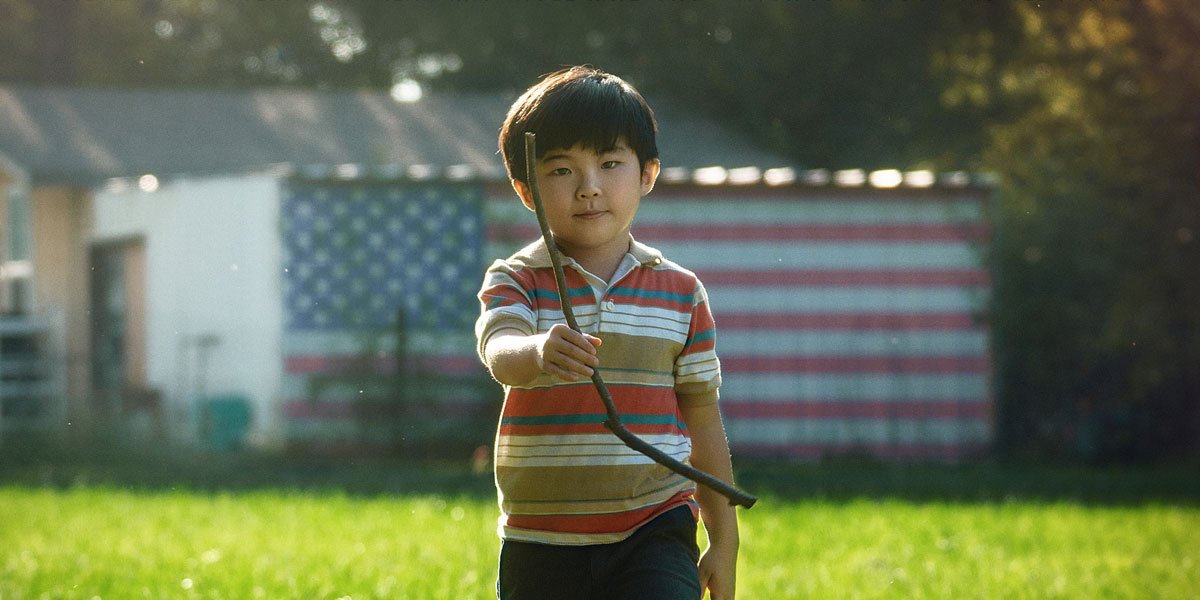
Minari (2020, dir. Lee Isaac Chung)

Montclair Film Festival Review: 'Minari' is an Intimate Look at  Assimilation - Awards Radar

Much like the Criterion “C” at the beginning of a home release, any film that begins its runtime with stylized A24 is going to have my attention. A24 existing as a low budget outlet for creative voices to make bold statements unbeholden to the impact on box office performance. Minari is the perfect film for the studio in that sense. While an American film, the dialogue is primarily in Korean, and the drama of the Korean-American Yi family is not something that will play to the masses.

Despite all of this, for people willing to give the A24 brand a watch, Minari does what so many of their dramas accomplish: highlight the universal through the specific. The film is portrayed as a classic American Dream story when the family purchase a farm in Arkansas. Unlike the American fairy tale that has been told for generations, the American Dream has never been true. There will be no pulling oneself up by their bootstraps. Instead, the film focuses on how the poisonous indoctrination to father capitalism creates rifts in the family.

I don’t think it’s just my politics that are finding this reading; the only way that the film is specifically dated as being from the 1980s is through a Ronald Reagan name drop after all. The movie opens with their relocation to the remote acreage that will become their farm, and from the beginning it’s clear that the father is making decisions for the family in accordance with his dream.  While he may think it’s in the family best interests, it’s clear that it’s not. The mother, rightfully, counters that the lure of financial independence is no reason to live an hour away from the nearest hospital when you have a child, David. with a potentially deadly heart condition. This argument once again comes to a head when the family is in an Oklahoma City hospital for David to get an ultrasound, and the father chooses the safety of his crop samples over being with David for the appointment. The climax of the film, which I’ll avoid spoiling, plays directly into this thesis as well.


I got a little lost on a tangent with this one. The film is beautiful and will undoubtedly be appearing on my best of 2020 list when I get around to it. It pulled at my heart strings as well as my political mind, and the blurb it receives on an eventual year end list will reflect that. Expect quite a few more 2020 movies in the weeks to come. There’s still 20 or so films that I’d like to see before then.

A 2021 Film Journey: Day 1

There’s nothing special about New Years day. It’s often considered a fresh start, and clearly I’m no different in seeing it as such as I chose to start this project today, but nothing separates today from yesterday. Well one thing does differentiate today from yesterday: I have today off. And because of that important difference, I’m starting my 2021 film journey with…

Fanny & Alexander (1982, dir. Ingmar Bergman)

Film Forum · FANNY AND ALEXANDER II & III

I prepared a section of my couch for the 5-hour 20-minute mini-series version of the Ingmar Bergman classic. With my new weighted blanket covering me (and a bonus 10 pounds of cat on top of that). I was prepared to not move for an extended period while I allowed the film to wash over me, and that mentality proved indispensable to my Fanny & Alexander viewing experience.

Through the first part of the film, I was mostly unenthused. The bloated cast size at the Ekdahl Christmas party with scant appearances but the titular children left me cold toward film. I felt a decisive lack of a welcoming presence for me as the viewer. As the movie progressed, it became more focused, and in doing so I understood the purpose of the opening section. Immediately after the emotional high of the Christmas party, Life for Fanny, Alexander, and their mother Emilie are forced into emotional trauma starting with the death of Oscar, Emilie’s husband and Fanny and Alexander’s father, and then being thrust into an abusive household once Emilie re-marries. As the hours of the film continue, the Ekdahls feel ever further away from the joy from the initial act. The films length enhanced the empathy I felt for each character. Despite the deliberate pace, I found myself anxiously holding my cat tighter than he appreciated, desperately hoping the family could just return home.

And that is how my year started. A restful day filled with a movie from my classic cinema blind spots, and one less movie on my shelf torturing me as something I’ve purchased without seeing. I only hope that the next 364 days will remain as calming as today.

The Best Films of the Decade: Part 7

I really hit a wall, and I am sorry that this series stalled out. The state of the world compounded with my depression to strip of my ability to focus on film for a few months, but it is still my passion am going to do my best to continue writing.

Part 1. Honorable Mentions 101-150 (in alphabetical order)
Part 2. 100 – 91
Part 3. 90 – 81
Part 4. 80 – 71
Part 5. 70 – 61
Part 6. 60 – 51
Part 7. 50 – 41 (below)
Part 8. 40 – 31 (coming soon)
Part 9. 30 – 21 (coming soon)
Part 10. 20 – 11 (coming soon)
Part 11. 10 – 1 (coming soon)

  1. The Fits (dir. Anna Rose Holmer, 2016)

To this day, The Fits is the only narrative from director Anna Rose Holmer, and that is a complete shame. Her debut film uses magical realism to exemplify the uncertainty inherent in graduating from childhood to adolescence. The film takes the viewpoint of its lead character Toni (Royalty Hightower), a young tomboy who spends her time at brother’s side in training in a boxing gym. Intrigued by the group of girls in a dance troupe practicing in the same gym, she begins to discover herself. A wonderful hypnotic film highlighted by a strong debut performance; The Fits leaves me wanting more from the two women at its center.

The Fits — Review | The Reviews

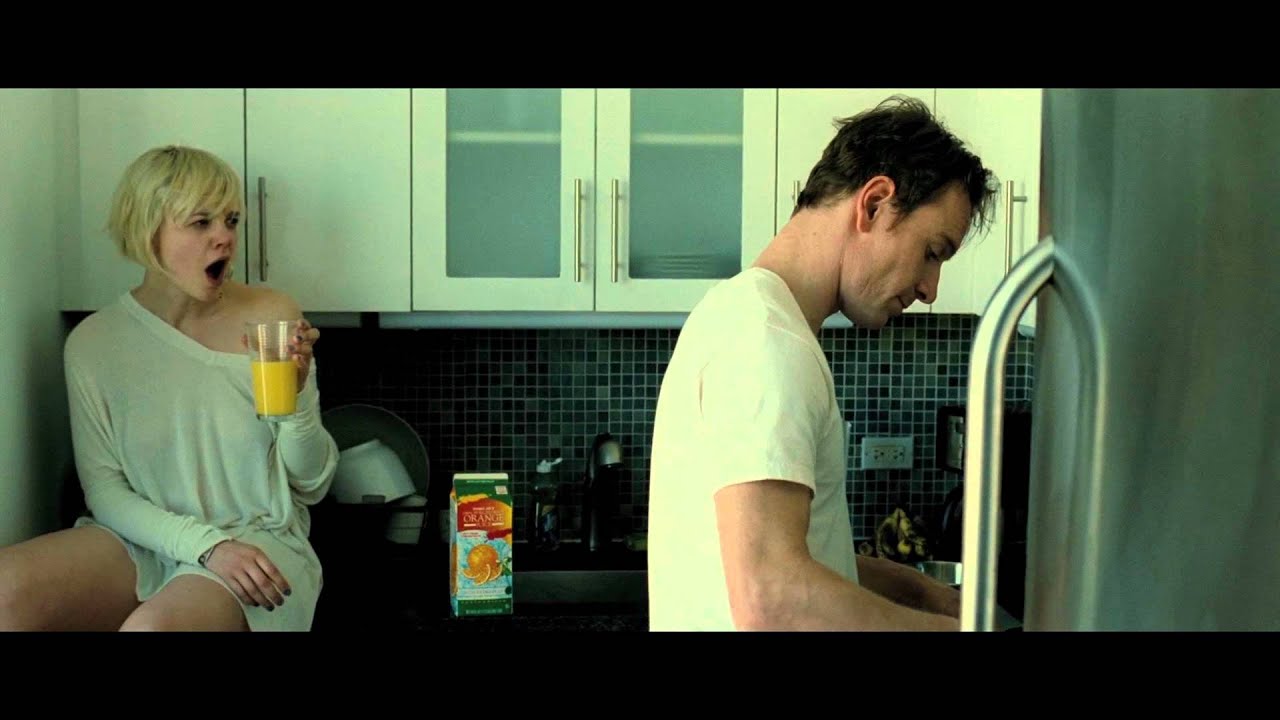
  1. Shame (dir. Steve McQueen, 2011)

Shame is a movie that I can only talk about in the first person. When I first saw the film by myself, I was in a packed theater during the St. Louis International Film Festival. In those circumstances, McQueen’s precision in building tension was overwhelming and resulted in a panic attack. Months later the film hit wide release and I watched it again in a mostly empty theater and a few friends, and the melodrama and oppressive mood again weighed on me, but this time left me flabbergasted in awe. Michael Fassbender acclimates well to McQueen’s intensity demands, but as good as Fassbender is in the film, it was Carey Mulligan’s devastating performance as Sissy that left such an impression on me that I literally named myself after her. Shame is not the best film on the list, but it is the one the undoubtedly had the largest impact on my life.

SHAME Featurette: The Story - YouTube

  1. Frances Ha (dir. Noah Baumbach, 2013)

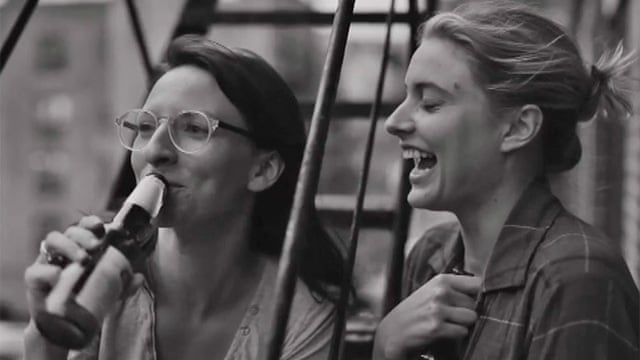
The best of the Baumbach writer/director Gerwig writer/star films, Frances Ha is the perfect quarter-life crisis film. The film’s black and white aesthetic hearkens back to the classic films of the French New Wave which Baumbach sought to emulate. But while the style and story beats may reflect the carefree whimsy of France in the 1960s, it is Gerwig’s performance that transforms the film into a purely American film, and I say that in the best of ways. She manages to combine the young and carefree nature of the French New Wave with the purposeless meandering of the millennial generation who graduated college to find the world was not what was promised.

Frances Ha – review | Film | The Guardian

  1. Inside Llewyn Davis (dir. Joel and Ethan Coen, 2013)

A journey of a man and his cat, except the cat is not his and the journey is nothing but a string of a series of desperate attempts to find meaning in life. Oscar Isaac gives the performance of his career so far as the titular Llewyn, a folk singer trying to continue as a solo act after his partner’s suicide. Because of the lack of sales of the new album, Llewyn couch surfs and jumps at any opportunity to continue in the craft that he loves. The film touches on the loss of passion, and the loss of purpose when it disappears. Isaac spends much of the film displaying different levels of discontent, but said discontent is all because Llewyn knows the passion he once had.

Inside Llewyn Davis - Official Trailer [HD] - YouTube

  1. Her Smell (dir. Alex Ross Perry, 2019)

Elisabeth Moss does not get the credit as a film actress she deserves. Between Mad Men, The Handmaid’s Tale, and Top of the Lake, it is easy to dismiss her a TV actress, but in between those shows she has taken incredibly complex roles in multiple critically acclaimed films. Alex Ross Perry correctly identified Moss as an actress capable of headlining his two plus hour film Her Smell. Moss stars as punk singer Becky Something who is struggling to maintain her fame because of her own self-destructive behavior. The film centers exclusively on her through five scenes in her flailing career while she first loses control and then struggles to regain it. Perry bemoaned his inability to put any money behind an Oscar campaign for Moss and her inevitable snub was egregious as the success of this film is exclusively because of her.

Her Smell - Tyneside Cinema

  1. Clouds of Sils Maria (dir. Olivier Assayas, 2015)

Fun fact, did you know that Juliette Binoche took her role in Godzilla (dir. Gareth Edwards, 2014) to prepare Clouds of Sils Maria. She did it to better understand the character of Jo-Ann Ellis (Chloë Grace Moretz) a young actress know for a young adult science fiction series who after years in camp films sets out to perform in a meaty dramatic role in the play that Binoche’s character became famous for. The film plays on themes of identity and the connection between character and actor. This theme is further enhanced by the meta casting of Kristen Stewart (the standout of the film and best actress of her generation don’t @ me) who’s career essentially mirrors Moretz’s character. Stewart and Binoche are a perfect acting pair and push each other wonderfully as co-leads.

iClouds of Sils Maria | The Current | The Criterion Collection

  1. The Wind Rises (dir. Hayao Miyazaki, 2013)

Whether or not Hayao Miyazaki ever returns to the big screen, The Wind Rises was clearly crafted as a swan song for the acclaimed director. Miyazaki’s love of flying machines its forefront in this film, even more so than his 1992 film Porco Rosso, as it tells the story of real life engineer Jirô Horikoshi who was most famous for reluctantly designing the planes that Japanese fighters used in World War II. While the story is more grounded in reality than any other Miyazaki film, his flair for the fantastical is still distinctly felt through a memorable earthquake scene and plentiful gravity defying dream sequences. What makes the film a perfect swan song is how much Horikoshi’s passion mirrors that of the acclaimed Japanese auteur; with this reading it is difficult to Miyazaki as not treating The Wind Rises as his retirement announcement.

The Wind Rises - Official Trailer - YouTube

  1. Paterson (dir. Jim Jarmusch, 2016)

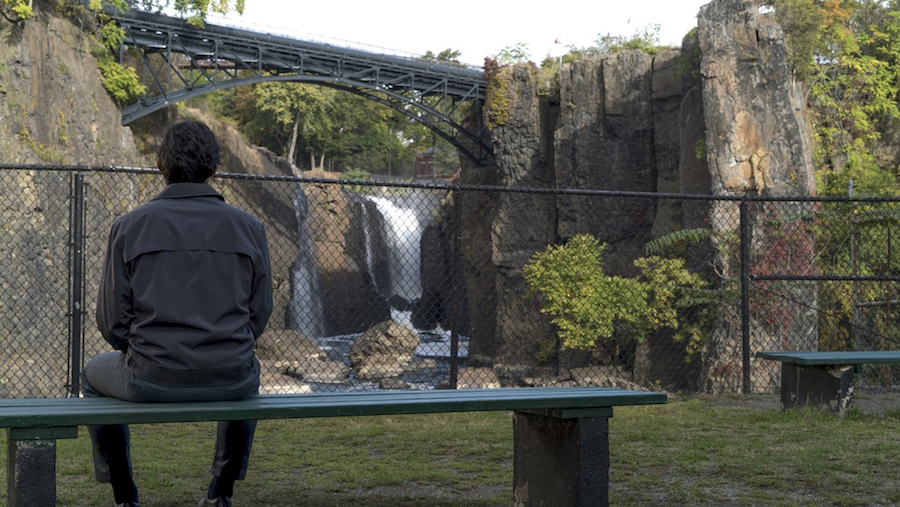
Fresh off his starring role in the highest grossing film of all time (domestic), Adam Driver left the world of lightsabers to return to his independent roots in this quiet poetic slice of life.  Jim Jarmusch channeled his inner Charlie Kaufman in directing by adding moments of absurd surrealism to the otherwise aggressively grounded character study. Driver plays the titular Paterson a bus driver and poet in the living in a city that shares his name.  Paterson’s poetry underscores the entire film, frequently stopping to allow driver to recite pomes in full.  Jarmusch uses this medium of art to reflect on his own craft both bring the creators personal fulfillment while being impermanent and fragile.

The Last Thing I See: 'Paterson' (2016) Movie Review

  1. Phantom Thread (dir. Paul Thomas Anderson, 2017)

A dressmaker is an odd final role decision for an actor oft included in the lists of the greatest of all time, whose acclaim comes from playing larger than life oil tycoons and presidents, but that’s what Daniel Day Lewis declared when he announced Phantom Thread as his final film. While Reynolds Woodcocks profession may not be one that frequently results in epic stories, Day-Lewis’s precision was once again complimented by his There Will Be Blood (2007) director Paul Thomas Anderson’s grandiose vision. Yet, despite the cinema powerhouses of the two men at the center of the film, it is Vicky Krieps performance of Alma that lays at the center of what makes the beautiful period piece work. Her ability to counter Lewis’s manipulative character with her own charisma speaks volumes towards her future.

Made to measure: Daniel Day-Lewis bows out in Phantom Thread - The Irish  News

  1. Shoplifters (dir. Hirokazu Kore-eda, 2018)

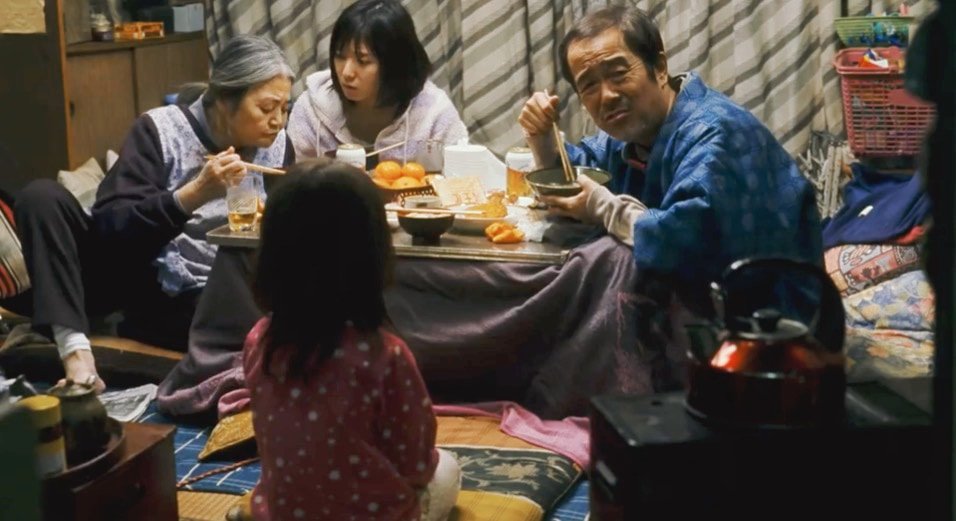
2018’s Palme d’Or winner, Shoplifters is a masterful drama about family.  Reminiscent of Satoshi Kon’s Tokyo Godfathers (2003), a collection of mostly unrelated vagabonds adopts a young girl they find outside, and after finding that she is being abused by her genetic family adopt her into their makeshift family. Their tragic story draws attention to the tribulations thrust upon the impoverished and contrasts the legality of their actions with their necessity.  Despite being hustlers and crooks, the love and adoration shared between the members is heartwarming, and you long for them to stay together despite the struggles.

Is blood enough?” Koreeda Hirokazu on makeshift families and Shoplifters |  Sight & Sound | BFI

The Best Films of the Decade: Part 6

Sorry that the frequency of these lists has slowed substantially, the quarantine is definitely having an affect on my ability to be productive. I still promise to get this list out, I may just need to mix some other creative ventures in between to keep me fresh.

Part 1. Honorable Mentions 101-150 (in alphabetical order)
Part 2. 100 – 91
Part 3. 90 – 81
Part 4. 80 – 71
Part 5. 70 – 61
Part 6. 60 – 51 (below)
Part 7. 50 – 41
Part 8. 40 – 31 (coming soon)
Part 9. 30 – 21 (coming soon)
Part 10. 20 – 11 (coming soon)
Part 11. 10 – 1 (coming soon)

  1. Weekend (dir. Andrew Haigh, 2011)

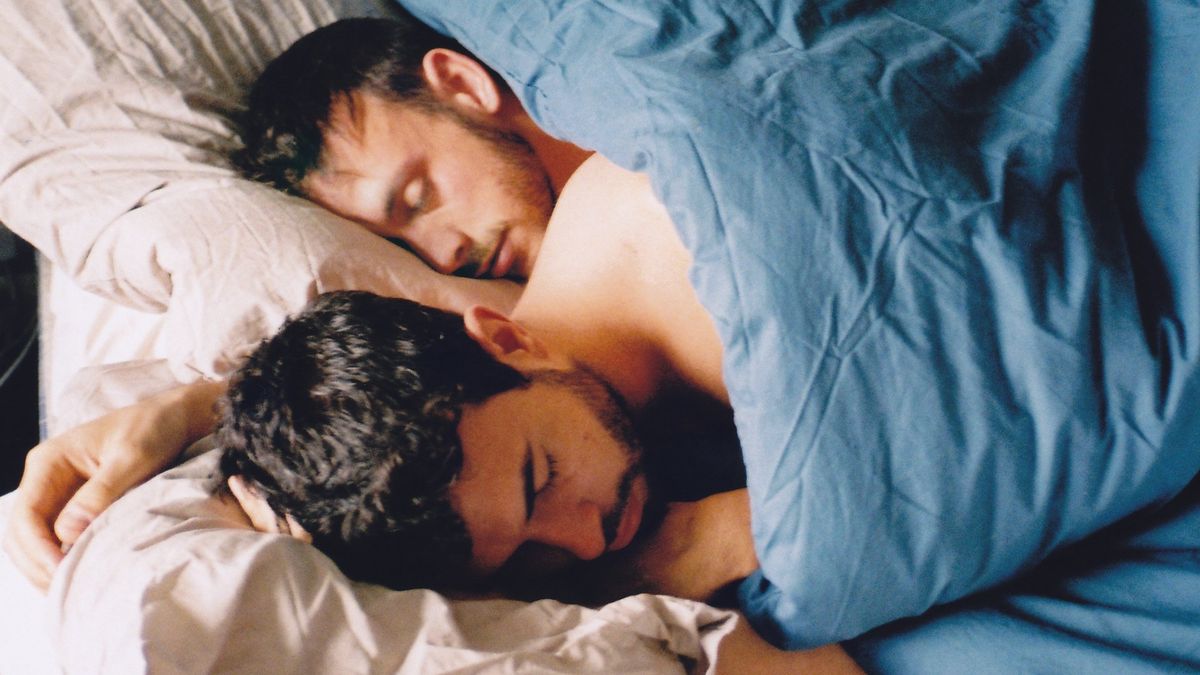
Andrew Haigh’s exploration of the interconnectivity of sex, intimacy, and love is the driving force behind one of the best queer films of the decade. The film begins with Russell (Tom Cullen) heading to a gay club in search of meaningless sex and he finds Glen (Chris New). While the two of them end up meaning much more to each other than they could have imagined, Weekend doesn’t rely on the romance movie cliché of love at first sight. Instead the meaning of sex slowly evolves in a more organic manner.

060 Weekend

  1. Stories We Tell (dir. Sarah Polley, 2012)

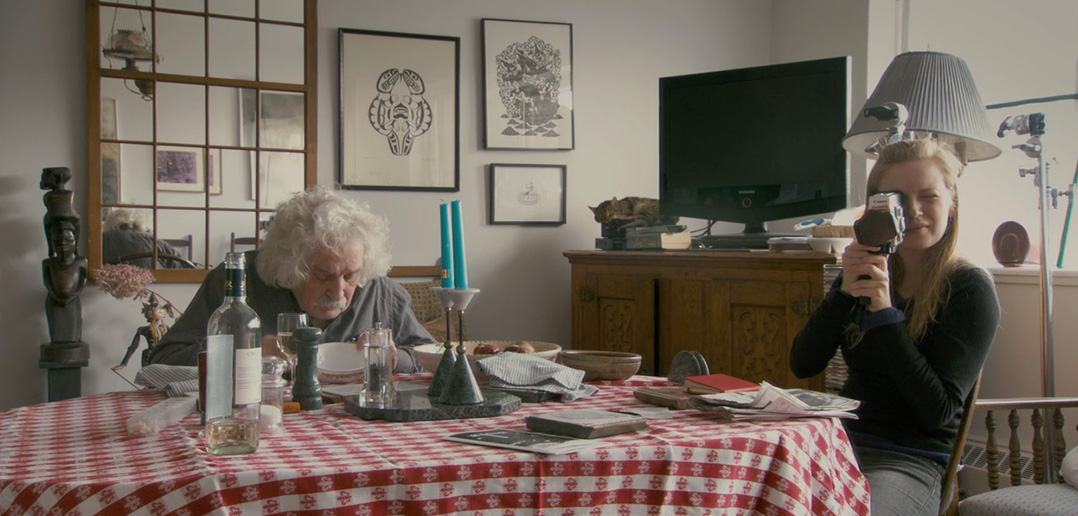
An entirely unique documentary, Sarah Polley’s Stories We Tell starts with a conventional premise, exploring the power of family storytelling, but while interviewing her own family, Polley stumbles onto a long-held secret. This revelation elevates what would have already been a personal exploration into a mesmerizing identity crisis. The talking head documentary type may have largely fallen out of vogue in most critic stories, but Stories We Tell proves that with a strong enough premise even old ways of telling a story can feel new.

059 Stories We Tell

  1. Sunset Song (dir. Terence Davies, 2016)

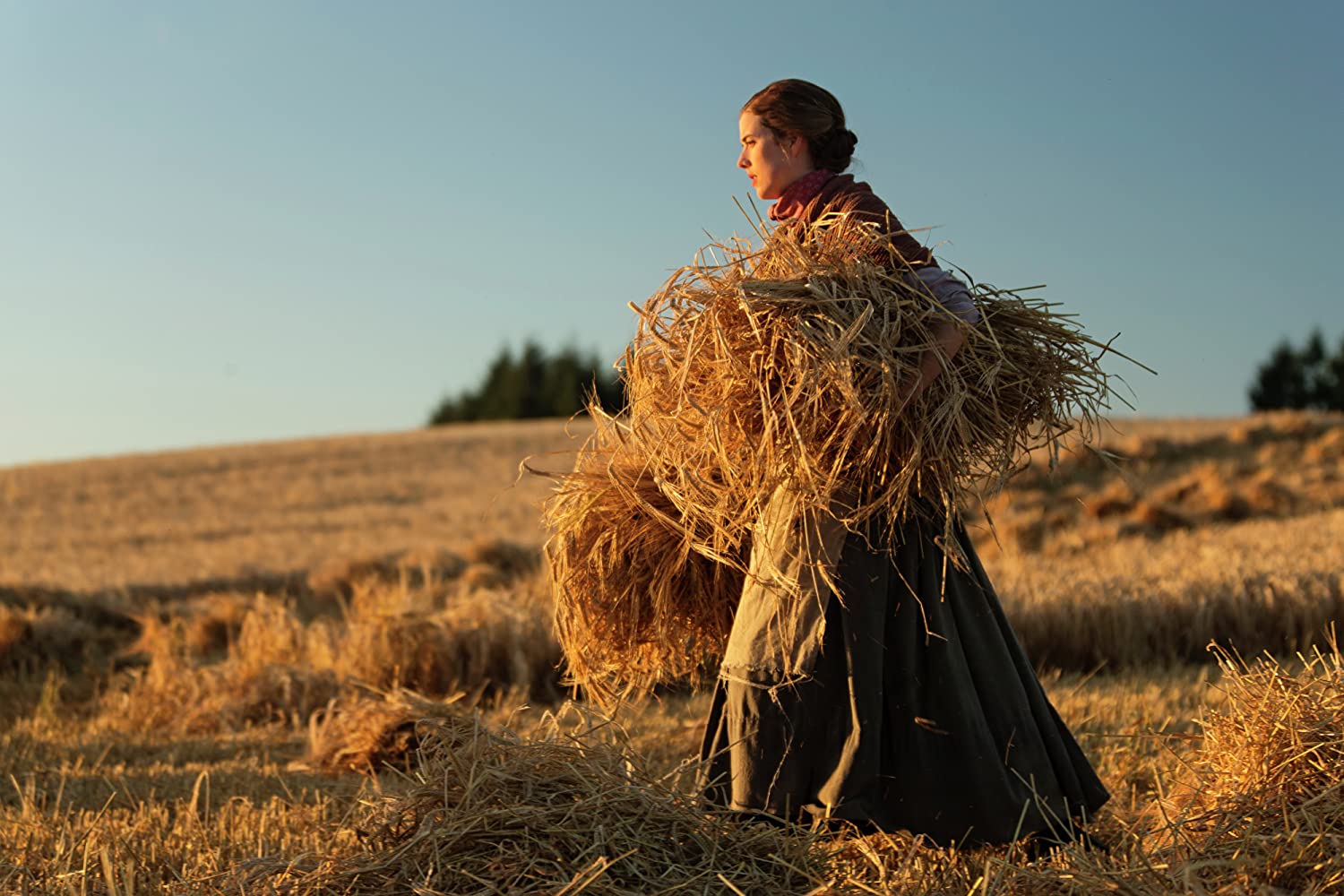
A favorite discovery of mine this decade was English director Terence Davies. All three films he directed in the decade, The Deep Blue Sea in 2012 and A Quiet Passion in 2017 being his other two, were strong contenders for the list. Sunset Song was my personal favorite of the three because I think it captures what he does best. Davies is able to capture womanhood in a way very few male writers and directors can. The film is a gorgeously shot period piece about the strength of a young woman from time where she was not allowed to possess any. Agyness Deyn’s portrayal of Chris is heartbreaking as he suffers the cruel men in her life. With no real power, all she can do is soldier on and live the best life that she is able.

058 Sunset Song

  1. The Tree of Life (dir. Terrence Mallick, 2011)

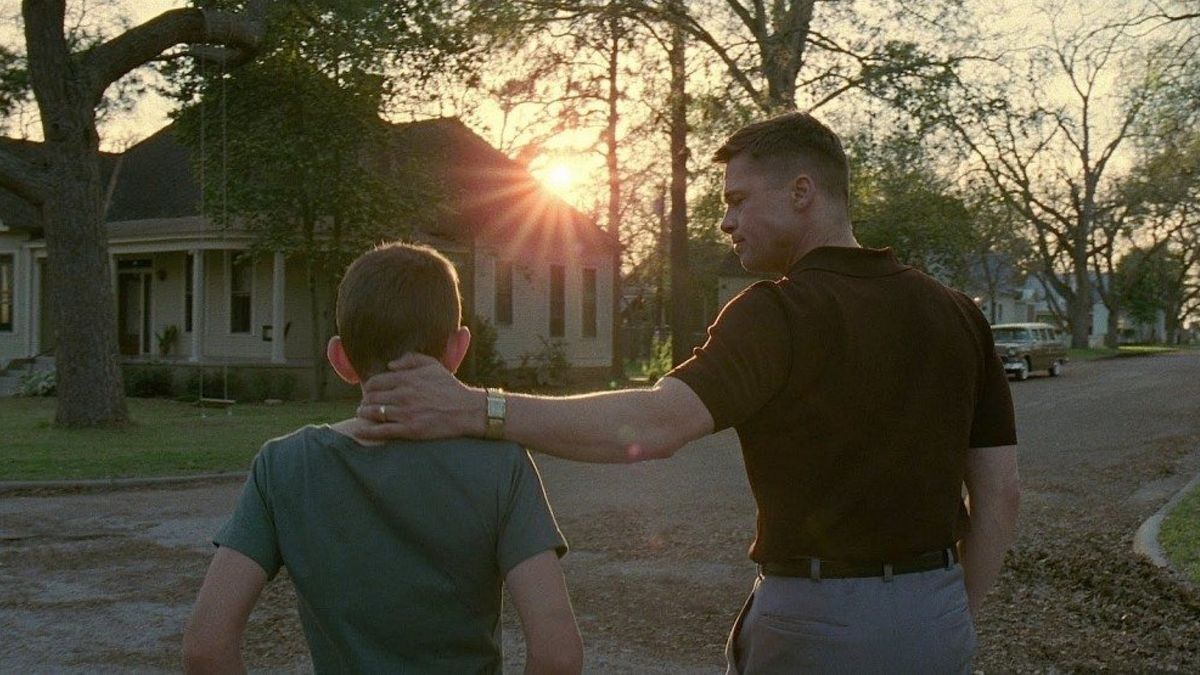
Ever since his 1973 classic Badlands, Mallick’s films became increasingly ethereal, more concerned with mood than plot. After The Tree of Life won the Palme d’Or this mood forward style became a dominant trend in the US art house scene resulting in many subpar copycats (including a few by Mallick himself). And while the impact The Tree of Life had on cinema may not be exclusively positive, there is no denying that it is a masterfully crafted film. Mallick’s shoot everything and find the film in the cutting room approach mixed perfectly with the decades best cinematographer Emmanuel Lubezki capturing beautiful imagery for Mallick’s poetry and Alexandre Desplat’s score to mesh with.

057 The Tree of Life

  1. Certain Women (dir. Wim Wenders, 2011)

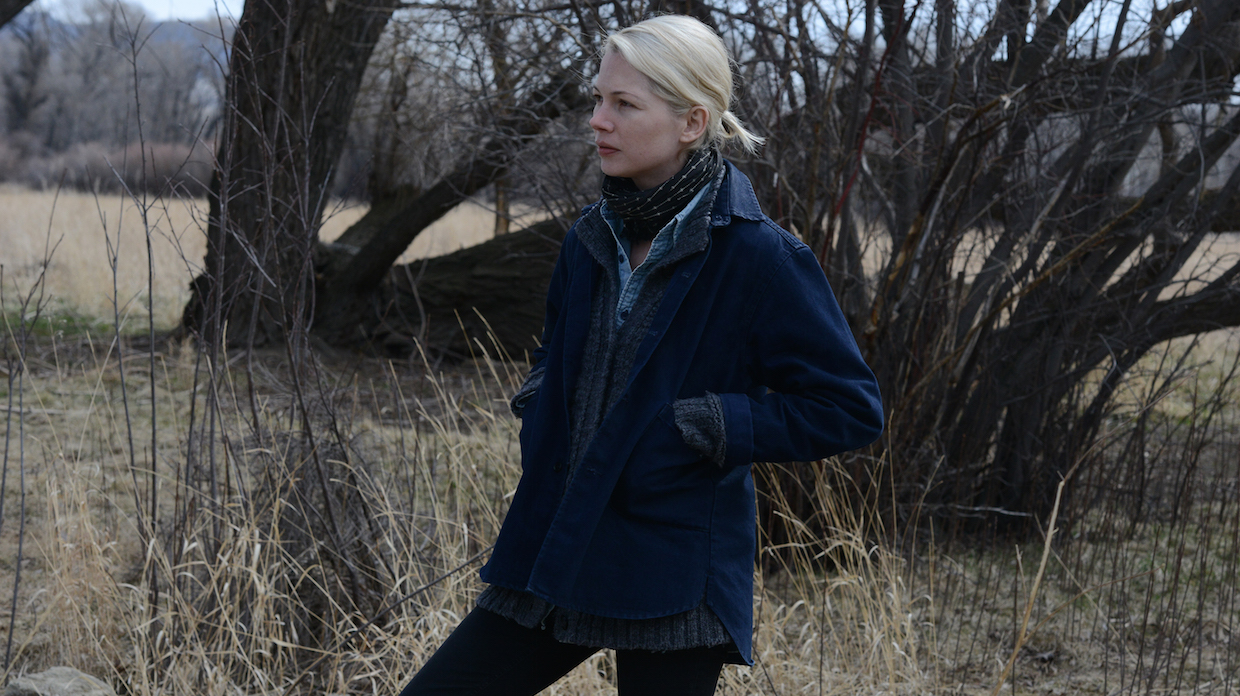
Kelly Reichardt very well may be my favorite active director, and the quarantine causing me to miss her new film First Cow was personally frustrating. While some may consider her films to be slow, the time that she gives her characters to breathe create the depth that makes them endearing.  Even in the vignette styled Certain Women, each character feels fully formed. All four actresses Laura Dern, Michelle Williams, Kristen Stewart, and Lily Gladstone capture women in completely different places but who still share a universality in being women.

056 Certain Women

  1. Eighth Grade (dir. Bo Burnham, 2018)

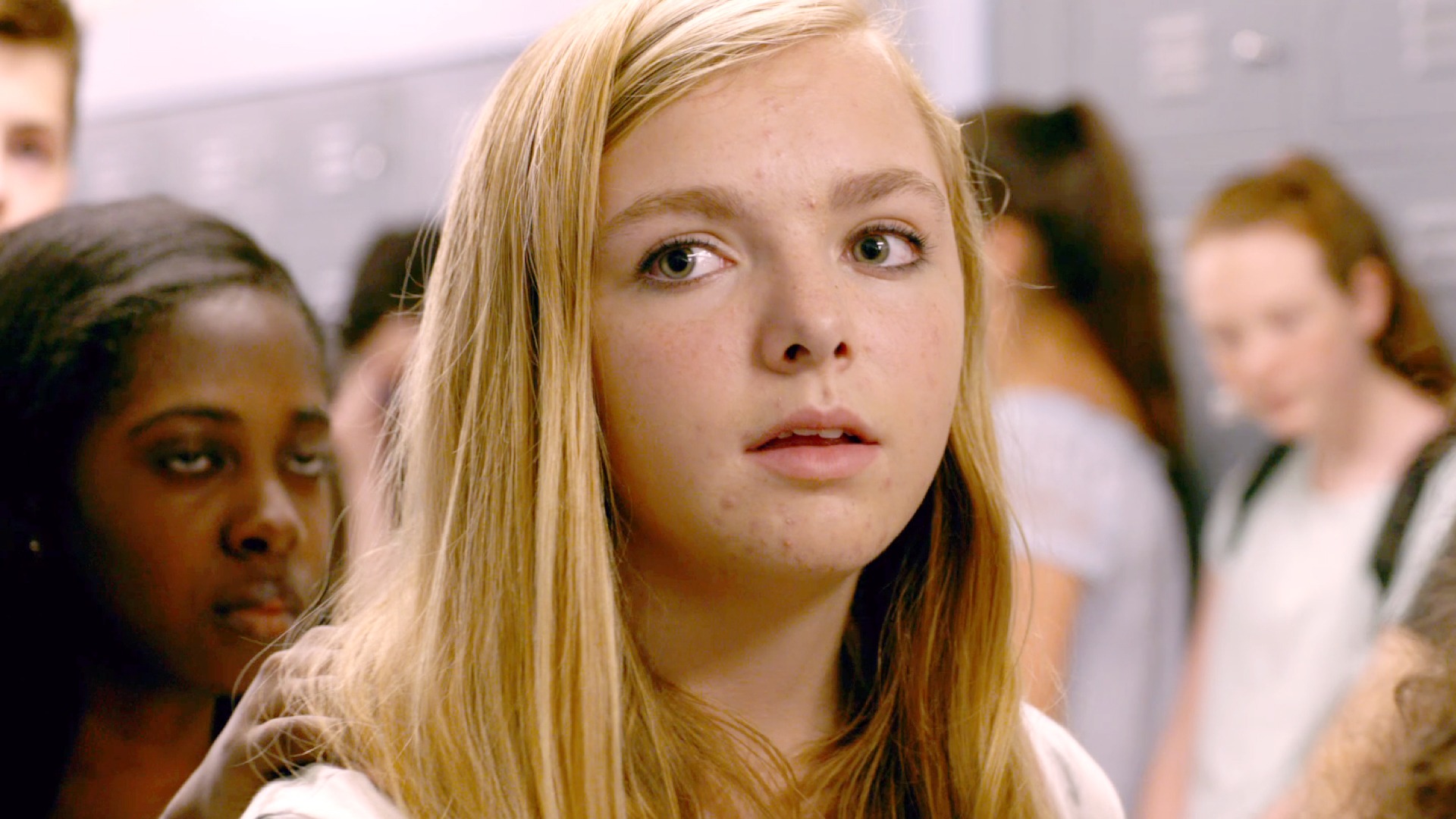
Bo Burnham’s initial entry into the cinematic realm succeeds because of his experience in the different medium of YouTube, not despite it.  Having been with YouTube since its beginning, Burnham has an innate connection to the youngest generation.  This connection allows him to portray the kids in Eighth Grade as unique individuals not just a collection of stereotypes allotted to “kids these days”.  This understanding is best exemplified in the relationship between the father and daughter pair (played by Josh Hamilton and Elsie Fisher respectively).  Elsie’s character acts irrational as most eighth graders do, but her father doesn’t bemoan her for that; instead he accepts that puberty does weird things to people and does his best to understand.

055 Eighth Grade

  1. The Farewell (dir. Lulu Wang, 2019)

Casting Awkwafina as lead in a dramatic film where a young woman struggles to say goodbye to her dying grandmother was certainly a gamble, but it proved to be one that paid off. Awkwafina proves she is more than just a comedian in Lulu Wang’s touching film, but still uses her comedic flare to impart some much-needed levity into the otherwise depressing premise. Lulu Wang grounds the emotion inherent in the premise just enough to keep it’s meaning while preventing the film from moving into the realm of melodrama.

054 The Farewell

  1. Victoria (dir. Sebastian Schipper, 2015)

Victoria is a two-hour 18-minute crime thriller shot in real time with zero cuts. And by zero cuts, I mean actually zero cuts. No hidden cuts like in 2019’s 1917 (dir. Sam Mendes), but legitimately a single uncut take. The story of the film is interesting if unremarkable, but this is an instance in which the gimmick elevates the film. Shooting in real time accomplishes two things enhances the effectiveness of the range of emotions the characters feel. The time gap between exhilaration, exuberance, and terror being so minimal compounds the rollercoaster feel of the film.

053 Victoria

  1. Things to Come (dir. Mia Hansen-Løve, 2016)

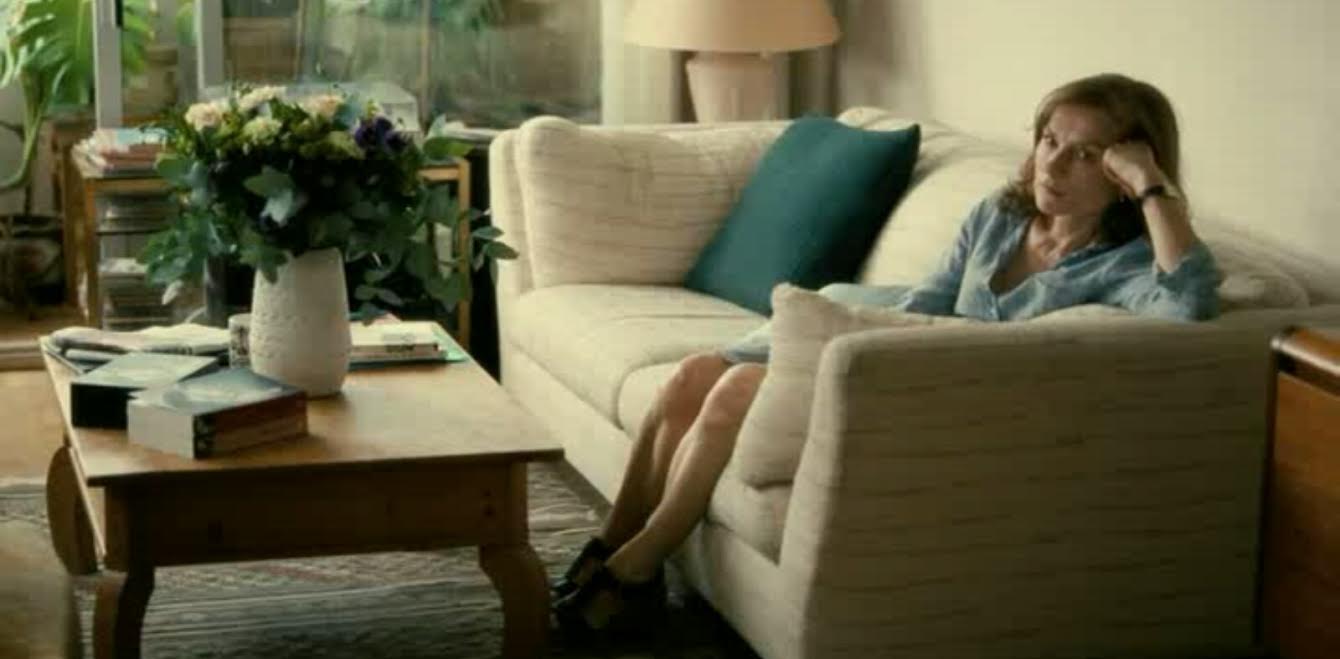
Despite the Hollywood adage that there are no acting parts for women over 30, Isabelle Huppert has been able to get consistent work in the decade excelling in the scarce few roles for middle-aged women. In Things to Come, she delivers her best performance with the help of French auteur Mia Hansen-Løve. In the film she depicts Nathalie, a woman who sees her life fall apart in front of her eyes. Taxed with consecutive tragedies, she subsists through them. A mid-life crisis that’s circumstance driven instead of born of ennui, she is still able to derive new fulfillment in the freedoms thrust upon her.

052 Things to Come

  1. Uncut Gems (dir. Benny and Josh Safdie, 2019)

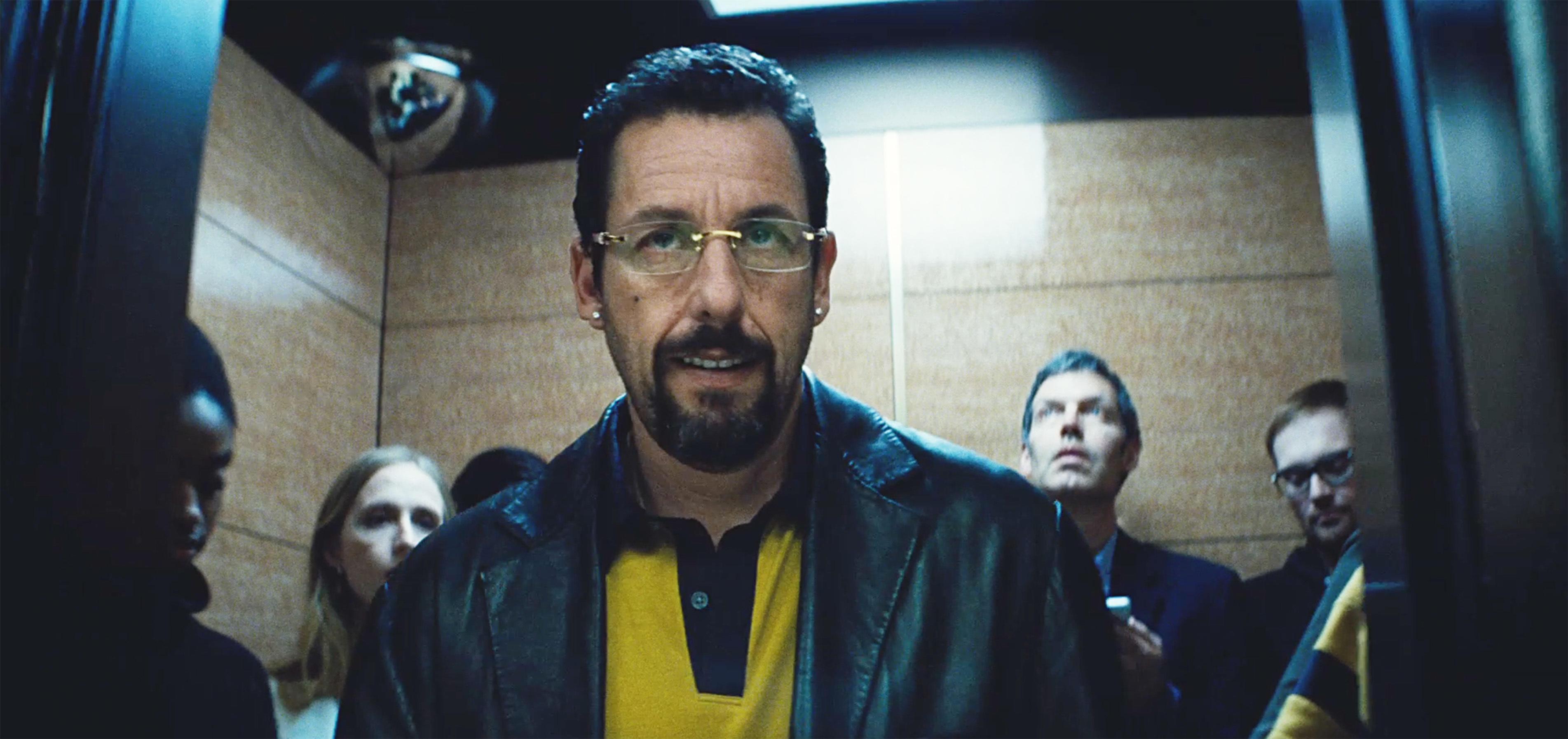
This movie is a lot. The Safdie Brothers have a habit of filling their films to with constant stimuli. Uncut Gems builds upon this style by enlisting the manic acting of Adam Sandler manic acting who once again proves that when in the hands of a capable director he can be an excellent actor.  The other trademark of a Safdie film is showing a seedy aspect of New York. Uncut Gems accomplishes this despite its main characters coming from wealth by making Sandler a compulsive gambler and owner of a shady diamond shop. Everything about this film just clicks in the speed and intensity of the Safdie Brothers’ direction.

051 Uncut Gems

The Best Films of the Decade: Part 5

I realize that I’m a few months late in posting this list, but I put it off trying to catch up on some films and then I felt it was too late. Three weeks into quarantine, and I’ve finally found the time and motivation to put together my list.

Part 1. Honorable Mentions 101-150 (in alphabetical order)
Part 2. 100 – 91
Part 3. 90 – 81
Part 4. 80 – 71
Part 5. 70 – 61 (below)
Part 6. 60 – 51
Part 7. 50 – 41
Part 8. 40 – 31 (coming soon)
Part 9. 30 – 21 (coming soon)
Part 10. 20 – 11 (coming soon)
Part 11. 10 – 1 (coming soon)

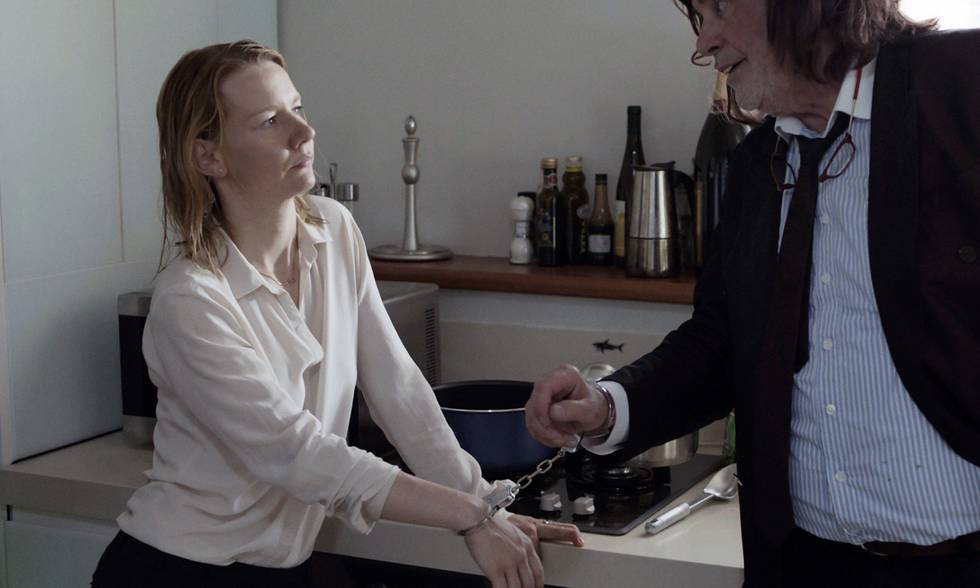
  1. Toni Erdmann (dir. Maren Ade, 2016)

In her Cannes Palm snub Toni Erdmann, director Maren Ade explores the complexities of a father daughter relationship long after the child has grown. Sandra Hüller plays Ines the daughter who has her life seemingly together. However, when her prankster father Winfried, Peter Simonischek, shows up, her polished exterior begins to crack. A story about the lengths a father will go to reconnect with his daughter, and the wall she built for emotional security.

070 Toni Erdmann

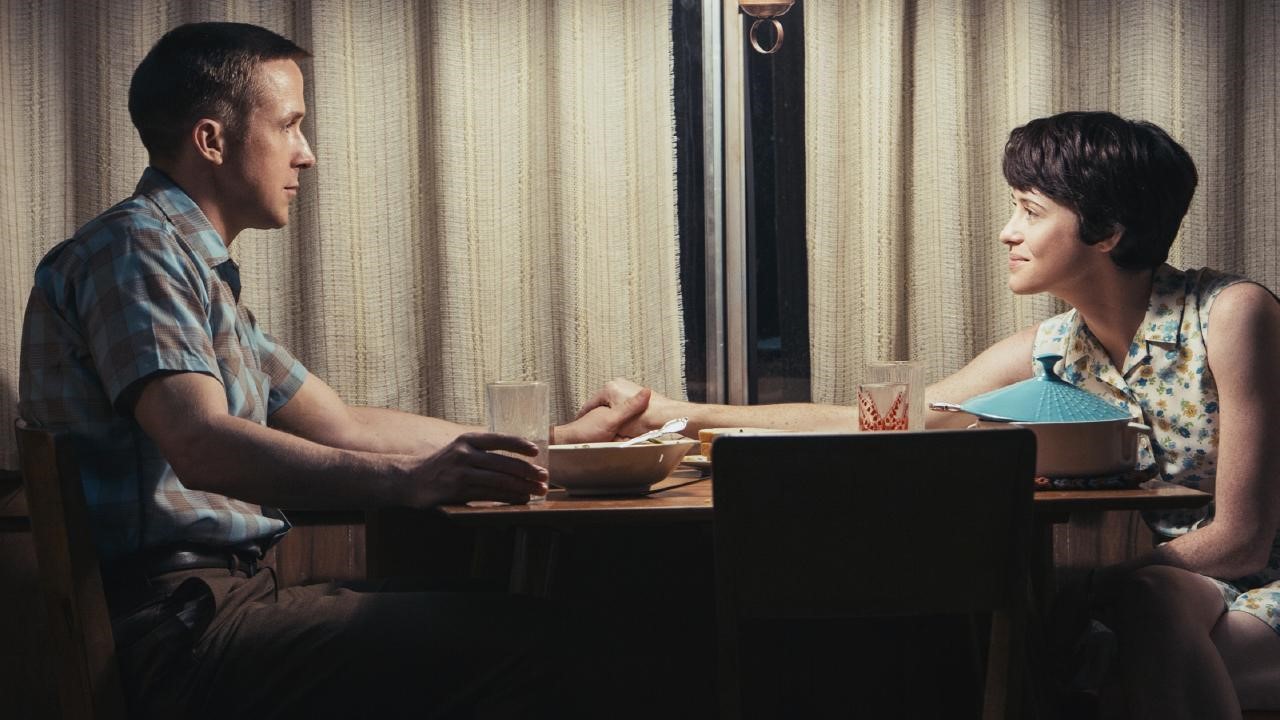
  1. First Man (dir. Damien Chazelle, 2018)

The subdued audience reactions to Chazelle’s latest film was entirely due to audience expectations not a reflection on quality. While many patrons purchased a ticket for what they assumed would be an Apollo 13 (dir. Ron Howard, 1995), but instead they were confronted with a painfully personal story about a man who uses the moon as just another place to run to. I wrote a longer piece on the film when it came out and re-post it here.

069 First Man

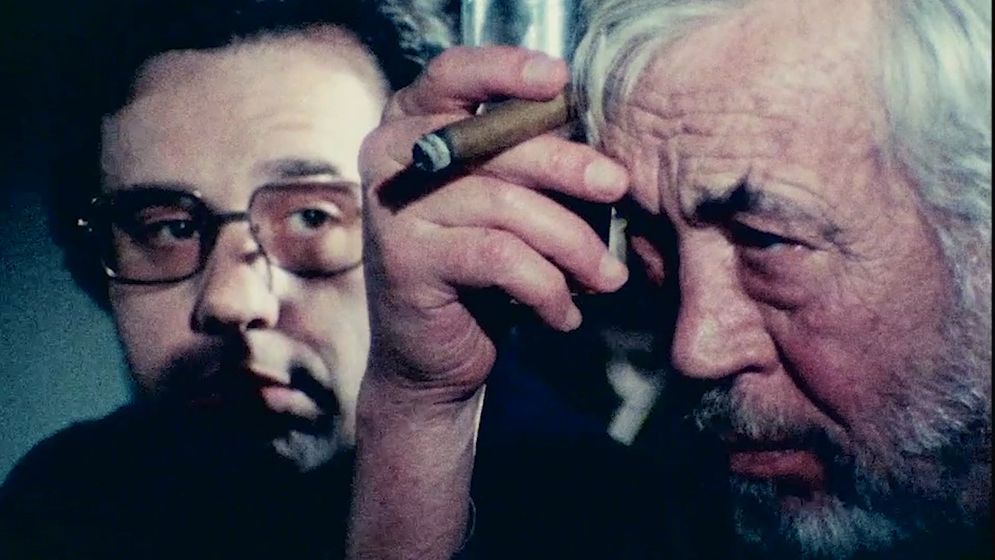
  1. The Other Side of the Wind (dir. Orson Welles, 2018)

Despite not being alive in this decade (nor the prior two), 35 years after his death, Orson Welles manages to find his way into my best films of the decade list.  Beginning production in the 1970s, it had every reason to feel extremely dated as it attempted to satirize the state of film at the time.  And yet, Welles’s commentary while not necessarily applicable to cinema today, feels like what a 2018 commentary on 1970s film would be.  His condemnation of the machismo mentality of many of the major studio directors especially feels modern.  Conversely, the film within a film that mimics the French New Wave lends itself well to the Art House scene in cinema today.  Through all the layered coding, the film also works as an allegory for the end of Orson Welles’s career with John Huston serving as stand in for Welles himself.  This multi-layered filmmaking results in The Other Side of the Wind being exceedingly intricate yet rewatchable.

068 The Other Side of the Wind

  1. Tangerine (dir. Sean Baker, 2015)

In this trans woman’s opinion, Tangerine is the greatest film about trans women ever created. Sean Baker accomplishes this first and foremost by casting trans women Kitana Kiki Rodriguez and Mya Taylor to play the lead roles of Sin-Dee and Alexandra. Secondly while Sin-Dee and Alexandra’s transness is ever-present in the film, the film is not about them being trans. Instead Tangerine is primarily a heartfelt buddy comedy between the two leads. From a visual standpoint the vibrant colors of Hollywood strip malls pop beautifully despite being shot on an iphone. The artificial, neon glaze is a perfect complement to a wonderful film.

067 Tangerine

  1. Pina (dir. Wim Wenders, 2011)

German auteur Wim Wenders spent much of the decade exploring how the medium of film could be combined with other artistic mediums. His 2015 documentary The Salt of the Earth (codirected with Juliano Ribeiro Salgado) exploring the work of photographer Sebastião Salgado nearly made this list, but it was his first film of the decade, Pina, that resonates as a perfect blend of mediums. A tribute to the late German dance choreographer Pina Busch, the film named for her highlights her work by presenting many of her most famous pieces cutting between performances by different skill levels of dancers.

066 Pina

  1. A Separation (dir. Asghar Farhadi, 2011)

From the opening scene of Asghar Farhadi’s masterpiece, a western audience is predisposed to be against Payman Maadi’s character Nader. Iranian’s patriarchal system denies his with Simin (Leila Hatami) any say in their future or the future of the child. Because of this, when Nader gets physical with his housekeeper Razieh (Sareh Bayat), it’s easy to wish the worst of him. Yet that’s not what Simin, the audience surrogate, wants. The film explores the complexities of emotions and the difficulties that a strict patriarchal set of laws adds to them.

065 A Separation

  1. Blue Valentine (dir. Derek Cianfrance, 2010)

Speaking of films about the difficulties of relationships with unsympathetic male protagonists, it’s hard to imagine watching Derek Cianfrance’s Blue Valentine and not come away loving Cindy (Michelle Williams) and being frustrated with Dean (Ryan Gosling). And yet, Cindy’s love for Dean doesn’t seem at all unrealistic. By mixing time periods, Cianfrance makes sure the film never goes too long without a sweet moment from Dean. These are the moments that Cindy must retreat to when her husband is inconsiderate or abusive. While the performances by both leads are stellar, this is one of many films appearing on this list that make the argument for Michelle Williams being the best actor of the decade.

064 Blue Valentine

  1. The Great Beauty (dir. Paolo Sorrentino, 2013)

The Great Beauty is director Paolo Sorrentino’s homage to my favorite film of all time, Federico Fellini’s all time classic La Dolce Vita (1960). Like Fellini’s film, The Great Beauty centers around a man, Jep (Toni Servillo), entrenched in the garish Italian night life who finds that living the life that many men dream about, brings him no contentment. He floats between parties, each one more lavish than the last, and despite being a lauded guest feels perpetually alone. By capturing that complex emotional state, Sorrentino brushes with greatness.

063 The Great Beauty

  1. Take Shelter (dir. Jeff Nichols, 2011)

Michael Shannon made most of his mark this decade as a great character actor and supporting man, but his leading performance in 2011’s Take Shelter proves that he could just as easily have been an A-list leading man. In the film, he plays Curtis, a young man who upon having a vision of the apocalypse begins doing everything to prepare for it and keep his family safe. This intense preparedness begins costing him as the world labels him insane. As Curtis, Shannon captures the emotion of a man willing to sacrifice everything to save his family, even if his family doesn’t believe him.

062 Take Shelter

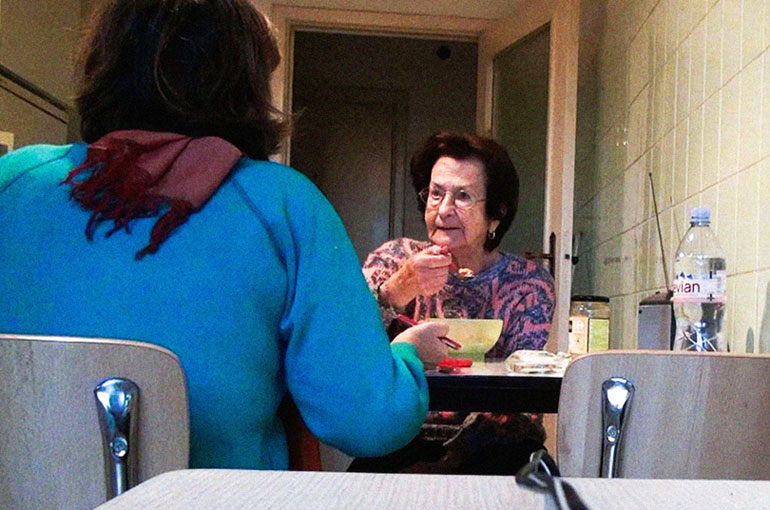
  1. No Home Movie (dir. Chantal Akerman, 2016)

The first film on the list that causes me to tear up just by thinking about it, No Home Movie is the final film that visionary director Chantal Akerman made. Despite its name, the film is comprised of footage primarily shot in Akerman’s mother’s Brussels apartment near the end of her life. They spend the runtime chatting about their past together. Even when Chantal is away from her mother on work, she films the Skype sessions between them, capturing the loving and important relationship the two of them have. Unfortunately, this love and importance is made even more apparent by what happened after the film. After shooting completed, Natalia Akerman passed away. After completing the film, but 2 days before it was set to premier, Chantal Akerman succumbed to the grief of losing her mother and took her own life.

061 No Home Movie

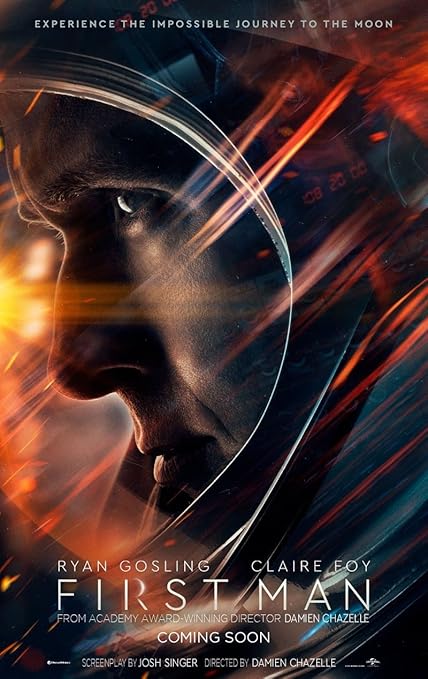
First Man: A Portrayal of a Man and Masculinity

Amazon.com : FIRST MAN MOVIE POSTER 2 Sided ORIGINAL Advance 27x40 ...

Note, First Man is a fictional telling of a true story, and as such all references to real people in this essay reflect that of the characters in the film, not the actual individuals.  Insights into characters come entirely from the film and do not necessarily reflect reality.


Damien Chazelle returns with his leading man from La La Land, Ryan Gosling, to make a very different film from the musical frolic.  Gosling portrays Neil Armstrong, the titular first man to walk on the moon, but those expecting a film that could just as easily by titled Apollo 11 will be bemused by the film that was presented.  First Man focuses on Neil as a man and his life; in doing so, it portrays a devastating depiction of masculinity.

After an opening scene of Neil flying an X-15 rocket plane and averting a crisis above the atmosphere to land safely, the emotional crux of the film is presented.  In 1961 the Armstrongs’ young daughter Karen lost her battle with cancer despite Neil’s obsessive nature taking meticulous notes and reaching out to the best physicians in the world.  At the funeral Neil is unable to maintain a calm demeaner while interacting with well wishers and instead shuts down leaving his wife Janet, portrayed by Claire Foy in an Oscar worthy role, to handle all the pleasantries.

Soon after, Neil applies for and is accepted for a position with the Gemini Project in Houston.  Despite Neil’s apparent indifference to the honor, Janet sees the move as a potential new beginning for the family.  Karen’s death cast a shadow over Neil; by leaving, Janet hopes that they both can start life anew, uninhibited by a trauma left behind.

The move to Huston it seems is unable to provide Neil a reprieve from the guilt he feels from Karen’s death.  He detaches from any emotional aspect of life giving all his focus to his profession, leaving his wife and two boys with no emotional presence.  In her want to understand what her husband is going through, Janet reaches out to his coworker and friend Ed White wondering if he ever talks about Karen with him or the other men at work.  The response of no to her inquiry doesn’t surprise Janet, but it does force her to acknowledge the extent to which Neil has been emotionally stunted by their loss.

MOVIE REVIEW: First Man one of best movies of the year | News Mail

From this moment on, the film embodies the genre of tragedy.  No longer is Neil the hero that’s taught about in history classes, but instead is a broken man whose masculine ideals have removed him from the world of the living.  An effective robot, Neil continues to excel at his job, but becomes utterly incapable of existing outside of that environment.  By suppressing his emotional needs through an unhealthy dedication to work, Neil is rewarded with the important Gemini 8 mission.  This honor enforces the isolating habits he expresses.  Work consumes his life as the difficulties of space travel are preferable to the difficulties arriving from his trauma.  Science and engineering have definitive answers which are easier for Neil to comprehend than emotions and grief which are nebulous in nature.

When coworker and friend Elliot See dies in a crash, Neil’s isolation worsens.  Caught in a moment of what he perceives as weakness, he abandons Janet and their sons at See’s funeral reception and retreats home where he gazes apathetically at stars in the backyard.  Upon getting a ride home with Ed and his wife Patricia, Janet, lost to what Neil may be experiencing, pleads with Ed to try talking to her husband.  Ed obliges Janet’s request and approaches Neil only to be rebuffed by him in a rare display of emotion.  “Do you think I’m standing here in the backyard because I want to talk to someone” is Neil’s only response to his friend willing him away.  The funeral of Elliot See resulted in a temporary break in Neil’s mask of emotionlessness.  Because of Neil’s refusal to confront his demons, he ran from an emotionally stirring situation abandoning his family.  As a man, he believed that his emotions were unsightly, and in his self-imposed exodus, he increased an ever-growing chasm between him and his family.

Two years after See’s death, Neil is seriously injured when he crashes a Lunar Landing Research Vehicle.  That evening, he returns home with half his face bloodied and bruised.  Janet expresses immediate concern upon seeing the shape he’s in, but Neil, unable to accept her concern, fabricates a reason to immediately return to work ignoring his kids’ call for their father and further concerning a troubled Janet.  His masculinity has again forced him to flee when others express concern for him.  His detachment from his emotions and his refusal to look week extends in this moment to risking if not embracing physical harm.  It’s as if he rejects the truth that humans are physically frail to project masculine strength.  And yet, this self-destructive behavior is once again embraced by NASA awarding him Apollo 11 and with it the chance to be the first man to walk on the moon.

First Man' movie review: A glimpse of space, and ourselves

The climax of the film comes not with the landing or launch of Apollo 11, but hours before Neil leaves for the launch site.  An ever-detached Neil fuddles around his bedroom and home office packing and repacking his suitcase for the trip and month-long quarantine to follow.  A perturbed Janet confronts him and for the first time challenges him on his coldness.  She opposes him on his avoidance in discussing with his children the reality of his mission, that there is a very real chance he may never come home.  He attempts to deflect responsibility by insinuating that they must already be asleep, but Janet counters with the reality that they aren’t and accosts him for knowing that.  After years of an emotionally absent husband, she may have given up on him providing emotionally for her, but she refuses to allow him to abandon their sons without so much as a warning.

A cornered Neil gives in to Janet’s demand and agrees to sit down and talk with their sons.  Despite this resignation to his duty as a father, he still is unable to breach the subject with either of them.  Only after Janet askes the boys if they have any questions for him is he able to address them.  The younger son Mark questions about the length which their father will be gone, only now realizing that he will be without his father for a month’s time, but it’s the older son Rick who asks the pertinent question: is it possible that he won’t come home at all?  At this Neil is forced to confront the truth and let his children know that he may not return.  Conversation over, Mark emotionally hugs his father goodbye.  Tellingly the older boy Rick forgoes the emotionally pleasantry to only offer his father a handshake.

This parting moment between Neil and Rick is heartbreaking in its significance.  Multiple times earlier in the film, Rick would ask his father to play with him only for Neil to ignore his child in his dissociation from reality.  Rick lived his early childhood with a father who was only partly there, but who he was told was a hero.  In this moment, he is asserting his idolization of his father.  Rick embraces the cold, emotionless masculinity that Neil taught him by rejecting the emotional hug.


The Apollo 11 mission proceeds as planned.  Neil and Buzz Aldrin, Corey Stoll, land on the moon without much of a hitch.  Upon opening the hatch, however, Neil is welcomed with the blistering silence and emptiness of space.  All non-diegetic sound ceases at the moment that Neil steps out of the spacecraft, and yet the silence is deafening.  Removed from all outside stimuli, he is forced to confront his trauma.  Work effectively complete, there is nothing left for him to hide behind.  He gathers himself enough to jump on the surface, say his infamous words, and give Buzz the go ahead to join him, but is then consumed by his long-sequestered trauma.  The vastness of a nearby crater mirrors his pain, but also serves an apt resting place for his demons.  He ceremoniously casts a beaded bracelet spelling the name of Karen into the void symbolically releasing him from his trauma.  One week later, the Apollo 11 mission is completed and through the quarantine glass panels, Neil and Janet share a look of understanding.
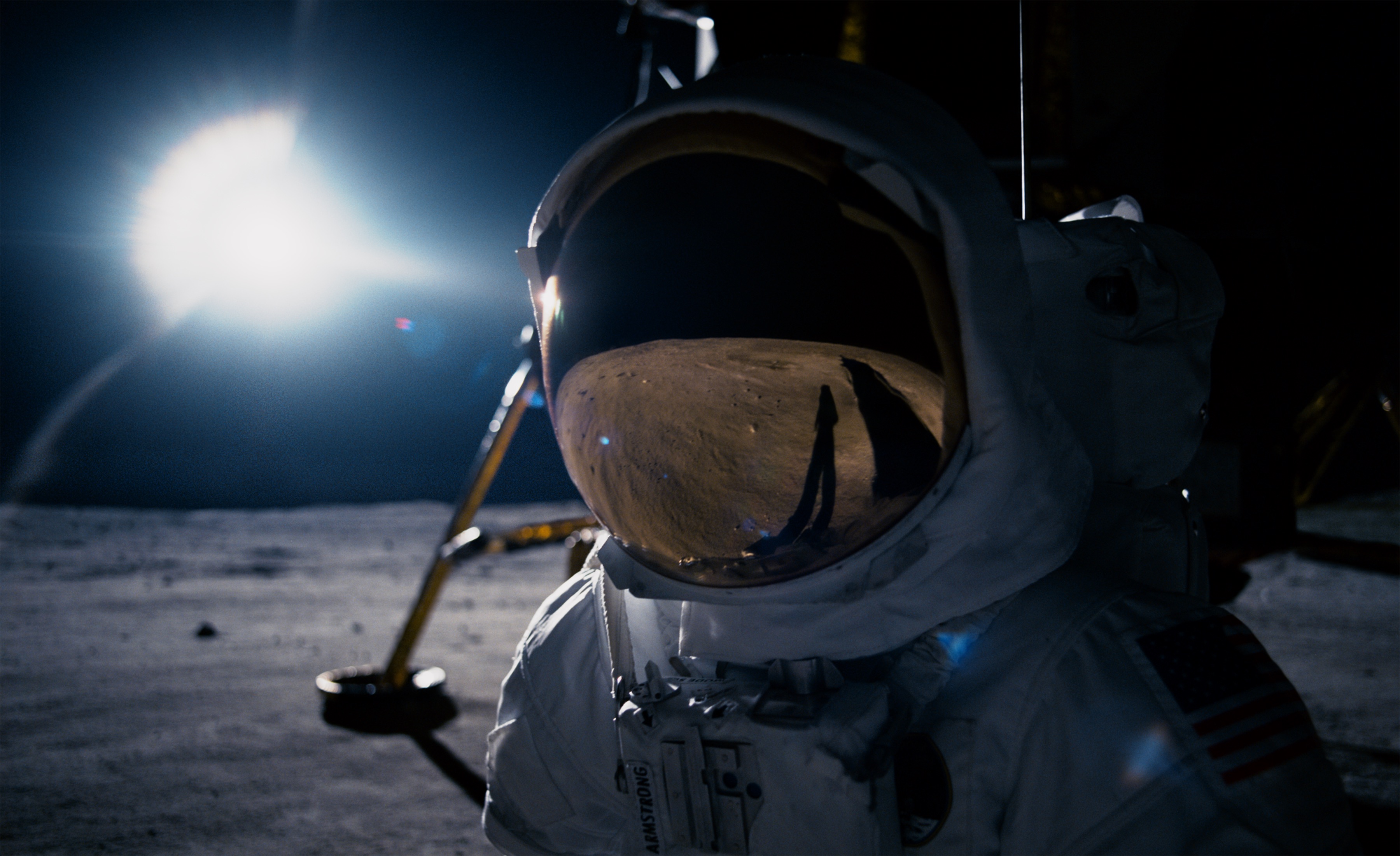
Which First Man? Film Doesn't Depict Real Neil Armstrong (Op-Ed ...

This ending may serve as a necessity for existing in Hollywood. It provides a positive ending to the tragic preceding hours, but the film still acts as a cautionary tale.  Neil’s refusal to emotionally process the death of his daughter resulted in years of emotional stress if not abuse to his family.  Even worse is the potential that his debilitating coldness may have spread to his children afflicting another generation of Armstrongs. Claire Foy’s performance as Janet is the standout in recognizing this reality.  At multiple times it looks as though she’s on the brink of leaving Neil and yet she persists.  She cares for Neil, but his disaffectedness proves trying.  Through her, the harmfulness of Neil’s emptiness realized.  The juxtaposition of her love and emotion with his masculine frigidity embodies Chazelle’s brilliant character study.  First Man is a story of which only a few dozen can relate to in plot, but in using that singular backdrop expresses a universal, cautionary truth about the downfalls of masculinity.
The Best Films of the Decade: Part 4

I realize that I’m a few months late in posting this list, but I put it off trying to catch up on some films and then I felt it was too late. Three weeks into quarantine, and I’ve finally found the time and motivation to put together my list.

Part 1. Honorable Mentions 101-150 (in alphabetical order)
Part 2. 100 – 91
Part 3. 90 – 81
Part 4. 80 – 71 (below)
Part 5. 70 – 61
Part 6. 60 – 51
Part 7. 50 – 41
Part 8. 40 – 31 (coming soon)
Part 9. 30 – 21 (coming soon)
Part 10. 20 – 11 (coming soon)
Part 11. 10 – 1 (coming soon)

  1. Two Days, One Night (dir. Jean-Pierre and Luc Dardenne, 2014)

Marion Cotillard scored a rare acting Oscar nomination from a non-English film for her devastating performance in the Dardenne brother’s anti-capitalist film Two Days, One Night. Her character, Sandra, is threatened with losing her job unless her coworkers willingly give up their bonus. She spends the titular time period showing up to her coworkers’ home and pleading to their humanity to keep her family from the brink of poverty by asking them to give up their money. A lovely film from pair of magnificent auteurs.

080 Two Days One Night

  1. Booksmart (dir. Olivia Wilde, 2019)

So much more than just Superbad (2007) but with young women, Booksmart is a brilliant depiction of regret at wasted opportunities and fear of change coming to a head at a major junction in one’s life. Amy (Kaitlyn Dever) and Molly (Beanie Feldstein) balance their comedy and tragedy well as leads, but Booksmart’s real strength lies in it’s supporting cast. Initially portraying all supporting roles as traditional teenage comedy tropes, the film spends time lingering on each one allowing them their own moments of humanity. This is exemplified no better than with Billie Lourd as the standout Gigi.

079 Booksmart

  1. Whiplash (dir. Damien Chazelle, 2014)

The movie that helped Damien Chazelle burst onto the public consciousness and won J.K. Simmons his Oscar, Whiplash is an important film in understanding America’s independent film scene in the 2010s. Chazelle’s films whether musicals or not, are heavily influenced by their music. Whiplash is not only about a jazz musician, but through the editing and direction the film itself takes on Jazz like quality. It crescendos in volume and pacing as the film’s plot intensifies. A perfect start to one of the decade’s breakout directors’ career.

078 Whiplash

  1. If Beale Street Could Talk (dir. Barry Jenkins, 2018)

Barry Jenkins’s follow up to the Oscar winning Moonlight is another love story that specifically addresses social concerns of being black in America. Beginning the film in media res and using Kiki Layne’s voice over narration when switching between the past and present creates cohesion between the two halves of the film.  This non-linear storytelling allows for the climaxes of each half of the film to take place at the same time amplifying the power behind the story.  Jenkins proves his directing chops by turning this novel into a tightly paced drama, a skill that time and time again proves to be very rare.

077 If Beale Street Could Talk

  1. Climax (dir. Gaspar Noé, 2019)

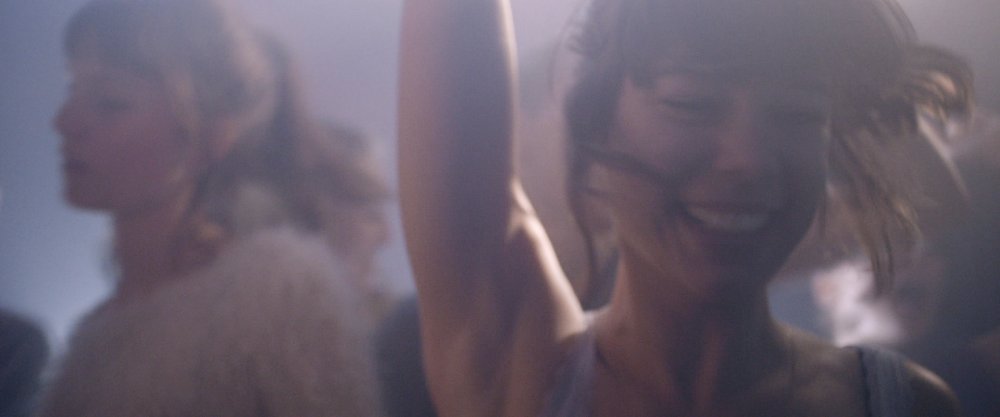
Argentinian provocateur Gaspar Noé’s 2019 film Climax needs to be viewed somewhere very dark and with the volume very loud. Noé’s films are known for having unconventional cinematic techniques implemented for the sake of making the viewer uncomfortable. With a basic storyline that members of a dance troop have their punch spiked with LSD at an after party, Climax implements a droning score and untethered camera to instill a dosed feeling in the audience as well as the characters. These techniques as well as the graphic imagery crescendo constantly throughout the film without a moments reprieve for the 100-minute runtime.

076 Climax

  1. O.J.: Made in America (dir. Ezra Edelman, 2016)

I’ll be honest, I’m may be falling for the most equals best fallacy with this one, but the seven-and-a-half-hour documentary miniseries about O.J. Simpson was a great watch for me one Saturday in 2016.  The film uses its length to add necessary context for understanding the social implications of the O.J. case. A full episode of the documentary focuses on the Rodney King riots, which while not directly related to O.J. was essentially for understanding why the black community took the O.J. acquittal as a win. The film uses the flexibility afforded to it by being a miniseries to tell a complete and engrossing picture.

075 OJ Made in America

  1. Anomalisa (dir. Charlie Kaufman and Duke Johnson, 2015)

Charlie Kaufman’s name attached to a film is always a must view experience for me, and his previous directing excursion, 2008’s Synecdoche, New York, is one of my all-time favorites. his foray into stop motion cinema for 2015’s Anomalisa further grabbed my interest as a medium which should be well poised to mix with Kaufman’s signature surrealism.  Sure enough, the stylized medium was perfect for delivering his blend humor and melancholy in the surreal. Highlighted by Jennifer Jason Leigh’s memorable unaccompanied rendition of Cyndi Lauper’s “Girls Just Wanna Have Fun”, Anomalisa is a one of a kind viewing experience.

074 Anomalisa

  1. Before Midnight (dir. Richard Linklater, 2013)

The third in Richard Linklater’s Before Trilogy, brings a touch of reality to the decade long love story between Jesse (Ethan Hawke) and Celine (Julie Delpy). Before Sunrise (1995) was a love at first sight fairy tale. Before Sunset (2004) was a statement to the power of love, that love would always find a way. Another 9 years later, and the couple finds that a relationship isn’t as simple as falling in love was. Delpy and Hawke are incredible as the characters they’ve been living with for much of their careers, and the realistic tone is a perfect next chapter in the trilogy.

073 Before Midnight

  1. 12 Years a Slave (dir. Steve McQueen, 2013)

British Auteur Steve McQueen does not make fun films. He works with dark topics and themes, and Solomon Northup (Chiwetel Ejiofor), a free man, being kidnapped and sold into slavery fits well into McQueen’s oeuvre. McQueen’s style of closeups and long takes both heighten the discomfort in viewing. His techniques rely on strong performances as they allow for less postproduction wizardry, and Ejiofor is a strong fit for the personal style. His face expresses the depths of his character’s emotions without needing to speak.

072 12 Years a Slave

  1. The Shape of Water (dir. Guillermo del Toro, 2017)

Guillermo del Toro delivered the most unconventional best picture winner in over a decade with his monster movie romance The Shape of Water. The two leads, Sally Hawkins as custodian Elisa and del Toro costumed regular Doug Jones as the Amphibian Man, both are speechless throughout the film, and yet their interspecies love story lacks nothing. Del Toro’s fantastical set design and the whimsical acting driven by the silent protagonists create a vision so perfect that the Academy couldn’t deny the new genre classic.

071 The Shape of Water