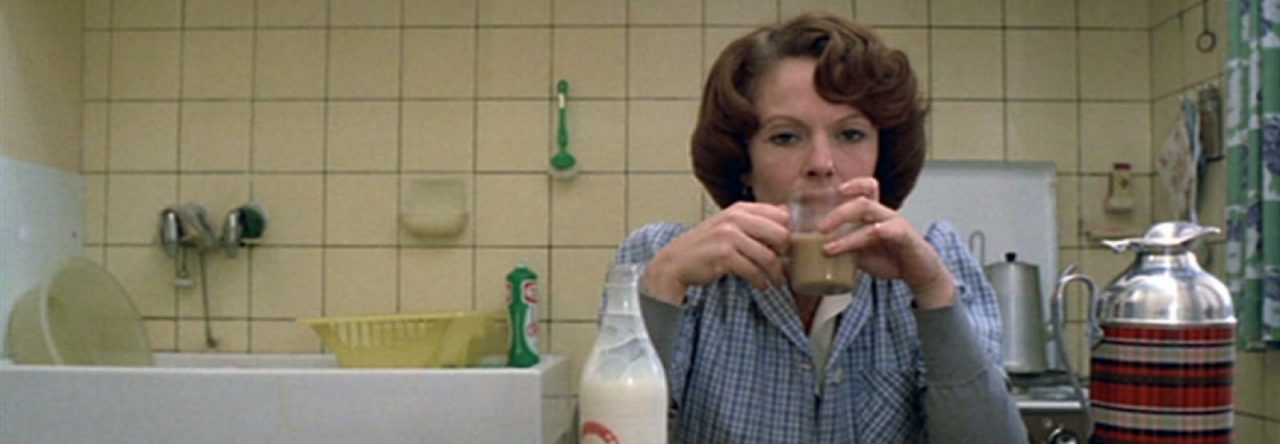

Sorry about the long delay between segments, anhedonia is a terrible thing and has prevented me from engaging the way I wish I could. But I’m hoping that some brute force can get me back in the swing of things.
The 1970s were a less prolific period of time for Varda, but in the pieces she did put out, she strongly developed her cinematic voice, filling the films with motifs that may have been in their infancy in the periods before, but starting these years sprout and will continue to flower through the years to come.
Nausicaa
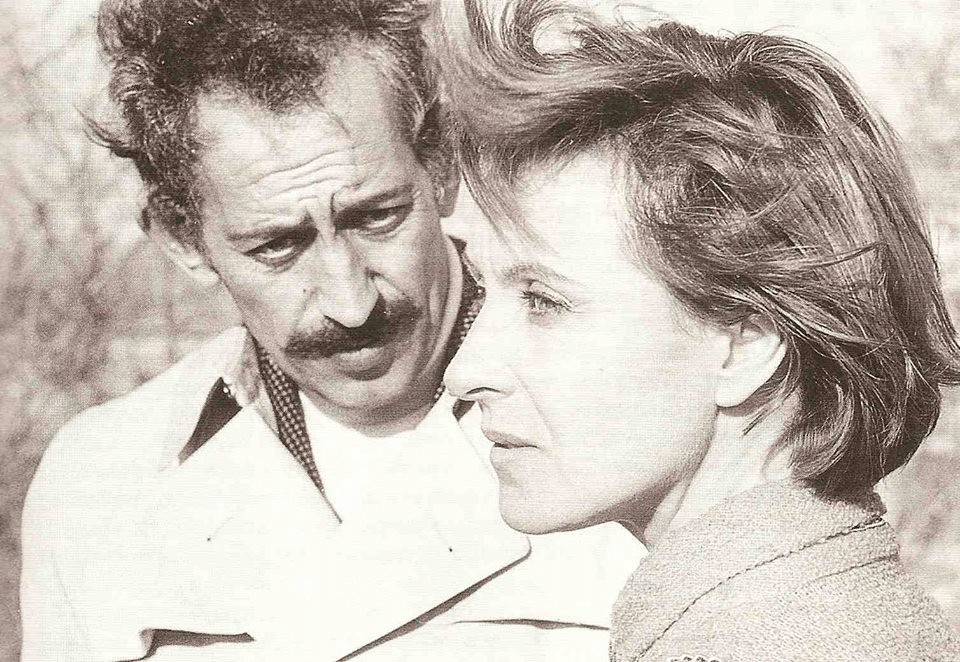
Another unfinished project, but while in previous unfinished projects we only received clips and voiceover, Nausicaa was mostly complete, it was just missing its post-production. What exists of the film is a semiautobiographical picture of a women who falls in love with a Greek refugee after a right-wing coup took over the country. Nausicaa plays into many of Varda’s themes, left winged politics, mixing narrative with documentary, fourth wall breaks where characters talk directly to Agnes. While it may lack some polish, the film encapsulates many of Varda’s motifs and is a great summary of her work.
Daguerrotypes
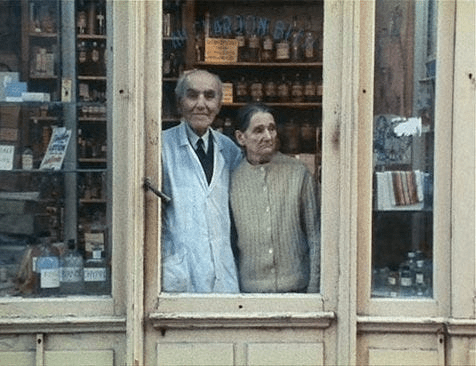
One of Varda’s naval gazing films, Daguerrotypes is an innocent exploration of the shops 50 feet from Varda’s front door. This film encapsulates one of Varda’s tendencies to find magic in the mundane. She makes this extremely evident by juxtaposing people doing their job with a literally magic show. Varda finds something worth filming wherever she goes, and this theme will continue into later films.
Women Reply

A short film all about women’s empowerment. While viewed under 2024 lenses it comes off as rather transphobic as much of the film was about possessing a woman’s body and giving birth, the line that stood out, that I’d like to think was Varda’s intention was “Being a woman means having a woman’s head too”.
One Sings the Other Doesn’t

The clear highlight of the decade, One Sings the Other Doesn’t is Agnès Varda’s pro-abortion film, a message which sadly hits just as hard today. Staring two lovely women as leads Apple (Valérie Mairesse) and Suzanne (Thérèse Liotard) two friends who come into and out of each other’s lives frequently involving abortions or childbirth. The film embodies a womanly warmth as groups of women give what little they have in order to make the other’s lives easier. Even the most melodramatic of plot points feel slight and manageable because of the power of womanly friendship.
The Pleasure of Love in Iran
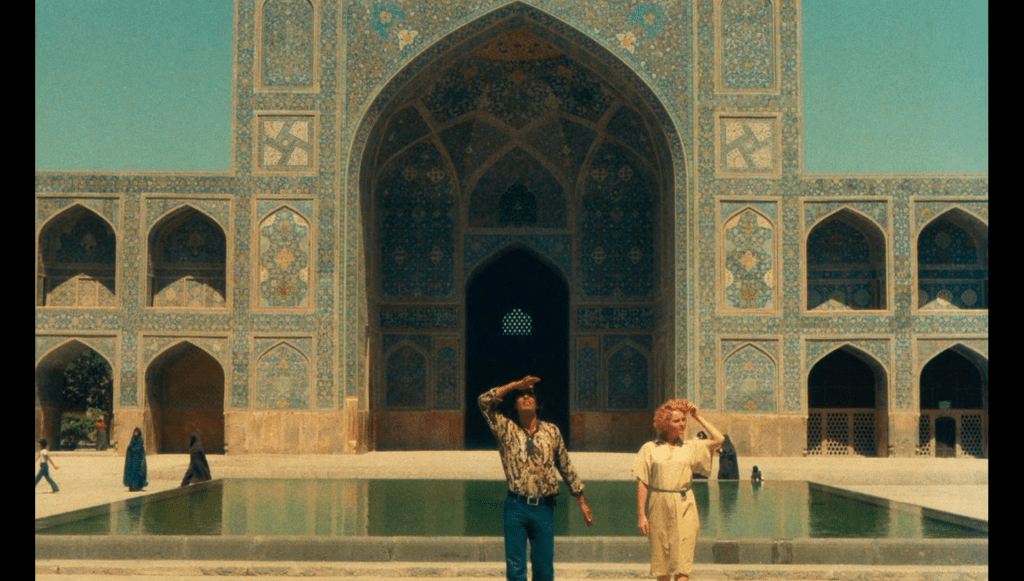
What is essentially a deleted scene from One Sings the Other Doesn’t, The Pleasure of Love in Iran briefly expands upon the budding relationship between Apple and her Iranian partner Darius (Ali Rafie). The love between the two young romantics is mirrored in the country as they explore it’s beauty.
While the first two films this week were largely about Varda herself (a topic she will return to again and again in the later part of her career), The last three films create the overarching theme for this decade. Varda was extremely interested in the passion that Women have for others, and in particular other women. One Sings the Other Doesn’t is the clear standout of the 70s and exemplifies this theme the best. The relationship between Apple and Suzanne is representative of the bond between women, especially when they’ve experienced something unpleasant together, and the power that women can behold when working together.
 Woman With A Movie Blog